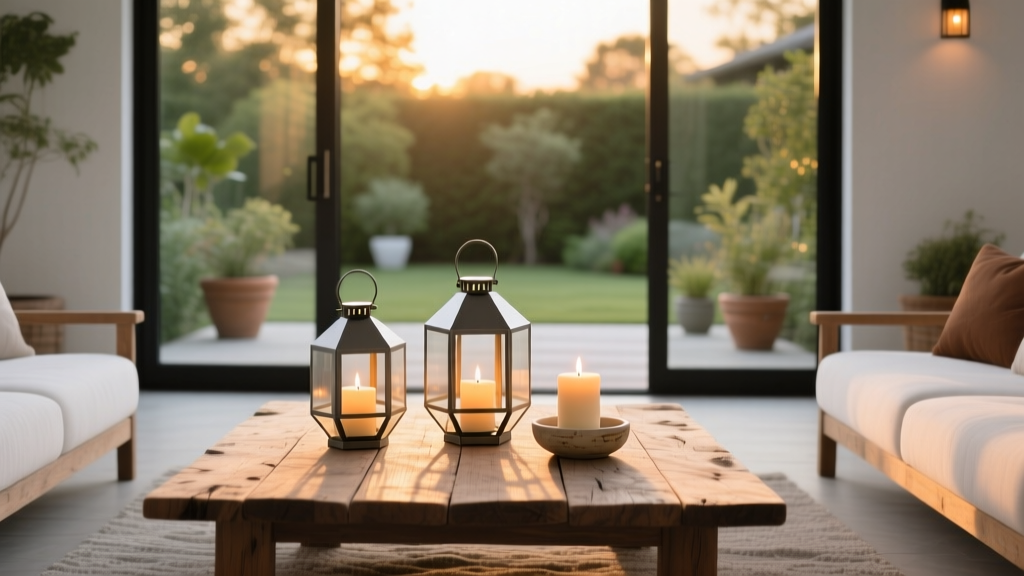
Best Outdoor Lantern and Candle Options - The Decor Mag
Outdoor lighting is the easiest way to make a patio feel finished. The right lantern or candle instantly adds warmth, depth, and that “stay a while” glow—without a full electrical project. Whether you’re styling a small balcony, building a cozy garden seating area, or upgrading a full outdoor living room, portable lighting helps define zones, highlight landscaping, and extend your evenings well past sunset.
Lanterns and candles also do something string lights can’t quite replicate: they create pools of light at human height. That’s what makes outdoor dining feel intimate, makes a path feel welcoming, and makes a backyard feel like an outdoor retreat rather than a dark expanse. With today’s options—from hurricane lanterns and solar lanterns to flameless LED candles and citronella blends—you can tailor ambiance to your climate, maintenance comfort level, and budget.
This guide breaks down the best outdoor lantern and candle options, where they work best, what to buy, and how to design with them like a pro—so your patio, garden, and yard feel inviting in every season.
How to Choose Outdoor Lanterns and Candles (Quick Design Checklist)
Before shopping, decide what role your lighting needs to play in your outdoor design:
- Ambiance: Soft glow for lounging, dining, or entertaining.
- Task lighting: Brighter, steadier light near grills, serving areas, or outdoor kitchens.
- Safety: Defining steps, edges, and pathways.
- Accent lighting: Highlighting plants, water features, or a focal wall.
Then use these practical specs to narrow your picks:
- Wind exposure: Breezy decks and open yards need hurricane shades or flameless candles.
- Moisture rating: Look for “outdoor safe” or IP ratings for solar/LED options.
- Material durability: Powder-coated aluminum, stainless steel, teak, and concrete handle weather better than untreated steel.
- Light color: Choose warm white (around 2200K–2700K) for the coziest patio living vibe.
- Maintenance tolerance: Real flame looks amazing; LED is the low-effort workhorse.
Best Outdoor Lantern Options
1) Hurricane Lanterns (Glass + Frame)
Hurricane lanterns are the classic choice for outdoor entertaining because the glass chimney protects the flame from wind while making the light feel elevated and intentional. They’re perfect for dining tables, outdoor coffee tables, and steps leading into the garden.
Best materials:
- Powder-coated aluminum: Lightweight, rust-resistant, great for coastal patios.
- Stainless steel (304 or 316): Premium durability; 316 is best near salt air.
- Teak details: Warm, high-end look; let it weather to silver or oil it annually.
- Tempered glass: More resistant to thermal shock than standard glass.
Design tip: Use a trio of varying heights (small/medium/tall) on one side of a seating area to create a “lighting vignette” that anchors the layout.
Budget range: $25–$80 for basic hurricane lanterns; $120–$300+ for designer stainless or teak-trimmed pieces.
2) Solar Lanterns (Best for Pathways and Low-Voltage-Free Lighting)
Solar lanterns have come a long way: better batteries, warmer LED tones, and more attractive materials. They’re ideal for renters, homeowners avoiding trenching for low-voltage lighting, and anyone who wants easy year-round outdoor living upgrades.
Where solar lanterns work best:
- Along garden paths and stepping stones
- On deck railings or stair landings
- Grouped around a patio lounge zone
- Near planters (especially around ornamental grasses for glow-through texture)
What to look for:
- Warm LED color (avoid harsh blue-white)
- Replaceable batteries (AA/AAA rechargeable or accessible packs)
- Weather resistance (waterproof seals for rainy climates)
- Winter performance (shorter days = lower output; choose higher-capacity models)
Budget range: $15–$50 each; premium sets or larger statement lanterns: $60–$150+.
3) Candle Lanterns (Metal Lanterns Designed for Pillars)
These are the “front porch and patio styling” heroes—structured frames with glass panels that hold pillar candles or LED candles. They look great flanking a door, framing an outdoor fireplace, or defining a dining area without taking up tabletop space.
Recommended placements:
- Entry styling: Two lanterns on either side of the front steps or porch seating.
- Outdoor fireplace: Place lanterns at different heights on the hearth for layered glow.
- Dining zone: Set a pair on the ground near table legs to keep the tabletop clear.
Material picks: Powder-coated metal for humid climates; stainless for coastal yards; avoid bare iron unless you love patina and don’t mind maintenance.
Budget range: $30–$90 each; oversized statement lanterns: $100–$250.
4) Hanging Lanterns (For Pergolas, Trees, and Covered Patios)
Hanging lanterns add vertical interest and make outdoor rooms feel “ceilinged,” especially under pergolas or mature trees. Choose lightweight materials and secure hanging methods so they’re safe in wind.
Layout ideas:
- Pergola grid: Hang lanterns in a simple grid over the dining table for an outdoor room feel.
- Tree canopy glow: Hang two to four lanterns at varying heights above a lounge area.
- Mixed lighting: Pair hanging lanterns with ground-level candles to create depth.
Safety and durability tips:
- Use outdoor-rated hooks and corrosion-resistant chain.
- Keep real flames away from fabric canopies, dried leaves, and low branches.
- In windy climates, favor flameless candles or enclosed LED lanterns.
Budget range: $20–$60 per lantern; higher-end sets and large-scale pieces: $80–$200+.
Best Outdoor Candle Options
1) Outdoor Pillar Candles (Long-Lasting, Classic Glow)
Pillar candles are the easiest way to create an upscale outdoor ambiance. Use them in hurricane lanterns or glass cylinders to protect the flame and reduce dripping.
Best uses:
- Outdoor dining centerpieces (in glass for wind protection)
- Clustered on a coffee table tray with greenery
- On steps (inside lanterns) for event nights
Pro material recommendation: Pair pillars with thick glass cylinders or lanterns with tempered glass panels for safer, steadier burn.
Budget range: $10–$35 per candle, depending on size and burn time.
2) Citronella Candles (Functional for Bug Control)
If mosquitoes ruin your patio living, citronella can help—especially when used strategically. It’s not a magic shield, but it can make seating areas more comfortable when combined with smart landscaping and airflow.
How to use citronella effectively:
- Place multiple candles around the perimeter of the seating area, not just one in the center.
- Use lanterns or hurricanes so wind doesn’t extinguish them.
- Pair with mosquito-reducing plants nearby (see plant list below).
Budget range: $8–$25 each; larger buckets: $20–$45.
3) Flameless LED Candles (Best for Windy, Dry, or High-Use Spaces)
Flameless candles are the best choice for families, pet owners, fire-prone regions, or exposed decks. Modern versions flicker convincingly and can be set on timers for effortless nightly ambiance.
Look for these features:
- Outdoor rating or use inside a lantern to protect from moisture
- Timer + remote (6-hour timer is a favorite for daily use)
- Warm amber flicker rather than cool white
- Real wax exterior for a more authentic look (keep out of extreme heat)
Budget range: $20–$60 for a set; premium realistic candles: $15–$30 each.
4) Beeswax and Long-Burn Candles (Premium Choice for Entertaining)
For dinner parties and special occasions, beeswax candles burn longer and tend to drip less than softer blends. They also have a naturally warm glow that flatters faces—perfect for outdoor dining photos and gatherings.
Budget range: $15–$40+ per candle depending on size and purity.
Designing with Lanterns and Candles: Layout Ideas That Always Work
Great outdoor lighting is layered. Use a mix of heights and placement so the yard feels intentional, not randomly dotted with lights.
Go-to layout formulas
- The “3-2-1 Lounge Layer”: 3 lanterns clustered on one side (varied heights), 2 small lights on a coffee table, 1 brighter element nearby (like a wall sconce or solar task lantern).
- The “Dining Halo”: Low candlelight on the table + two lanterns on the ground at opposite corners + soft perimeter solar lights on nearby planters.
- The “Path + Pause” Garden Plan: Solar lanterns every 6–10 feet on a path, plus a larger lantern cluster at the bench or seating “pause point.”
Pair lighting with outdoor furniture and materials
Match lantern finishes to your patio furniture and hardscaping so the whole outdoor design reads cohesive:
- Modern patios: Black powder-coated lanterns + concrete planters + teak or resin-wicker lounge furniture.
- Mediterranean / warm rustic: Bronze finishes + terracotta pots + travertine or warm pavers.
- Coastal outdoor living: Stainless lanterns + white or light gray textiles + weathered teak.
- Cottage garden vibe: Aged metal lanterns + stone paths + layered plantings (lavender, salvia, hydrangeas).
Budget-friendly styling trick: Place lanterns on top of upside-down ceramic planters or sturdy outdoor side tables to create height without buying pedestals.
Plant Pairings That Look Incredible in Lantern Light
The best landscape design uses light to emphasize texture. These plants catch lantern glow beautifully and add fragrance to your patio living spaces:
- Lavender: Fragrant, drought-tolerant once established; great near seating (full sun).
- Rosemary: Evergreen in mild climates; place near outdoor kitchens for utility and scent.
- Salvia: Long bloom season, pollinator-friendly, great for summer entertaining.
- Hydrangea: Large blooms reflect low light; excellent for part-shade patios (water consistently).
- Boxwood (or inkberry holly as an alternative): Structure year-round; looks crisp with lanterns at entries.
- Ornamental grasses (fountain grass, muhly grass): Movement + glow-through texture; stunning in fall.
- Jasmine (climbing): Incredible evening fragrance near pergolas (check hardiness zone).
Maintenance note: Keep foliage trimmed back from open flames and avoid placing candles under dry, overhanging plant material—especially in late summer and fall.
Seasonal and Climate Considerations (So Your Lighting Works Year-Round)
Windy locations
- Choose hurricane lanterns or LED candles for consistent glow.
- Avoid tall, lightweight lanterns without a stable base.
Rainy and humid climates
- Prioritize powder-coated aluminum, stainless steel, and sealed solar units.
- Bring real candles indoors when not in use; moisture can affect burn quality.
Hot and sunny climates
- Keep real wax LED candles out of direct midday sun (they can warp).
- Use lanterns with ventilation so heat doesn’t build up around real flames.
Cold winters and shoulder seasons
- Solar lantern output drops with short days—use them as accent lighting, not your only source.
- Store lanterns in a garage or shed during storms to prevent glass breakage.
- For winter patio living, pair lanterns with a fire pit or patio heater and add wind-blocking curtains or a privacy screen.
Common Mistakes to Avoid
- Using only overhead lighting: It can feel harsh. Add lanterns at table and seating height for warmth.
- Too many tiny lights scattered everywhere: This creates visual clutter. Instead, cluster lanterns in intentional groups.
- Ignoring wind patterns: If candles keep going out, switch to hurricanes or flameless.
- Choosing indoor-only metals: Untreated steel rusts quickly outdoors; opt for powder-coated, stainless, or teak.
- Placing open flames near traffic: Keep real candles off narrow steps and tight walkways; use LED for safety zones.
- Forgetting maintenance: Sooty glass and wax drips ruin the look. Plan for easy cleaning and candle replacement.
Practical Buying Guide (Budget Ranges and What You Get)
- $30–$100: A pair of small lanterns + basic pillar candles, ideal for a balcony or small patio refresh.
- $100–$250: A coordinated set (3 lantern sizes) + LED candle set with timer, great for a complete seating zone.
- $250–$600: Premium stainless or teak lanterns + multiple solar path lanterns for a more designed backyard lighting plan.
FAQ: Outdoor Lanterns and Candles
What’s the best outdoor lantern material for coastal areas?
316 stainless steel is the most corrosion-resistant choice near salt air. Powder-coated aluminum also performs well and is often more budget-friendly.
Do solar lanterns work in winter?
Yes, but brightness and runtime usually drop because of shorter days and cloudy weather. Choose higher-capacity models, keep solar panels clean, and treat solar as accent lighting in winter rather than your main patio light source.
How do I keep outdoor candles from blowing out?
Use hurricane lanterns, glass cylinders, or switch to flameless LED candles for exposed patios. Also try relocating candles to lower, more sheltered positions near walls or planters.
Are flameless candles bright enough for outdoor dining?
They’re excellent for ambiance, but for food prep or detailed tasks you’ll want a supplemental light source (a wall sconce, portable rechargeable lamp, or brighter lantern). For dining mood lighting, LED candles are usually perfect.
What’s a simple layout for a small patio?
Start with two medium lanterns on the ground at opposite corners of your seating area, plus one smaller lantern or candle cluster on the coffee table. Add one solar lantern near the path or steps for safety.
How do I clean lantern glass?
Let everything cool, then use warm water with mild soap. For soot, a little vinegar solution works well. Avoid abrasive pads that can scratch glass and make it look cloudy over time.
Actionable Next Steps for a More Inviting Outdoor Space
- Walk your yard at dusk and mark where you naturally sit, dine, and enter—those are your priority lighting zones.
- Choose one lantern “finish family” (black, bronze, stainless, or natural teak) to unify your patio design.
- Build one lighting vignette this week: a cluster of 3 lanterns at varied heights with either pillars or LED candles.
- Add two seasonal upgrades: citronella candles for summer nights and LED candles with timers for effortless fall/winter ambiance.
Your outdoor living space deserves lighting that feels as comfortable and styled as your interior. Explore more patio ideas, landscape design inspiration, and outdoor décor guides on thedecormag.com.
More Articles
 Outdoor Pavilion Projector Screen Setup - The Decor Mag
 Best Outdoor Bar Orange Twist Station - The Decor Mag
 Best Outdoor Rocking Chair Picks - The Decor Mag
 How to Create a Pollinator Garden - The Decor Mag
 How to Create a Butterfly Garden - The Decor Mag
 Kid-Friendly Backyard Play Zones: Landscape-Blending Ideas
 Outdoor Gazebo Design Inspiration - The Decor Mag
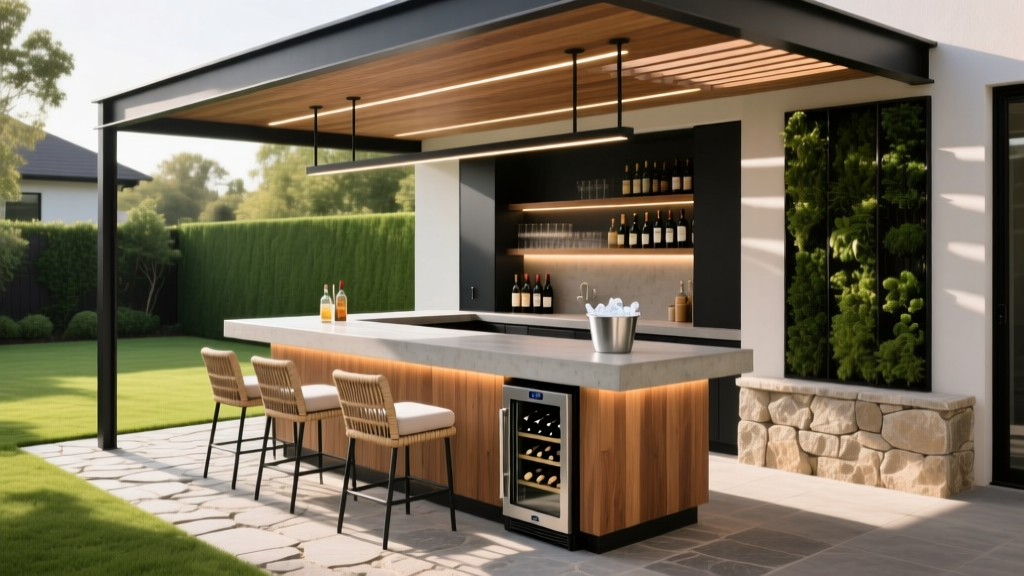 Outdoor Bar and Beverage Station Ideas - The Decor Mag
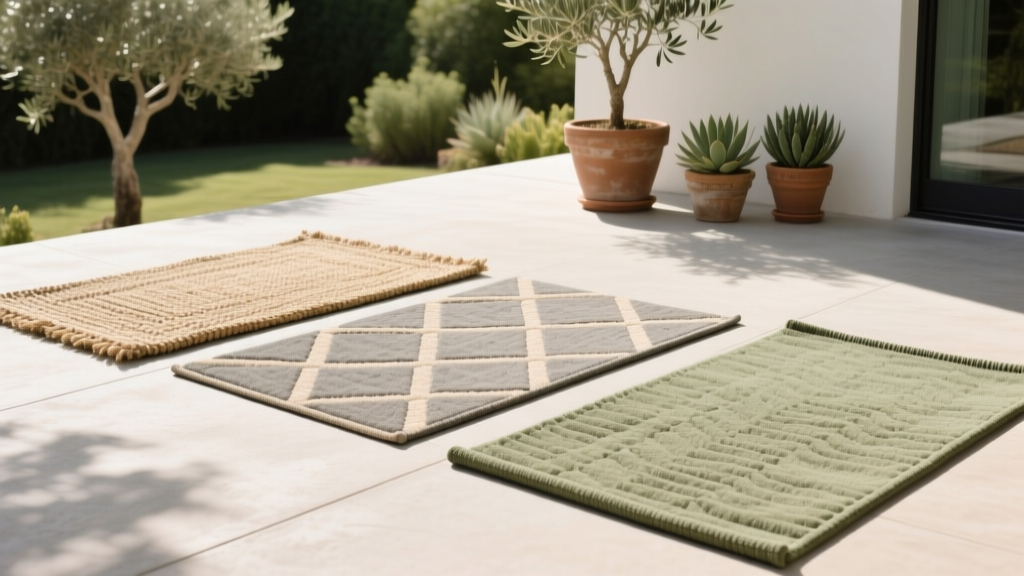 Best Outdoor Rug Options for Durability - The Decor Mag
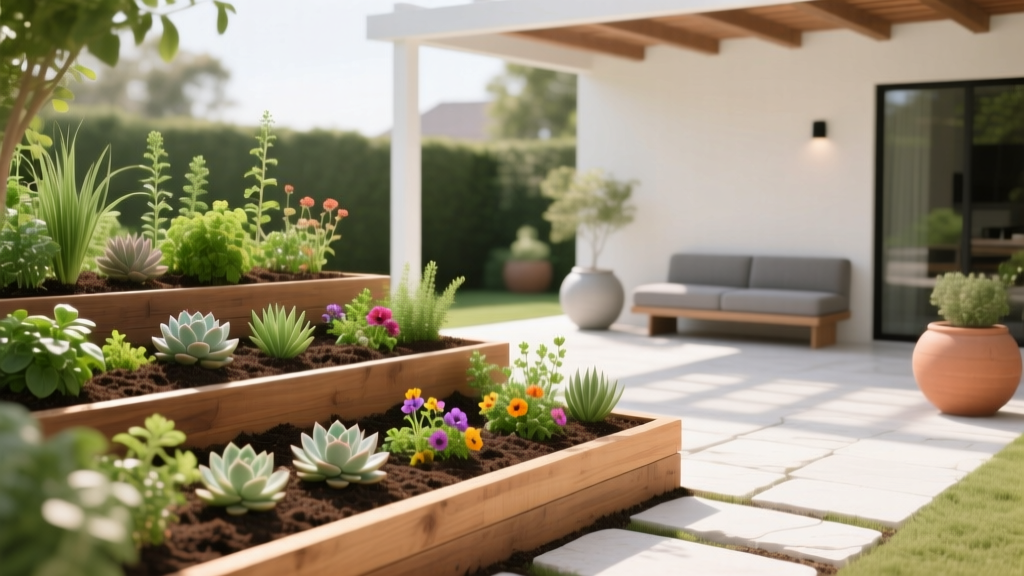 How to Design a No Dig Garden - The Decor Mag