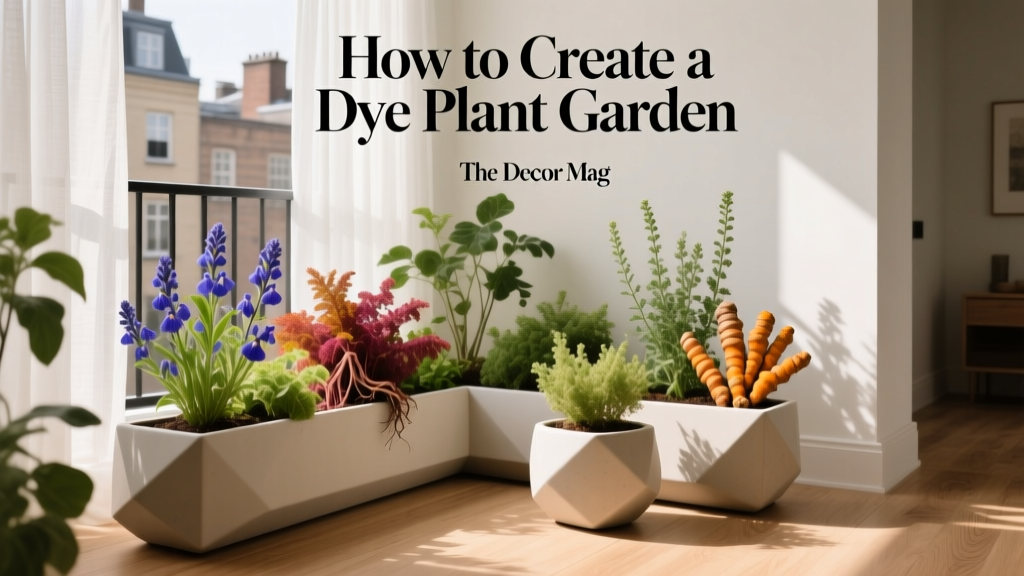
How to Create a Dye Plant Garden - The Decor Mag
A dye plant garden is one of the rare outdoor projects that looks beautiful, supports pollinators, and gives you a hands-on craft ingredient right from your yard. Instead of planting purely for blooms, you’re designing an outdoor living space that produces color—petal, leaf, bark, and root pigments that can be used for natural dyeing on fabric, yarn, and even paper. The result is a garden that feels purposeful and immersive, whether you’re sipping coffee on the patio or harvesting a basket of marigolds for a weekend dye bath.
For homeowners who love patio living and landscape design, dye plants are also a smart way to add layered texture and seasonal interest. Many dye plants are drought-tolerant, bee-friendly, and hardy. With thoughtful layout, you can keep your garden looking intentional (not “crafty chaos”) and integrate it with seating, pathways, and outdoor entertaining zones. You’ll enjoy color in the landscape and color you can literally take indoors.
This guide walks through planning, design approaches, plant suggestions, materials, maintenance, and common pitfalls—so you can build a dye garden that feels like a polished outdoor room and performs like a productive cutting garden.
What Is a Dye Plant Garden (and Why It Elevates Outdoor Living)
A dye plant garden is a curated planting bed (or series of beds and containers) focused on plants that yield pigments. Some provide strong color from flowers (marigold, coreopsis), others from leaves (indigo), and a few from roots (madder) or seed heads (weld, tannin-rich plants). The best dye gardens balance:
- Beauty: color, form, and movement throughout the seasons
- Function: predictable harvests for dyeing and crafting
- Outdoor design: clean edges, paths, seating, and easy access to water
- Habitat: pollinator support and biodiversity
Plan Your Dye Garden Like an Outdoor Room
Choose the Right Location
Most dye plants perform best in full sun (6–8+ hours). Before you plant, evaluate:
- Sun exposure: prioritize southern or western light for maximum pigment-producing blooms
- Water access: a hose bib nearby makes harvesting and cleanup easier
- Visibility: place it where you’ll enjoy it daily—near a patio, pergola, or kitchen door
- Wind: taller plants (sunflowers, hollyhocks) benefit from a fence line, trellis, or sheltered edge
Decide on a Layout: Beds, Borders, or Containers
Match the garden style to your space and how you use your yard:
- Raised beds: best for tidy outdoor design, easy harvesting, and controlling soil. Ideal for patios and small yards.
- Border planting: integrate dye plants into existing landscaping for a seamless “garden-to-lounge” transition.
- Container dye garden: perfect for patios, decks, and renters—especially for indigo in warm climates or annual flower dyes.
Design tip: Think in “zones.” Keep messy harvesters (like coreopsis and marigolds) close to a path and away from formal seating areas, while using taller statement plants to frame views and provide privacy.
Recommended Dimensions and Spacing
- Raised bed size: 4' x 8' is a versatile starter; 2'–3' wide beds work well in tight patio gardens.
- Path width: 30"–36" for comfortable walking with a basket; 42" if you want wheelbarrow access.
- Edging: steel edging or brick keeps dye beds crisp and prevents spillover into lawn or gravel.
Design Style Ideas That Look Intentional (Not Like a Test Plot)
1) Modern Kitchen-Garden Grid
Create a clean-lined dye garden that complements modern outdoor furniture and hardscaping:
- Use rectangular raised beds with decomposed granite or gravel paths
- Add a simple trellis for climbing supports (and visual height)
- Repeat plant groupings for rhythm: three clumps of calendula, three of coreopsis, etc.
2) Cottage Dye Border with Pollinator Power
If your home leans traditional or farmhouse, blend dye plants into a layered border:
- Tall in back: sunflowers, hollyhocks
- Mid-layer: cosmos, yarrow, rudbeckia
- Front edge: calendula, marigold, herbs
3) Patio Container Dye Studio
Turn part of your patio into a functional craft corner:
- Use large planters (15–25 gallons) for indigo (warm climates) or mixed annual dye flowers
- Choose glazed ceramic for a refined look or galvanized stock tanks for a rustic vibe
- Add a small potting bench for snipping, bundling, and drying
Best Dye Plants to Grow at Home (With Color Results)
Pick plants based on your climate, space, and the palette you want to create. These are homeowner-friendly and visually strong in the landscape.
Easy Annual Dye Flowers (Great for Beginners)
- Calendula (Calendula officinalis): yellow to warm gold; long bloom season; excellent edging plant
- French/African marigold (Tagetes spp.): yellow to orange; robust, heat-tolerant; great for bold color blocks
- Coreopsis (Coreopsis tinctoria): golden yellows and rusty tones; airy and meadow-like
- Cosmos (Cosmos sulphureus): oranges and warm yellows; tall, graceful, excellent for soft screening
- Sunflowers (Helianthus annuus): yellows, greens, and soft browns depending on variety and modifiers; doubles as a privacy screen
Perennials for a Long-Term Dye Garden
- Yarrow (Achillea millefolium): soft yellows to tan; drought-tolerant; great for naturalistic landscaping
- Rudbeckia (Black-eyed Susan): golden tones; sturdy and reliable
- Hollyhock (Alcea rosea): can produce interesting tones; also adds vertical cottage charm
- Japanese indigo (Persicaria tinctoria): leaf-based blue dye in warm seasons; typically grown as an annual in many climates
Advanced (But Rewarding) Dye Plants
- Madder (Rubia tinctorum): root-based reds; needs patience (often 2–3 years for strong roots)
- Woad (Isatis tinctoria): cool-climate option for blue; can reseed aggressively in some regions
- Weld (Reseda luteola): one of the strongest natural yellows; upright, architectural form
Planting strategy: Start with a core palette (calendula + marigold + coreopsis) and add one “specialty” plant (Japanese indigo or madder) once you’ve learned your site’s sun and watering patterns.
Soil, Mulch, and Materials That Make the Garden Thrive
Soil Basics
- Raised beds: fill with a blend of quality topsoil + compost (aim for a fluffy, well-draining texture)
- In-ground beds: amend with 2"–3" of compost before planting
- pH: most dye plants are happy around neutral; focus more on drainage and fertility than chasing exact pH numbers
Mulch Choices (Practical + Beautiful)
- Shredded bark mulch: neat look, helps retain moisture, works well around perennials
- Straw: budget-friendly for annual beds (can look rustic, less formal)
- Leaf mold: excellent soil-building mulch if you compost your fall leaves
Hardscape and Edging Recommendations
For a polished outdoor living feel, anchor the dye garden with durable materials:
- Path material: decomposed granite, pea gravel, or brick pavers
- Bed edging: steel edging (sleek), brick (classic), or cedar boards (warm, natural)
- Watering: drip irrigation with a timer for consistent blooms and less maintenance
Furniture and Outdoor Living Add-Ons for a “Dye Garden Patio”
A dye garden becomes more than a planting bed when you create a comfortable spot to enjoy it—and a functional area for harvesting and drying.
Furniture That Works Near Harvest Beds
- Powder-coated aluminum bistro set: lightweight, weather-resistant, easy to move while you work
- Teak bench: timeless, handles sun and moisture well, looks great against flowering dye borders
- Outdoor side table: for garden shears, twine, and a harvest basket
Functional Features Worth Adding
- Potting bench or slim console table: choose stainless, cedar, or sealed hardwood for durability
- Drying rack: a wall-mounted rack under a covered patio or pergola makes flower drying easy
- Shade: a market umbrella or pergola helps you work comfortably in summer and extends patio living time
- Lighting: low-voltage path lights or warm string lighting for evening garden ambiance
Budget Ranges (Realistic Homeowner Planning)
- Starter dye garden (containers + seeds): $75–$250
- Small raised bed setup (one 4' x 8' bed + soil + plants): $300–$900
- Designed garden zone (2–3 beds, paths, drip irrigation, seating): $1,200–$4,000+
Seasonal Planting and Year-Round Enjoyment
Dye gardens shine when you plan for a long season of color—both in the landscape and in your dye pot.
Spring
- Sow calendula and coreopsis once temperatures are mild
- Refresh mulch and top-dress beds with compost
- Set up drip irrigation before plants fill in
Summer
- Harvest flowers regularly to encourage more blooms
- Provide deep watering during heat waves; morning watering helps reduce stress
- Use shade structures on patios to keep outdoor living comfortable
Fall
- Collect seed heads (sunflower, marigold) for next year
- Cut back spent annuals and compost disease-free material
- Add cool-season interest nearby (ornamental kale, pansies) to keep the patio view fresh
Winter
- Focus on structure: evergreen pots, clean bed edges, and tidy paths
- Plan next year’s palette and order seeds early
- If you have a covered patio, keep a small drying/organizing station for stored botanicals
Climate and Maintenance Considerations
- Hot, dry climates: prioritize yarrow, marigold, and mulch heavily; use drip irrigation to reduce evaporation
- Humid climates: increase spacing for airflow; water at soil level to reduce mildew
- Cold climates: focus on annual dye flowers and hardy perennials; start seeds indoors for a head start
- Windy sites: stake tall plants and use a fence, hedge, or trellis as a windbreak
Maintenance rhythm (easy to follow):
- Weekly: deadhead/harvest blooms, check irrigation, do a quick weed sweep
- Monthly: light compost top-dressing for heavy bloomers, inspect for pests
- Seasonally: refresh mulch, rotate annual planting areas if possible, clean tools and storage bins
Common Mistakes to Avoid
- Planting everything at once without a layout: dye gardens can look chaotic fast. Repeat groups and define edges.
- Ignoring access: if you can’t comfortably reach plants to harvest, you won’t use them. Add paths and keep beds narrow enough to reach the center.
- Overwatering: many dye plants prefer deep, infrequent watering. Soggy soil reduces vigor and blooms.
- Not labeling: varieties matter, and you’ll forget what’s what by mid-season. Use weatherproof plant labels.
- Letting aggressive reseeders run wild: some dye plants can spread. Deadhead or contain them in defined beds.
- Skipping succession planting: sow a second round of quick bloomers (like calendula) to extend harvest into late summer/fall.
FAQ: Dye Plant Gardens for Home Landscapes
How big does a dye plant garden need to be?
You can start with a few pots on a patio. A single 4' x 8' raised bed is enough to grow multiple dye flowers for steady harvesting, especially if you focus on long-blooming plants like calendula and marigolds.
Do dye plants attract bees and butterflies?
Yes—many dye plants are excellent pollinator plants. Calendula, coreopsis, cosmos, and yarrow are especially attractive and add life and movement to outdoor living spaces.
Can I mix dye plants with ornamentals and herbs?
Absolutely. A mixed border looks more like intentional landscaping. Pair dye flowers with herbs (lavender, rosemary in warm climates) and structural ornamentals (ornamental grasses) for a designed, patio-friendly look.
What’s the easiest dye color to make at home?
Yellows and golds are the most beginner-friendly and reliable. Marigolds, calendula, and coreopsis produce strong warm tones with minimal fuss.
Will a dye garden look good in winter?
With smart design, yes. Keep evergreen containers near the patio, maintain crisp edging, and leave a few upright seed heads or ornamental grasses for winter structure (while cleaning up anything that looks messy near seating areas).
Do I need special equipment for harvesting?
No. Start with sharp garden snips, a basket, twine, and paper bags for drying. If you plan to expand into dyeing, you’ll eventually want dedicated pots and tools for craft use, but the garden itself doesn’t require specialized gear.
Actionable Next Steps: Build Your Dye Garden This Season
- Pick a sunny spot near your patio or a path you use daily.
- Choose a tidy layout: one raised bed, a defined border, or 3–5 coordinated containers.
- Start with reliable plants: calendula + marigold + coreopsis, then add one specialty plant like Japanese indigo if your climate allows.
- Invest in structure: edging, a simple gravel path, and drip irrigation for low-maintenance success.
- Add one comfort upgrade: a teak bench, bistro chair, or shaded working nook so you’ll spend more time outside.
A dye plant garden is where landscaping meets lifestyle—colorful, productive, pollinator-friendly, and genuinely fun to use. For more patio living inspiration, garden layouts, and outdoor design ideas, explore the latest guides on thedecormag.com.
More Articles
 Best Outdoor Bar Cheese Board Display - The Decor Mag
 Best Outdoor Coffee Table Materials - The Decor Mag
 Practical & Aesthetic Wood Storage Ideas for Outdoor Living Spaces
 Outdoor Refrigerator and Ice Maker Setup - The Decor Mag
 Best Outdoor Bar Vinegar Collection Display - The Decor Mag
 Kitchen Design Tools Checklist: Essential Instruments for Precision, Efficiency, and Professional Results
 How to Design a Candlelit Garden Path - The Decor Mag
 Outdoor Kitchen Power Burner Installation - The Decor Mag
 Outdoor Fireplace and Fire Pit Ideas - The Decor Mag
 How to Design a Moonlight Garden - The Decor Mag