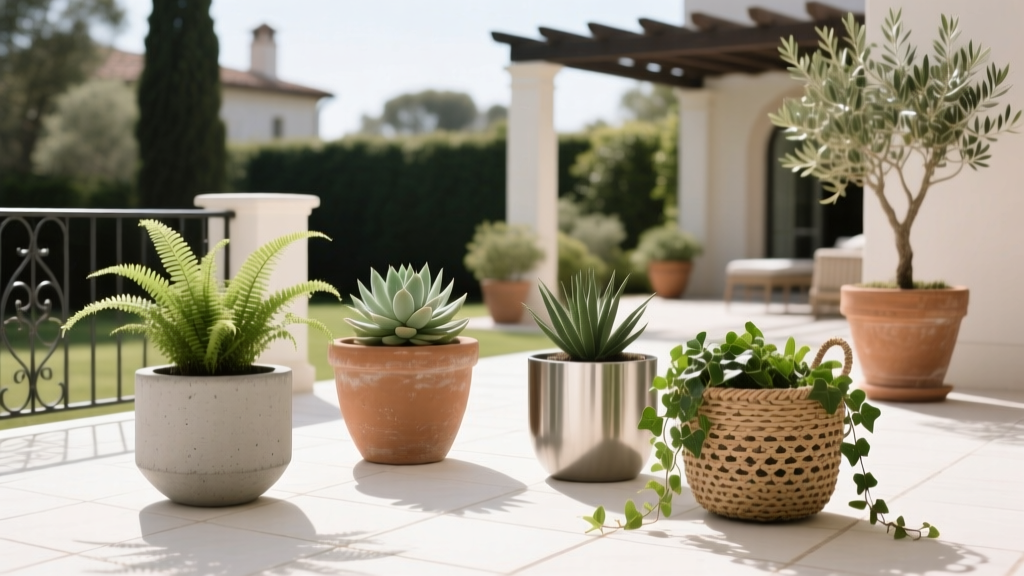
Best Outdoor Planters for Every Style - The Decor Mag
Outdoor planters do far more than hold plants. They shape how a patio feels, guide foot traffic through a garden, frame a front entry, and add color and texture when your landscape is between bloom cycles. The right planter can make a small balcony feel designed, turn a plain deck into a lush outdoor living room, and instantly elevate curb appeal without a full landscaping renovation.
For homeowners building a more inviting patio living setup, planters are one of the most flexible design tools you can buy. They’re also practical: you can control soil quality, improve drainage, protect delicate plants from pests, and move seasonal displays as sunlight shifts. Whether your style is modern, coastal, farmhouse, or classic, there’s a planter material and shape that fits—and performs—beautifully year-round.
This guide breaks down the best outdoor planters for every style, with expert tips on materials, sizing, plant pairings, layouts, climate considerations, and common mistakes to avoid—so your outdoor space looks intentional in every season.
How to Choose Outdoor Planters That Look Great and Last
Start with function: placement, scale, and drainage
- Placement: Entryway, pool deck, patio corners, stair landings, along a fence, or as a privacy screen on a balcony.
- Scale: Bigger usually looks better outdoors. As a rule, go larger than you think—especially on spacious patios and open yards.
- Drainage: Outdoors, drainage holes are non-negotiable (unless you’re using a cachepot system with an inner pot).
- Weight: Consider wind exposure and whether you’ll need to move planters seasonally.
Match material to your climate and lifestyle
- Freeze/thaw climates: Prioritize fiberglass, high-fired ceramic labeled frost-resistant, concrete (sealed), or quality resin.
- Hot/sunny climates: Lighter colors reduce root heat stress; avoid thin metal in full sun unless you insulate the interior.
- Coastal areas: Choose fiberglass, resin, teak/wood with marine-grade finish, or glazed ceramic; avoid untreated steel.
- Low-maintenance households: Self-watering planters or large-volume pots reduce watering frequency.
Budget ranges to plan for
- Budget-friendly: $25–$80 per planter (resin, basic terracotta, lightweight plastic, small concrete)
- Mid-range: $80–$250 (fiberglass, better resin, larger terracotta, many glazed ceramics)
- Investment pieces: $250–$800+ (oversized fiberglass, artisan glazed pottery, cast stone, designer concrete)
Best Outdoor Planters by Style (With Plant and Layout Ideas)
Modern Minimalist: clean lines, bold structure
Modern outdoor design thrives on strong geometry and intentional repetition. Choose planters with crisp edges and matte finishes, and let foliage shapes do the decorating.
- Best materials: Fiberglass (matte black/white/charcoal), powder-coated aluminum, smooth cast concrete
- Best shapes: Tall rectangular troughs, cubes, low bowls, slim columns
- Great plant pairings:
- Boxwood spheres or Japanese holly (evergreen structure)
- Snake plant (warm climates or protected areas)
- Phormium (New Zealand flax), agave, or yucca for architectural lines
- Ornamental grasses like fountain grass or blue fescue for movement
Layout tip: For a sleek patio living look, use matching trough planters to create a “green wall” behind a lounge set. Repeat the same planter style in 3–5 units for a designer rhythm.
Coastal and Beachy: airy, relaxed, salt-friendly
Coastal style is light, layered, and breezy. Think sunwashed finishes, soft neutrals, and plants that look great swaying in the wind.
- Best materials: Resin wicker-look planters, fiberglass, glazed ceramic in sea-glass hues, teak planters
- Best colors: White, sand, pale gray, ocean blues, driftwood tones
- Great plant pairings:
- Lavender, rosemary, and salvia (fragrant and drought-tolerant)
- Sweet potato vine for trailing softness
- Cordyline, palms (in warm zones), and grasses like muhly grass
- Hydrangeas in large pots for classic coastal cottage charm (more water needed)
Climate note: In salty air, avoid unsealed terracotta and low-grade metal. Choose corrosion-resistant materials and rinse planters occasionally to reduce salt buildup.
Farmhouse and Rustic: texture, warmth, and timeless charm
Farmhouse outdoor decor leans on natural textures and a lived-in feel—perfect for porches, kitchen gardens, and casual patios.
- Best materials: Terracotta, galvanized steel (with liners), cedar/wood planters, whiskey barrel planters
- Best shapes: Half barrels, classic tapered pots, wide bowls for herbs
- Great plant pairings:
- Herbs: basil, thyme, oregano, chives (easy and useful)
- Geraniums, petunias, calibrachoa for long bloom
- Small citrus trees in warm climates (or overwinter indoors)
- Mix in edibles: lettuce, peppers, compact tomatoes in larger containers
Design tip: Group three planters of different heights near a porch swing or rocking chairs. Add a lantern and an outdoor rug to create a cozy outdoor living vignette.
Traditional and Classic: symmetry and evergreen elegance
Classic landscapes love balance. Matching planters at a front door or at the ends of a garden path create instant curb appeal.
- Best materials: Cast stone, high-quality resin in stone finishes, glazed ceramic, concrete (sealed)
- Best shapes: Urns, pedestal planters, fluted pots, large round planters
- Great plant pairings:
- Boxwood or dwarf spruce for year-round structure
- Seasonal color swaps: pansies in spring/fall, begonias in summer
- Spikes or dracaena for height in warm seasons
- Ivy or creeping jenny to trail over the rim
Layout tip: For front entry planters, aim for pots that are about one-third to one-half the height of your door for balanced proportions.
Boho and Eclectic: layered color and collected character
Boho patios are all about personality—mixing materials, patterns, and plants that spill and cascade.
- Best materials: Colorful glazed ceramics, patterned cement pots, terracotta, baskets with waterproof liners (covered patios)
- Best shapes: Rounded pots, footed planters, shallow bowls for mixed succulents
- Great plant pairings:
- Trailing plants: pothos (shade/protected), string of pearls (bright light), bacopa
- Bold foliage: coleus, caladium (warm seasons), elephant ear in larger pots
- Succulent mixes for sunny patios with low watering needs
Design tip: Stick to a consistent color family (terracotta + teal + cream, for example) so the mix feels curated rather than chaotic.
Small Space and Balcony: big impact in a tight footprint
If you’re working with a compact patio or balcony, planters can replace bulky landscaping and even act as privacy screens.
- Best materials: Lightweight fiberglass/resin (easier to move), railing planters, vertical planters
- Best shapes: Narrow troughs, tall planters, wall-mounted pockets (protected areas)
- Great plant pairings:
- Clumping bamboo (non-invasive varieties) for privacy in large troughs
- Columnar evergreens like Sky Pencil holly (where hardy)
- Compact hydrangeas or dwarf conifers for structure
- Herbs and strawberries for edible patio living
Layout tip: Create zones with planters: one corner for dining, one for lounging, and a planter row to define the boundary—like “green architecture” for your outdoor living space.
Planting Design Formulas That Always Look Professional
The classic “thriller, filler, spiller” formula
- Thriller: one tall focal plant (dracaena spike, grass, small evergreen)
- Filler: medium plants that add fullness (petunias, coleus, lantana, begonias)
- Spiller: trailing plants over the rim (sweet potato vine, ivy, creeping jenny)
Evergreen backbone + seasonal swap (best for year-round outdoor living)
- Use a small evergreen shrub in the center (boxwood, dwarf spruce, hebe in mild climates).
- Rotate seasonal color around it:
- Spring: pansies, violas, bulbs (in cachepots)
- Summer: calibrachoa, lantana, geraniums
- Fall: mums, ornamental kale, asters
- Winter: cut greens, berries, twigs, and outdoor-safe string lights
Material Guide: What to Buy (and What to Avoid)
Fiberglass
- Pros: Lightweight, modern look, frost-resistant options, great for large planters
- Cons: Cheaper versions can fade or crack; choose UV-stable finishes
- Best for: Rooftops, balconies, contemporary patios, moving planters seasonally
Terracotta
- Pros: Breathable (great for many plants), warm natural style, affordable
- Cons: Can crack in freeze/thaw; dries out faster in summer
- Best for: Mediterranean, farmhouse, herb gardens, covered patios in cold zones
Concrete and cast stone
- Pros: Heavy (wind-resistant), classic look, great for anchoring entries
- Cons: Heavy to move; may require sealing; can chip if mishandled
- Best for: Traditional landscapes, large yards, front door planters
Glazed ceramic
- Pros: Colorful, elevated style, great focal point
- Cons: Must be frost-rated for cold climates; can be heavy and fragile
- Best for: Boho, coastal, classic accent planters near seating areas
Metal (steel, corten, aluminum)
- Pros: Sleek, architectural, great for modern designs; corten adds warm patina
- Cons: Can heat soil in full sun; rust risk in coastal climates (unless designed for it)
- Best for: Contemporary patios, structured privacy screens (with liner and irrigation plan)
Climate and Maintenance Tips for Healthy Container Plants
- Use pot feet or risers: Keeps drainage holes from clogging on patios and helps prevent winter cracking.
- Choose the right soil: Use a quality container potting mix (not garden soil). Add perlite for extra drainage if needed.
- Water smarter: In peak summer heat, containers may need daily watering. Early morning watering reduces evaporation.
- Fertilize lightly but consistently: Slow-release fertilizer at planting time + liquid feed every 2–4 weeks for heavy bloomers.
- Mulch the top: A thin layer of mulch or decorative gravel helps retain moisture and looks finished.
- Winter strategy (cold climates): Move tender plants into a garage/sunroom; use evergreen arrangements outdoors; avoid letting pots sit in standing water.
Outdoor Planter Layout Ideas for Patios, Gardens, and Yards
1) Frame the entry for instant curb appeal
- Use two matching planters flanking the door or gate.
- Pick evergreens for structure; add seasonal color in a ring around them.
2) Create privacy on a patio
- Line up rectangular troughs behind seating.
- Plant tall grasses, clumping bamboo, or columnar shrubs.
3) Soften hardscape edges
- Place low, wide planters along a pool deck, retaining wall, or steps.
- Use spillers to cascade and reduce “hard lines.”
4) Build a “container garden” for flexible landscaping
- Mix 5–9 planters in two or three materials for cohesion.
- Repeat one plant (like a grass) across multiple pots to unify the look.
Common Mistakes to Avoid
- Choosing planters that are too small: Undersized pots dry out fast and look out of proportion in outdoor spaces.
- Skipping drainage: “No-hole” planters outdoors often lead to root rot unless used as decorative sleeves.
- Using garden soil in containers: It compacts, drains poorly, and stresses roots.
- Ignoring sun exposure: A “full sun” plant on a shady porch won’t thrive, and shade plants scorch on a blazing patio.
- Mixing too many styles at once: Keep a tight palette—two planter materials and one accent finish usually looks best.
- Not planning for growth: Give shrubs and grasses enough root space so they don’t become root-bound mid-season.
FAQ: Outdoor Planters
What are the best outdoor planters for full sun?
Fiberglass, sealed concrete, and UV-stable resin perform well. Choose lighter colors to reduce heat, and pair with sun-loving plants like lantana, rosemary, salvia, ornamental grasses, and many succulents.
What size planter do I need for a small tree or shrub?
Aim for at least 18–24 inches wide for compact shrubs, and 22–30+ inches wide for small trees (like olive, citrus in warm zones, or dwarf conifers). Bigger containers buffer temperature swings and reduce watering frequency.
How do I keep outdoor planters from cracking in winter?
Use frost-rated materials, elevate pots with feet, and ensure excellent drainage. Don’t let pots sit in saucers of water during freeze/thaw cycles. In harsh climates, move sensitive materials (non-frost-rated ceramic/terracotta) under cover.
Are self-watering planters worth it for patios?
Yes—especially for sunny patios, busy schedules, and thirsty annuals. They help stabilize moisture and reduce daily watering, but still check levels during heat waves.
What are the best low-maintenance plants for outdoor containers?
Try dwarf evergreens (boxwood, small spruce), ornamental grasses, lavender, rosemary, sedum, and hardy geraniums (perennial types). Match the plant to your light exposure for true low maintenance.
How many planters should I use on a patio?
For most patio living spaces, 3–7 planters creates a styled look without clutter. Start with two large anchors (corners or entry), then add one to three medium planters near seating and one trailing accent.
Next Steps: Choose a Style, Pick a Palette, Plant for the Seasons
Start by identifying your outdoor style (modern, coastal, farmhouse, classic, or eclectic), then choose a planter material that suits your climate and maintenance preferences. Invest in two larger “anchor” planters first—at the entry, along a patio edge, or beside your outdoor seating—then build out with smaller accents and seasonal plant swaps for year-round outdoor living.
For more patio design inspiration, landscaping tips, and outdoor living ideas, explore the latest guides on thedecormag.com.
More Articles
 Outdoor Gazebo with Screen Curtains - The Decor Mag
 Outdoor Kitchen Gas Line Planning - The Decor Mag
 How to Create a Rock Garden - The Decor Mag
 How to Design a Mediterranean Courtyard - The Decor Mag
 Best Outdoor Bar Cheese Board Display - The Decor Mag
 How to Create a Three Sisters Garden - The Decor Mag
 Outdoor Pergola Wind Light Lantern Hooks - The Decor Mag
 Best Outdoor Bar Charcuterie Station - The Decor Mag
 How to Design a Moonlight Garden - The Decor Mag
 Best Outdoor Bar Muddler and Jigger Storage - The Decor Mag