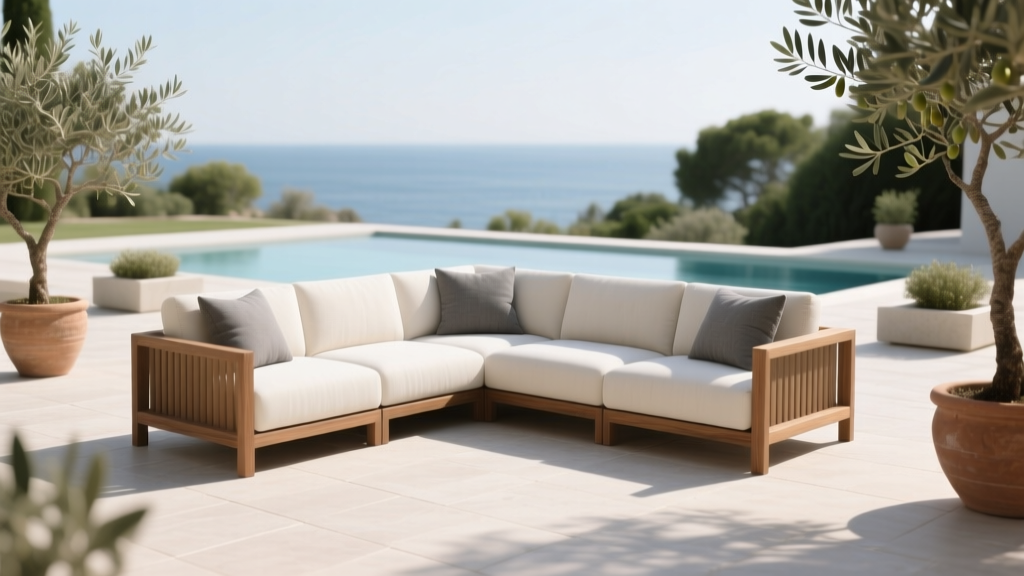
Best Outdoor Sectional Sofa Sets - The Decor Mag
An outdoor sectional sofa set can change the way you use your patio, deck, or backyard—turning “outside” into a true second living room. When seating is generous and comfortable, you linger longer: morning coffee becomes a ritual, weeknight dinners stretch into stargazing, and gatherings feel effortless because everyone has a spot.
Sectionals also bring structure to outdoor living spaces. They define zones in an open yard, anchor a fire pit or coffee table, and create a natural flow between grilling, dining, and lounging. With today’s weather-ready materials and performance fabrics, you can design a space that looks refined and stays functional across seasons—without babying every cushion.
This guide breaks down the best outdoor sectional sofa sets by material, layout, and climate, with practical buying tips, design ideas, plant pairings, and common mistakes to avoid so your outdoor furniture investment lasts.
What Makes an Outdoor Sectional “The Best”?
The best outdoor sectional sofa set isn’t just the prettiest. It fits your space, matches your lifestyle, holds up to your climate, and feels great to sit on for hours. Use these criteria to compare patio sectional sets:
- Frame durability: Powder-coated aluminum, quality teak, and HDPE lumber outperform cheaper steel or softwoods outdoors.
- Weather-resistant cushions: Quick-dry foam and solution-dyed acrylic fabrics (like Sunbrella-style performance fabric) resist fading and mildew.
- Modular flexibility: Pieces that rearrange (armless chairs, corner units, ottomans) adapt to entertaining, movie nights, and solo lounging.
- Comfort proportions: Look for deeper seats (22–26 inches) for lounging; slightly shallower (20–22 inches) for more upright, conversation-friendly seating.
- Realistic maintenance: A set you’ll cover, clean, and store properly is better than the “perfect” set you won’t maintain.
Top Outdoor Sectional Sofa Set Types (And Who They’re Best For)
1) Powder-Coated Aluminum Sectionals (Best All-Around)
Aluminum frames are lightweight, rust-resistant, and easy to move when you’re reworking your patio layout. Powder coating adds color stability and helps protect against scratches and corrosion.
Best for: Rainy climates, coastal regions (with proper care), homeowners who like to rearrange seating.
Look for:
- Fully welded joints (or high-quality hardware)
- Wide, stable feet (less wobble on pavers or decking)
- Quick-dry cushion construction and zippered covers
Budget range: $1,200–$4,500+ depending on size and fabric.
2) Teak Sectionals (Best for Timeless Outdoor Style)
Teak is a premium outdoor wood with natural oils that help resist moisture and pests. It weathers to a soft silver-gray patina, which looks beautiful in garden settings and modern landscapes alike.
Best for: Year-round outdoor living, design-forward patios, homeowners who prefer natural materials.
Maintenance notes: You can let teak patina naturally or use teak cleaner and a sealer to maintain a warmer honey tone. Avoid power washing—it can damage the grain.
Budget range: $2,500–$8,000+ for high-quality teak modular sets.
3) All-Weather Wicker/Resin Sectionals (Best for Cozy Texture)
PE resin wicker over aluminum frames is the outdoor standard. It offers a relaxed, resort-like look and pairs well with lush landscaping.
Best for: Covered patios, screened porches, and homeowners who want texture and softness.
What to avoid: Steel frames (can rust from the inside out), bargain wicker that becomes brittle or frays after a couple of seasons.
Budget range: $900–$3,500+ depending on weave quality and cushion upgrades.
4) HDPE “Poly Lumber” Sectionals (Best for Low Maintenance)
HDPE outdoor furniture (often called poly lumber) is made from high-density polyethylene. It doesn’t rot, splinter, or need refinishing, and it handles sun and moisture exceptionally well.
Best for: High-sun yards, pool areas, and homeowners who want minimal upkeep.
Design tip: Choose streamlined silhouettes and neutral colors (slate, sand, white, black) for a modern outdoor living space that doesn’t feel bulky.
Budget range: $2,000–$6,000+ for sectional configurations.
5) Concrete or Stone-Look Modular Sectionals (Best for Modern, Windy Sites)
Some modern outdoor lounge sets use composite or concrete-look bases paired with thick cushions. They feel architectural and won’t shift around in gusty conditions.
Best for: Contemporary patios, rooftop terraces, and windy climates.
Watch-outs: Weight (hard to move), heat retention in full sun, and the need for serious cushion storage during storms.
Budget range: $3,000–$10,000+ depending on brand and materials.
Choosing the Right Sectional Layout for Your Patio
Outdoor sectional sofa sets come in a few core shapes. Select based on traffic flow, sightlines, and how you entertain.
Popular configurations
- L-shape: The most versatile for patios and decks; great for corner placement to open up walkways.
- U-shape: Ideal for larger yards and conversation seating around a fire pit or coffee table.
- Modular/curved: Perfect for flexible outdoor living areas or unusual patio footprints.
- Sectional + chaise: Best for lounging-heavy households (reading, naps, movie nights).
Easy spacing rules that prevent crowding
- Leave 30–36 inches for main walkways behind or around the sectional.
- Keep 14–18 inches between sofa edge and coffee table for comfortable reach.
- For fire pits, follow manufacturer clearance guidance; commonly 24–36 inches from flame/heat source depending on type.
Design layouts that work in real backyards
- Conversation zone: L-shaped sectional + two lightweight accent chairs to balance seating and keep the space adaptable.
- Entertainer’s flow: Sectional facing outward toward the yard, with a clear path to the grill/outdoor kitchen and dining table.
- Small patio solution: Compact 3–5 piece modular set + nesting side tables, positioned against a wall or railing to maximize floor area.
Materials & Fabric Recommendations That Actually Last
Best frame materials for outdoor furniture
- Powder-coated aluminum: Lightweight, rust-resistant, ideal for most climates.
- Grade-A teak: Premium, naturally weather-resistant; stunning with plants and stone.
- Stainless steel (high grade): Sleek and strong, but can show fingerprints and may need more care near salt air.
- HDPE lumber: Ultra low-maintenance, great for harsh sun and wet weather.
Cushions: the upgrade worth paying for
- Solution-dyed acrylic: Top choice for fade resistance (great for sunny patios).
- Olefin: Good performance at a lower price point; solid for covered areas or moderate sun exposure.
- Quick-dry foam: Helps cushions recover after rain; ideal for uncovered patios.
- Removable covers: Zippers make seasonal cleaning and storage easier.
Color and pattern that stays stylish
- Base neutrals: Sand, oatmeal, warm gray, or charcoal make a sectional look high-end and pair with any landscaping.
- Accent strategy: Add personality with outdoor pillows in terracotta, deep green, navy, or coastal stripes.
- Fade-hiding tip: Heathered fabrics and subtle patterns disguise pollen, dust, and sunscreen marks.
Climate & Seasonal Considerations for Year-Round Outdoor Living
Hot, sunny climates
- Prioritize solution-dyed acrylic cushions to prevent fading.
- Choose lighter cushion colors to reduce heat buildup.
- Add shade: pergola, cantilever umbrella, or shade sail to protect both people and fabric.
Rainy or humid climates
- Look for quick-dry foam and breathable cushion construction.
- Avoid cheap wicker and untreated woods that can trap moisture and mildew.
- Plan a drying zone: a covered corner or storage bench to move cushions during storms.
Coastal and salt-air locations
- Opt for powder-coated aluminum or HDPE; rinse furniture periodically to reduce salt residue.
- Use stainless hardware where possible (ask before buying).
- Keep covers breathable—trapped moisture accelerates corrosion.
Cold winters and freeze-thaw cycles
- Store cushions indoors or in a sealed deck box during winter.
- Use furniture covers that fit well and won’t flap in wind (flapping = abrasion).
- If you want winter usability, add a fire pit table, outdoor-rated throw blankets, and a windbreak (lattice panel, hedge, or slatted screen).
Styling Your Outdoor Sectional: Plants, Lighting, and Finishing Touches
Plant pairings that make the seating area feel lush
Strategic planting softens hard surfaces and makes patio living feel intentional. Use a mix of heights and textures around your sectional:
- For sunny patios: Lavender, salvia, rosemary, dwarf ornamental grasses (like blue fescue), succulents in modern pots.
- For part shade: Hydrangea (where climate allows), hosta, ferns, heuchera (coral bells) for colorful foliage.
- For privacy: Clumping bamboo (non-invasive varieties suited to your region), podocarpus, arborvitae, or tall ornamental grasses.
- For fragrance near seating: Jasmine (trellis), gardenia (warm climates), thyme or mint in containers (mint contained to prevent spreading).
Outdoor rug + tables: the “living room” formula
- Choose a flat-weave polypropylene rug for easy cleaning and mildew resistance.
- Pair the sectional with one coffee table or two nesting tables for flexibility.
- For tight spaces, use slim C-tables that slide under seat fronts.
Lighting that extends patio season
- String lights for ambiance (warm white looks elevated).
- Path lighting along walkways for safety and curb appeal.
- Portable LED lanterns on side tables for flexible glow.
- Uplighting on trees or tall shrubs to add depth behind the sectional.
Best Budget Ranges (What to Expect for Outdoor Sectional Sofa Sets)
- Under $1,200: Smaller resin-wicker sets or basic aluminum frames; expect thinner cushions and shorter lifespan. Best on covered patios with diligent care.
- $1,200–$2,500: Sweet spot for many homeowners—better frames, improved fabrics, more modular options.
- $2,500–$5,000: Premium aluminum, upgraded cushions, better warranties, more refined design details.
- $5,000+: High-end teak, designer modular systems, or architectural concrete-look sets meant to anchor luxury outdoor living spaces.
Maintenance Tips to Keep Your Patio Sectional Looking New
- Cover smart: Use breathable covers; avoid trapping moisture after rain—let cushions dry before covering.
- Monthly rinse: A quick hose-down removes pollen, dust, and salt residue (especially in coastal areas).
- Spot clean fast: Mild soap + water for sunscreen or food spills; rinse thoroughly.
- Deep clean seasonally: Wash cushion covers if manufacturer allows; air dry completely.
- Protect the layout: Use furniture pads on pavers/decks to prevent wobble and scratching.
Common Mistakes to Avoid When Buying an Outdoor Sectional
- Choosing style over scale: A sectional that’s too large chokes the patio and ruins flow. Measure first, then tape the footprint on the ground.
- Ignoring cushion construction: Fabric matters, but foam quality determines comfort and how quickly cushions bounce back after rain.
- Buying for “someday” entertaining: Prioritize your daily use pattern. If it’s mostly two people lounging, a smaller modular set + ottoman may be perfect.
- Skipping shade planning: Even the best outdoor fabrics last longer with a pergola, umbrella, or strategic tree canopy.
- Forgetting storage: If you don’t have a dry place for cushions, invest in quick-dry cushions and a deck box from day one.
FAQ: Outdoor Sectional Sofa Sets
What is the most weather-resistant material for an outdoor sectional?
Powder-coated aluminum and HDPE (poly lumber) are among the most weather-resistant overall. For natural wood lovers, high-quality teak performs exceptionally well outdoors with appropriate care.
Is outdoor wicker a good choice for uncovered patios?
It can be, as long as it’s PE resin wicker over an aluminum frame with high-quality cushions. In heavy rain or high humidity, you’ll get better longevity by storing cushions and choosing quick-dry foam.
How do I keep outdoor cushions from getting moldy?
Choose quick-dry foam, allow cushions to fully dry before covering, and avoid sealing damp cushions in storage. In humid climates, breathable covers and occasional sun-drying days help prevent mildew.
What layout works best for a small patio?
A compact L-shaped sectional or a 4–5 piece modular set placed along the perimeter works best. Add nesting tables and skip bulky ottomans unless they double as storage.
How long should a good outdoor sectional last?
With quality materials and routine care, expect 5–10+ years for a well-made aluminum/HDPE set and potentially longer for teak frames. Cushion lifespan depends on sun exposure and fabric grade—plan for replacement covers or inserts over time.
Should I buy a sectional with a matching dining-height table?
If you love casual outdoor dining, a conversation-height or counter-height table can be great. For frequent full meals, a dedicated outdoor dining set is usually more comfortable and keeps your lounge zone focused on relaxing.
Next Steps: Build Your Outdoor Living Space Around the Right Sectional
Start by measuring your patio and choosing the sectional shape that preserves easy walkways. Match the frame material to your climate—aluminum and HDPE for low-fuss durability, teak for timeless style—and invest in performance cushions that can handle sun, rain, and real life. Then finish the space with a rug, layered lighting, and plants that bring privacy and softness to your patio design.
Ready for more outdoor living inspiration, patio layout ideas, and landscaping upgrades? Explore more guides and design ideas on thedecormag.com.
More Articles
 How to Create a Dye Plant Garden - The Decor Mag
 Outdoor Living Project Checklist: A Practical, Step-by-Step Workflow for Landscape Professionals
 Outdoor Kitchen Pizza Stone Installation - The Decor Mag
 How to Design a Pocket Meadow - The Decor Mag
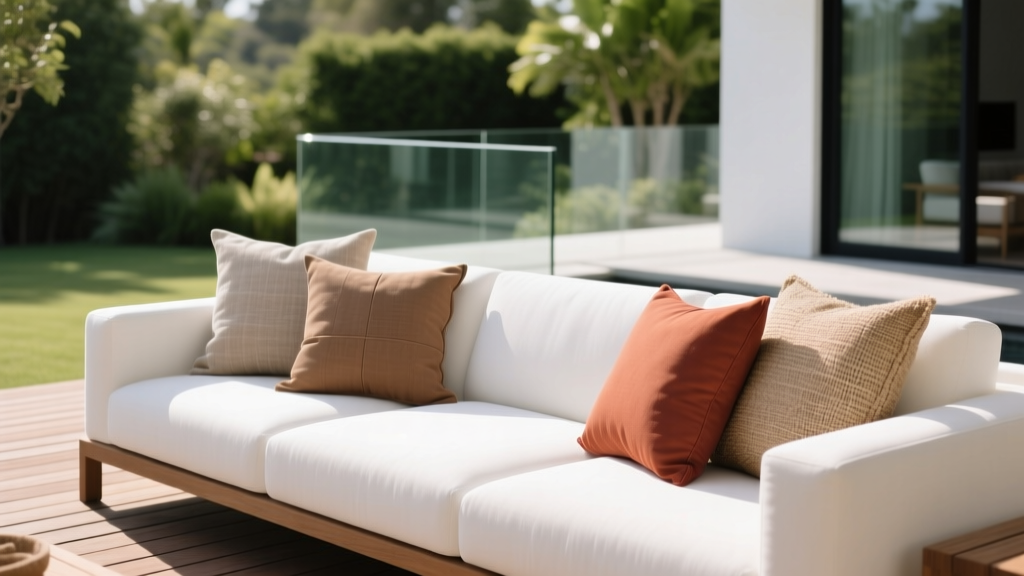 Best Outdoor Cushion Fabric Choices - The Decor Mag
 How to Design a Dragonfly Garden - The Decor Mag
 Outdoor Living Performance: 7 Costly Mistakes That Sabotage Durability, Comfort, and Value
 Outdoor Hammock and Swing Ideas - The Decor Mag
 How to Create a Night Blooming Garden - The Decor Mag
 How to Design a Kitchen Garden Layout - The Decor Mag