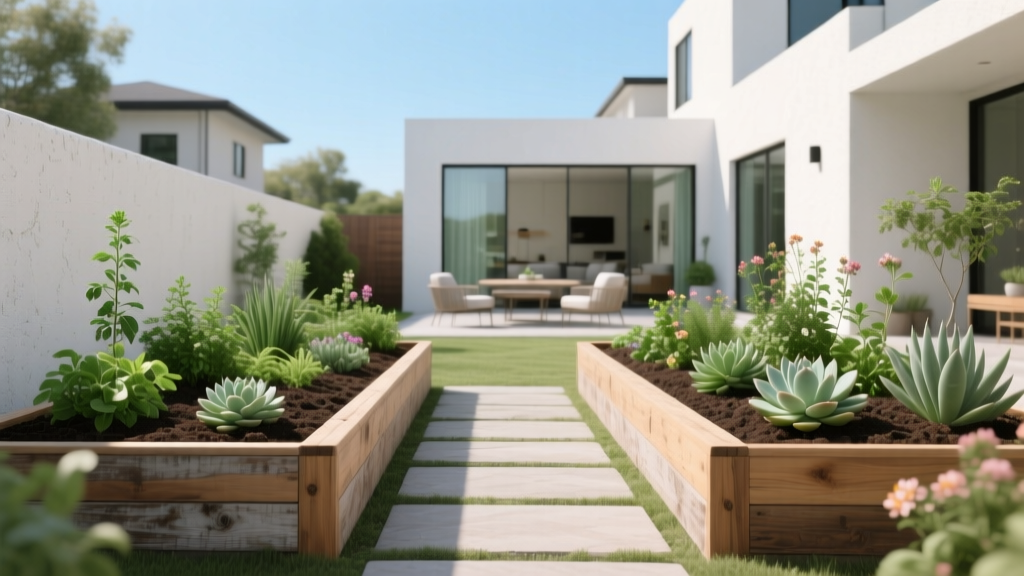
How to Create a Raised Bed Garden - The Decor Mag
A raised bed garden is one of the smartest upgrades you can make to an outdoor living space—especially if you want your yard to look intentional, feel inviting, and actually produce something beautiful (and delicious). Unlike traditional in-ground gardens that can feel messy or unpredictable, raised beds bring structure to your landscape design. They frame greenery like living architecture, making patios, walkways, and lawn edges look more finished.
From a practical standpoint, raised beds solve common homeowner headaches: poor soil, drainage issues, persistent weeds, and the back strain of bending over for every task. They also extend the growing season, support cleaner pathways, and create a natural “destination” in your yard—like a mini outdoor room where you can garden, gather, and unwind.
If you’re aiming for a patio living space that feels like a resort but functions like a hardworking garden, raised beds are your starting point. Below is a step-by-step approach—design-forward, climate-aware, and budget-conscious.
Why Raised Beds Are a Game-Changer for Outdoor Design
- Instant structure: Clean edges and repeatable shapes elevate landscaping and make gardens look curated.
- Better soil control: You choose the soil blend—ideal for vegetables, herbs, or pollinator plants.
- Improved drainage: Elevated soil warms earlier in spring and drains faster after rain.
- Fewer weeds: A weed barrier and fresh soil reduce maintenance significantly.
- More comfortable gardening: Taller bed heights reduce bending and make gardening more accessible.
- Stronger patio-to-garden connection: Raised beds can mirror the geometry of your patio, deck, pergola, or outdoor kitchen.
Step 1: Plan the Best Location (Sun, Access, and Sightlines)
Choose sun exposure with your lifestyle in mind
- Vegetables & most herbs: Aim for 6–8+ hours of direct sun.
- Leafy greens: Can handle 4–6 hours, especially in hot climates.
- Cut flowers & pollinator beds: Best with 6+ hours for maximum blooms.
Design tip: treat your raised beds like outdoor “furniture”
Place beds where you’ll enjoy them—near the patio, outside a kitchen door, or along a path you use daily. Raised beds can be as decorative as they are functional, so think about sightlines from indoor windows and seating areas.
Access and spacing guidelines
- Path width: 30–36 inches for comfortable movement; 36–48 inches if you’ll use a wheelbarrow.
- Bed width: 3–4 feet wide max if accessible from both sides (so you can reach the middle).
- Bed length: 6–12 feet is typical; longer beds look modern but need more soil.
- Keep water nearby: If you can’t easily reach a hose bib, plan for a drip irrigation line.
Step 2: Pick a Raised Bed Style That Matches Your Outdoor Living Space
Classic rectangular beds (most versatile)
Best for organized kitchen gardens, modern landscaping, and easy crop rotation. Align them with your patio or fence line for a crisp, architectural look.
L-shaped or U-shaped layouts (best for entertaining gardens)
These create a cozy garden nook and feel like an outdoor room. A U-shape also makes everything reachable without stepping into the bed.
Tiered raised beds (great on slopes or small yards)
Tiered beds double as a retaining feature and create visual depth—excellent for hillside landscaping and patio edges.
Extra-tall “comfort height” beds (accessible and polished)
- 18–24 inches: Comfortable for most gardeners, still cost-effective.
- 30–36 inches: Ideal for accessibility and minimal bending; excellent near patios and decks.
Step 3: Choose Materials That Look Great and Last
Best materials for raised bed construction
- Cedar (recommended): Naturally rot-resistant, attractive, and a favorite for outdoor design. Expect 10–15 years with good drainage.
- Redwood: Premium, long-lasting, and beautiful—often higher cost but very durable.
- Galvanized steel: Sleek, modern, and long-lived; great for contemporary patio living spaces. Soil warms faster in spring.
- Composite boards: Low maintenance and clean-looking; choose food-safe products if growing edibles.
- Concrete blocks or stone: Timeless and substantial; excellent for formal landscaping but can be more expensive and permanent.
Materials to avoid (or use carefully)
- Pressure-treated lumber: Modern treated lumber is generally considered safer than older treatments, but many homeowners prefer cedar for edible gardens. If you use treated wood, line the interior with a heavy-duty barrier and avoid soil contact with cut ends.
- Railroad ties: Often treated with creosote—skip for edible gardens and family spaces.
Budget ranges (typical homeowner projects)
- DIY cedar bed (4' x 8' x 12"): $120–$300 per bed (materials only).
- Metal kit bed: $90–$250 per bed depending on size and thickness.
- Stone or block bed: $300–$1,200+ depending on finish level and whether you hire help.
- Soil fill per 4' x 8' bed (12–18"): $80–$200 depending on bulk vs bagged and soil blend.
Step 4: Build Your Raised Bed (A Simple, Reliable Method)
Tools and supplies
- Shovel, rake, level
- Measuring tape and stakes/string
- Drill and exterior-rated screws
- Hardware cloth (for gopher protection)
- Cardboard (weed suppression) or landscape fabric (use sparingly)
Build steps
- Mark the layout: Use stakes and string to ensure straight lines that echo your patio or fence geometry.
- Prep the ground: Remove turf or scalp it low. Level the area—this is the difference between “DIY” and “designer.”
- Add pest protection: Staple hardware cloth to the bottom if gophers/voles are common.
- Block weeds: Lay overlapping cardboard sheets (no glossy ink) and wet them thoroughly.
- Assemble the bed: Square corners, pre-drill holes, and use corrosion-resistant screws.
- Fill with soil: Add a quality mix and water it in to settle. Top off as needed.
Step 5: Fill It Right—Soil Blends That Actually Perform
A reliable raised bed soil recipe
- 50% high-quality topsoil (screened, not clay-heavy)
- 30% compost (blend of plant-based compost and well-finished manure compost)
- 20% aeration (pumice, perlite, or coarse coconut coir)
Pro tips for healthier soil
- Skip “cheap fill dirt” for the top 12 inches—plants live there.
- Add slow-release organic fertilizer at planting time (follow label rates).
- Mulch the surface with straw (vegetables) or shredded bark (ornamental beds) to reduce evaporation.
Step 6: Planting Ideas That Look Beautiful and Grow Well
Best plants for raised bed vegetable gardens
- Easy starters: lettuce, spinach, radishes, bush beans, zucchini, cherry tomatoes
- High-impact crops: peppers, eggplant, cucumbers on a trellis, kale, chard
- Compact varieties for smaller beds: patio tomatoes, dwarf peppers, baby carrots
Herb bed that doubles as patio decor
- Rosemary (great structure, drought-tolerant in many climates)
- Thyme (edging plant and pollinator magnet)
- Basil (summer star near outdoor dining)
- Chives (flowers are edible and pretty)
- Parsley (lush filler, great in containers too)
Raised beds for pollinators and year-round interest
- Long bloom season: salvia, coneflower (echinacea), yarrow
- Fragrance near seating: lavender, dianthus, scented geraniums
- Cool-season color: pansies, violas, snapdragons (mild climates)
- Fall texture: ornamental grasses (compact varieties), sedum
Design approach: combine edible + ornamental
A raised bed can look like a curated landscape feature when you mix textures:
- Use purple basil as a color accent.
- Edge beds with thyme or strawberries.
- Add a simple obelisk trellis for pole beans or sweet peas (spring).
Step 7: Make It a True Outdoor Living Feature (Furniture, Lighting, and Layout)
Furniture recommendations for a “garden lounge” feel
- Bistro set: Perfect near herb beds for morning coffee; choose powder-coated aluminum or teak for durability.
- Outdoor bench: Place at the end of the bed row to create a destination; look for all-weather wood (teak, acacia) or metal with quick-dry cushions.
- Potting console: A slim outdoor table or stainless prep cart can serve as a potting station near the patio.
Lighting ideas that elevate nighttime patio living
- Low-voltage path lights: Define walkways between beds.
- String lights on a pergola or posts: Creates a warm canopy effect.
- Solar spotlights: Highlight trellises or tall herbs like rosemary.
Add-ons that make raised beds easier and more polished
- Drip irrigation kit: $40–$150; huge time saver and supports vacation-proof gardens.
- Decorative gravel or decomposed granite paths: Clean look, low maintenance, great for modern landscaping.
- Trellises: Cattle panels, cedar lattice, or metal arches to add vertical interest.
Climate and Seasonal Considerations (So Your Garden Works Year-Round)
Hot/sunny climates
- Use deeper beds (18+ inches) to buffer heat and support steady moisture.
- Mulch heavily and consider shade cloth for summer greens.
- Prioritize heat lovers: tomatoes, peppers, eggplant, basil, okra.
Cold/windy climates
- Place beds where they’re sheltered by a fence, hedge, or pergola.
- Add hoops + frost cloth for shoulder seasons.
- Grow cool-season champs: kale, carrots, peas, cabbage, spinach.
Wet climates or heavy clay yards
- Raised beds shine here—keep the base well-draining and avoid compacting paths.
- Choose rot-resistant materials (cedar, steel) and keep wood off standing water.
Seasonal planning for continuous harvest
- Spring: peas, lettuce, radishes, herbs; prep trellises.
- Summer: tomatoes, peppers, cucumbers; focus on consistent watering.
- Fall: plant greens again; add mums nearby for patio-season color.
- Winter (mild climates): grow broccoli, kale, garlic; keep beds tidy for year-round outdoor living.
Maintenance That Keeps Raised Beds Looking “Designed,” Not Messy
- Weekly: quick weed patrol, harvest, check irrigation lines.
- Monthly: add compost as a top-dress, tighten trellis ties, re-mulch thin spots.
- Seasonally: rotate crops, refresh soil with compost, clean edges, inspect wood/fasteners.
Common Mistakes to Avoid
- Making beds too wide: If you can’t reach the center, you’ll step in and compact the soil.
- Skimping on soil quality: Raised beds are only as good as what you fill them with.
- Ignoring pathways: Muddy, narrow paths ruin the patio-to-garden flow. Plan paths like you would plan flooring.
- Placing beds far from water: Hand-watering gets old fast, especially in summer.
- No plan for vertical growth: Cucumbers, beans, and indeterminate tomatoes need trellises—add them early.
- Overcrowding plants: Tight spacing can lead to disease and disappointing yields.
FAQ: Raised Bed Gardening
How deep should a raised bed be?
For most vegetables and flowers, 12–18 inches works well. If you want easier access or you’re gardening on a hard surface, consider 24–36 inches for a comfort-height bed.
What’s the best wood for raised beds?
Cedar is a top pick for homeowners because it’s rot-resistant, looks beautiful in outdoor design, and holds up well in four-season climates. Redwood is another premium option.
Do I need a liner inside my raised bed?
Not usually. If you’re using cedar, skip the liner so the bed can breathe. If you’re using questionable materials or want extra protection, use a heavy-duty barrier on the sides only (avoid blocking drainage at the bottom).
What should I put at the bottom of a raised bed?
For most gardens: cardboard to smother weeds, plus hardware cloth if you have burrowing pests. Then fill with a quality raised bed soil blend.
How often do raised beds need new soil?
You don’t typically replace all the soil. Each season, add 1–2 inches of compost to refresh nutrients and top off settling. A full soil refresh is usually only needed if you have persistent disease issues.
Can raised beds work in a small patio area?
Yes—try one or two narrow beds (2–3 feet wide), a vertical trellis, and a compact bistro set. It’s a strong approach for patio living where space is limited but style matters.
Next Steps: Start Small, Build Beautiful, Grow More Each Season
Pick one sunny spot, choose a material that matches your home and landscape style, and build a single bed with a clean path and a simple planting plan. Add a bench or bistro set nearby, then layer in lighting and trellises as you go. Within a weekend or two, you’ll have a raised bed garden that feels like an extension of your patio—designed for everyday life and built for year-round enjoyment.
For more outdoor living inspiration, landscaping ideas, and patio design upgrades, explore the latest guides and seasonal tips on thedecormag.com.
More Articles
 Best Outdoor Bar Menu Board Display - The Decor Mag
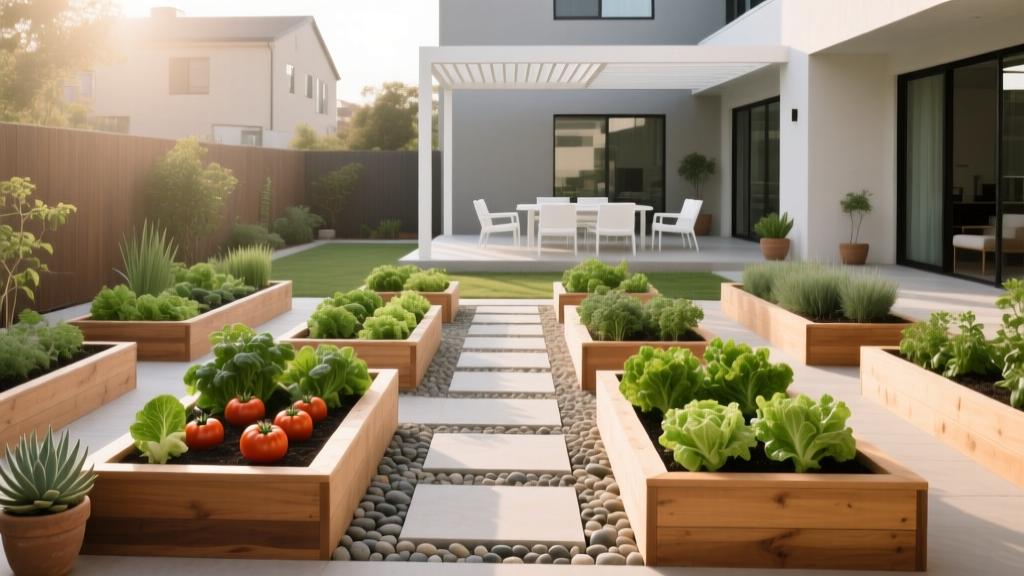 How to Create a Vegetable Garden Layout - The Decor Mag
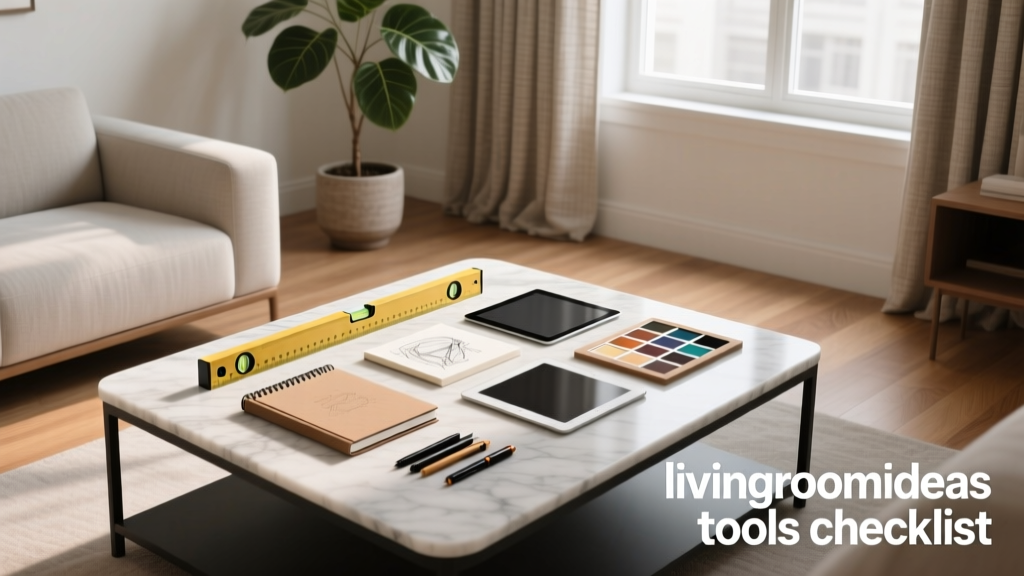 The Outdoor Living Room Tools Checklist: Essential Gear for Designing, Building, and Maintaining Your Backyard Living Space
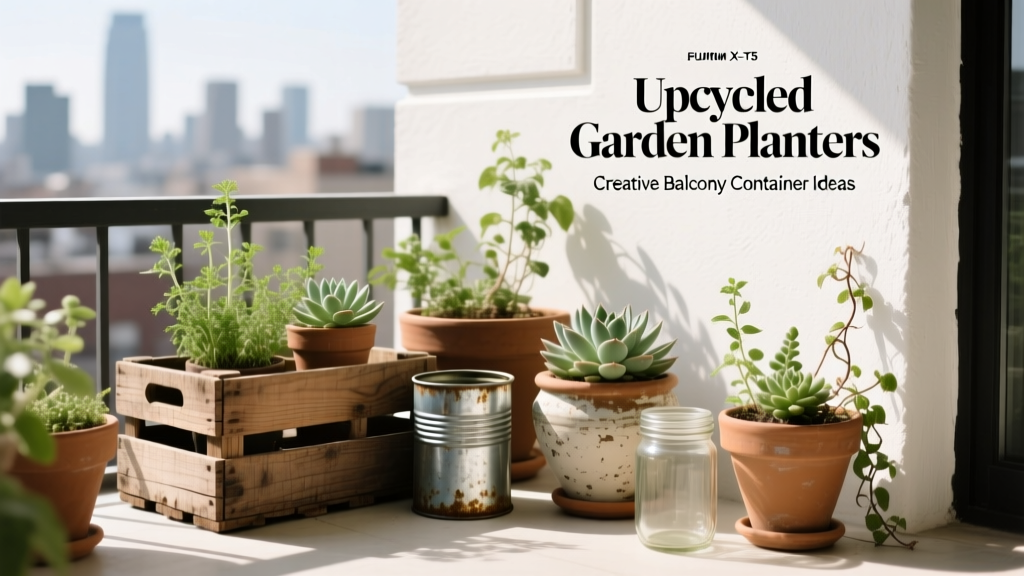 Upcycled Garden Planters: Creative Balcony Container Ideas
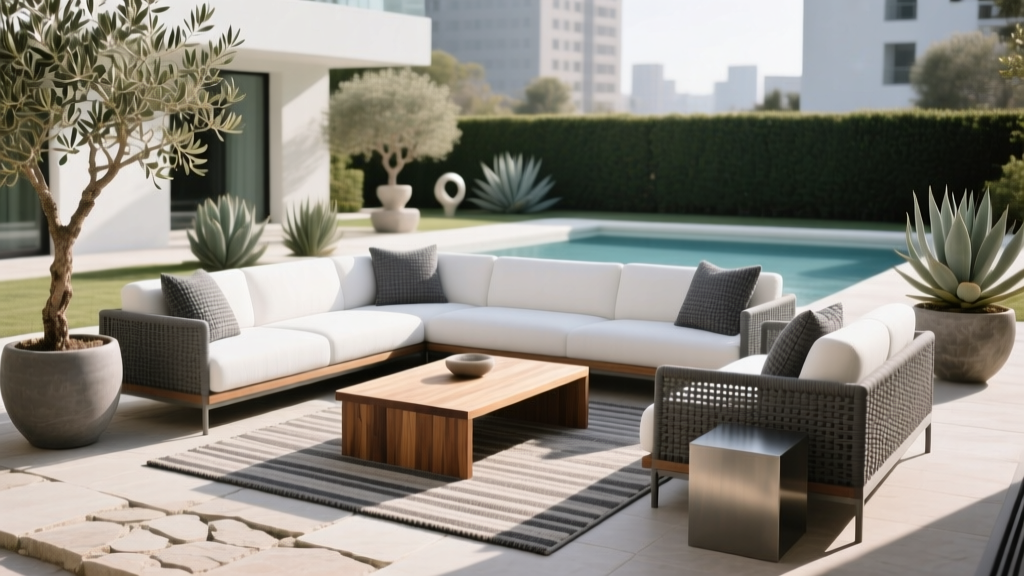 Best Outdoor Lounge Furniture Picks - The Decor Mag
 Styling Styleguides Essentials: A Practical Framework for Outdoor Living Brand Consistency
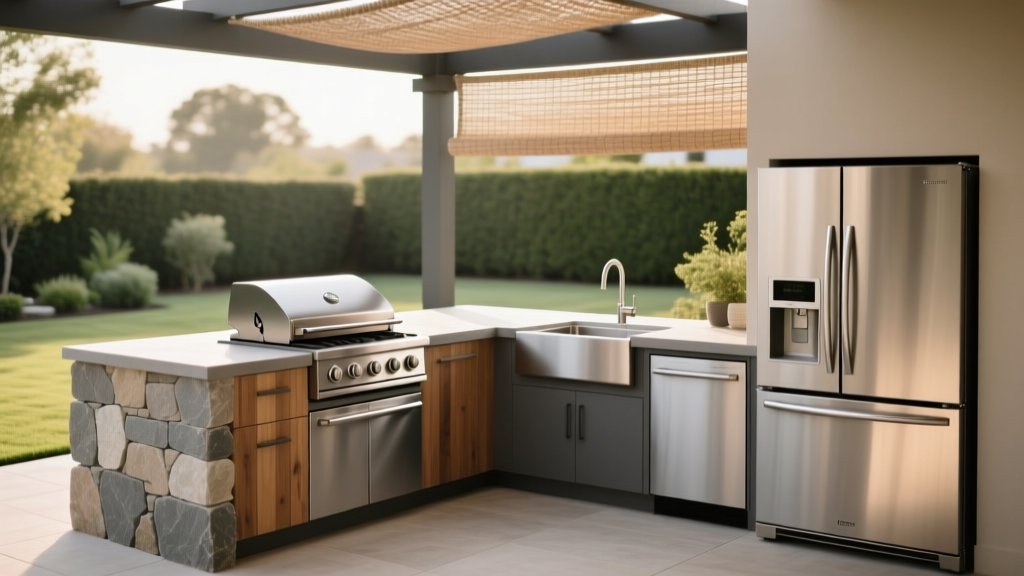 Outdoor Kitchen Appliance Weather Protection - The Decor Mag
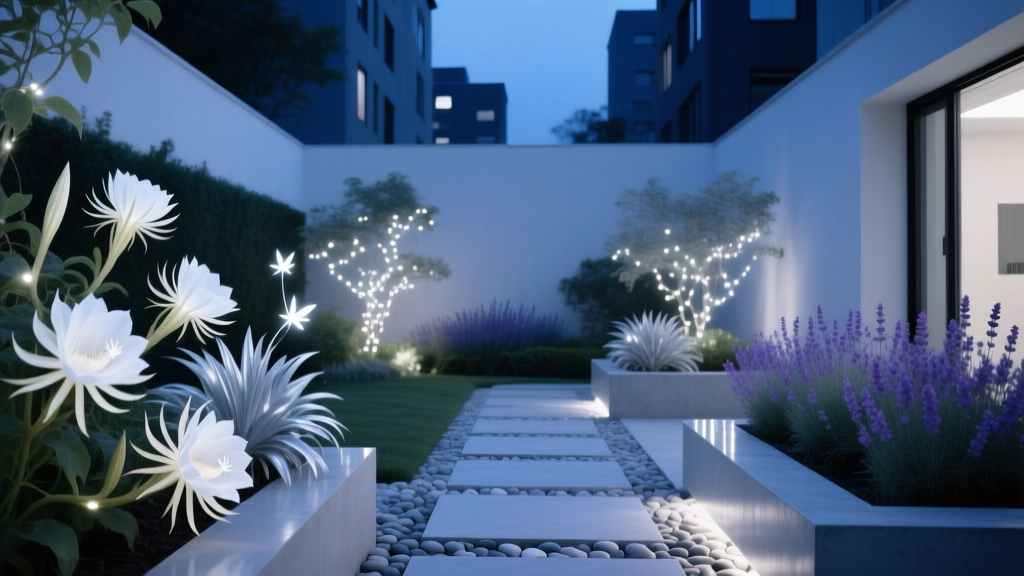 How to Create a Night Blooming Garden - The Decor Mag
 Best Outdoor Bar Citrus Squeezer Station - The Decor Mag
 Best Outdoor Bar Salt and Spice Station - The Decor Mag