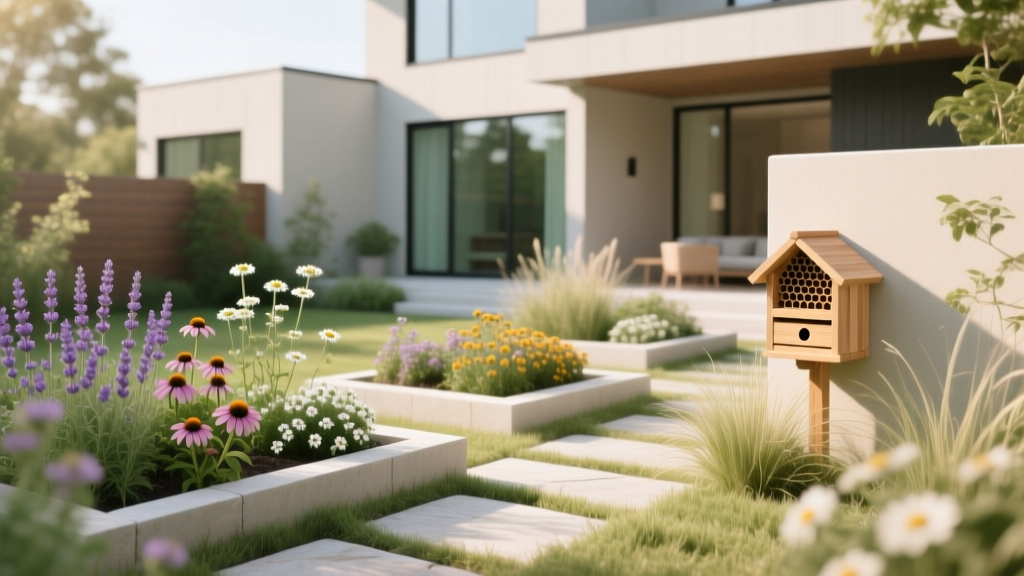
How to Design a Bee Garden - The Decor Mag
A beautiful outdoor living space isn’t only about what you see from the patio—it’s about what you hear and feel, too. A well-designed bee garden brings a gentle hum of life into your yard, increases blooms across your landscape, and supports pollinators that help your trees, vegetables, and ornamental beds thrive. When bees visit, your garden becomes more productive, more colorful, and more resilient, season after season.
For homeowners, the best part is that a bee-friendly landscape can look polished and intentional—more “designer courtyard” than “wild meadow.” With the right plant palette, smart layout, and a few outdoor living upgrades (think seating, pathways, lighting, and water features), you can create a space that’s equal parts relaxing patio retreat and high-performing pollinator habitat.
This guide walks you through practical, expert steps to design a bee garden that complements your home, fits your budget, and supports year-round outdoor living—without turning your yard into a maintenance headache.
What Makes a Garden Bee-Friendly (and Still Beautiful)?
Bees need three essentials: food (nectar and pollen), water, and shelter. A bee garden simply designs those basics into an attractive landscape plan.
Bee Garden Design Principles
- Bloom succession: Provide flowers from early spring through late fall so pollinators have consistent forage.
- Plant in drifts: Group the same plant in clusters (3–7+ of a kind) so bees can forage efficiently.
- Favor single blooms: Many double-flowered varieties are gorgeous but offer less nectar/pollen.
- Use mostly natives: Native plants are often more nutritious and better matched to local bee species.
- Avoid pesticides: Especially neonicotinoids and broad-spectrum insecticides, which can harm bees.
Plan Your Layout: Where a Bee Garden Fits Best
A bee garden works in almost any yard size. The key is placing it where it enhances your outdoor design—framing a patio, softening a fence line, anchoring a corner of the yard, or creating a welcoming entry garden.
Choose a Style That Matches Your Home
- Modern patio landscape: Clean lines, gravel paths, structural shrubs, and bold drifts of flowering perennials.
- Cottage garden feel: Layered blooms, curved edging, and a mix of herbs, perennials, and climbers.
- Mediterranean-inspired: Lavender, rosemary, sage, terracotta pots, and warm stone or decomposed granite.
- Naturalistic meadow strip: A narrow “pollinator ribbon” along a side yard or fence, with low mowing zones.
Smart Placement Tips for Patio Living
- Sun matters: Most bee-friendly flowers need 6+ hours of sun. Place the main bed on the sunniest side of your outdoor living area.
- Give bees a lane: Create a planting buffer 6–10 feet away from high-traffic dining zones if you’re concerned about close encounters.
- Design sightlines: Put taller plants (4–6 feet) at the back or center and lower plants (under 18 inches) along paths and patio edges.
- Include a path: A stepping-stone or gravel path invites you to walk through the garden and helps with maintenance.
Plant Selection: The Best Flowers, Shrubs, and Herbs for Bees
For a landscape that looks intentional, aim for a mix of perennials (reliable structure), shrubs (seasonal backbone), and annuals (quick color in containers). Then add herbs for fragrance and edible appeal near the patio.
Build a Bloom Calendar (Spring to Fall)
Early Spring (March–April, varies by climate)
- Flowering trees/shrubs: Redbud (Cercis), serviceberry (Amelanchier), manzanita (Arctostaphylos), native willows (Salix)
- Perennials: Hellebores, lungwort (Pulmonaria), creeping phlox (Phlox subulata)
- Bulbs: Crocus, alliums (later spring), species tulips (avoid overly doubled forms)
Late Spring to Summer (May–August)
- Pollinator workhorses: Salvia, catmint (Nepeta), coneflower (Echinacea), bee balm (Monarda), yarrow (Achillea)
- Heat lovers: Lavender (Lavandula), Russian sage (Salvia yangii), blanket flower (Gaillardia)
- Herbs for beds and patio pots: Thyme, oregano, basil (let some flower), rosemary (perennial in mild climates)
Late Summer to Fall (September–November)
- Essential fall fuel: Goldenrod (Solidago), asters (Symphyotrichum), sedum/stonecrop (Hylotelephium), blue mistflower (Conoclinium)
- Long bloomers: Zinnias (annual), cosmos (annual), Mexican sunflower (Tithonia, warm climates)
Design-Forward Plant Combos That Look Great Near a Patio
Try these curated pairings for a polished outdoor design:
- Modern + low maintenance: Lavender + ornamental grasses (Pennisetum, Panicum) + alliums
- Soft cottage border: Catmint + coneflower + yarrow + climbing clematis on a trellis
- Bold color blocks: Salvia ‘Caradonna’ + gaillardia + asters for a purple-and-gold palette
- Edible patio edge: Thyme groundcover + flowering chives + rosemary + calendula in pots
Container Gardening for Bees (Perfect for Decks and Small Yards)
If your main outdoor living space is a deck or paved patio, containers can still create a strong bee garden effect.
- Best container sizes: 16–24 inch diameter pots for perennials; 12–16 inch for annual mixes.
- Pot materials: Frost-proof terracotta (warm climates), fiberglass (lightweight), glazed ceramic (statement pieces), or concrete (windy sites).
- Easy pot recipe: 1 thriller (salvia), 2 fillers (calibrachoa or verbena), 2 spillers (creeping thyme or trailing rosemary in mild zones).
Hardscape and Materials: Paths, Edging, and Bee-Smart Surfaces
The best bee gardens balance flowers with clean structure. Hardscape elements also improve usability for year-round outdoor living.
Material Recommendations (Practical and Good-Looking)
- Paths: Decomposed granite (DG) for a warm, natural look; pea gravel for cottage style; large-format pavers for modern patio landscapes.
- Edging: Steel edging for crisp lines; natural stone for a softer, organic boundary; brick for traditional homes.
- Mulch: Shredded bark for planting beds; avoid rubber mulch. Keep mulch a few inches away from stems.
- Raised beds: Cedar or redwood (naturally rot-resistant) for an edible-and-pollinator zone near the patio.
Leave a Little Bare Ground (Yes, on Purpose)
Many native bees nest in the ground. Consider a small, intentional “nesting nook” that still looks designed:
- Set aside a 1–2 square foot patch of bare, well-draining soil in a sunny spot.
- Border it with stone or steel edging so it reads as a deliberate landscape feature.
- Avoid frequent watering or heavy mulch in that patch.
Add Bee-Friendly Outdoor Living Features
A bee garden should feel like an extension of your patio living—not a separate project. These upgrades make the space more comfortable for you and more supportive for pollinators.
Water: A Simple Feature That Makes a Big Difference
- Shallow water bowl: Use a wide, low dish with pebbles so bees can land safely.
- Small bubbling fountain: Adds sound for ambiance; choose a recirculating pump and place stones for landing zones.
- Maintenance tip: Refresh water every few days in warm weather to reduce mosquitoes.
Furniture That Fits a Bee Garden
Choose outdoor furniture that encourages lingering while standing up to pollen, sun, and weather.
- Best materials: Powder-coated aluminum (low maintenance), teak (premium and durable), all-weather wicker (choose UV-stable resin), or concrete/stone side tables for weight and stability.
- Fabrics: Solution-dyed acrylic (like Sunbrella-style fabrics) in mid-tones that won’t show pollen as quickly.
- Layout idea: Place a lounge chair pair or a small bistro set facing the most flower-dense view, with a 3–4 foot clear walkway behind it.
Lighting for Evening Ambiance (Without Disrupting Pollinators)
- Use warm, low-Kelvin LEDs (around 2200–2700K) and keep lighting directed downward.
- Prefer path lights with shields over bright floodlights.
- Put garden lights on a timer so the yard rests overnight.
Climate and Maintenance Considerations
A bee garden doesn’t have to be high maintenance, but it does need a plan that matches your climate and how you actually use your yard.
Design for Your Climate Zone
- Hot/dry climates: Prioritize drought-tolerant plants (lavender, salvia, yarrow), use drip irrigation, and consider gravel mulch or DG paths to reduce mud and water use.
- Humid climates: Space plants for airflow, choose mildew-resistant varieties, and avoid overcrowding—especially with bee balm and phlox.
- Cold-winter climates: Use hardy perennials and shrubs for structure, and leave some stems/seedheads through winter for habitat and winter interest.
- Coastal/windy sites: Add wind-tough shrubs and heavier planters; select salt-tolerant plants where needed.
Seasonal Care (A Realistic Routine)
- Spring: Cut back perennials once temperatures are consistently mild; top-dress compost; refresh mulch.
- Summer: Deep water less often; deadhead selectively (leave some blooms to go to seed); keep a water source filled.
- Fall: Plant perennials and shrubs (often the best time); add bulbs; reduce fertilizer.
- Winter: Leave stems in place for habitat; focus on hardscape improvements and planning next year’s additions.
Budget Ranges: What a Bee Garden Costs
- Budget-friendly ($100–$400): A few 1–3 gallon perennials, native seed mix in a small strip, 2–4 pots, basic mulch, and a shallow water dish.
- Mid-range ($500–$2,000): Expanded planting bed, steel edging, DG or gravel path, drip kit, larger containers, and a small bistro set.
- Premium ($2,500–$8,000+): Full landscape refresh with shrubs, specimen plants, upgraded patio seating, lighting, pavers, and a recirculating water feature.
Common Mistakes to Avoid
- Planting “one of everything”: It looks busy and doesn’t feed bees efficiently. Repeat plants in drifts for a designer look.
- Relying on double blooms: Many are bred for looks, not nectar/pollen. Mix in single-flowered varieties.
- Over-mulching everywhere: Thick mulch can limit ground-nesting bees. Keep some well-placed bare soil.
- Using pesticides as a default: Start with integrated pest management—hand-pick pests, use strong water sprays, and choose resistant plants.
- Forgetting fall flowers: Late-season blooms are critical and keep your landscape looking lively when summer fades.
- Placing the whole garden right at the door: A little buffer improves comfort in high-traffic outdoor living zones.
FAQ: Designing a Bee Garden
Will a bee garden make bees aggressive around my patio?
Most bees are focused on foraging and aren’t aggressive. Good design helps: place the densest planting a short distance from dining areas, provide water away from seating, and avoid swatting. If you have allergies, consult a medical professional and consider keeping a clearer buffer zone.
Do I need to plant only native plants?
No—many non-invasive ornamentals are excellent nectar sources. A strong approach is mostly natives for ecological value, with a few well-chosen ornamentals for extended bloom and specific color goals.
What are the easiest bee-friendly plants for beginners?
Try lavender, catmint, salvia, coneflower, yarrow, sedum/stonecrop, and zinnias. They’re widely available, long-blooming, and work beautifully in patio landscaping.
How do I keep a bee garden looking neat, not messy?
Use structure: define bed edges with steel or brick, add a clear path, repeat plants in groups, and include evergreen shrubs or ornamental grasses for year-round shape.
Can I create a bee garden in partial shade?
Yes, but plant choices matter. Look for shade-tolerant bloomers like hellebores, lungwort, and some native woodland plants. You’ll generally get the most bee activity with at least a half day of sun.
What’s the safest way to manage pests without harming pollinators?
Start with prevention: healthy soil, proper spacing, and resistant varieties. Use targeted options like insecticidal soap only when necessary, apply at dusk when pollinators are less active, and avoid spraying open flowers.
Next Steps: Your Bee Garden Game Plan
To design a bee garden that elevates your outdoor living space, start small and design with intention:
- Pick one sunny zone near your patio, deck, or a main window view.
- Choose 6–10 plant varieties with bloom succession, then repeat them in drifts.
- Add one hardscape upgrade (a gravel path, steel edging, or a raised bed) to make it feel finished.
- Include water and seating so you’ll actually spend time in the space.
- Plan for fall by adding asters, sedum, and goldenrod for late-season color and pollinator support.
Your yard can be both a personal retreat and a thriving pollinator habitat—beautiful from spring’s first blooms through cozy fall evenings outdoors. For more landscaping inspiration, patio living upgrades, and outdoor design ideas, explore the latest guides at thedecormag.com.
More Articles
 7 Bedside Common Mistakes That Sabotage Sleep, Safety, and Bedroom Functionality
 The Best Reading Color for Outdoor Living Spaces: Science, Design, and Real-World Performance
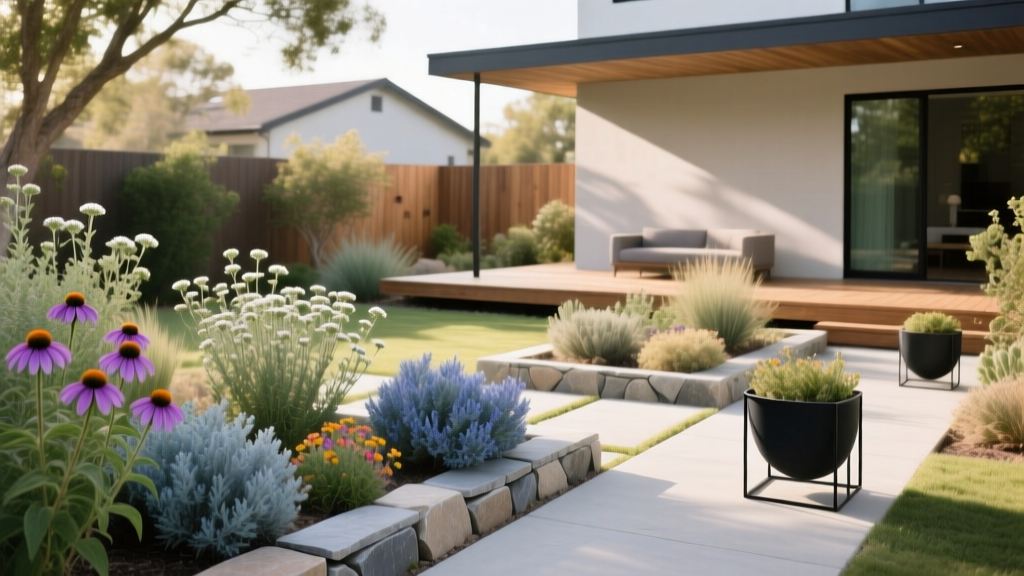 How to Design a Native Plant Garden - The Decor Mag
 Best Outdoor Heater Options for Cool Nights - The Decor Mag
 Performance Alternatives to Styling: Why Functionality Should Anchor Outdoor Living Design
 Rooms vs Headboard: Understanding the Critical Distinction in Outdoor Living Design
 Outdoor Kitchen Ideas: Budget & Space Solutions
 Best Outdoor Coffee Table Materials - The Decor Mag
 How to Design a Shade Tolerant Border - The Decor Mag
 Outdoor Arbor and Gate Design Ideas - The Decor Mag