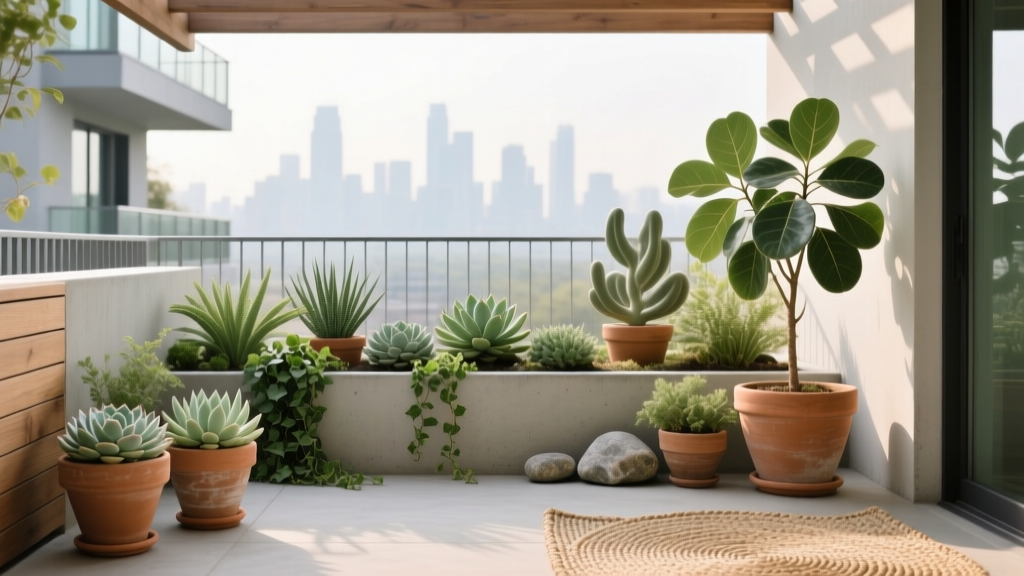
Container Garden Design Inspiration - The Decor Mag
A great outdoor living space doesn’t require a sprawling backyard. With the right container garden design, a small patio, balcony, front porch, or side yard can feel lush, intentional, and ready for everyday living. Containers let you bring color, fragrance, privacy, and even edible plants right up to where you relax—next to your lounge chairs, outdoor dining table, or grilling station.
Container gardens matter because they’re the fastest way to “design” a space without construction. You can create height, define zones, soften hardscape edges, and refresh your look seasonally. They’re also incredibly flexible: renters can take them when they move, homeowners can rearrange them as sunlight shifts, and everyone can scale up over time without a full landscape renovation.
Whether you’re styling a modern patio with clean lines or building a cottage-style retreat packed with blooms, the right pots, plants, and layout will make your outdoor design feel polished—and livable year-round.
Start with a Plan: How Container Gardens Support Outdoor Living
Before you buy a single pot, decide what you want your container garden to do for the space. The best patio living designs use plants as functional elements, not just decoration.
Choose Your “Job Description”
- Privacy screening: block a neighbor view or soften a fence line.
- Outdoor room definition: outline a seating area, dining zone, or fire pit corner.
- Color and seasonal refresh: rotate blooms from spring through fall.
- Scent and sensory appeal: place fragrant plants near doors and seating.
- Edible convenience: keep herbs and salad greens near the kitchen or grill.
Quick Layout Rule: Anchor + Support + Accent
A designer-friendly approach for patios and small yards:
- Anchor containers: 2–4 larger pots to set structure (corners, doorways, beside steps).
- Support containers: medium pots to create rhythm and connect anchors.
- Accent containers: small pots and bowls for pops of color, herbs, and seasonal swaps.
Design Styles That Always Work (With Specific Plant and Pot Ideas)
1) Modern Minimal Patio: Clean Lines, Strong Shapes
Modern outdoor design loves repetition and contrast. Think matte planters, architectural plants, and a restrained palette.
- Best container materials: fiberglass, powder-coated metal, lightweight concrete, corten steel (use liners for heat).
- Go-to plants: snake plant (warm climates or protected areas), agave (zones 9–11), boxwood (classic structure), dwarf olive (zones 8–11), black mondo grass, lomandra, sedum.
- Color palette: charcoal, white, sand, and one accent (deep green or burgundy).
Layout idea: flank an outdoor sofa with two identical tall planters (24–30" wide). Add a row of low rectangular troughs along the patio edge with grasses and trailing sedum for a crisp border.
Furniture pairing: streamlined outdoor sectional in aluminum or teak + a concrete or sintered stone coffee table. Add a simple outdoor rug to “lock in” the planters as part of the seating zone.
2) Lush Resort Look: Layered Tropicals for Vacation Vibes
This style turns patios into a retreat by using big leaves, layered heights, and warm textures.
- Best container materials: glazed ceramic, teak planters, woven resin baskets (with inner pots), terracotta (in mild climates).
- Go-to plants: bird of paradise (zones 9–11), palms (areca, pygmy date palm depending on climate), elephant ear (colocasia), coleus, caladium (shade), mandevilla (sun), sweet potato vine (trailing).
- Shade-friendly picks: ferns, fatsia, hosta (cooler climates), heuchera.
Layout idea: cluster containers in “islands” near seating—three pots of varying sizes (large, medium, small) with layered foliage. Repeat the same island in another corner to make the patio feel intentional, not random.
Furniture pairing: woven lounge chairs with thick cushions + a bistro table for morning coffee. Add lanterns and warm LED string lighting for year-round outdoor living.
3) Cottage Garden Containers: Flowers, Texture, and Charm
If you love an abundant look, containers can deliver cottage style without taking over your yard.
- Best container materials: terracotta, aged clay, galvanized steel tubs, half barrels (lined), classic urns.
- Go-to plants: hydrangea (large pot, part shade), lavender (sun), rosemary (sun), salvia, petunia, calibrachoa, snapdragon (cool seasons), sweet alyssum, trailing bacopa.
- Pollinator favorites: lantana (warm climates), nepeta (catmint), echinacea, verbena.
Layout idea: line a garden path or patio edge with repeated terracotta pots (12–16" diameter) and alternate two plant recipes for rhythm. Add one oversized urn near the entry for a focal point.
Furniture pairing: painted metal café set or a classic wooden bench. Cottage containers look best with simple furniture that doesn’t compete with the flowers.
4) Edible Patio Garden: Herbs, Citrus, and Salad in Stylish Pots
Edible landscaping is one of the smartest ways to upgrade patio living—fresh herbs at arm’s reach make outdoor dining feel special.
- Best container materials: food-safe resin, glazed ceramic, fabric grow bags (hidden inside decorative planters), cedar planters.
- Easy edibles: basil, thyme, oregano, chives, parsley, mint (keep in its own pot), arugula, lettuce, strawberries, cherry tomatoes (large container + cage).
- Statement edibles: dwarf citrus (lemons/limes in warm climates or overwinter indoors), bay laurel (great structure), blueberry (needs acidic soil and often two varieties).
Layout idea: place herb pots near the grill or outdoor kitchen. Use a long trough planter as a “living centerpiece” on the dining table—low herbs won’t block conversation.
Furniture pairing: outdoor dining set with easy-clean surfaces (aluminum, teak, or poly lumber). Add a serving cart so you can move harvests and tools quickly.
Container Materials and What They Mean for Style, Budget, and Maintenance
The pot is part of your landscape design. Choose materials that match your patio, climate, and willingness to move heavy items.
- Terracotta: beautiful and breathable; can crack in freeze-thaw climates. Budget: $15–$80 for small/medium; $100–$250+ for large.
- Glazed ceramic: great color, heavier, can be frost-sensitive depending on quality. Budget: $40–$300+.
- Fiberglass/resin: lightweight, modern, weather-resistant. Budget: $60–$400+.
- Concrete: timeless and stable; heavy and can stain surfaces. Budget: $80–$500+.
- Metal (steel/aluminum): sleek and modern; can heat up in full sun. Budget: $70–$500+.
- Wood (cedar/teak): warm and natural; needs maintenance and drainage planning. Budget: $100–$600+.
Material tip: If you love the look of heavy concrete but want easier handling, choose fiberglass planters that mimic concrete texture.
Planting Recipes That Look Designer (Without Being Fussy)
Use the classic “thriller, filler, spiller” approach—then repeat it for a cohesive patio garden.
Sunny Patio Recipe (6+ hours sun)
- Thriller: cordyline, ornamental grass, dwarf citrus, or upright rosemary
- Filler: lantana, geranium, salvia, verbena
- Spiller: sweet potato vine, calibrachoa, trailing rosemary
Part Shade Recipe (3–6 hours sun)
- Thriller: hydrangea (large pot), fatsia, or taller fern
- Filler: impatiens, begonias, coleus, heuchera
- Spiller: creeping jenny, ivy (watch invasiveness), bacopa
Low-Water / Drought-Tolerant Recipe
- Thriller: agave (warm climates), yucca, upright cactus (where appropriate)
- Filler: echeveria, sedum, lavender (larger pot)
- Spiller: burro’s tail sedum, trailing ice plant
Layout Ideas for Patios, Decks, and Small Yards
Create a “Green Frame” Around Seating
Place taller planters behind or beside lounge seating to make the area feel like an outdoor room. This boosts privacy and makes even a basic patio set feel styled.
Use Containers to Soften Hardscape Edges
Line the edge of a deck or paver patio with low troughs or repeated medium pots. The repetition reads as intentional landscape design and visually connects your home to the yard.
Build a Seasonal Entry Moment
Two matching containers flanking a front door or gate is a classic outdoor design move that works year-round.
- Evergreen base: boxwood, dwarf conifer, rosemary (mild winters)
- Seasonal swap: bulbs in spring, bright annuals in summer, mums and ornamental cabbage in fall, winter branches and lights in winter
Seasonal and Year-Round Container Garden Strategies
Spring
- Refresh soil in the top 3–6 inches and add slow-release fertilizer.
- Plant cool-season color: pansies, violas, snapdragons, ranunculus (where available).
Summer
- Group pots to create shade for smaller containers and reduce evaporation.
- Mulch the soil surface with fine bark or coco chips for moisture retention.
Fall
- Add structure: ornamental grasses, small evergreens, and berry-producing shrubs.
- Layer in fall color: mums, asters, ornamental kale/cabbage.
Winter
- In cold climates, use frost-proof containers or move delicate pots under cover.
- Decorate dormant containers with cut greens, birch branches, pinecones, and weatherproof ribbon.
- Evergreen anchors keep patios from looking bare: dwarf spruce, boxwood, holly (container-friendly varieties).
Climate and Maintenance Considerations (So Your Containers Thrive)
Watering: The Real Key to Success
- Hot/sunny patios: expect daily watering in peak summer, especially for terracotta.
- Best practice: water deeply until it drains from the bottom; empty saucers so roots don’t rot.
- Upgrade option: drip irrigation kits for container gardens can be a game-changer for patio living. Budget: $30–$150 depending on size.
Soil and Drainage
- Use high-quality potting mix—not garden soil.
- Add drainage holes (non-negotiable for most plants).
- Skip rocks in the bottom; they don’t improve drainage and reduce soil volume.
Wind, Heat, and Exposure
- Windy balconies: choose heavier pots (concrete or large ceramic) and sturdier plants (grasses, boxwood) over tall, top-heavy blooms.
- Heat-reflective areas: near stucco, brick, or metal railings, use heat-tolerant plants (lantana, rosemary, succulents) and light-colored containers to reduce root stress.
Budget Ranges: What a Great Container Garden Costs
- Starter patio refresh ($100–$300): 3–5 medium pots, quality potting mix, one bag of fertilizer, a mix of annuals and one small shrub.
- Designed look for a small patio ($300–$900): 2 large anchor planters, 4–8 medium pots, cohesive color palette, drip trays, upgraded soil, and a few perennials.
- Premium outdoor living upgrade ($900–$2,500+): matching high-end planters, specimen plants (dwarf trees, large shrubs), irrigation kit, and coordinated patio furniture and lighting.
Common Container Garden Mistakes to Avoid
- Using too many different pot styles: pick one “family” of containers (same color or material) and vary sizes for a designer feel.
- Choosing pots that are too small: undersized containers dry out fast and stunt plants. When in doubt, size up.
- No plan for sunlight: a “shade” patio and a “full sun” patio need completely different plant lists.
- Overcrowding without intention: lush is great, but leave room for plants to mature—especially perennials and shrubs.
- Ignoring drainage: no holes (or clogged holes) leads to root rot and disappointing results.
- Forgetting winter strategy: if you live in a freeze zone, plan where pots go and which materials survive.
FAQ: Container Garden Design
What are the best plants for container gardens on a sunny patio?
Great options include lantana, geraniums, salvia, rosemary, lavender (in larger pots), dwarf citrus (in warm climates), and many succulents. Match plants to your heat and wind exposure for the best patio garden results.
How do I make my container garden look cohesive and not cluttered?
Limit containers to 1–2 materials/colors, repeat a few plant varieties, and build in “anchors” (larger pots) so the design has structure. Group pots in clusters of three for a styled outdoor living look.
How often should I water container plants?
In summer, many containers need water daily—especially small pots and terracotta in full sun. Water deeply until it drains out the bottom, then check soil moisture again the next day.
What are the best low-maintenance container plants?
Try boxwood (with regular watering), ornamental grasses, sedum and succulents, rosemary in mild climates, and hardy evergreens suited to your zone. Pair them with slow-release fertilizer and mulch for easier upkeep.
Can container gardens work for privacy on a patio?
Yes—use tall planters with upright evergreens, clumping grasses, bamboo alternatives (like clumping bamboo where non-invasive), or trellises with vines such as star jasmine (warm climates) or clematis (cooler climates). Place them along railings and sightlines to create a living screen.
How do I keep pots from cracking in winter?
Choose frost-rated containers, elevate pots slightly off the ground (pot feet help), avoid letting soil stay waterlogged, and move delicate ceramics under cover. In freeze-thaw climates, fiberglass and high-quality resin are often the safest choices.
Next Steps: Build Your Container Garden Like a Designer
Pick one outdoor zone to upgrade first—front entry, dining patio, or a seating corner. Start with two anchor planters, choose a simple color palette, and use a repeatable plant recipe you can refresh seasonally. Add lighting and comfortable outdoor furniture, and your container garden becomes more than landscaping—it becomes the backdrop for year-round patio living.
Ready for more outdoor design, landscaping ideas, and patio upgrades? Explore fresh inspiration and practical guides on thedecormag.com.
More Articles
 How to Create a Cut Flower Garden - The Decor Mag
 Best Outdoor Bar Charcuterie Station - The Decor Mag
 How to Create a Bird Friendly Garden - The Decor Mag
 12 Practical DIY Style Ideas for Outdoor Living Spaces That Deliver Professional Results
 How to Create a Dye Plant Garden - The Decor Mag
 Safety Alternatives to Aging: Practical, Evidence-Based Outdoor Living Solutions for Older Adults
 Best Outdoor Bar Tool Storage Ideas - The Decor Mag
 Best Outdoor Rocking Chair Picks - The Decor Mag
 Styling Styleguides Essentials: A Practical Framework for Outdoor Living Brand Consistency
 Best Outdoor Bar Bread Basket Station - The Decor Mag