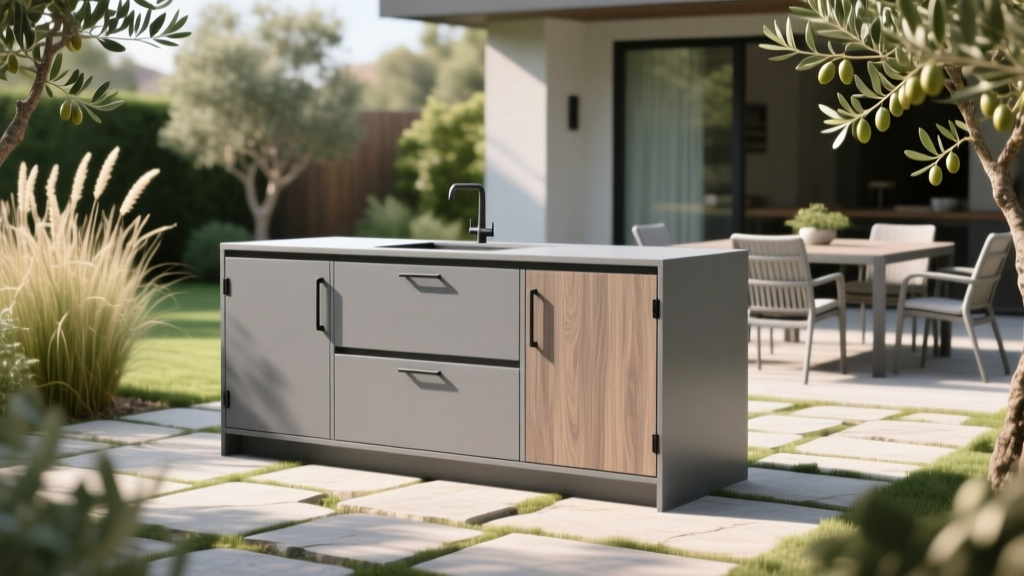
Outdoor Kitchen Storage Cabinet Guide - The Decor Mag
An outdoor kitchen is one of the most satisfying upgrades you can make to a patio or backyard—until clutter takes over. Spatulas end up in a plastic bin, grill tools live on a side table, and every gathering turns into a scavenger hunt for foil, seasonings, and serving trays. Well-planned outdoor kitchen storage cabinets solve that problem while making your entire outdoor living space feel more polished, intentional, and ready for year-round entertaining.
Great storage does more than hide “stuff.” It protects your investment from sun, rain, pests, and temperature swings. It also improves workflow: prep happens where it should, cleaning is faster, and the cook isn’t running in and out of the house. Whether you’re building a full outdoor kitchen or upgrading a simple grill station, the right cabinet layout and materials can elevate your patio living experience in one weekend—or become the foundation of a long-term backyard transformation.
This guide breaks down cabinet types, materials, layouts, and climate-smart choices, with practical tips, budget ranges, and design ideas that pair storage with landscaping for a cohesive outdoor design.
Start With How You Actually Use Your Outdoor Kitchen
Before choosing finishes and door styles, map your routine. Storage should support how you cook and entertain outdoors, not force you into awkward habits.
Ask yourself these planning questions
- What’s your cooking style? Grilling only, pizza nights, smoker weekends, or full meals outdoors?
- How many people do you host? Weeknight family dinners vs. 12-person parties require different serving and beverage storage.
- Do you want “grab-and-go” convenience? Dedicated drawers for utensils and spices prevent indoor trips.
- What must stay outdoors year-round? Durable items like metal tools vs. perishables and linens that should rotate seasonally.
Define storage zones (the pro approach)
- Cooking zone: grill tools, smoker pellets, thermometers, gloves
- Prep zone: cutting boards, mixing bowls, knives (often best stored indoors unless you have sealed, dry drawers)
- Serving zone: platters, trays, paper goods, outdoor-safe dinnerware
- Clean-up zone: trash/recycling pull-outs, dish soap, towels
- Beverage zone: bottle storage, bar tools, insulated cups
Outdoor Kitchen Cabinet Types and What Each One Does Best
Outdoor kitchen storage cabinets come in a few core configurations. Mixing these pieces creates a custom-feeling layout even on a modest budget.
Base cabinets (the workhorses)
- Best for: pots, bulky tools, small appliances, propane storage (if properly vented)
- Design tip: Choose adjustable shelves and a raised base or legs to keep contents away from standing water on patios.
Drawer banks (where daily efficiency happens)
- Best for: utensils, grill brushes, foil, towels, spices, lighters
- Design tip: Deep drawers are more useful than multiple shallow drawers outdoors; they’re easier to keep organized.
Trash/recycling pull-outs
- Best for: keeping prep clean and pests away
- Design tip: Add a tight-fitting lid and plan ventilation. Pair with a small counter landing zone for plates.
Corner cabinets
- Best for: maximizing L-shaped outdoor kitchen layouts
- Design tip: Look for a swing-out tray or wide-opening door. Avoid corners if you want the simplest, most budget-friendly build.
Wall cabinets (only in the right situations)
- Best for: covered patios, outdoor pavilions, pool houses
- Design tip: In fully exposed areas, wall cabinets can trap heat and moisture—use only if you have overhead protection and durable, weatherproof materials.
Appliance and specialty cabinets
- Common options: outdoor-rated fridge surrounds, sink bases, warming drawer compartments, paper towel holders
- Design tip: Confirm clearances and ventilation requirements for every appliance. Outdoor kitchens fail early when airflow is ignored.
Choosing Materials That Survive Real Weather
Outdoor cabinet materials are the make-or-break decision for long-term performance. Sun, humidity, coastal salt air, freeze-thaw cycles, and even sprinkler overspray can quickly degrade indoor-grade cabinetry.
Stainless steel (premium durability, modern look)
- Best for: exposed patios, high-heat zones near grills, modern outdoor design
- Recommended grade: 304 stainless for most climates; 316 stainless for coastal/salt air environments
- Maintenance: Clean with mild soap and water; use stainless cleaner to reduce fingerprints; avoid harsh chlorine products.
- Watch for: Lower-grade 201 stainless can spot and rust in humid or coastal climates.
Marine-grade polymer (excellent all-weather option)
- Best for: humid regions, rainy climates, poolside outdoor kitchens, homeowners who want low maintenance
- Why it works: Won’t rot, swell, or delaminate; typically UV-stable
- Maintenance: Hose down and wipe; choose light colors in full sun to reduce heat buildup.
Powder-coated aluminum (lightweight and corrosion-resistant)
- Best for: contemporary patios, semi-covered spaces, corrosion resistance without stainless pricing
- Maintenance: Gentle cleaning; inspect for chips in the coating and touch up promptly to prevent corrosion at exposed edges.
Concrete, masonry, and stone surrounds (built-in look with flexibility)
- Best for: permanent outdoor kitchen islands, Mediterranean or rustic landscaping styles, wind-prone yards
- Design approach: Build a masonry frame and use stainless or polymer doors/drawers as inserts.
- Maintenance: Seal porous stone and grout; check for cracks after freeze-thaw seasons.
What to avoid outdoors
- MDF, particleboard, or “moisture-resistant” indoor cabinets: They swell and fail outdoors.
- Unsealed wood: Even durable species degrade quickly without consistent maintenance.
- Non-outdoor-rated hardware: Hinges and slides rust first, making cabinets feel cheap even if the boxes are solid.
Smart Layouts: Make Storage Feel Built-In (Even in Small Yards)
Great outdoor kitchen design balances storage, countertop landing space, and circulation. Aim for a layout that supports cooking and conversation without crowding the patio.
Popular outdoor kitchen layouts
- Straight-line run: Best for small patios, balconies, and tight garden edges; add storage under the grill and a drawer stack at one end.
- L-shape: The most functional for storage; allows a dedicated prep side and a cooking side.
- U-shape: Excellent for serious entertainers; maximize drawers and include a beverage zone.
- Island with back storage: Great for keeping the “working” side hidden from guests while providing seating on the patio-facing side.
Dimension guidelines that prevent frustration
- Walkway clearance: 42 inches minimum; 48 inches if two people will pass behind the cook
- Counter depth: 24 inches is standard; 30 inches can be helpful for bar seating or larger prep zones
- Landing space: 18–24 inches on at least one side of the grill for trays and tools
Storage upgrades that feel luxurious (and truly practical)
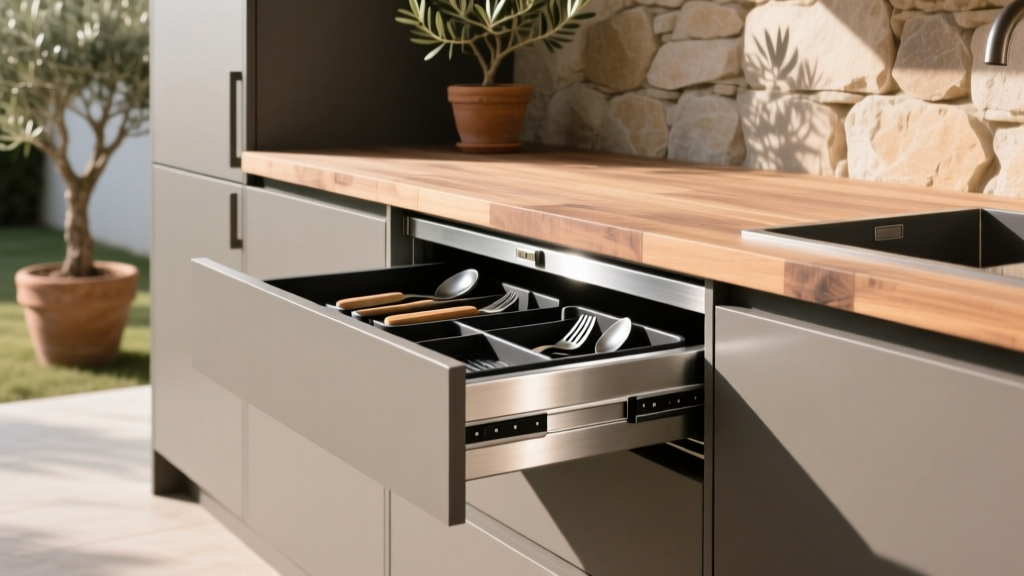
- Soft-close, outdoor-rated drawer slides
- Integrated paper towel holder inside a cabinet door
- Vertical dividers for sheet pans and cutting boards
- Hidden propane tank pull-out (with proper ventilation)
- Weather-sealed spice drawer with labeled containers
Design Details: Coordinate Cabinets With Your Patio and Landscape
Outdoor kitchen storage cabinets look best when they relate to the larger outdoor living space—pavers, pergolas, planting beds, and lighting.
Color and finish recommendations
- Warm, natural patios: Pair stone veneer with matte black hardware and stainless doors for a balanced look.
- Modern outdoor design: All stainless or powder-coated aluminum in charcoal, with a concrete countertop and linear lighting.
- Coastal patio living: Marine polymer cabinets in light gray or white, with brushed stainless accents and a breeze-block or stone surround.
Plants that soften an outdoor kitchen (without creating a mess)
Strategic landscaping near the kitchen adds privacy, fragrance, and a finished feel—just keep plantings away from high-heat areas and avoid heavy leaf drop near doors and slides.
- Herb planters for the prep zone: rosemary, thyme, oregano, chives (use raised planters or pots to reduce soil splash)
- Low-litter evergreens for structure: dwarf boxwood alternatives suited to your climate (e.g., inkberry holly in humid areas)
- Ornamental grasses for movement: feather reed grass (cool climates), muhly grass (warmer climates)
- Fragrant additions near seating: lavender (dry climates), star jasmine (mild climates), gardenia (humid/subtropical)
Design tip: Add a 12–18 inch gravel or paver strip between planting beds and cabinets to reduce mud splash and simplify cleaning.
Climate & Year-Round Outdoor Living Considerations
Outdoor kitchens should work in every season you plan to use them. Your climate determines which cabinet materials, seals, and maintenance routines are non-negotiable.
Hot and sunny climates
- Choose UV-stable polymer or high-quality powder-coated finishes.
- Use light-colored cabinet fronts to reduce heat transfer.
- Add shade: a pergola, canopy, or pavilion extends cabinet life and makes summer cooking more comfortable.
Humid and rainy climates
- Prioritize corrosion resistance: 304 stainless (or 316 near salt water), polymer, or aluminum.
- Look for gasketed doors and good ventilation to prevent mildew inside cabinets.
- Avoid placing cabinets where gutters dump water or sprinklers overspray daily.
Cold climates with freeze-thaw cycles
- Use a raised toe-kick or adjustable legs so cabinet bases don’t sit in snowmelt.
- Seal stone veneer and grout; inspect annually after winter.
- Plan seasonal storage: move paper goods, oils, and sauces indoors during deep winter.
Coastal conditions
- Choose 316 stainless whenever possible, and rinse surfaces periodically to remove salt residue.
- Avoid mixed metals that can accelerate corrosion; match hardware to cabinet material.
- Consider a covered outdoor kitchen structure for long-term protection.
Maintenance Checklist: Keep Cabinets Looking New
Outdoor cabinets last longer with small, consistent care—especially if you entertain often.
- Weekly (during peak season): wipe fronts and handles; empty crumbs to discourage pests
- Monthly: clean inside drawers; check door alignment and tighten screws
- Seasonally: inspect caulk lines and seals; deep-clean stainless; remove items you won’t use in the off-season
- Before winter: cover appliances, shut off water lines (if applicable), and store textiles indoors
Budget Ranges: What Outdoor Kitchen Storage Cabinets Typically Cost
Pricing varies by material, size, and whether you’re buying modular units or building a custom island with cabinet inserts.
- Budget-friendly ($500–$2,500): compact modular grill carts, basic stainless door/drawer inserts, limited storage runs
- Mid-range ($2,500–$8,000): multi-cabinet modular systems in stainless/polymer, better hardware, trash pull-outs, more drawers
- High-end ($8,000–$20,000+): premium 304/316 stainless systems, custom sizes, integrated lighting, full outdoor kitchen islands with stone surrounds
Cost-saving strategy: Invest in durable cabinet boxes and hardware first, then upgrade cosmetic panels, handles, and accessories later.
Common Mistakes to Avoid
- Choosing indoor cabinets “just to get started”: They rarely survive a full season outdoors.
- Skipping ventilation: Trapped heat and moisture shorten cabinet and appliance life.
- Not planning for drainage: Cabinets placed on low spots collect water; correct patio slope or elevate the base.
- Too few drawers: Outdoor kitchens function better with drawers than deep shelves.
- Forgetting landing space: A grill with no counter nearby creates constant clutter.
- Overplanting next to doors: Dense shrubs trap moisture and drop debris into tracks and hinges.
FAQ: Outdoor Kitchen Storage Cabinets
What is the best material for outdoor kitchen cabinets?
For most patios and backyards, 304 stainless steel or marine-grade polymer offers the best combination of durability and low maintenance. In coastal areas, 316 stainless is worth the upgrade for corrosion resistance.
Do outdoor kitchen cabinets need to be covered?
They don’t have to be, but a covered patio, pergola, or pavilion significantly extends cabinet life, improves comfort in summer, and helps keep drawers cleaner. If your setup is fully exposed, choose materials designed for constant weather.
How do I keep pests out of outdoor kitchen storage?
Use tight-fitting doors, keep food sealed, wipe crumbs after each cookout, and add a trash pull-out with a lid. Avoid storing pet food or open snacks outdoors, and keep planting beds slightly separated from cabinetry with a gravel or paver buffer.
Can I use wood cabinets outdoors if they’re sealed?
Sealed wood can work in a covered outdoor living space, but it requires regular maintenance and is less forgiving in rain, humidity, or harsh sun. If you want the wood look, consider polymer or aluminum systems with wood-toned finishes, or a masonry surround with wood accents away from splash zones.
How many cabinets do I need for a functional outdoor kitchen?
A practical starter setup usually includes: one base cabinet, one drawer stack, and one trash solution (pull-out or a dedicated spot). Add a second drawer stack if you host often or want a separate beverage/serving zone.
Next Steps: Build a Storage Plan You’ll Love Using
Start by listing what you want to store outdoors, then group items into cooking, prep, serving, and clean-up zones. Measure your available patio footprint, choose a layout that preserves comfortable circulation, and pick a cabinet material that matches your climate and maintenance style. From there, add the upgrades that make outdoor entertaining feel effortless—drawers, pull-outs, and a dedicated spot for trash and recycling.
For more outdoor kitchen ideas, patio living inspiration, and landscaping tips that bring the whole backyard together, explore more guides and fresh outdoor design features on thedecormag.com.
More Articles
 Outdoor Kitchen Drawer Slide Materials - The Decor Mag
 Best Outdoor Pouf and Ottoman Choices - The Decor Mag
 Outdoor Pizza Oven Installation Guide - The Decor Mag
 Best Outdoor Bar Muddler and Jigger Storage - The Decor Mag
 How to Create a Butterfly Garden - The Decor Mag
 Best Outdoor Heater Options for Cool Nights - The Decor Mag
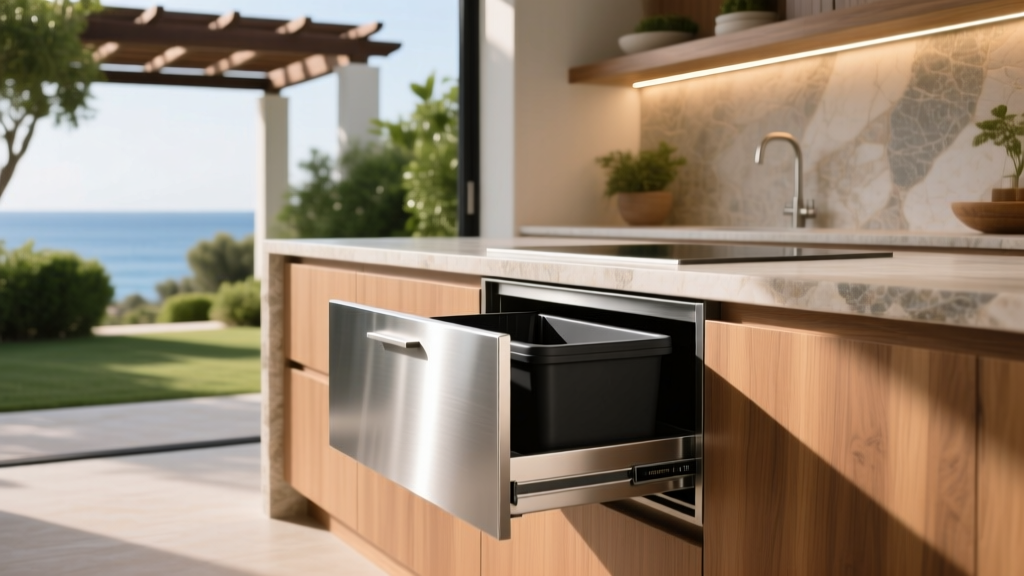 Outdoor Kitchen Trash Pull Out Drawer - The Decor Mag
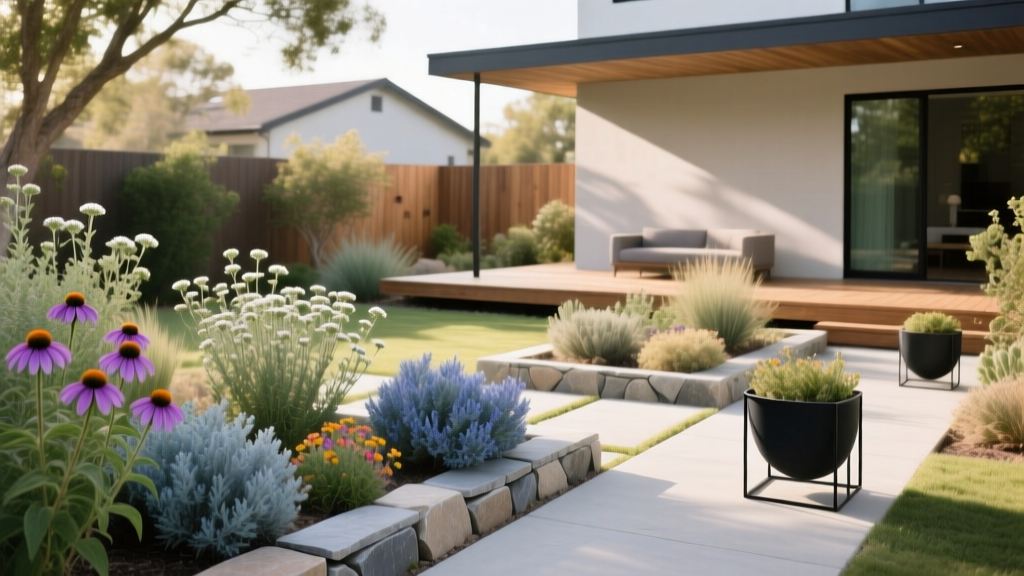 How to Design a Native Plant Garden - The Decor Mag
 The Best Reading Color for Outdoor Living Spaces: Science, Design, and Real-World Performance
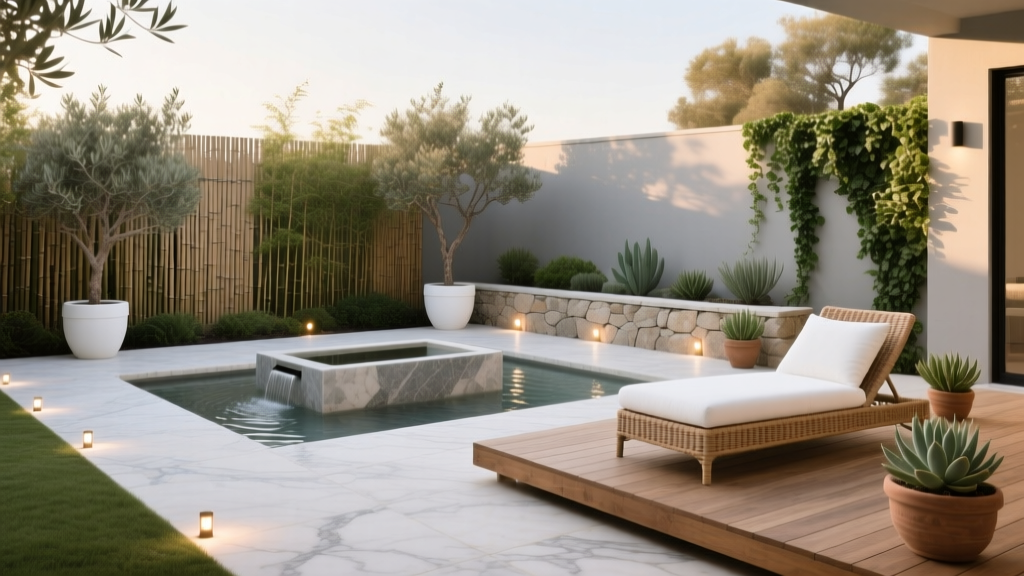 How to Design a Backyard Oasis - The Decor Mag