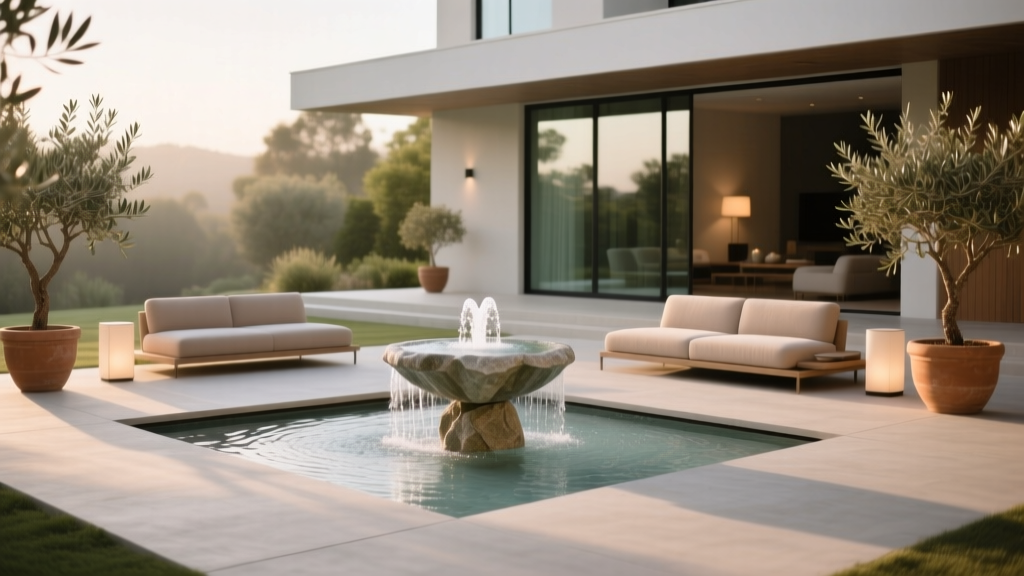
How to Incorporate Water Features Outdoors - The Decor Mag
Water changes the way an outdoor space feels—instantly. The sound softens traffic noise, the movement adds life, and reflected light can make even a small patio feel more expansive. Whether you’re designing a lush backyard retreat, upgrading a suburban deck, or refreshing a front-yard landscape, a thoughtfully chosen water feature brings a sense of calm and intention that furniture and plants alone can’t always achieve.
Beyond ambiance, water features can improve how you use your outdoor living space year-round. A bubbling fountain becomes a focal point during summer entertaining, a pond becomes a wildlife-friendly garden feature in spring, and a recirculating wall fountain keeps a courtyard feeling vibrant even in winter. With the right scale, materials, and maintenance plan, water can work in almost any climate and budget.
Start With the “Why”: Choosing the Right Type of Water Feature
Before shopping for a fountain or sketching a pond, get clear about what you want your water feature to do. The best outdoor design decisions start with function, then flow into style.
Pick your primary goal
- Sound masking: Ideal if you live near neighbors, streets, or active public spaces.
- Visual focal point: Great for patios, courtyards, and front-yard landscaping.
- Cooling effect: Useful in hot climates, especially in shaded courtyards.
- Wildlife support: Bird-friendly fountains or small ponds encourage pollinators and birds.
- Luxury experience: Reflecting pools, spillover spas, and modern water walls elevate outdoor living.
Match the feature to your space and lifestyle
- Low-maintenance households: Choose a self-contained, recirculating fountain or basin-and-urn setup.
- Families with kids/pets: Opt for shallow, covered reservoirs, bubbler stones, or wall fountains (less splash and safer access).
- Entertainers: Consider a feature that defines a seating zone—like a linear rill beside a dining patio or a fire-and-water bowl near lounge furniture.
Popular Outdoor Water Features (and Where They Work Best)
1) Self-contained fountains
These are the easiest entry point for homeowners. A self-contained fountain has a hidden reservoir and a recirculating pump.
- Best for: Patios, decks, courtyards, small gardens, front entry landscaping.
- Style tip: Choose a shape that matches your hardscaping—square/rectangular for modern patios, round/urn styles for cottage or Mediterranean landscapes.
- Budget range: $150–$1,500 (DIY setup), $1,500–$4,500 (designer pieces with professional install).
2) Bubbling boulders and basalt columns
A bubbler is a minimalist, modern classic: water bubbles from the top and returns to an underground basin.
- Best for: Contemporary landscapes, gravel gardens, drought-tolerant yards, narrow side yards.
- Material recommendation: Basalt, granite, or limestone with a drilled center; pair with river rock and steel edging for a clean finish.
- Budget range: $600–$3,000 DIY; $2,500–$7,500 installed (excavation and basin add cost).
3) Wall fountains and water walls
Perfect for privacy and small footprints, wall fountains bring sound without taking up precious floor space.
- Best for: Courtyards, patios against a fence, outdoor kitchens, poolside walls.
- Material recommendation: Powder-coated steel, stainless steel, sealed concrete, or natural stone veneer.
- Layout tip: Place behind a lounge set or along a dining edge to define zones without adding clutter.
- Budget range: $300–$2,500 (prefab), $4,000–$15,000+ (custom water wall with lighting and masonry).
4) Ponds and pondless waterfalls
A pond creates a true ecosystem, while a pondless waterfall offers the sound and look with less visible water (and typically less worry for families).
- Best for: Larger yards, naturalistic landscaping, woodland gardens.
- Maintenance note: Ponds require seasonal cleanup and algae management; pondless systems reduce standing water while keeping the same sensory payoff.
- Budget range: $3,000–$12,000 (small DIY), $10,000–$35,000+ (professionally built with boulders and filtration).
5) Reflecting pools and rills
For modern outdoor design, nothing beats a still surface. A reflecting pool can be as simple as a shallow basin with clean lines.
- Best for: Contemporary patios, formal gardens, entry courtyards.
- Material recommendation: Cast-in-place concrete with waterproofing, porcelain pavers on a mortar bed, or dark pool plaster for mirror-like reflection.
- Budget range: $8,000–$40,000+ depending on size, waterproofing, and finish materials.
Design Rules That Make Water Features Look Intentional
Scale and proportion: size it to the space
- Small patio (under 200 sq ft): 24–36 inch fountain, slim wall fountain, or a single bubbler column.
- Medium backyard (200–800 sq ft usable area): Two-tier focal fountain, pondless waterfall, or a 6–10 ft rill.
- Large yard: Multi-feature composition (stream + waterfall + seating terrace) or a reflecting pool near an outdoor living pavilion.
Placement: prioritize where you’ll hear it
Sound is one of the biggest reasons homeowners invest in water. Place your feature where you actually sit—near a dining patio, lounge seating, or bedroom window.
- For maximum sound: Add drop height (even 6–12 inches helps) and aim splash into stone, not a flat surface.
- For quiet elegance: Choose a laminar sheet flow or gentle weir into a smooth basin.
Use water to create outdoor “rooms”
In patio living, a water feature can function like a wall or anchor.
- Anchor a conversation area: Position a fountain 6–10 ft from the main seating group.
- Define a pathway moment: Place a bubbling stone at a garden junction or near a gate.
- Frame a view: Set a water bowl at the end of a walkway, aligned with your back door for a strong sightline.
Materials That Hold Up Outdoors (and Look Better With Time)
Outdoor water features are constantly exposed to sun, minerals, and temperature swings. Material choice impacts longevity and maintenance.
Best material picks for durability
- Cast stone: Classic look, good weight and stability; seal periodically for easier cleaning.
- Granite and basalt: Extremely durable, modern feel, handles freeze/thaw cycles well.
- Stainless steel (304 or 316): Sleek and contemporary; 316 is better in coastal areas.
- GFRC (glass-fiber reinforced concrete): Lighter than concrete, strong, great for modern forms.
- Copper: Beautiful patina, but costs more and can stain surrounding stone if runoff isn’t managed.
Materials to use carefully
- Unglazed terracotta: Can crack in freeze/thaw climates unless moved indoors for winter.
- Soft limestone: Gorgeous, but may show etching and mineral deposits more quickly.
Plant Pairings That Make Water Features Feel Lush (Not Overgrown)
The right plants soften edges, hide tubing, and integrate the feature into your landscaping. Choose plants based on moisture, sunlight, and your style—clean and architectural or layered and naturalistic.
Great plants around fountains and basins (low splash zones)
- Boxwood (Buxus spp.): Formal structure for traditional or modern designs.
- Dwarf mondo grass (Ophiopogon japonicus ‘Nana’): Tidy edging for courtyards and patios.
- Heuchera (Coral bells): Colorful foliage, great in part shade.
- Japanese forest grass (Hakonechloa macra): Soft movement, excellent near stone.
- Lavender (Lavandula): For sunny, Mediterranean-style patio landscapes; keep it slightly away from constant splash.
Plants for pond edges and boggy areas (where appropriate)
- Blue flag iris (Iris versicolor) or Japanese iris (Iris ensata): Stunning seasonal blooms.
- Pickerel rush (Pontederia cordata): Pollinator-friendly, strong vertical shape.
- Horsetail reed (Equisetum hyemale): Modern, architectural; contains aggressively—best in pots.
- Sedges (Carex spp.): Great for naturalistic transitions.
Planting design tips
- Keep a “service ring”: Leave 12–18 inches clear around access points for cleaning and pump maintenance.
- Layer heights: Low edging + mid-height texture + one taller accent plant creates a designed look.
- Avoid heavy leaf droppers: If possible, don’t place fountains directly under messy trees (more on this in mistakes to avoid).
Furniture and Lighting: Make Water Part of Outdoor Living
A water feature looks best when it supports how you live outside—lounging, dining, entertaining, or quiet mornings with coffee.
Furniture recommendations by vibe
- Modern patio: Low-profile sectional in powder-coated aluminum, teak accents, and a concrete or sintered-stone coffee table near a linear water feature.
- Classic garden seating: Wrought iron or aluminum bistro set near a tiered fountain; add a cushion in performance fabric for comfort.
- Resort-style backyard: Chaise lounges near a water wall or spillway bowl; add side tables in teak or composite for wet zones.
Lighting that elevates water at night
- Submersible LED lights: Warm white (2700K–3000K) looks natural and inviting.
- Spot uplighting: Aim at textured stone or a bubbler column to highlight movement.
- Path lights: Use low-glare fixtures to guide guests to the feature for evening patio living.
Climate and Year-Round Outdoor Living Considerations
Freeze/thaw climates
- Choose frost-friendly materials: Granite, basalt, sealed concrete, and quality cast stone hold up best.
- Winter plan: Many fountains should be drained and covered before hard freezes. Store removable pumps indoors.
- Design for snow: A wall fountain or bubbler with a protected basin area is easier to winterize than a complex pond system.
Hot and arid climates
- Reduce evaporation: Choose a smaller surface area (bubbling stone over a hidden basin) and add shade with a pergola or tree canopy.
- Mind mineral buildup: Hard water creates scale quickly; consider using filtered water or a scale inhibitor.
- Pair with drought-tolerant landscaping: Gravel, decomposed granite, agave, rosemary, and lavender complement modern water elements.
Humid climates
- Control algae: Keep water moving, clean filters regularly, and reduce direct sun exposure where possible.
- Choose breathable, mold-resistant fabrics: For nearby patio furniture, prioritize solution-dyed acrylics and quick-dry foam.
Coastal areas
- Use marine-grade materials: Stainless steel 316, sealed stone, and corrosion-resistant pumps.
- Rinse hardscapes: Occasional fresh-water rinse helps reduce salt residue on stone and metal.
Maintenance Basics: Keep It Beautiful Without a Weekly Chore List
A realistic maintenance plan is the difference between a water feature you love and one you avoid.
Simple routine to follow
- Weekly (5–10 minutes): Top off water level; remove leaves or debris.
- Monthly: Clean the pump intake and check tubing connections; wipe mineral deposits before they build up.
- Seasonally: Deep clean basin/rocks; inspect seals; winterize if needed.
Helpful add-ons
- Auto-fill valve: Excellent for busy homeowners; reduces pump burnout from low water.
- Skimmer (pond systems): Captures debris before it sinks.
- UV clarifier (ponds): Helps manage green water in sunny locations.
Budget Planning: What Water Features Typically Cost
Costs vary based on size, excavation, electrical work, and materials. Here are homeowner-friendly ranges to help you plan.
- Budget-friendly ($150–$800): Small resin or ceramic fountain, container fountain DIY, basic pump and basin.
- Mid-range ($800–$5,000): Cast-stone fountain, bubbling boulder with basin, wall fountain with lighting, basic professional installation.
- Premium ($5,000–$20,000+): Pondless waterfall, custom water wall, rills/reflecting pools, integrated lighting and hardscape upgrades.
Common Mistakes to Avoid
- Going too small for the setting: A tiny fountain can look lost in a large yard. Match scale to your patio and landscaping.
- Ignoring sound goals: If you want noticeable sound, you need movement and drop height—not just a still basin.
- Placing it under messy trees: Falling leaves and seeds clog pumps and stain basins fast.
- Forgetting access: You’ll need to reach the pump. Don’t bury it under heavy rocks without a service plan.
- Skipping proper leveling: A tilted basin splashes unevenly and can run dry on one side.
- Underestimating electrical needs: Outdoor-rated GFCI outlets, conduit, and safe placement matter—hire a licensed electrician when required.
FAQ: Outdoor Water Features for Patios, Gardens, and Yards
What’s the lowest-maintenance outdoor water feature?
A self-contained recirculating fountain or a bubbling stone with a hidden reservoir tends to be easiest. Add an auto-fill valve for even less upkeep.
Are water features mosquito magnets?
Not when water is moving. Mosquitoes prefer stagnant water. Keep the pump running, clean debris regularly, and avoid shallow standing puddles around the basin.
Do I need a professional to install a water feature?
Many small fountains are DIY-friendly. If your plan involves excavation, hardwired electrical, significant stonework, or a pond system with filtration, professional installation is often worth it for safety and longevity.
How do I keep my fountain from getting white mineral buildup?
Use distilled or filtered water when possible, wipe surfaces weekly, and consider a scale-control product. Dark stone shows deposits less than glossy finishes.
Can I run a water feature year-round?
In mild climates, yes—especially with durable materials and routine cleaning. In freezing climates, many features should be drained and winterized to prevent cracked basins and damaged pumps.
What water feature works best for a small patio?
A slim wall fountain, a compact cube fountain, or a container fountain placed near seating delivers the biggest impact without crowding your layout.
Next Steps: Bring Water Into Your Outdoor Design
Start by choosing one clear purpose—sound, focal point, privacy, or wildlife—then select a feature that fits your patio living layout and maintenance comfort level. Sketch placement from the spots where you relax most, pick durable materials that suit your climate, and finish the scene with layered planting, comfortable outdoor furniture, and warm lighting for evening ambiance.
For more outdoor living inspiration, landscaping ideas, and patio design upgrades, explore the latest guides and trends on thedecormag.com.
More Articles
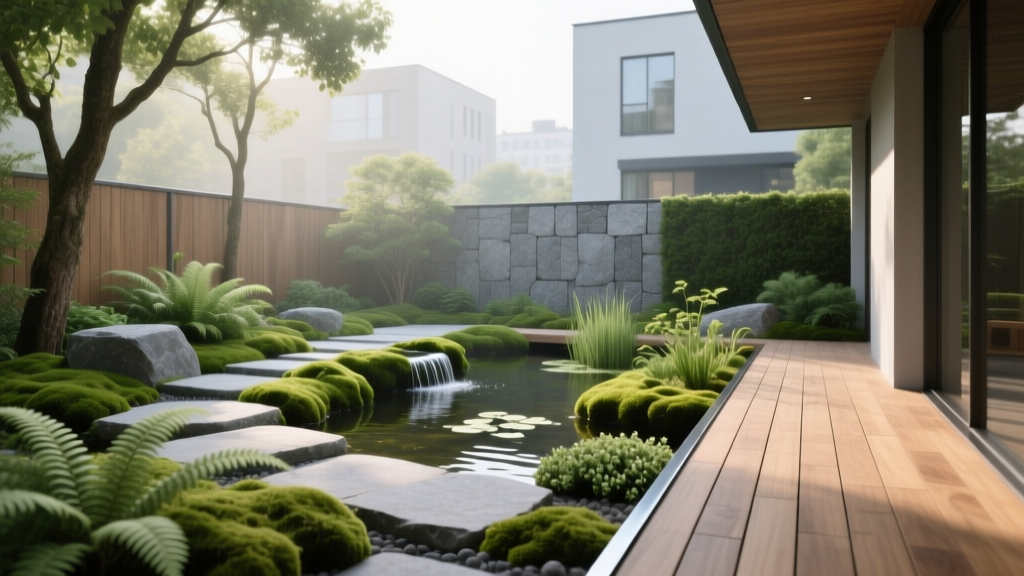 How to Design a Bog Garden - The Decor Mag
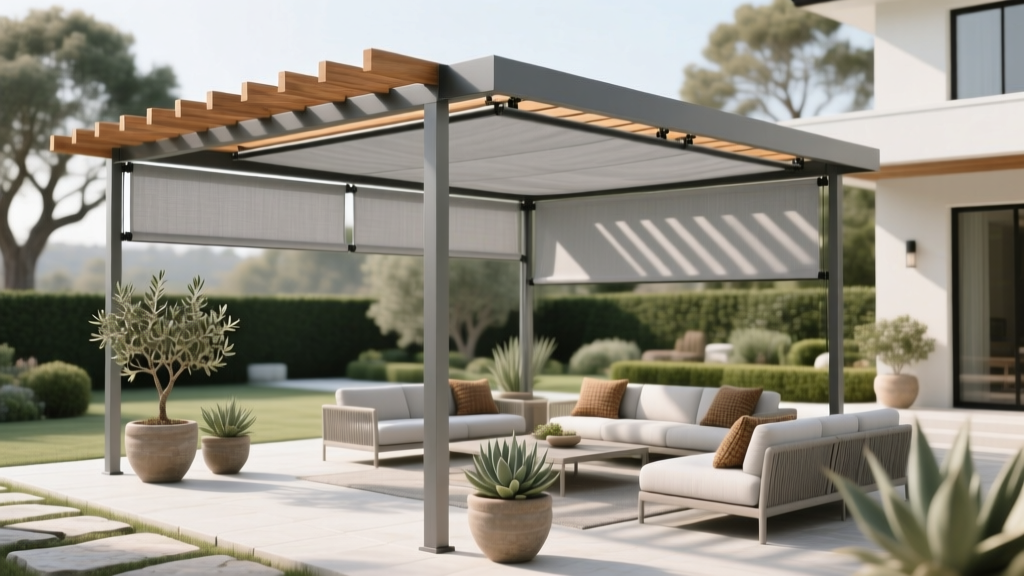 Best Pergola and Shade Structure Ideas - The Decor Mag
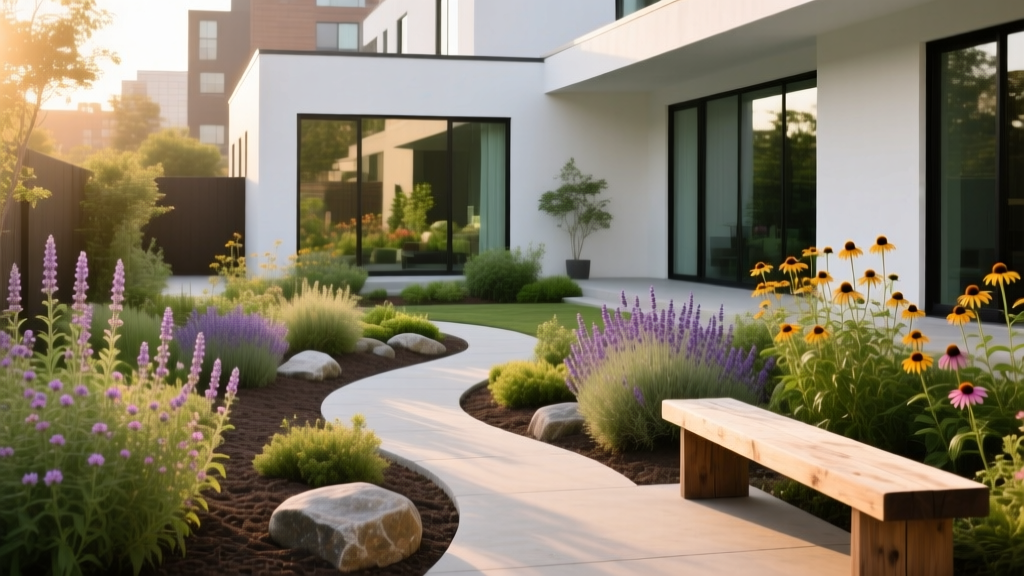 How to Design a Pollinator Pathway - The Decor Mag
 Outdoor Kitchen Rotisserie Attachment Guide - The Decor Mag
 How to Design a Prairie Garden - The Decor Mag
 Outdoor Pavilion Heater Placement - The Decor Mag
 Outdoor Trellis and Climbing Plant Ideas - The Decor Mag
 Best Outdoor Side Table Options - The Decor Mag
 Outdoor Arbor and Gate Design Ideas - The Decor Mag
 Outdoor Kitchen Power Burner Installation - The Decor Mag