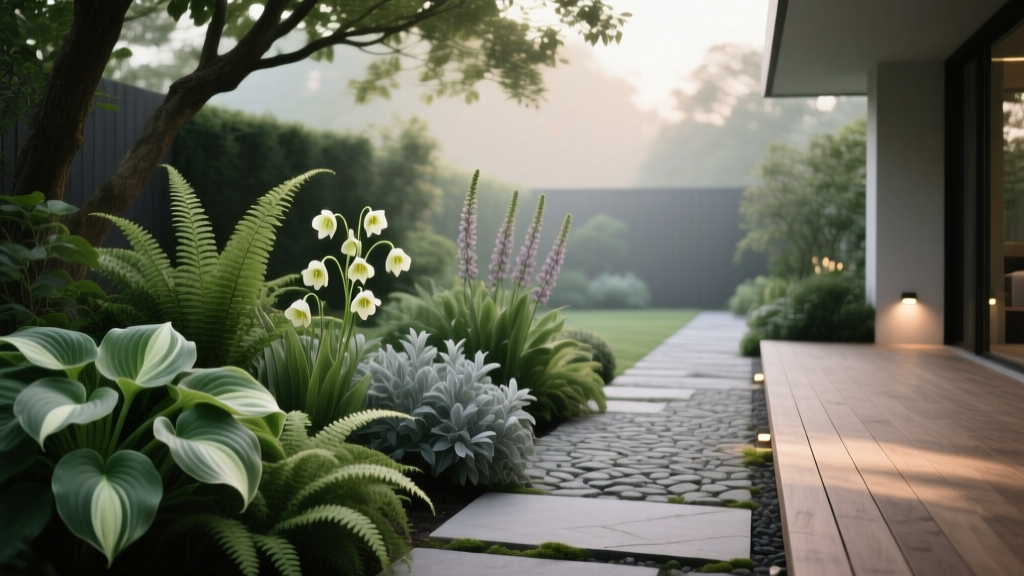
How to Design a Shade Tolerant Border - The Decor Mag
Shade can feel like a design challenge—especially when you’re dreaming of a lush border that frames a patio, softens a fence line, or makes a narrow side yard feel intentional. But in outdoor living design, shade is often an advantage. It offers a cooler microclimate for seating, reduces summer glare, and lets you grow plants with rich foliage textures and sophisticated color that sun borders can’t always match.
A well-designed shade tolerant border becomes the backdrop that makes your outdoor space feel finished. Think of it as living architecture: it guides views, creates privacy, muffles noise, and adds seasonal interest without demanding constant replanting. With the right layout, plant palette, and materials, a shady border can look vibrant from spring through winter—while staying comfortable for year-round patio living.
This guide walks you through the practical steps: assessing your shade, choosing plants that thrive, designing for depth and structure, pairing the border with furniture and hardscape materials, and avoiding the common mistakes that lead to leggy plants and muddy beds.
Start by Reading the Shade: Light Levels, Moisture, and Roots
Identify your shade type
“Shade” isn’t one condition. Matching plants and materials to the specific type of shade is the difference between a border that thrives and one that limps along.
- Dappled shade: Filtered light under open-canopy trees (often the easiest for a shade garden border).
- Partial shade: 3–6 hours of sun, typically morning sun with afternoon shade.
- Full shade: Fewer than 3 hours of direct sun (common along north-facing walls and dense evergreens).
- Dry shade: Under mature trees where roots compete and rainfall is intercepted.
- Moist shade: Low areas, downspouts, or naturally damp microclimates.
Quick site checklist (10 minutes that saves you weeks)
- Track sunlight: Note sun patches at 9am, noon, and 4pm for a few days.
- Test drainage: After watering, does water sit for more than 2–3 hours?
- Check for tree roots: Shallow roots will affect digging and watering schedules.
- Look up: Evergreens create darker, drier shade than deciduous trees.
- Consider reflection: Light-colored fences/walls bounce light and boost growth.
Design Principles for a Shade Tolerant Border That Looks Intentional
Build a “layered edge” like a pro
The most attractive landscape borders—especially in shade—use layers to create depth. Aim for three height tiers plus a repeatable ground layer.
- Back layer (structure): Shrubs or tall perennials to anchor the border and provide privacy.
- Mid layer (body): Mounding perennials and grasses for volume and flow.
- Front layer (edge control): Low plants that define a crisp line along patios and paths.
- Ground layer (unifier): A repeating plant or mulch to visually knit everything together.
Use repetition, not a “plant collector” mix
Shade borders feel calmer and more upscale when you repeat a few strong performers rather than mixing dozens of one-offs. Choose:
- 1–2 structural shrubs
- 3–5 perennial “workhorses” (repeated in drifts)
- 1 signature foliage plant (big leaves, bold texture)
- 1 evergreen groundcover or edging plant
Design for contrast: foliage is your color in shade
Flowers are a bonus in shade; foliage is the main event. Combine:
- Big leaves: hosta, ligularia (moist shade), bergenia
- Fine texture: ferns, sedges (Carex), Japanese forest grass
- Glossy leaves: hellebores, sarcococca (sweet box)
- Variegation: brunnera, lamium, variegated euonymus (mild climates)
Plant Picks: Shade-Loving Stars for Borders
Reliable shrubs for the back layer (structure + privacy)
- Hydrangea (Hydrangea macrophylla, H. serrata, H. arborescens): Great for partial shade; consistent summer impact.
- Azalea/Rhododendron: Classic evergreen or deciduous structure; prefers acidic soil and even moisture.
- Sarcococca (Sweet box): Evergreen, fragrant winter blooms; excellent for full shade in many regions.
- Skimmia japonica: Evergreen, shade tolerant, winter berries (needs a pollinator variety).
- Camellia (mild winter climates): Glossy evergreen leaves and winter/spring blooms; thrives in partial shade.
Perennials that earn their keep (mid layer)
- Helleborus (Lenten rose): Evergreen in many climates; late winter to spring flowers; drought tolerant once established.
- Heuchera (Coral bells): Colorful foliage; works well along patios; prefers well-drained soil.
- Brunnera macrophylla: Heart-shaped leaves, spring blue flowers; brightens deep shade.
- Astilbe: Feathery plumes; best in moist shade; stunning for a soft, layered border.
- Epimedium (Barrenwort): Excellent in dry shade; delicate flowers; tough groundcover-like habit.
- Japanese anemone (Anemone hupehensis): Late-season blooms for fall interest; give it room.
Edging and groundcovers (front layer + unifier)
- Hakonechloa (Japanese forest grass): Graceful movement; brightens shade; ideal along paths.
- Carex (Sedge): Evergreen in many regions; tidy mounds; low maintenance.
- Lamium maculatum: Fast coverage for shady spots; great for slopes; can spread—edge it.
- Pachysandra: Traditional evergreen groundcover for deep shade; best in well-prepped soil.
- Ajuga: Spring flowers and rich foliage; tolerates shade but can run—use where you want coverage.
Ferns for instant woodland polish
- Japanese painted fern: Silvery tones that glow in shade.
- Autumn fern: Warm coppery new fronds; great seasonal change.
- Christmas fern: Evergreen structure in winter in many climates.
Layout Ideas for Patios, Paths, and Side Yards
Border depth: the rule that changes everything
The biggest visual upgrade is giving the border enough depth to layer plants. Recommended depths:
- Minimum: 3 ft (works for a narrow side yard)
- Ideal: 5–8 ft (allows shrubs + perennials + edging)
- Statement border: 10–12 ft (creates a true “garden room” feel near patios)
Three ready-to-use shade border “recipes”
1) Modern shade border for a contemporary patio
- Back layer: Hydrangea + clipped evergreen (boxwood where suitable, or inkberry holly)
- Mid layer: Heuchera (repeat 3–5 clumps) + hellebores
- Front layer: Carex or hakonechloa in a continuous ribbon
- Look: Clean lines, restrained color, strong foliage contrast
2) Woodland border for a cozy outdoor living nook
- Back layer: Rhododendron/azalea + sweet box
- Mid layer: Brunnera + ferns + astilbe (where moisture is reliable)
- Front layer: Epimedium or lamium (controlled with edging)
- Look: Lush, layered, soft and natural—perfect behind a bench
3) Dry-shade problem-solver under trees
- Back layer: Tough shrubs suited to your region (often rhododendron in acidic soils; consider smaller choices to reduce water demand)
- Mid layer: Epimedium + hellebores + heuchera
- Front layer: Carex + a mulch ring (2–3 inches) to hold moisture
- Look: Resilient and tidy without needing daily watering
Materials and Hardscape: Make Shade Feel Bright and Finished
Edging that keeps shade borders crisp
- Steel edging (powder-coated or corten): Sleek, long-lasting, great for modern landscape design; typically $3–$8 per linear ft (materials).
- Natural stone (granite setts, limestone): Premium, timeless; $15–$40+ per linear ft installed depending on region.
- Paver soldier course: Matches patios and creates a clean transition; budget varies with paver type.
Mulch and soil: the unseen upgrade
- Shredded hardwood mulch: Best for slopes and rain splash; refresh annually.
- Compost + leaf mold: Ideal for shade borders; improves soil structure and moisture retention.
- Avoid: Thick layers of rock mulch in shade—it traps heat poorly, complicates planting, and can look harsh in low light.
Outdoor furniture that works next to lush shade borders
Shady patio living often means more time outdoors in summer. Choose materials that resist moisture and mildew:
- Powder-coated aluminum: Lightweight, rust-resistant; great for dining sets near borders. Typical range: $400–$2,500+ depending on size and brand.
- All-weather wicker (resin rattan): Cozy texture that pairs beautifully with foliage; look for UV-rated weave. Range: $600–$4,000+ for seating groups.
- Teak: Classic, durable, ages to silver; higher cost but long life. Range: $800–$5,000+.
- Performance cushions: Solution-dyed acrylic (like Sunbrella-type fabrics) resists fading and mildew better than basic polyester.
Seasonal Strategy: Keep the Border Attractive All Year
Spring
- Let hellebores, brunnera, and early bulbs (like snowdrops in suitable climates) do the heavy lifting.
- Top-dress with compost before growth takes off.
Summer
- Hydrangea and heuchera carry the border visually; keep watering consistent in dry spells.
- Watch airflow: dense shade + humidity can invite mildew—thin crowded plants.
Fall
- Japanese anemone and autumn fern add late-season life.
- Leave some seed heads and fern structure for a natural look into winter.
Winter
- Evergreens (sweet box, skimmia, certain sedges) prevent the border from going flat.
- Mulch after the ground cools to protect roots in cold climates.
Maintenance and Climate Considerations
Watering in shade is different
- Moist shade: Focus on drainage—amend with compost and avoid overwatering.
- Dry shade: Deep water 1–2 times per week during establishment (first season), then taper. Use drip irrigation or soaker hoses under mulch for efficiency.
Cold vs. warm climates
- Cold-winter regions: Prioritize hardy perennials (hellebores, ferns, brunnera) and protect tender shrubs from winter wind.
- Hot-summer regions: Afternoon shade is a gift; choose heat-tolerant shade plants and keep mulch consistent to reduce evaporation.
- Humid climates: Space plants for airflow; select mildew-resistant hydrangeas and avoid overcrowding.
Budget ranges for building a shade tolerant border
- Budget refresh ($150–$500): Define the edge, add mulch/compost, and plant repeating drifts of 2–3 perennials (small pots) plus one groundcover.
- Mid-range makeover ($600–$2,000): Add 2–5 shrubs, more mature perennials, drip irrigation kit, and upgraded edging (steel or pavers).
- Premium upgrade ($2,500–$8,000+): Stone edging, larger shrubs, landscape lighting, soil remediation, and cohesive planting design for a patio “garden room.”
Common Mistakes to Avoid (and What to Do Instead)
- Mistake: Treating shade like “no plant will grow here.”
Do instead: Match plants to dappled vs. full shade and dry vs. moist conditions. - Mistake: Planting too close together for an instant look.
Do instead: Space for mature width; use mulch and repeating groundcovers to fill the gaps early. - Mistake: Ignoring soil prep under trees.
Do instead: Top-dress with compost and leaf mold; avoid aggressive digging that damages roots—plant smaller starts and water deeply. - Mistake: Relying only on flowers for interest.
Do instead: Design with foliage contrast and include evergreen elements for winter structure. - Mistake: Letting the edge get messy along patios and walkways.
Do instead: Install crisp edging and choose a dependable front layer (Carex, hakonechloa, epimedium).
FAQ: Shade Tolerant Border Design
What are the best low-maintenance plants for a shade border?
Great low-maintenance choices include hellebores, ferns, brunnera, epimedium, Carex (sedges), and many hostas. Pair them with a few shrubs like sweet box or hydrangea (if you have partial shade) for structure.
How do I brighten a shady garden border?
Use light-reflecting elements: variegated foliage (brunnera, lamium), silver-toned ferns, and pale mulch or light gravel in adjacent path areas (not necessarily in the bed). Light-colored fences, trellises, or painted walls can also bounce light into the planting.
Can I grow hydrangeas in full shade?
Most hydrangeas perform best in partial shade with some morning sun. In deep shade, blooms can be limited. If your spot is truly full shade, focus on foliage-driven perennials and consider shrubs known for full shade tolerance like sweet box (climate permitting).
What’s the easiest way to design a border along a patio?
Keep the front edge simple: choose one edging plant (like Carex or hakonechloa) and repeat it in a continuous line. Behind it, plant drifts of 2–3 perennials, then anchor the back with a few shrubs. Repetition is what makes patio landscaping look cohesive.
How do I handle tree roots when planting a shade border?
Avoid trenching and major root cutting. Use smaller plant sizes, add compost as a top-dress, and plant in pockets between roots. Drip irrigation under mulch helps new plants establish without constant hand watering.
Should I use landscape fabric in a shade border?
Usually no. Fabric can interfere with soil improvement and makes future planting harder. A 2–3 inch layer of shredded hardwood mulch over well-prepped soil does a better job suppressing weeds while improving the bed over time.
Next Steps: Turn Your Shade Into Your Favorite Outdoor “Room”
Walk your yard and map the shade pattern first, then pick a simple layered plan: a structural back row, a lush mid layer, and a clean front edge that makes patios and paths feel polished. Invest in soil prep and edging, repeat a few standout plants, and you’ll get a shade tolerant border that looks designed—not accidental—through every season.
For more landscaping ideas, patio living inspiration, and outdoor design guides, explore the latest on thedecormag.com.
More Articles
 Premium Alternatives to Paint: Durable, Sustainable, and Aesthetic Solutions for Outdoor Living Surfaces
 Outdoor Kitchen Sink Apron Front Ideas - The Decor Mag
 Outdoor Kitchen Electrical Planning Guide - The Decor Mag
 How to Create a Bird Friendly Garden - The Decor Mag
 Best Outdoor Bar Cheese Board Display - The Decor Mag
 How to Create a Shade Garden - The Decor Mag
 Best Outdoor Lighting Ideas for Ambiance - The Decor Mag
 How to Design a Permaculture Garden - The Decor Mag
 How to Design a Pollinator Pathway - The Decor Mag
 Outdoor Kitchen Ideas: Budget & Space Solutions