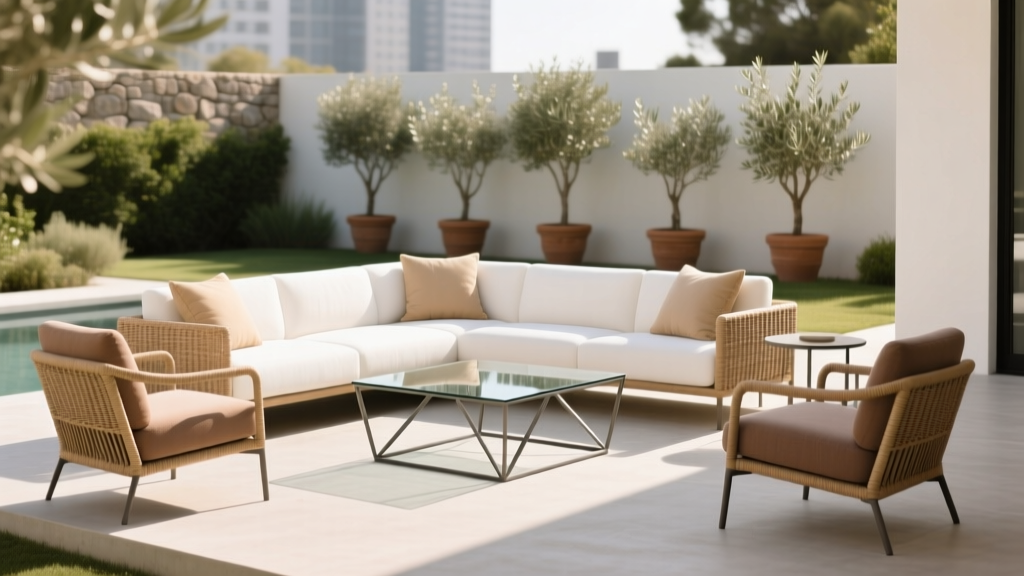
How to Choose the Best Patio Furniture Set - The Decor Mag
Your patio furniture set does more than fill outdoor space—it sets the tone for how you live outside. The right seating makes morning coffee feel like a ritual, turns casual weeknight dinners into something special, and gives guests a natural place to gather. When your patio, deck, or garden lounge is thoughtfully furnished, you use it more often and enjoy it longer through the seasons.
But choosing the best patio furniture isn’t just about picking a style you like. Outdoor living comes with sun, wind, rain, pollen, temperature swings, and the occasional spilled drink or muddy paw print. A smart choice balances comfort, durability, layout, and maintenance—while still looking like a natural extension of your home and landscape design.
Use this guide to match your patio furniture set to your space, climate, and lifestyle, with practical recommendations on materials, layouts, cushions, plants, and budget-friendly ways to make your outdoor living area feel finished.
Start with How You Actually Use Your Outdoor Space
Before you fall for a sleek outdoor sectional or a dreamy bistro set, get clear on what you want your patio to do. The “best” set is the one that supports your daily routine and the way you entertain.
Pick your primary outdoor living goal
- Dining outdoors: Family meals, weekend grilling, hosting dinner parties
- Lounging and conversation: Reading, chatting, relaxing with a drink
- Sun and pool time: Tanning ledges, pool decks, backyard resort vibes
- Small-space enjoyment: Apartment patio, balcony, compact garden nook
- All-season use: Covered patio with heater/fire feature, year-round outdoor living
Match the set type to your lifestyle
- Outdoor dining set: Best for frequent meals outside; choose comfortable chairs and enough clearance for serving.
- Conversation set: Typically 4–6 seats with a coffee table; ideal for social patios.
- Outdoor sectional: Great for larger patios and families; look for modular pieces you can reconfigure.
- Bistro set: Perfect for small patios, balconies, and garden corners; charming and space-savvy.
- Chaise loungers: Poolside and sunny spots; consider adjustable backs and quick-dry materials.
- Mixed setup: Combine dining + lounge zones for a designer look (and better function).
Measure Your Patio and Plan the Layout Like a Pro
Outdoor furniture that “kind of fits” rarely feels comfortable. Great patio design starts with circulation and proportions.
Outdoor spacing guidelines that make everything feel better
- Walkways: Keep 30–36 inches for main paths around furniture.
- Dining chair pull-back space: Allow 24–30 inches behind chairs.
- Coffee table distance: Aim for 14–18 inches from seating.
- Rug sizing: Choose an outdoor rug that allows at least the front legs of all seating to sit on it.
- Umbrella clearance: Ensure the canopy clears heads when seated and doesn’t clash with tree branches or rooflines.
Easy layout formulas for patios, decks, and yards
- Small patio (under 100 sq ft): Bistro set + vertical planters + slim side table.
- Medium patio (100–250 sq ft): Conversation set + compact dining for 4, or a sectional with a single dining zone nearby.
- Large patio (250+ sq ft): Two zones: dining (near the kitchen/grill) + lounge (near fire pit or view).
Design tip: Anchor seating with an outdoor rug and keep “visual clutter” low by choosing fewer, larger pieces instead of many small chairs.
Choose the Best Materials for Your Climate and Maintenance Style
The most stylish patio furniture won’t stay beautiful if it’s the wrong material for your weather. Think of outdoor furniture materials like exterior paint—choose what performs well where you live.
Frames: what lasts outside
Aluminum (powder-coated)
- Best for: Humid climates, coastal areas, rain-prone regions
- Why it works: Rust-resistant, lightweight, low maintenance
- Look for: Welded joints, thick gauge aluminum, quality powder coating
Teak
- Best for: Sun-heavy patios, upscale outdoor living spaces, long-term investment
- Why it works: Naturally weather-resistant oils; ages gracefully
- Maintenance: Let it silver naturally, or clean and re-oil for warm honey tones
All-weather wicker (resin wicker over aluminum)
- Best for: Covered patios, cozy conversation areas
- Why it works: Comfortable, classic texture, lighter than wood
- Watch for: Avoid bargain wicker over steel frames (rust risk); choose UV-stabilized resin
Stainless steel
- Best for: Modern patio design, high-end looks, mild to dry climates
- Considerations: Can show fingerprints; coastal areas require higher grades (304/316) and regular rinsing
Wrought iron / steel
- Best for: Windy areas (heavy pieces stay put), traditional landscapes
- Considerations: Needs rust prevention; can get hot in direct sun; choose powder-coated finishes
Tabletops: durability meets style
- Porcelain or ceramic tile: Heat- and stain-resistant; great for dining patios.
- Concrete or fiber concrete: Modern, substantial; pair with softer cushions; use covers to reduce staining.
- Tempered glass: Easy to wipe clean; shows dust/pollen quickly.
- HDPE “polywood”: Low maintenance, great in sun and snow; excellent for coastal homes too.
Cushions and fabrics: where comfort meets real-world durability
- Performance fabrics: Look for solution-dyed acrylics (like Sunbrella-style fabrics) for fade resistance.
- Quick-dry foam: Worth it in rainy or humid climates; reduces mildew risk.
- Color strategy: Mid-tones hide pollen and everyday dust better than pure white; patterns disguise spills.
Style and Design: Make the Patio Feel Like an Outdoor Room
Patio furniture should complement your home’s architecture and your landscaping, not compete with it. The easiest path to a pulled-together look is to choose a clear style direction and build around it.
Popular outdoor design directions (and what to buy)
- Modern: Low-profile aluminum frames, neutral cushions, concrete fire table, black accents.
- Coastal: White or sand-toned frames, teak accents, navy stripes, breezy umbrellas.
- Mediterranean: Warm wood, woven textures, terracotta planters, patterned outdoor pillows.
- Farmhouse/Classic: Adirondack chairs, mixed woods, galvanized lanterns, soft plaids.
- Desert/Contemporary: Rust or bronze metals, textured neutrals, drought-tolerant plants, sculptural pottery.
Specific add-ons that instantly upgrade outdoor living
- Outdoor rug: Defines zones and adds comfort underfoot.
- Lighting: Warm LED string lights, solar path lights, or hardwired sconces for year-round ambiance.
- Shade: Market umbrella, cantilever umbrella, pergola, or retractable awning.
- Heat: Tabletop fire bowl, fire pit, or patio heater extends the season.
- Side tables: More useful than you think—add at least one per two seats.
Plants That Make Patio Furniture Look Better (and Feel More Private)
Landscaping and patio furniture work best as a team. Plants soften hard edges, cool the space visually, and make outdoor seating feel intentional.
Best plants to pair with patio living areas
- Fragrance near seating: Lavender, jasmine (warm climates), rosemary, sweet alyssum.
- Privacy planters: Clumping bamboo (non-invasive varieties), boxwood, podocarpus, tall ornamental grasses (like miscanthus).
- Pollinator-friendly color: Salvia, coneflower, catmint, lantana (warm climates).
- Low-maintenance container favorites: Dwarf grasses, succulents, coleus (shade), geraniums (sun).
- Shade solutions: Small trees in large pots (olive, Japanese maple where suitable), or trellised vines like star jasmine or clematis.
Placement tip: Frame a conversation set with two large planters at the “corners” of the seating area. It creates a room-like feel and improves privacy without building walls.
Budget Ranges: What to Expect at Each Level
Patio furniture sets vary wildly in price. Use these ranges to shop with realistic expectations—and to decide where it’s worth investing.
- $300–$800: Entry-level conversation sets, bistro sets, basic dining for 4. Look for aluminum frames over steel, and plan to use covers.
- $800–$2,500: The sweet spot for many homeowners. Better powder coating, thicker cushions, modular sectionals, and more durable wicker/HDPE options.
- $2,500–$6,000+: Premium teak, high-end aluminum, deep seating, performance fabrics, designer styling, and replacement part availability.
Smart splurge: Spend more on the frame and fabric (the parts that take the beating), then refresh the look later with pillows, rugs, and planters.
Seasonal and Year-Round Outdoor Living Considerations
Your patio can work in every season with the right planning.
Hot sun and heat
- Choose lighter frame colors and breathable fabrics to reduce heat buildup.
- Add shade: cantilever umbrellas are ideal for sectionals and lounge zones.
- Consider heat-tolerant materials like aluminum, teak, and HDPE.
Rain, humidity, and mildew
- Prioritize quick-dry cushions and breathable covers.
- Keep furniture slightly off walls to improve airflow.
- Rinse pollen and grime regularly to prevent staining and mildew.
Snow and freeze-thaw climates
- Choose HDPE, aluminum, and teak for better winter durability.
- Store cushions in a deck box or garage during deep winter.
- Avoid leaving porous concrete tabletops uncovered in harsh freeze-thaw cycles.
Windy locations
- Heavier furniture (wrought iron, heavier teak, concrete tables) resists shifting.
- Secure umbrellas with proper weighted bases; close umbrellas when not in use.
Maintenance: Keep Your Patio Furniture Looking New
Low-maintenance patio furniture still benefits from a simple routine. A little care extends lifespan and keeps outdoor design looking polished.
- Weekly (5 minutes): Shake off cushions, wipe tables, sweep under furniture to prevent grime rings.
- Monthly: Rinse frames with a hose and mild soap; clean glass tops; spot-clean cushions.
- Seasonally: Deep clean fabrics, tighten bolts, touch up chips, oil teak if you want to preserve color.
Cover strategy: Covers work best when furniture is clean and dry. Use vented covers to avoid trapping moisture.
Common Mistakes to Avoid When Buying Patio Furniture
- Buying for looks only: Deep seating that’s too low or dining chairs that aren’t comfortable will go unused.
- Ignoring scale: Oversized sectionals can swallow small patios; tiny sets can look lost on large decks.
- Choosing the wrong material for your climate: Steel in humid areas and bargain wicker in full sun often fails quickly.
- Underestimating cushion performance: Cheap foam and non-performance fabric fade and mildew faster than you expect.
- Forgetting shade and lighting: Without them, even beautiful furniture won’t feel inviting at midday or after dark.
- Not planning storage: If you don’t have a place for cushions in winter or storms, choose quick-dry or slimmer cushion profiles.
Quick Checklist: Choosing the Best Patio Furniture Set
- Define your primary use: dining, lounging, or mixed zones.
- Measure the space and map walkways (30–36 inches where possible).
- Choose a frame material suited to your climate (aluminum/teak/HDPE are safest bets).
- Invest in performance cushions and quick-dry foam if rain or humidity is common.
- Plan shade, lighting, and at least one side table per two seats.
- Finish with plants, planters, and an outdoor rug to create an outdoor room.
FAQ: Patio Furniture Sets
What is the most durable patio furniture material?
For most climates, powder-coated aluminum and HDPE (polywood) offer the best durability with low maintenance. Teak is also exceptionally long-lasting and beautiful, especially if you’re comfortable with its natural aging.
Is an outdoor sectional a good idea for a small patio?
It can be—if you choose a compact modular sectional and maintain clear walkways. For very tight spaces, a loveseat + two chairs or a bistro set often feels more flexible and less crowded.
How do I keep outdoor cushions from getting mildew?
Use quick-dry foam, choose performance fabric, and store cushions in a deck box during heavy rain stretches. Avoid covering wet cushions, and improve airflow by spacing furniture slightly apart.
What’s the best patio furniture for a coastal backyard?
Coastal air is hard on metal. Choose powder-coated aluminum, HDPE, or teak. If you love stainless steel, look for higher-grade options and rinse periodically to reduce salt buildup.
How can I make an affordable patio furniture set look high-end?
Upgrade with a larger outdoor rug, coordinated pillows in performance fabrics, oversized planters, and warm lighting. Keeping the palette cohesive (two to three main colors) makes even budget-friendly outdoor furniture look intentional.
Next Steps: Build Your Patio Furniture Plan
Choose the best patio furniture set by working from function to layout to materials—then finish with shade, lighting, and greenery that ties your patio to the rest of your landscape design. Start by measuring your space, deciding on your main outdoor living goals, and selecting weather-appropriate materials that won’t demand constant upkeep.
If you’re ready to keep refining your patio, deck, and garden style, explore more outdoor living inspiration, landscaping ideas, and patio design guides on thedecormag.com.
More Articles
 Best Outdoor Bar Muddler and Jigger Storage - The Decor Mag
 Outdoor Pergola Motorized Shade System - The Decor Mag
 How to Design a Candlelit Garden Path - The Decor Mag
 Best Outdoor Bar Cabinet Ideas - The Decor Mag
 Modern Outdoor Living Space Ideas for 2026 - The Decor Mag
 Best Outdoor Heater Options for Cool Nights - The Decor Mag
 Best Outdoor Bar Wine Glass Hanger - The Decor Mag
 How to Incorporate Water Features Outdoors - The Decor Mag
 How to Design a Fern Garden - The Decor Mag
 Materials vs Science: How Engineering Precision and Material Innovation Are Redefining Outdoor Living