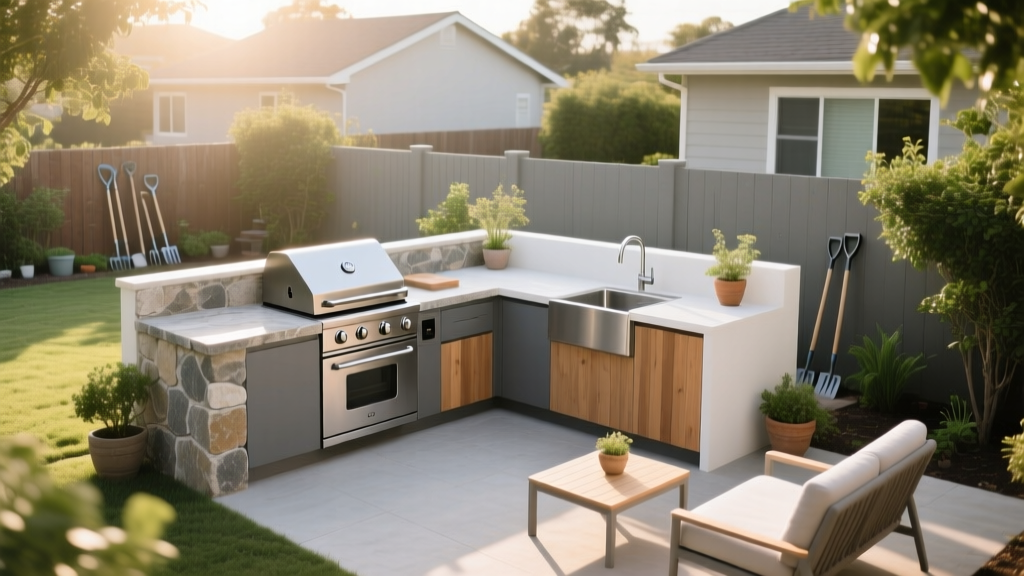
Outdoor Kitchen Ideas: Budget & Space Solutions
Why Your Outdoor Kitchen Should Feel Like an Extension of Your Home
More than just a place to grill burgers, today’s outdoor kitchens are social hubs—where friends gather over sizzling steaks, kids chase fireflies at dusk, and summer evenings stretch long into starlit nights. Whether you’ve got a sprawling backyard or a compact urban patio, building a functional, beautiful cooking station is more achievable—and more rewarding—than ever. The key isn’t square footage or deep pockets—it’s smart planning, weather-aware materials, and honest budgeting.
Essential Components: What Every Outdoor Cooking Station Needs
Grill Type: Match It to Your Lifestyle (Not Just Your Budget)
Gas grills (like Weber Genesis E-335 or Napoleon Rogue 425) offer precision heat control and quick startup—ideal for weeknight dinners and frequent entertaining. Charcoal (e.g., Kamado Joe Classic III or Big Green Egg) delivers unmatched flavor and sear but demands more time and technique. For tight spaces or rental-friendly setups, consider high-BTU portable infrared units like the Solaire Anywhere ($399), which fits on a standard patio table and runs on a 1-lb propane cylinder.
Prep Surfaces & Storage: Function Meets Flow
At minimum, aim for 36" of contiguous countertop space beside your grill—ideally made from non-porous, freeze-thaw resistant materials like quartzite, stainless steel, or concrete (not marble or limestone). Built-in storage should include at least one locking cabinet for propane tanks or tools, plus open shelving for frequently used items (tongs, brushes, spice rack). Brands like Fire Magic and Lynx offer modular stainless-steel base cabinets rated for outdoor use with marine-grade hardware and powder-coated frames.
Lighting: Safety + Ambiance in One
Task lighting under hoods or above prep zones prevents nighttime mishaps—integrated LED strips (e.g., WAC Lighting’s Wet Location Series) deliver 3000K–4000K warm-white light with IP65+ ratings. Accent lighting—like low-voltage path lights (Malibu or Unique Lighting) or recessed step lights—adds drama and guides guests safely after dark.
Budget Tiers: Realistic Builds That Deliver Joy (Not Just Jargon)
| Budget Tier | Core Components | Smart Upgrades | What You Sacrifice |
|---|---|---|---|
| $500 DIY Setup | Charbroil Signature Series 4-Burner Gas Grill ($349), folding stainless-steel prep table ($89), heavy-duty nylon grill cover ($45), solar-powered LED string lights ($17) | Add a $22 magnetic knife strip and $15 foldable herb planter box | Permanent cabinetry, integrated lighting, utility hookups (gas/electric/water) |
| $2,000 Mid-Range | Napoleon Prestige 500 Propane Grill ($1,399), custom-cut 4' x 2' granite-topped base cabinet ($320), 12V under-cabinet lighting kit ($49), wall-mounted stainless sink ($149) | Propane tank enclosure ($65), built-in Bluetooth speaker ($89), weatherproof outlet box ($32) | Full plumbing, refrigeration, or stone veneer cladding |
| $10,000+ Professional | Wolf Dual-Fuel Grill ($4,295), custom masonry island with Wolf refrigerator drawer ($2,495), Fire Magic side burner & rotisserie ($1,199), full gas line + GFCI electrical + potable water run ($1,800+) | Integrated audio system, motorized pergola awning, custom tile backsplash, built-in wine chiller | Nothing—except maybe patience during permitting and 12–16 week lead times |
Location, Location, Weather-Proofed Location
Start with proximity: your outdoor kitchen should be within 15–25 feet of your indoor kitchen door—not only for convenience (carrying platters, refilling ice), but also for code compliance in many municipalities, which require accessible pathways and limited distance to emergency exits. Next, observe wind patterns: spend a weekend tracking prevailing breezes (a simple ribbon tied to a fence post works wonders). Position your grill perpendicular—not directly facing—the dominant wind direction to avoid smoke blowing toward seating or windows.
Utility access is non-negotiable for high-end builds. A licensed plumber and electrician must handle gas line extensions (CSST or black iron pipe), dedicated 20-amp GFCI circuits, and frost-proof spigots. For DIYers, stick with propane tanks stored in ventilated, lockable enclosures—never indoors or under covered decks without proper clearance (minimum 36" vertical, 18" lateral per NFPA 58).
Weatherproofing That Actually Works (Not Just Wishful Thinking)
Outdoor kitchens face UV degradation, freeze-thaw cracking, salt corrosion (near coasts), and mold growth in humid climates. Choose wisely:
- Countertops: Quartzite > granite > concrete > tile. Avoid cultured marble or laminate—they delaminate fast.
- Cabinets: Marine-grade plywood with exterior-grade RTF finishes (e.g., Fortress Outdoor Kitchens) outperforms MDF or particleboard by 3–5x lifespan.
- Covers: Skip generic vinyl. Invest in custom-fit, breathable covers with reinforced grommets and UV inhibitors—Weber’s Heavy-Duty All-Weather Cover or Classic Accessories Veranda ($129–$249) last 3–4 seasons vs. 1 season for big-box alternatives.
Seasonal Maintenance: 15 Minutes a Month to Save Hundreds
Spring: Deep-clean burners and flavorizer bars with a brass brush; inspect gas lines for cracks or rodent damage; reseal granite countertops with penetrating sealer (e.g., Miracle Sealants 511 Porous Plus).
Summer: Wipe stainless surfaces weekly with vinegar-water (1:1) to prevent mineral spotting; empty drip trays before each cook; check propane regulator pressure (should read 11" WC).
Fall: Drain and winterize sinks and faucets if plumbed; store removable accessories (thermometers, griddle plates) indoors; apply food-grade mineral oil to cast-iron grates.
Winter: Remove and store electronic igniters and control panels if not rated for sub-freezing temps (most aren’t). Cover—but never seal tightly—grills to allow moisture escape and prevent condensation buildup.
Creative Small-Space Solutions: Balconies, Patios & Tiny Yards
You don’t need a backyard to host unforgettable al fresco meals. In NYC or Berlin apartments, we’ve seen stunning results with:
- The ‘Balcony Bistro’: A wall-mounted fold-down stainless prep table (Custom Metal Works, $295), paired with a Solaire infrared grill and a compact 12V fridge drawer mounted under the counter.
- Patio Pocket Kitchen: A 36" wide rolling island (Brava Outdoor’s ModuLite Cart, $799) with locking casters, integrated sink, and slide-out trash bin—stows against the house when not in use.
- Fire Pit + Grill Hybrid: The Solo Stove Mesa ($449) doubles as a smokeless fire pit and grill grate platform—perfect for rooftop decks where open flame is restricted but ambiance is non-negotiable.
Pro tip: Always check HOA rules and local fire codes before drilling, mounting, or installing gas—even portable units may require permits in high-density areas.
Your Outdoor Kitchen Starts With One Decision—Not One Dollar
Whether you’re assembling a $500 grill-and-table combo this weekend or designing a $15,000 masonry masterpiece with a landscape architect, remember: the heart of any outdoor kitchen isn’t stainless steel or stone—it’s the laughter that gathers around it. Start small. Build with intention. And never let budget—or square footage—stand between you and your next great meal under the open sky.
More Articles
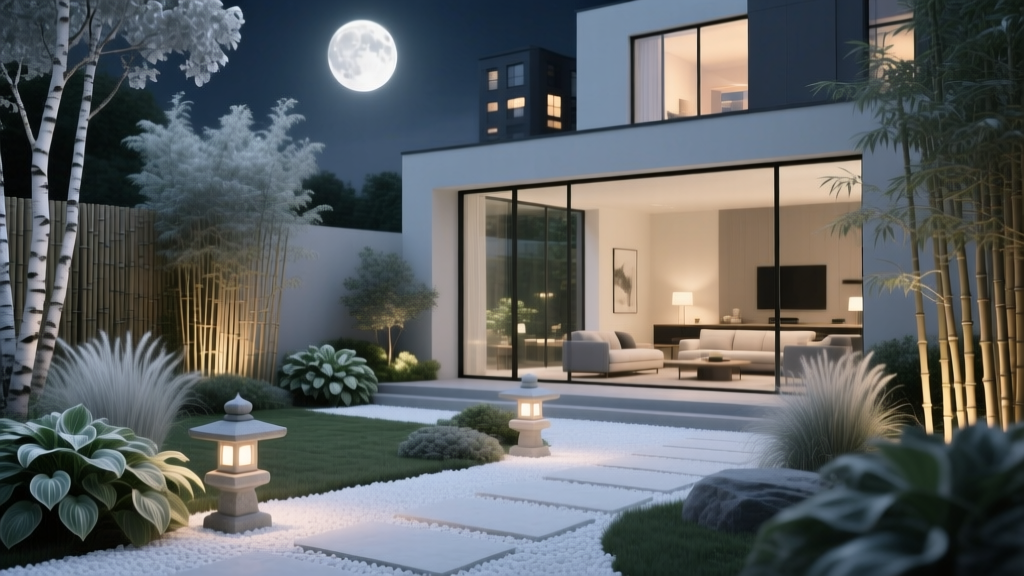 How to Design a Moonlight Garden - The Decor Mag
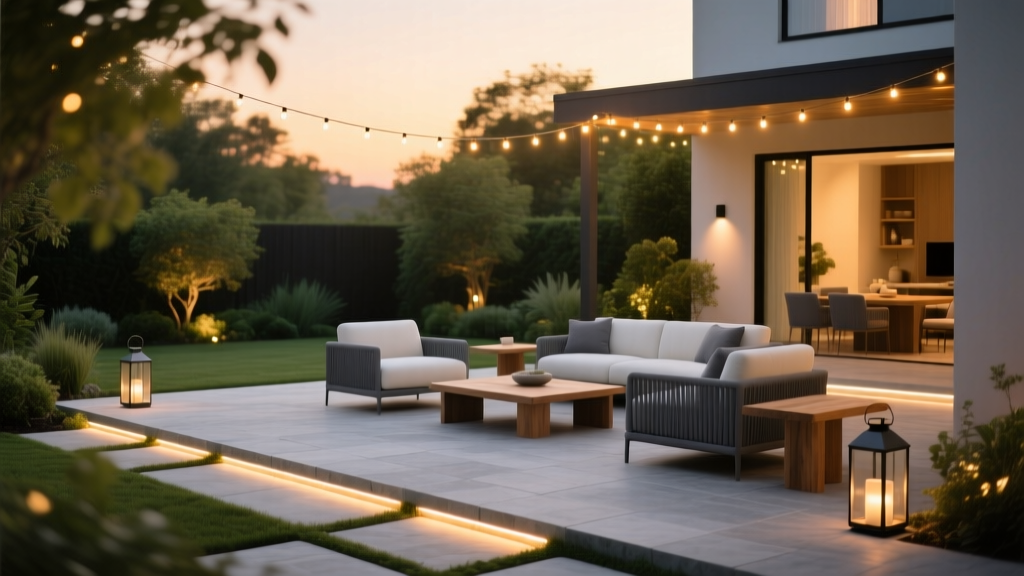 Best Outdoor Lighting Ideas for Ambiance - The Decor Mag
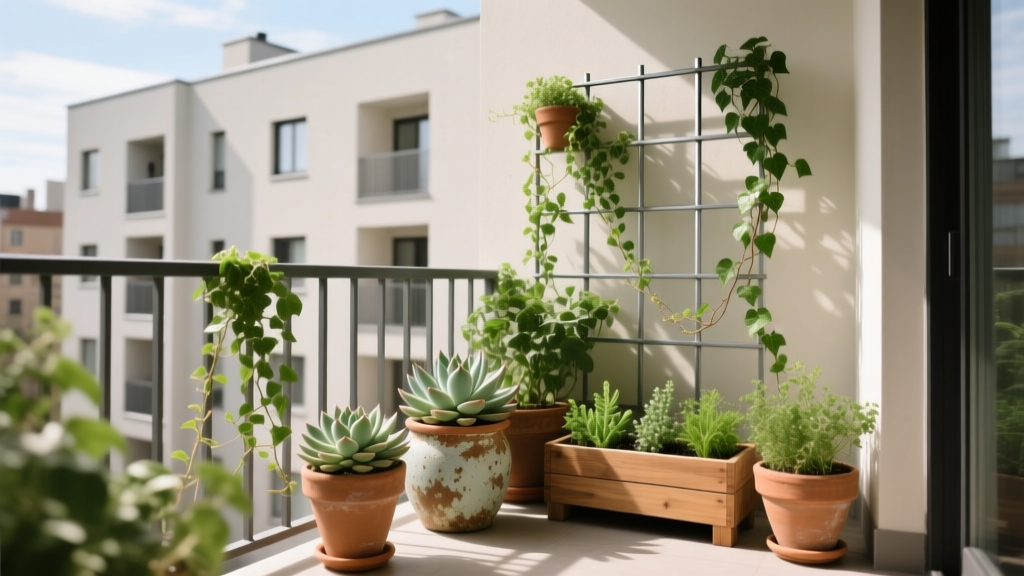 Small Balcony Garden Design Inspiration - The Decor Mag
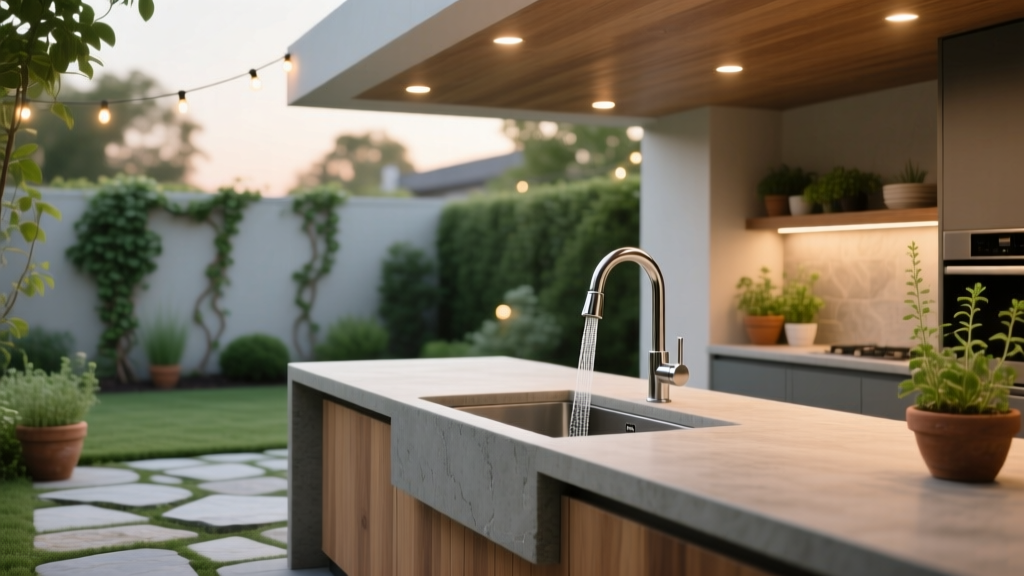 Outdoor Sink and Prep Station Ideas - The Decor Mag
 How to Create a Hugelkultur Garden Bed - The Decor Mag
 Best Outdoor Bar Menu Board Display - The Decor Mag
 How to Create a Spiral Herb Garden - The Decor Mag
 Best Outdoor Bar Lime Wheel Display - The Decor Mag
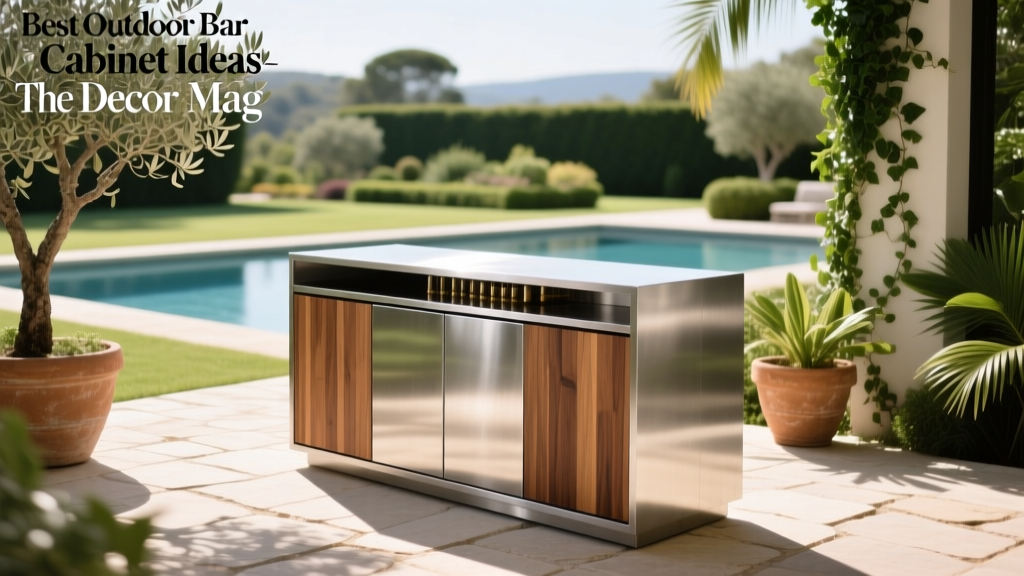 Best Outdoor Bar Cabinet Ideas - The Decor Mag
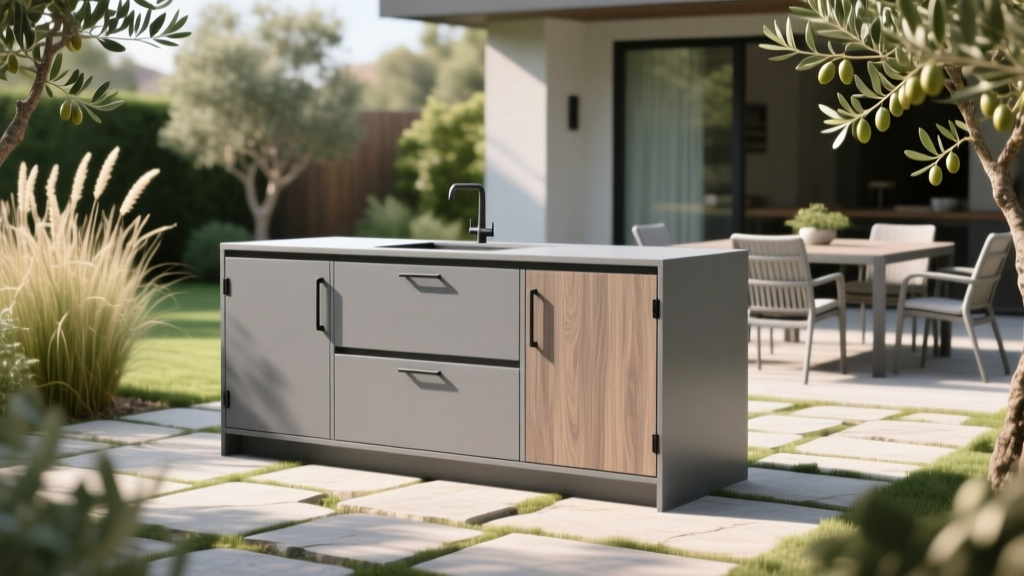 Outdoor Kitchen Storage Cabinet Guide - The Decor Mag