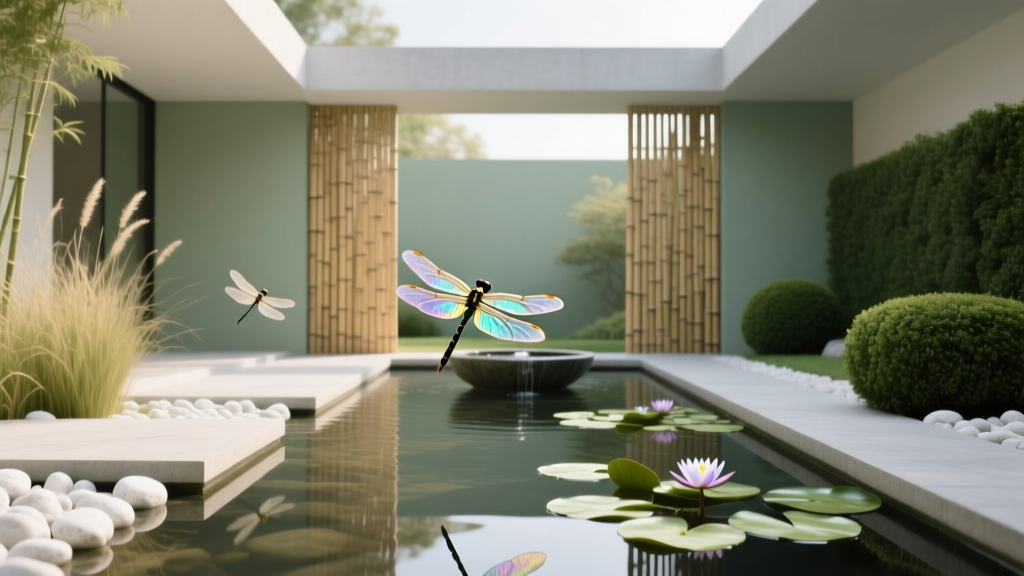
How to Design a Dragonfly Garden - The Decor Mag
Dragonflies are the ultimate “good neighbor” in the garden: they’re mesmerizing to watch, gentle on outdoor living spaces, and famously effective at reducing mosquitoes. If you’ve ever lingered on a patio at dusk and wished the air felt calmer (and less bitey), a dragonfly-friendly landscape design is one of the most satisfying upgrades you can make—both for comfort and for the health of your backyard ecosystem.
Even better, a dragonfly garden isn’t just a wildlife project; it’s a design opportunity. The shimmering wings, quick swoops over water, and perching behavior on ornamental grasses can become a living focal point—like kinetic art that returns every season. When you pair a small water feature with smart plant layering, natural materials, and inviting patio furniture, you create a yard that feels resort-like, yet practical for everyday outdoor living.
This guide walks you through layouts, plants, materials, and maintenance strategies so your patio, garden, and yard work together to attract dragonflies—while looking polished year-round.
What Makes a “Dragonfly Garden” Work?
Dragonflies need two core elements: clean, still or slow-moving water to reproduce and sunny perches and plant habitat to hunt, rest, and shelter from wind. Great dragonfly garden design balances ecology with outdoor design fundamentals—circulation, views, seating comfort, and easy upkeep.
The essentials dragonflies look for
- Water: a pond, basin, stock tank, rain garden, or recirculating water feature with shallow edges
- Sun: at least 4–6 hours of direct sun on the water and nearby plants
- Perches: stems, reeds, grasses, branches, boulders, or posts near water
- Shelter: mixed-height planting (groundcovers to shrubs) to buffer wind
- Low chemicals: minimal pesticides and careful fertilizer use
Start with the Layout: Where Water Meets Patio Living
The most successful dragonfly gardens feel intentional: the water feature becomes the “destination,” and the patio or seating zone is positioned to enjoy it. Think of this as outdoor living design first—dragonfly habitat second—so the space is beautiful even before the first dragonfly arrives.
Best placement for a dragonfly-friendly water feature
- Sun exposure: place water where it gets morning and midday sun; avoid deep shade under mature trees
- Visibility: site the water feature where you can see it from a patio, deck, or kitchen window
- Wind protection: use shrubs, fencing, or a pergola as a windbreak, but don’t block sun
- Distance from leaf drop: keep 10–20 feet away from heavy-shedding trees to reduce maintenance
Three proven design layouts
- Patio + Pond “Room”: A small pond (6'–10' wide) framed by boulders and grasses, with a dining set or lounge seating 8–15 feet away.
- Courtyard Basin Garden: A large recirculating basin or stock tank centered in a gravel courtyard with container plants and a bistro set—ideal for smaller yards.
- Rain Garden Edge: A shallow depression planted with moisture lovers that catches roof runoff, paired with a stepping-stone path and a bench at the sunniest edge.
Choose the Right Water Feature (with Budget Ranges)
Dragonflies will use many water styles, as long as the conditions are right. Your budget, space, and maintenance tolerance should guide the choice.
Option A: Naturalistic backyard pond
- Best for: maximum dragonfly activity and the most “garden oasis” impact
- Design specs: include a shallow shelf (6–12 inches deep) and deeper zone (18–30 inches) for temperature stability
- Materials: EPDM rubber liner (45 mil), underlayment fabric, natural stone or boulders, biofilter/skimmer (optional)
- Budget range: $1,500–$5,000 DIY; $6,000–$20,000 professionally installed (size and stonework drive cost)
Option B: Stock tank pond or container water garden
- Best for: patios, courtyards, and budget-friendly upgrades
- Design specs: use an 80–150 gallon galvanized stock tank or a large ceramic basin; add rocks and aquatic planters to create “edges”
- Materials: stock tank, aquatic planting baskets, pea gravel, small solar fountain (optional)
- Budget range: $250–$1,200
Option C: Recirculating fountain with a shallow basin
- Best for: homeowners who want sound and movement with lower mosquito risk
- Design specs: choose a basin wide enough to create landing zones; include marginal plants nearby since dragonflies also need vegetation
- Materials: cast stone or GFRC basin, pump, river rock, auto-fill kit (optional)
- Budget range: $600–$4,000
Water quality basics (mosquito-friendly and dragonfly-friendly)
- Add circulation: a small pump/fountain helps; dragonflies still use nearby plants for hunting.
- Include plants: aquatic and marginal plants support dragonfly larvae and provide perches.
- Avoid chemicals: skip pesticide tablets and harsh algaecides; they can disrupt beneficial insect life.
- Consider native fish carefully: fish can eat dragonfly larvae; if you add fish, keep populations low and provide dense plant cover.
Planting Design: Build Habitat That Looks Styled
Dragonfly garden landscaping works best with layered planting: aquatic plants in the water, marginals at the edge, sun-loving perennials beyond, and a few shrubs to frame views and shelter seating areas. Aim for a mix of textures—reeds, broad leaves, airy flowers, and ornamental grasses.
Top dragonfly-attracting plants (by zone)
Aquatic and floating plants
- Water lilies (Nymphaea): shade the water, reduce algae, and add a luxe, resort feel
- American pondweed (Potamogeton nodosus): excellent habitat in natural ponds
- Duck potato / Arrowhead (Sagittaria latifolia): native option with strong stems for perching
Marginal plants (edges and shelves)
- Blue flag iris (Iris versicolor): spring color and upright structure
- Soft rush (Juncus effusus): sculptural, modern look; great perching stems
- Pickerelweed (Pontederia cordata): purple blooms and thick habitat
- Sweetflag (Acorus): grassy texture for clean-lined landscapes
Sun-loving perennials nearby (pollinator + dragonfly support)
- Joe-Pye weed (Eutrochium): tall, late-summer blooms; excellent backdrop
- Black-eyed Susan (Rudbeckia): long bloom window and easy care
- Bee balm (Monarda): summer color and fragrance near patios
- Yarrow (Achillea): drought-tolerant, great for edges and pathways
- Milkweed (Asclepias): supports pollinators and adds bold texture
Grasses and shrubs for structure and year-round outdoor design
- Switchgrass (Panicum virgatum): upright, native, winter interest
- Little bluestem (Schizachyrium scoparium): coppery fall color; perfect for modern landscaping
- Inkberry holly (Ilex glabra): evergreen structure without a fussy look
- Red twig dogwood (Cornus sericea): winter color that keeps the garden lively in the off-season
Planting tips that make the space look professionally designed
- Repeat 2–3 “signature” plants: for cohesion (example: soft rush + iris + switchgrass repeated around the water feature).
- Frame the view: place taller grasses behind the pond and lower perennials toward the seating area.
- Keep an open edge: leave a small “view window” so the water reads as a focal point from the patio.
- Use stone as a transition: boulders, cobbles, or a stone cap create a clean boundary between planting and water.
Furniture and Outdoor Living Details That Elevate the Experience
A dragonfly garden should be comfortable enough to use daily. Design your patio living area so you’ll actually sit and enjoy the dragonfly activity—morning coffee, sunset conversations, and everything between.
Furniture recommendations (durable, garden-friendly)
- Powder-coated aluminum lounge chairs: rust-resistant and lightweight for repositioning with the sun
- Teak or acacia seating: warm, natural look that complements water and stone (plan for periodic oiling if you want to maintain color)
- All-weather wicker (high-quality resin): cozy for conversation sets near a pond
- Fabric choices: solution-dyed acrylic (like Sunbrella-type performance fabric) for fade resistance and easy cleanup
Small upgrades with big payoff
- Shade: a cantilever umbrella or pergola keeps the patio usable in summer while leaving the pond in sun
- Lighting: warm, low-voltage path lights or shielded sconces; avoid harsh floodlighting that disrupts nighttime garden life
- Sound: a gentle bubbler or spillway creates spa-like ambiance without overpowering conversation
Materials That Look Natural and Handle Water Well
Water features and patio design need materials that tolerate moisture, splashes, and freeze-thaw cycles.
Best hardscape and edging materials
- Natural stone (granite, limestone, fieldstone): timeless, high-end look; great for boulders and coping stones
- Porcelain pavers: excellent for modern patios; low-porosity and slip-resistant when rated for exterior use
- Decomposed granite (DG) or pea gravel: budget-friendly and permeable; ideal around stock tanks or small basins
- Cedar or composite edging: clean lines for contemporary water gardens (keep wood slightly back from constant wet areas)
Budget ranges for patio + garden finish work
- Gravel courtyard (200–400 sq ft): $600–$2,500
- Concrete patio (basic broom finish): $8–$15 per sq ft
- Porcelain paver patio: $18–$35 per sq ft installed
- Natural stone patio: $25–$60+ per sq ft installed
Climate and Seasonal Considerations for Year-Round Outdoor Living
Your region influences water feature depth, plant choices, and winter care. The goal is a landscape that performs beautifully through heat waves, rainy seasons, and cold snaps—without turning into a maintenance burden.
Cold climates (freeze-thaw, snow)
- Pond depth: go deeper (18–30 inches) for stability; use rocks strategically to protect liner edges.
- Winterizing: remove pumps that aren’t rated for freezing temperatures; use a pond de-icer if needed.
- Four-season structure: rely on evergreens, red twig dogwood, and grasses left standing for winter texture.
Hot, dry climates
- Evaporation planning: consider auto-fill, deeper basins, and partial windbreaks.
- Algae control: add water lilies for shade and avoid nutrient runoff from lawn fertilizers.
- Planting: use drought-tolerant natives around the water feature; keep high-water plants closer to the pond edge.
Humid, rainy climates
- Drainage: build a rain garden overflow zone so heavy storms don’t wash mulch into the pond.
- Material choice: prioritize slip-resistant pavers and stable gravel paths.
- Pruning: keep airflow around the seating area to reduce mildew on cushions and nearby plants.
Maintenance: Keep It Beautiful Without Constant Work
Dragonfly gardens can be surprisingly low-maintenance if you set them up correctly. The trick is designing for easy access and stable water conditions.
Weekly (10–20 minutes)
- Skim leaves and debris from the water surface
- Check water level; top off as needed
- Quickly inspect pump intake (if you have one)
Seasonally
- Spring: divide marginals if crowded; refresh gravel; restart pumps
- Summer: trim spent blooms; thin floating plants if they cover too much surface
- Fall: net the pond if leaf drop is heavy; cut back plants in stages (leave some stems for perching)
- Winter: protect equipment; keep paths clear and safe for year-round patio access
Common Mistakes to Avoid
- Placing water in deep shade: dragonflies prefer sunny, warmer water; shade also encourages debris buildup.
- Overstocking fish: too many fish can reduce dragonfly larvae and diminish dragonfly sightings.
- Using pesticides near water: many products harm aquatic life and beneficial insects; opt for integrated pest management and hand removal where possible.
- Skipping shallow shelves: steep-sided basins reduce habitat and make planting harder; include ledges or planting baskets.
- Designing without seating: a dragonfly garden is an outdoor living feature—give yourself a comfortable place to enjoy it.
- Ignoring access: leave stepping stones or a narrow service path so you can maintain the water feature without trampling plants.
FAQ: Designing a Dragonfly Garden
Do dragonfly gardens attract mosquitoes?
They can if water is stagnant and unbalanced. A well-designed water feature with plants, occasional circulation, and minimal nutrient runoff typically supports dragonfly larvae and other predators that reduce mosquito populations over time.
How long does it take for dragonflies to show up?
If dragonflies are in your area, you may see adults within days or weeks of adding water and perching plants. Establishing a breeding population can take a full season or more, especially if the water feature is new.
Can I create a dragonfly garden without a pond?
Yes. A large container water garden, stock tank pond, or even a shallow recirculating basin paired with dense planting can attract dragonflies. The key is providing water plus sunny perches and shelter.
What are the best plants if I want a clean, modern landscape design?
Choose architectural plants like soft rush (Juncus), sweetflag (Acorus), iris, and switchgrass, then use porcelain pavers, gravel, and minimal stone edging for crisp lines.
Will dragonflies bother people on the patio?
No—dragonflies are not aggressive toward humans. They’re excellent to have around seating areas because they hunt small flying insects and add movement and interest to the garden.
What’s the easiest beginner setup?
A stock tank pond (80–150 gallons) with a few aquatic baskets (iris, rush, pickerelweed), a small solar bubbler, and a simple gravel seating area nearby is one of the fastest, most budget-friendly ways to get started.
Next Steps: Bring Dragonflies Into Your Outdoor Living Space
Start by choosing a sunny spot where a water feature can become a focal point from your patio or outdoor seating area. Pick one water solution that fits your yard and budget, then build outward with layered planting—marginals at the edge, perennials for color, and grasses for year-round structure. Add comfortable, weather-ready furniture and soft lighting so the space feels just as inviting in spring mornings as it does on late-summer evenings.
For more landscaping ideas, patio design inspiration, and outdoor living upgrades that make your yard feel like a destination, explore the latest guides on thedecormag.com.
More Articles
 Outdoor Kitchen Warming Drawer Install - The Decor Mag
 Best Outdoor Bar Tool Storage Ideas - The Decor Mag
 Deck vs Patio Design Comparison - The Decor Mag
 Outdoor Pizza Oven Installation Guide - The Decor Mag
 Outdoor Retractable Awning Guide - The Decor Mag
 7 Bedside Common Mistakes That Sabotage Sleep, Safety, and Bedroom Functionality
 Outdoor Pavilion and Cabana Structures - The Decor Mag
 How to Design a Japanese-Inspired Garden - The Decor Mag
 Outdoor Kitchen Gas Line Planning - The Decor Mag
 Best Outdoor Beverage Tub Options - The Decor Mag