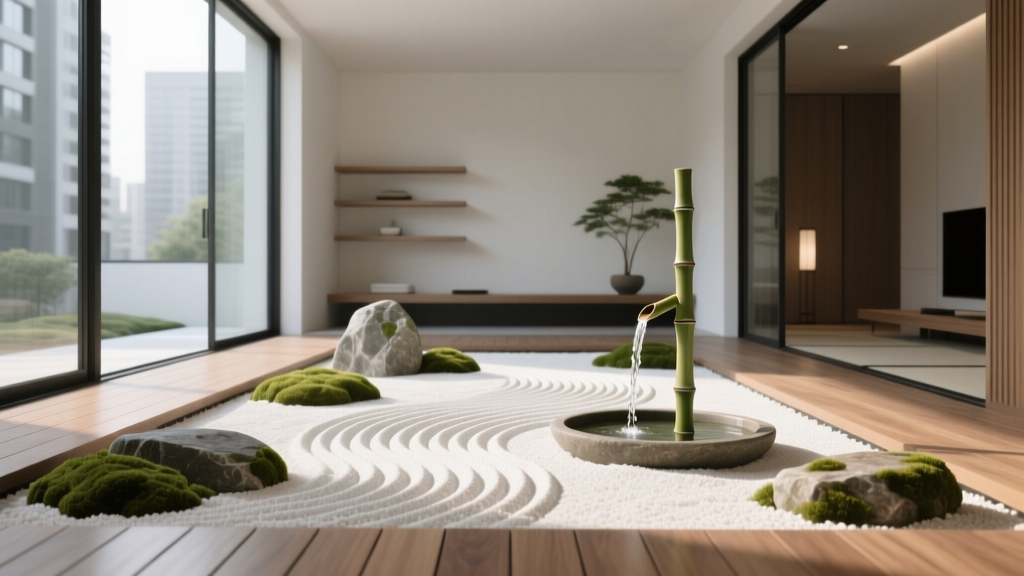
How to Create a Zen Garden - The Decor Mag
A great outdoor living space doesn’t have to be loud to feel luxurious. A Zen garden—rooted in Japanese-inspired landscape design—brings calm to patios, courtyards, side yards, and even compact urban spaces. It’s a way to turn an overlooked corner into a restorative retreat where you can sip coffee, read, meditate, or simply breathe a little slower.
What makes a Zen garden especially valuable for homeowners is how flexible it can be. You can design a minimalist dry landscape with gravel and stone that looks crisp year-round, or blend in soft plantings and a water feature for a more lush, spa-like vibe. Whether you’re upgrading a patio living area, refining your landscaping, or building a backyard sanctuary, a Zen garden offers a clear design framework: simplicity, balance, and intention.
This guide walks you through layout, materials, plants, furniture, maintenance, and seasonal strategies so your Zen garden feels authentic, livable, and beautiful in every season.
What Makes a Garden “Zen”?
Zen gardens are less about decoration and more about atmosphere. Classic elements include stone, gravel, carefully pruned greenery, and open space. The goal is a landscape design that feels composed and quiet—supporting reflection and mindful outdoor living.
Core design principles
- Simplicity: Fewer materials, fewer plant varieties, cleaner lines.
- Asymmetrical balance: Visual harmony without perfect mirroring.
- Natural materials: Stone, wood, gravel, bamboo, weathered metals.
- Negative space: Open areas that make the garden feel uncluttered.
- Seasonal interest: Texture and evergreen structure so the space works year-round.
Plan Your Zen Garden: Location, Purpose, and Scale
Start by deciding how you’ll use the space. A Zen garden can be a view-from-the-window landscape, an outdoor meditation nook, a patio extension, or a pathway experience connecting other parts of your yard.
Step 1: Choose the best site
- Visibility: Place it where you’ll actually see and use it—outside a living room window, off a patio, near a primary walkway.
- Noise and privacy: A side yard can become a sanctuary with a simple screen wall or hedge.
- Sun exposure: Many Zen plants prefer part sun or morning sun, especially in hot climates.
- Drainage: Avoid low points where water pools unless you’re building a water feature.
Step 2: Define the “why”
Pick one primary function so decisions stay focused:
- Meditation + quiet seating (small, enclosed, low visual clutter)
- Outdoor entertaining calm zone (adjacent to patio living, simple paths, durable materials)
- Low-maintenance landscaping (dry garden with gravel + stone + evergreens)
- Year-round focal point (evergreen structure, lighting, winter texture)
Step 3: Set a realistic budget
- Budget-friendly ($300–$1,200): gravel, edging, 3–7 plants, a few stones, DIY rake patterns, simple bench.
- Mid-range ($1,200–$6,000): premium stone boulders, stepping stones, bamboo/privacy screens, upgraded lighting, small water feature.
- High-end ($6,000–$20,000+): custom masonry, large specimen trees, automatic irrigation, professionally installed pond or recirculating stream, architectural fencing.
Design Layout Ideas for a Zen Garden
Zen garden layouts work best when they feel deliberate. Think in layers: boundary, ground plane, anchor elements, and a single focal point.
Three layouts homeowners love
- Courtyard Zen (best for patios): Gravel field + stepping stones + a bench + one sculptural tree in a container.
- Side Yard Sanctuary: Narrow path of stepping stones bordered by gravel and shade plants, ending at a small seating pad.
- Dry River Garden: A “stream” of gravel or dark Mexican beach pebbles winding through boulders and grasses for movement.
Simple spacing guidelines
- Path width: 24–36 inches for comfortable walking.
- Stepping stone spacing: 18–24 inches center-to-center (adjust to your stride).
- Seating pad: 6x6 feet for a bench; 8x10 feet for two lounge chairs.
Materials That Create a Calm, High-End Look
Materials do most of the visual heavy lifting in Zen landscaping. Choose a tight palette and repeat it throughout the garden for cohesion.
Gravel and stone (the foundation)
- Decomposed granite (DG): Warm, natural look; great for paths and compacted areas. Use stabilizer if you want a firmer surface.
- Crushed granite or angular gravel (1/4” minus): Locks together better than round pea gravel, easier to walk on.
- White or gray raked gravel: Classic Zen aesthetic; best where you can keep leaves under control.
- River rock and pebbles: Use as accents, “dry stream” beds, or around water features.
- Stepping stones: Bluestone, basalt, granite, or concrete pavers in large formats (18”–24” squares/rectangles) for modern patio living vibes.
Edging and borders
- Steel edging: Clean lines; ideal for separating gravel from planting beds.
- Natural stone edging: Softer, more organic; great for traditional Zen feels.
- Timber or composite edging: Works in budget projects; choose dark stains for a refined look.
Hardscape accents
- Boulders: One to three “anchor stones” looks more intentional than many small rocks.
- Bamboo fencing or slatted wood screens: Adds privacy and a serene enclosure.
- Lantern-style path lights: Low, warm lighting for evening patio living and year-round ambiance.
Plant Suggestions for a Zen Garden (By Look and Climate)
Plants should support the mood—soft structure, controlled form, and calming greens. Limit your palette to 5–9 plant types for a cohesive landscape design.
Evergreen structure (great for year-round outdoor living)
- Boxwood (Buxus): Formal structure; best in moderate climates (watch for blight in some regions).
- Dwarf Japanese holly (Ilex crenata): Boxwood look-alike; often more resilient.
- Juniper (low-growing varieties): Excellent for slopes and dry gardens; drought-tolerant once established.
- Mugo pine (dwarf forms): Strong sculptural shape for four-season interest.
Japanese-inspired focal plants
- Japanese maple (Acer palmatum): Iconic form and seasonal color; best in part shade in hot climates.
- Cloud-pruned shrubs: Pine, juniper, or holly shaped into layered forms (DIY over time or hire a pro).
- Bamboo (clumping varieties): Choose clumping, not running, for manageable privacy screens.
Soft texture plants for calm movement
- Japanese forest grass (Hakonechloa): Gorgeous in shade/part shade; waves like water.
- Blue fescue: Neat mounds, drought-tolerant, great edging plant.
- Sedge (Carex varieties): Reliable texture in many climates; good for rainier regions.
Groundcovers and moss alternatives
- Moss: Best in shaded, consistently moist areas; stunning in cool, humid climates.
- Creeping thyme: Sunny areas; fragrant, low-growing, more drought-tolerant than moss.
- Dwarf mondo grass: Neat, dark green tufts; tolerant of shade and part sun.
Climate tips
- Hot, dry climates: Prioritize drought-tolerant shrubs, gravel mulch, and shade structures. Consider junipers, ornamental grasses, agave (for a modern Zen twist), and deep watering.
- Humid climates: Ensure airflow and avoid overly dense plantings. Opt for disease-resistant shrubs and keep gravel areas clear of organic debris.
- Cold winters: Build evergreen structure (pines, hollies, junipers) and rely on stone texture for winter beauty. Choose frost-proof hardscape materials and avoid porous stone in freeze-thaw zones unless rated for it.
- Coastal areas: Use salt-tolerant plants and corrosion-resistant hardware for screens and lighting.
Furniture and Features That Fit the Zen Mood
Outdoor furniture in a Zen garden should feel grounded and minimal—comfortable, durable, and visually quiet. This is where patio living meets serenity.
Recommended seating
- Teak bench or backless bench: Warm tone, ages beautifully; ideal for small spaces.
- Low-profile lounge chairs: Choose sling or woven styles in neutral colors (sand, charcoal, soft gray).
- Built-in seat wall: For a high-end landscape design, use stone or smooth concrete with a wood cap.
Water and sound (optional, but powerful)
- Recirculating basin fountain: Low splash, soothing sound, easier maintenance than a pond.
- Bamboo spout feature: Classic look; pair with a concealed reservoir for clean lines.
- Stone bubbler: Modern and compact for patio corners.
Lighting for evening calm
- Warm LEDs (2700K): Avoid harsh blue-white light.
- Path lights: Space 6–10 feet apart for gentle guidance.
- Uplighting: Aim at one focal tree or boulder—one strong moment beats many scattered lights.
How to Build a Simple Zen Garden (Practical Step-by-Step)
- Sketch your plan: Mark boundaries, path, focal stone/tree, and seating.
- Clear and grade: Remove weeds, level key areas, and correct drainage.
- Install edging: Steel edging creates crisp separations between gravel and planting beds.
- Lay landscape fabric (selectively): Use under gravel to reduce weeds, but avoid it under planting zones where roots need to breathe.
- Add base and gravel: Compact DG for paths; use 2–3 inches of gravel for raked areas.
- Place boulders and stepping stones: Set stones slightly into the ground so they feel anchored, not perched.
- Plant sparingly: Group in odd numbers (3s and 5s) for a natural look.
- Finish with details: Rake patterns in gravel, add a bench, and test lighting at night.
Seasonal Considerations for Year-Round Outdoor Living
- Spring: Refresh gravel, prune shaping shrubs, and add a single seasonal accent like a flowering cherry in a container (where climate allows).
- Summer: Focus on shade and hydration—use a simple pergola, shade sail, or clumping bamboo screen; water deeply early in the day.
- Fall: Manage leaf drop—especially if you have raked gravel. A lightweight blower and regular quick cleanups keep it pristine.
- Winter: Highlight structure—evergreens, stones, lantern lighting. In snowy regions, use a plastic shovel to avoid scraping gravel into piles.
Maintenance: Keep It Calm, Not Complicated
Zen gardens can be wonderfully low-maintenance, especially dry gardens. The secret is thoughtful material choice and a restrained planting plan.
Weekly / monthly routine
- Quick rake or groom gravel (5–15 minutes depending on size).
- Blow or hand-pick leaves and debris before they break down into the gravel.
- Check irrigation emitters (if installed) for clogs and overspray.
Seasonal tasks
- Prune for shape and airflow (especially in humid climates).
- Top up gravel every 1–3 years where it thins or mixes with soil.
- Clean water feature filters and inspect pumps (spring and fall).
Common Mistakes to Avoid
- Too many materials: Mixing five stone types, multiple gravel colors, and several edging styles creates visual noise.
- Overplanting: A Zen garden needs breathing room. Avoid packing every corner with shrubs.
- Using running bamboo: It can become an expensive problem. Stick to clumping varieties or install proper root barriers.
- Skipping drainage planning: Poor grading leads to puddles, algae, and shifting stones.
- Placing stones randomly: Anchor stones should look settled and intentional—partially buried, grouped thoughtfully.
- Bright, mismatched décor: Loud colors and busy ornaments fight the Zen mood. Keep accents minimal.
FAQ: Zen Garden Design and Care
Do I need a large yard to create a Zen garden?
No. A Zen garden works beautifully in small spaces—corner patios, entry courtyards, side yards, even large planters. A tight palette and one focal point can make a compact area feel high-end.
What’s the best gravel for a Zen garden?
For raking patterns, choose a light-colored crushed stone or granite gravel that’s consistent in size (often 1/4” to 3/8”). For walkable paths, decomposed granite or 1/4” minus crushed granite compacts more comfortably.
Are Zen gardens low-maintenance?
They can be, especially dry landscape designs with gravel and evergreens. The main maintenance is debris removal and occasional raking, plus pruning if you use shaped shrubs.
Can I add a fire pit to a Zen garden patio?
Yes—keep it simple and modern. Choose a low-profile concrete or stone fire bowl in a neutral finish, and maintain generous clearances from plants and screens. In windy areas, consider a gas fire feature for control and cleanliness.
What plants are best if I have full sun and drought conditions?
Look for drought-tolerant structure: low junipers, blue fescue, certain sedges, and well-placed boulders with gravel mulch. For a modern Zen twist, incorporate sculptural succulents (where hardy) and shade seating with a pergola or screen.
How do I keep weeds out of gravel?
Use quality edging, install landscape fabric under gravel areas (not planting beds), and remove windblown debris before it breaks down. A pre-emergent weed control product can help—use it carefully and according to label directions.
Create Your Zen Garden: Next Steps You Can Take This Weekend
- Choose a small zone (even a 6x8-foot area) and commit to a restrained material palette.
- Select one focal element: a sculptural boulder, a Japanese maple, or a simple water feature.
- Upgrade the ground plane first—clean edging and the right gravel instantly elevate outdoor design.
- Add one comfortable seat and warm lighting so the space supports real patio living, day and night.
A Zen garden isn’t about perfection—it’s about intention. Start simple, refine over time, and let the space evolve into the calmest “room” of your home outdoors.
For more patio ideas, landscaping inspiration, and outdoor living upgrades, explore the latest guides on thedecormag.com.
More Articles
 How to Design a Fern Garden - The Decor Mag
 Outdoor Pavilion Infrared Heater Mount - The Decor Mag
 Outdoor Fireplace and Fire Pit Ideas - The Decor Mag
 Outdoor Refrigerator and Ice Maker Setup - The Decor Mag
 Best Outdoor Bar Strainer and Shaker Rack - The Decor Mag
 Outdoor Kitchen Rotisserie Attachment Guide - The Decor Mag
 Outdoor Kitchen Warming Drawer Install - The Decor Mag
 Outdoor Pavilion Insect Screen Options - The Decor Mag
 Best Outdoor Bar Muddler and Jigger Storage - The Decor Mag
 Best Pergola and Shade Structure Ideas - The Decor Mag