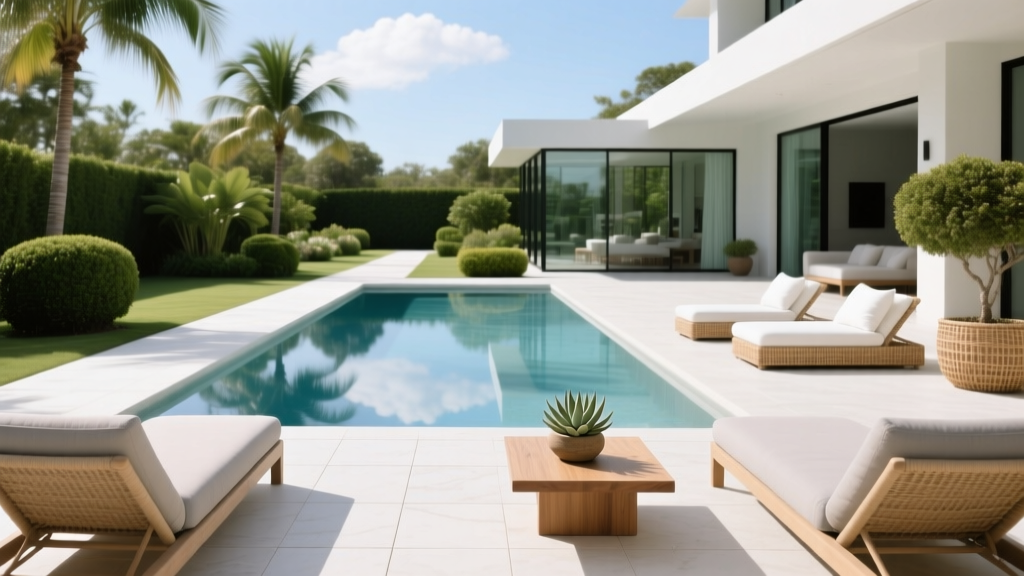
Poolside Design and Decor Ideas - The Decor Mag
A pool can be the most-loved feature in a backyard, but the water is only half the experience. The real magic happens around the edges—where outdoor living, landscaping, and patio design come together to create a place that feels like a resort you never want to leave. When the poolside is thoughtfully designed, it becomes your home’s best “room”: a spot for morning coffee, family hangs, dinner with friends, and quiet evenings under the stars.
Great poolside design also solves everyday problems. You need shade that actually cools, seating that dries fast, surfaces that don’t scorch bare feet, and a layout that makes sense for wet traffic. The right plants can add privacy and soften hardscape without dropping leaves into the skimmer every day. And smart material choices help your outdoor space look polished year-round—even when the pool is closed.
Below are expert poolside decor ideas and landscaping strategies you can use whether you’re starting from scratch or upgrading a tired patio. Expect specific furniture and material recommendations, climate and maintenance considerations, common mistakes to avoid, and realistic budget ranges to guide your plan.
Start with a Poolside Master Plan: Zones, Flow, and Function
Before shopping for outdoor furniture or picking plants, map how you want to live around the pool. The most successful pool decks are organized into zones that support different activities without feeling cluttered.
Poolside zones that work in most backyards
- Sun zone: lounge chairs, side tables, and an umbrella or shade sail edge.
- Shade lounge: sofa seating or a daybed under a pergola, cabana, or large cantilever umbrella.
- Dining + serving: table near the house or outdoor kitchen; add a bar cart or built-in counter.
- Towel + storage hub: bench with hidden storage, hooks, and a small changing spot.
- Fire feature corner (optional): gas fire table or fire pit placed safely away from heavy foot traffic.
Layout guidelines for comfort and safety
- Circulation: plan a clear pathway around the pool with at least 3–4 feet of walk space; 5–6 feet feels generous for entertaining.
- Chaise spacing: allow about 24–30 inches between lounge chairs for elbow room and airflow.
- Wet-to-dry transition: position the main seating area slightly off the splash zone to keep cushions drier and floors less slippery.
- Gate and equipment access: keep routes to pumps, filters, and gates clear—future maintenance will be easier.
Pool Deck and Patio Materials That Look Great and Feel Good Underfoot
Your pool deck material impacts comfort, safety, style, and maintenance. The goal: a surface that’s slip-resistant, cool(er) in the sun, and durable in your climate.
Best poolside hardscape materials
- Porcelain pavers (excellent all-around): modern look, highly stain-resistant, and available in slip-resistant finishes. Great for clean-lined patio design and low maintenance.
- Travertine (classic resort feel): naturally cooler underfoot and elegant. Choose a tumbled finish for slip resistance; seal periodically.
- Concrete (budget-friendly + versatile): broom finish for traction, or stamped concrete for texture. Consider a light color and a cool-deck coating in hot climates.
- Composite decking (for raised decks): splinter-free and consistent; choose lighter tones and boards with higher slip resistance. Ideal for pool areas that connect to an elevated patio.
- Natural stone (flagstone/limestone): beautiful and timeless; can be higher maintenance depending on porosity and local freeze-thaw cycles.
Climate and maintenance considerations
- Hot, sunny climates: prioritize lighter colors, travertine, porcelain with “cool” ratings, and ample shade to prevent heat buildup.
- Freeze-thaw regions: use materials rated for your climate (porcelain, properly installed concrete pavers). Ensure excellent drainage and avoid porous stone without sealing.
- Saltwater pools: choose salt-resistant materials and stainless hardware where possible. Some natural stones can degrade faster near salt; consult your installer.
Furniture That Handles Sun, Splash, and Real Life
Poolside furniture should be comfortable, quick-drying, and built for UV exposure. Invest in fewer, better pieces if your budget is tight—outdoor living spaces look more elevated when they’re not overfilled.
Materials to look for
- Powder-coated aluminum: lightweight, rust-resistant, and ideal for humid climates.
- Teak: beautiful and durable; it weathers to a silvery patina unless sealed. Great for premium poolside style.
- All-weather wicker (HDPE resin): choose a high-quality weave over aluminum frames; avoid bargain wicker that cracks in sun.
- Sling seating and textilene: dries quickly, easy to hose down, and perfect for chaise lounges.
Outdoor fabrics and cushion tips
- Solution-dyed acrylic (like Sunbrella-style fabrics) resists fading and mildew better than basic polyester.
- Choose quick-dry foam if your seating is exposed to frequent splashes.
- Use a deck box or storage bench to protect cushions overnight and during storms.
Furniture “starter sets” by backyard size
- Small pool patio: 2 chaise lounges + 1 umbrella + 2 small side tables + storage bench.
- Medium pool deck: 4 chaise lounges + cantilever umbrella + loveseat set under shade + dining table for 4–6.
- Entertainer’s yard: chaise line-up + cabana lounge + dining for 8 + bar seating + outdoor kitchen or serving counter.
Shade Structures That Make Poolside Living Comfortable
Shade is the difference between a pretty pool and a pool you actually use all afternoon. Plan shade early—it often dictates layout, lighting, and furniture placement.
Top shade options
- Cantilever umbrella: flexible and renter-friendly feel. Choose a heavy base and UV-rated canopy.
- Pergola: a backyard design staple; add slatted roof panels, retractable canopies, or vines depending on climate.
- Shade sails: modern and cost-effective; ensure proper anchoring and tensioning for wind.
- Cabana or pavilion: best for year-round outdoor living, TVs, and full lounge zones.
Seasonal strategy
- Summer: prioritize cooling shade and airflow—ceiling fans in covered structures help dramatically.
- Shoulder seasons: add outdoor curtains or roll-down shades to block breezes while keeping the space open.
- Winter: if your climate allows, incorporate a heater (electric or gas) and wind protection for cozy patio living.
Poolside Landscaping: Plants for Privacy, Style, and Low Mess
Pool landscaping should feel lush, but it can’t be a maintenance nightmare. The best poolside plants provide privacy, soften hard edges, and thrive with reflected heat and occasional splash—without dropping constant debris into the water.
Design principles for poolside planting
- Layering: combine taller screening plants, mid-height shrubs, and low groundcovers for a resort look.
- Keep a buffer: leave a planting strip or gravel border between beds and decking to reduce soil tracking.
- Choose “clean” plants: avoid heavy leaf drop, messy berries, and brittle branches over the water.
- Use pots strategically: containers add impact without committing to in-ground roots near plumbing.
Plant suggestions by climate
Warm/Mediterranean climates
- Olive (fruitless varieties): sculptural, drought-tolerant; choose low-litter cultivars.
- Agave and aloe: bold architectural shapes; keep spines away from pathways.
- Bird of paradise: tropical statement and great screening in mild zones.
- Bougainvillea: vibrant color; place away from high-traffic areas due to thorns and dropped bracts.
- Lomandra or dianella: tidy grasses with a modern landscape feel.
Humid/subtropical climates
- Clumping bamboo (non-invasive types): excellent privacy; avoid running varieties.
- Podocarpus: clean, evergreen screen with less mess than many hedges.
- Philodendron and dwarf palms: lush texture; watch for cold snaps depending on your zone.
- Blue daze (Evolvulus) or liriope: reliable groundcover along borders.
Temperate and four-season climates
- Arborvitae or upright junipers: evergreen privacy; choose narrow cultivars for tight spaces.
- Boxwood or inkberry holly: tidy structure near patios; great for formal poolside design.
- Hydrangea (away from splash): big summer blooms; keep petals out of the pool with smart placement.
- Ornamental grasses (switchgrass, feather reed grass): movement and texture; cut back in late winter.
Low-mess poolside plant picks (good in many regions)
- Clumping ornamental grasses
- Evergreen shrubs with small leaves
- Succulents in containers
- Herbs in pots (rosemary, lavender) where climate allows—fragrant and drought-tolerant
Irrigation and soil tips
- Use drip irrigation in beds to minimize overspray onto decking.
- Top-dress planting areas with small gravel or mulch for a clean finish and reduced mud.
- Improve drainage near the pool with amended soil and properly sloped hardscape.
Poolside Lighting for Evening Ambiance and Safety
Lighting extends patio living into the evening and makes the pool area safer. A layered approach looks intentional and avoids harsh glare bouncing off water.
- Path lighting: low-voltage fixtures along main walkways and steps.
- Accent lighting: uplight a feature tree, tall grasses, or a textured wall for depth.
- Structure lighting: string lights under a pergola, sconces on a wall, or recessed lights in a pavilion.
- Task lighting: focused light near an outdoor kitchen, grill, or serving area.
Practical lighting tips
- Choose warm white (2700K–3000K) for a welcoming glow.
- Use dimmers where possible—bright for cleaning, soft for entertaining.
- For year-round outdoor living, select fixtures rated for wet locations and coastal environments if applicable.
Decor Details That Make It Feel Like a Resort
Once the layout, materials, and landscaping are set, decor is where personality shows up. These finishing touches bring cohesion without creating clutter.
- Outdoor rug: define the lounge zone on a covered patio or pergola area; choose polypropylene for easy cleaning.
- Textiles: coordinate towels and pillows in a restrained palette (two main colors + one accent).
- Planters: use oversized containers (ceramic, concrete-look fiberglass) to anchor corners and entrances.
- Side tables everywhere: one of the most overlooked patio design upgrades—guests always need a spot for a drink.
- Outdoor shower area: even a simple privacy panel with hooks reduces water and sunscreen tracked across the deck.
Budget Ranges: What Poolside Upgrades Typically Cost
Costs vary by region and site conditions, but these ranges help you plan priorities and phase improvements.
- Refresh (approx. $500–$3,000): umbrella, two chaise lounges or cushion updates, outdoor pillows, planters, solar path lights, storage bench.
- Mid-level upgrade (approx. $3,000–$15,000): new lounge set, cantilever umbrella, improved lighting, container landscaping, partial deck resurfacing or paver overlay, simple pergola kit.
- Major transformation (approx. $15,000–$75,000+): new paver or stone deck, custom pergola/pavilion, outdoor kitchen, built-in seating, drainage improvements, full landscape design and irrigation.
Common Poolside Design Mistakes to Avoid
- Choosing slippery decking: glossy tile or polished stone can become hazardous. Look for slip-resistant ratings and textured finishes.
- Underestimating shade: one small umbrella rarely covers real life. Plan shade based on sun angles and peak-use hours.
- Buying indoor-style furniture for outdoors: it fades, rusts, or mildews quickly. Use outdoor-rated frames and fabrics.
- Planting messy trees near the pool: heavy leaf drop and brittle branches create constant cleanup. Place deciduous trees where leaves won’t blow directly into the water.
- Forgetting storage: no storage means clutter—towels, toys, and covers end up piled in corners.
- Poor drainage planning: puddles near the pool deck damage materials and create slippery spots. Ensure proper slope and consider channel drains if needed.
FAQ: Poolside Design and Decor
What’s the best low-maintenance pool deck material?
Porcelain pavers are one of the most low-maintenance options for poolside design because they resist staining, fading, and moisture. Properly installed concrete pavers are also durable and easy to replace individually if damaged.
What outdoor furniture holds up best near a pool?
Powder-coated aluminum frames with sling seating or quick-dry cushions perform extremely well around pools. Teak is a premium choice that weathers beautifully, especially for homeowners who like a natural look.
How do I add privacy around my pool without making it feel closed in?
Use layered landscaping: a tall evergreen hedge or clumping bamboo for screening, mid-height shrubs for fullness, and ornamental grasses for softness. Mix in large planters to control sightlines without building a solid wall.
Which plants should I avoid near a pool?
Avoid heavy shedders (some deciduous trees), messy fruiting plants, thorny shrubs near walkways, and anything with brittle branches that snap in wind. Also be cautious with “running” bamboo due to invasiveness.
How can I make my pool area feel inviting in spring and fall?
Add a heater or fire table, use layered lighting, and include cozy elements like outdoor throws in a weatherproof storage box. Wind-blocking curtains on a pergola or a partially enclosed pavilion can extend patio living into cooler evenings.
Next Steps: A Simple Plan to Upgrade Your Poolside
- Sketch your zones (sun, shade, dining, storage) and measure key clearances.
- Choose one “anchor” upgrade first—often shade, decking, or a lounge set.
- Refine with lighting and landscaping for a polished outdoor living look that works day and night.
- Finish with decor (planters, textiles, and side tables) to make it feel intentional and ready for guests.
Your poolside can be more than a border around water—it can become the heart of your backyard design, where landscaping, patio living, and year-round comfort come together. For more outdoor design inspiration, planting ideas, and practical guides, explore the latest on thedecormag.com.
More Articles
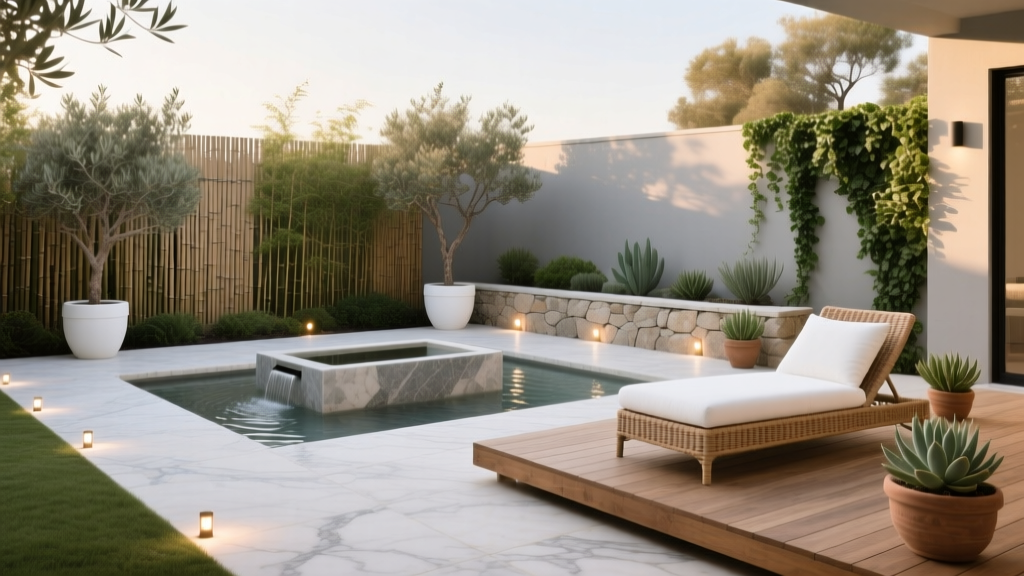 How to Design a Backyard Oasis - The Decor Mag
 Rooms vs Headboard: Understanding the Critical Distinction in Outdoor Living Design
 Practical and Aging-Resilient Outdoor Living: Designing Spaces That Serve Today and Endure Tomorrow
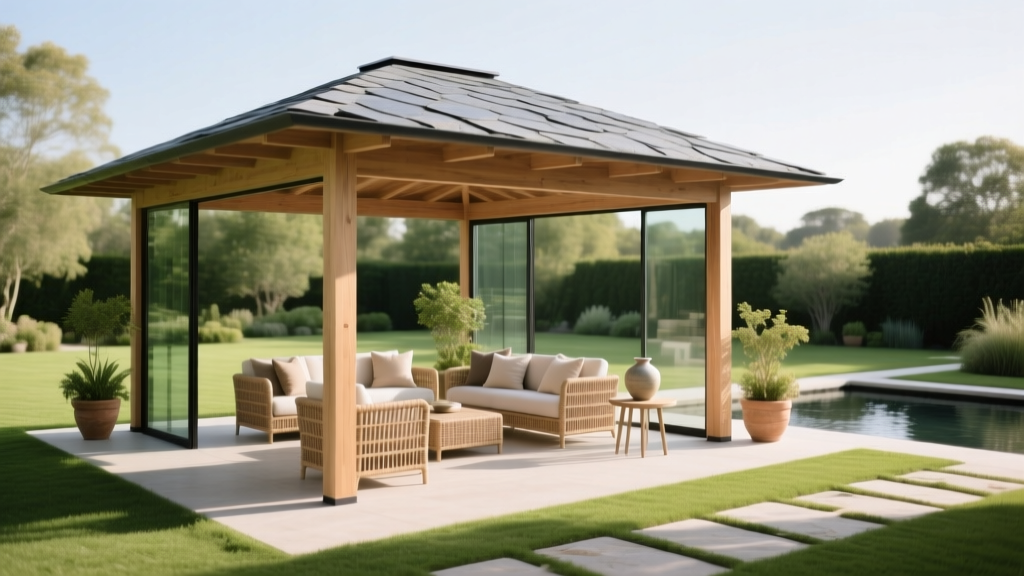 Outdoor Gazebo Design Inspiration - The Decor Mag
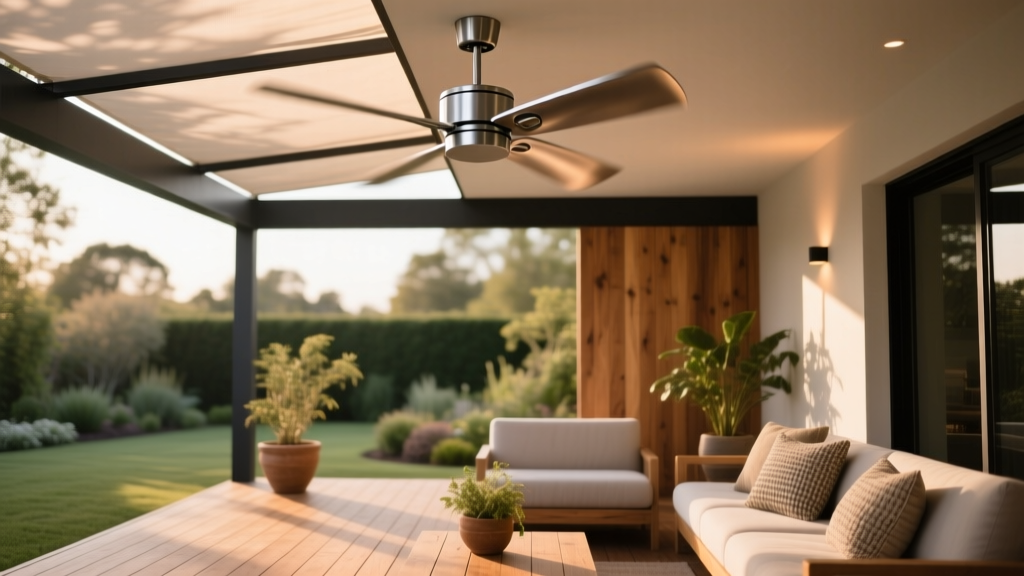 Outdoor Pavilion Ceiling Fan Wiring - The Decor Mag
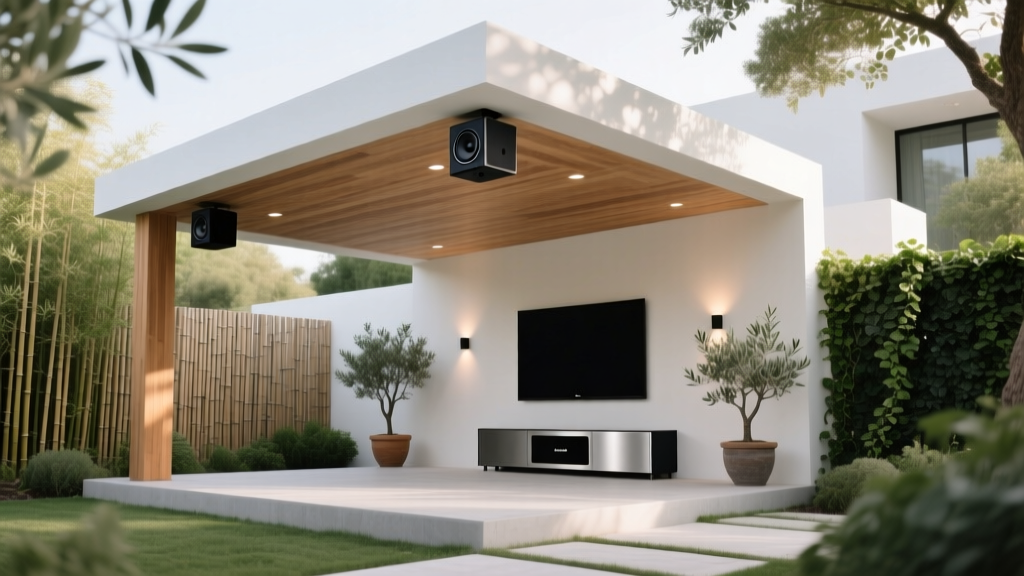 Outdoor Pavilion Sound System Setup - The Decor Mag
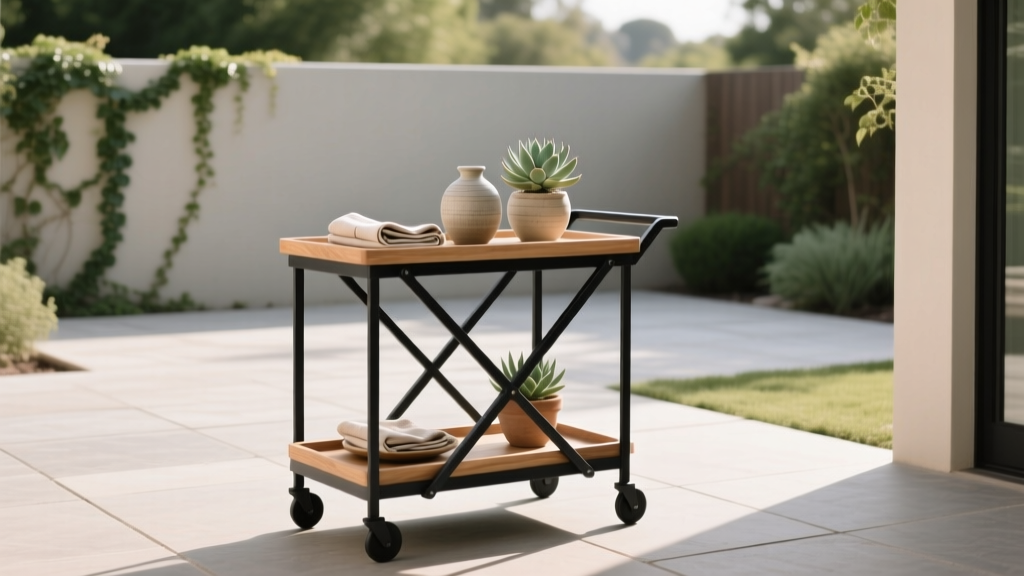 Best Outdoor Serving Cart Options - The Decor Mag
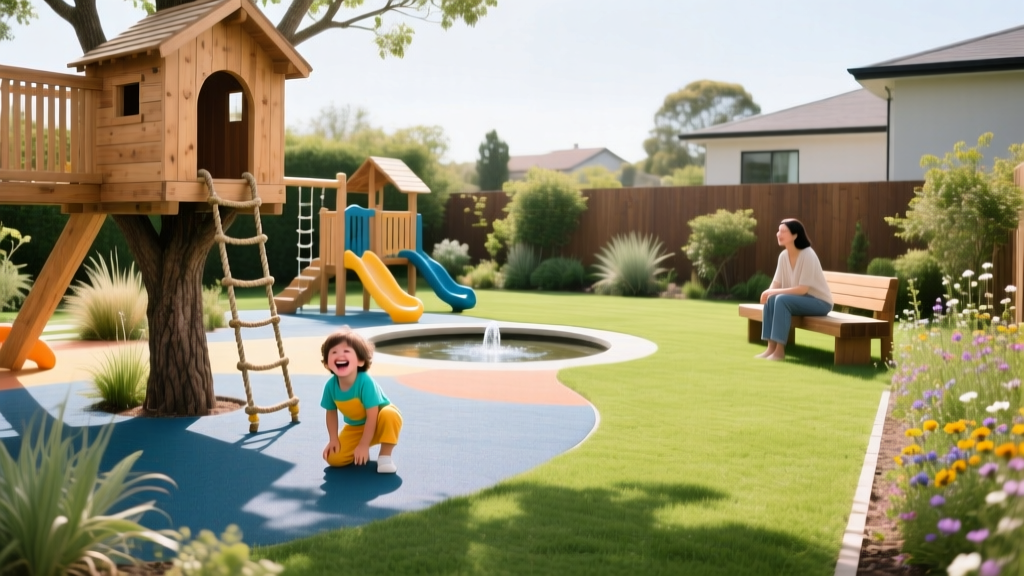 Kid-Friendly Backyard Play Zones: Landscape-Blending Ideas
 Outdoor Kitchen Countertop Expansion Joints - The Decor Mag
 How to Design a Drought-Tolerant Landscape - The Decor Mag