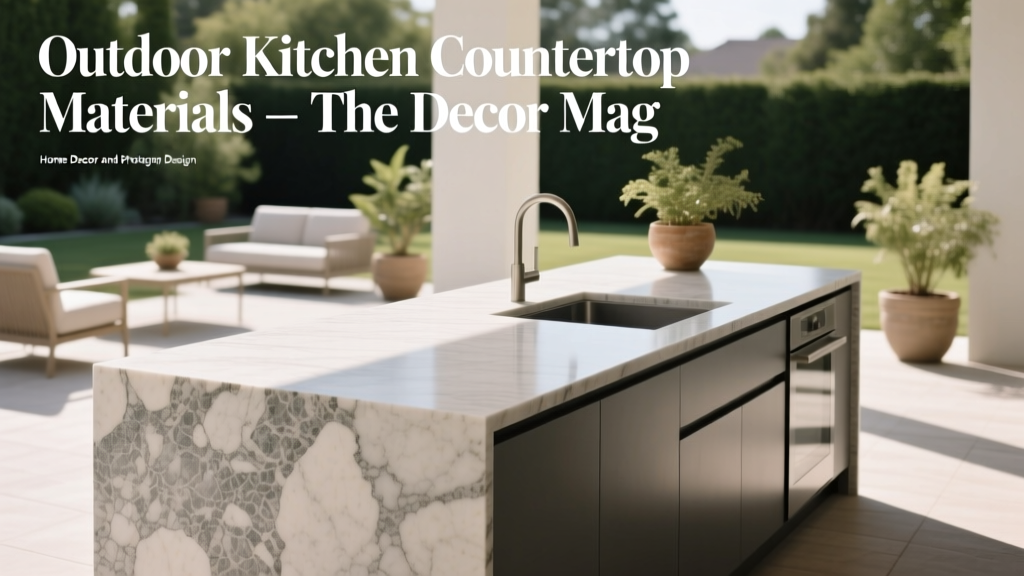
Outdoor Kitchen Countertop Materials - The Decor Mag
An outdoor kitchen can turn a basic patio into the heart of your backyard—where weeknight dinners feel like a mini vacation and weekend gatherings naturally linger well past sunset. But while grills and pizza ovens tend to steal the spotlight, your countertop is the true workhorse: it’s where you prep, serve, set down hot pans, pour drinks, and keep the party moving.
Choosing the right outdoor kitchen countertop material matters because outdoor surfaces face challenges indoor kitchens never see: UV exposure, temperature swings, windblown grit, heavy rain, snow and freeze-thaw cycles, pool chemicals, and the occasional spilled marinade that doesn’t get wiped up right away. The right choice looks beautiful, feels great to use, and holds up year-round with minimal maintenance—so your outdoor living space stays inviting in every season.
Below, you’ll find the best countertop materials for outdoor kitchens, climate-specific guidance, design recommendations for layouts and finishes, and the most common mistakes homeowners make—plus a practical FAQ to help you plan with confidence.
What to Look for in an Outdoor Kitchen Countertop
Outdoor kitchen countertops need a different “resume” than indoor surfaces. Prioritize performance first, then style.
Top performance factors
- UV resistance: Prevents fading, discoloration, and resin breakdown in full sun.
- Heat resistance: Handles hot cookware, grills, and pizza oven proximity.
- Moisture resistance: Limits staining, mold, and damage in rain or humidity.
- Freeze-thaw durability: Essential in cold climates to avoid cracking and spalling.
- Stain resistance: Protects against wine, citrus, oils, sauces, and rust.
- Scratch and chip resistance: Important for heavy-use outdoor entertaining.
- Maintenance level: Sealing schedules, cleaning needs, and long-term care.
Budget ranges (installed)
- Budget-friendly: $25–$60/sq ft
- Mid-range: $60–$120/sq ft
- Premium: $120–$250+/sq ft
Best Outdoor Kitchen Countertop Materials (Pros, Cons, and Best Uses)
1) Granite (The classic outdoor all-rounder)
Granite remains one of the most popular outdoor kitchen countertop materials for good reason: it’s naturally tough, handles heat well, and looks right at home in backyard landscaping designs.
- Pros: Excellent heat resistance, strong UV stability, natural beauty, widely available.
- Cons: Needs periodic sealing; some colors/patterns are more porous and stain-prone.
- Best for: Most climates, especially sunny patios and high-use outdoor cooking areas.
Design tip: Choose darker granites (e.g., Ubatuba, Black Pearl) for better stain camouflage and a sleek modern outdoor kitchen look. Pair with matte black fixtures and teak or powder-coated aluminum bar seating.
Budget: $60–$120/sq ft installed (varies widely by slab and edge profile).
2) Soapstone (Low-glare, high-character, great near heat)
Soapstone offers a soft, honed look that feels sophisticated and relaxed—perfect for warm, natural patio living spaces.
- Pros: Excellent heat resistance, naturally non-porous, won’t etch from acids, ages beautifully.
- Cons: Can scratch (though scratches can be sanded out); develops patina; fewer color options.
- Best for: Outdoor kitchens near pizza ovens or grills, homeowners who love a lived-in look.
Maintenance note: Optional mineral oil deepens color and patina; you can also leave it to weather naturally.
Budget: $90–$180/sq ft installed.
3) Concrete (Custom shapes, colors, and integrated outdoor style)
Concrete countertops can be formed to fit any outdoor kitchen layout—straight runs, L-shapes, curved bars, even built-in drainboards. It’s a favorite for contemporary landscapes and modern patio designs.
- Pros: Highly customizable, strong, seamless look, can match pavers or outdoor fireplace surrounds.
- Cons: Can crack; requires sealing; may stain if neglected; quality depends heavily on fabricator skill.
- Best for: Custom outdoor living spaces, statement islands, built-in bars.
Climate tip: In freeze-thaw regions, insist on a proven outdoor-rated mix design, reinforcement, and control joints where appropriate.
Budget: $70–$140/sq ft installed (premium finishes can go higher).
4) Porcelain Slab (Top-tier performance, sleek and modern)
Porcelain slabs are rapidly becoming a go-to for luxury outdoor kitchens. They’re dense, UV stable, and incredibly stain resistant—ideal for year-round outdoor entertaining.
- Pros: Excellent UV stability, low porosity, stain and scratch resistance, modern aesthetic, minimal maintenance.
- Cons: Higher fabrication costs; edges require skilled installation; can chip on impact at corners.
- Best for: Full-sun patios, coastal properties, modern outdoor kitchens with clean lines.
Design tip: Use a waterfall edge on an island facing the seating side to make the outdoor kitchen feel like an indoor extension—especially effective with large-format porcelain that mimics marble or concrete.
Budget: $100–$200+/sq ft installed.
5) Quartzite (Natural stone with marble-like beauty and granite strength)
Quartzite is a natural stone often chosen for its bright, upscale look and strong durability outdoors.
- Pros: Very hard, great UV stability, excellent for a premium outdoor kitchen aesthetic.
- Cons: Still needs sealing; some slabs vary in porosity and performance—choose carefully.
- Best for: High-end outdoor kitchens, bright patios, homeowners who love a light stone look.
Budget: $100–$250+/sq ft installed.
6) Stainless Steel (Restaurant-grade, super hygienic, and weather-friendly)
Stainless steel is practical, clean, and pairs beautifully with grills and outdoor-rated appliances. It’s a natural fit for contemporary patio designs and serious outdoor cooks.
- Pros: Waterproof, heat resistant, easy to sanitize, no sealing, great for wet bars.
- Cons: Shows fingerprints and scratches; can glare in full sun; can feel “industrial” if not balanced with warm materials.
- Best for: Coastal or rainy climates, prep zones, compact outdoor kitchens.
Design tip: Soften the look with ipe or cedar accents, woven outdoor bar stools, and warm lighting (2700K–3000K) to keep the space inviting at night.
Budget: $80–$150+/sq ft installed.
7) Natural Stone Tile (Budget-friendly, flexible, but detail-heavy)
Tile offers color and pattern flexibility and can be cost-effective, especially for DIY-friendly outdoor kitchen builds.
- Pros: Lower material cost, many styles, easy to repair individual tiles.
- Cons: Grout is a maintenance magnet; edges and corners can chip; not as seamless for food prep.
- Best for: Low-to-moderate use outdoor kitchens, decorative bars, Mediterranean or Spanish-style patios.
Budget: $25–$80/sq ft installed (depends on tile type and labor).
Materials to avoid (or use with caution)
- Quartz (engineered stone): Many quartz products are not recommended for direct sun; UV can discolor resins and binders.
- Laminate: Not built for outdoor exposure; moisture and heat will shorten its life dramatically.
- Marble: Beautiful but easily etched and stained—use only if you’re comfortable with patina and frequent sealing.
Climate-Smart Choices for Year-Round Outdoor Living
Hot, sunny climates (Southwest, high UV areas)
- Best picks: Porcelain slab, granite, quartzite, stainless steel.
- Watch-outs: Dark stone can get very hot to the touch; consider lighter colors or a pergola for shade.
- Seasonal tip: Add an adjustable shade solution—slatted pergola, retractable canopy, or sail shade—to keep prep surfaces comfortable during summer afternoons.
Freeze-thaw climates (Upper Midwest, Northeast, mountain regions)
- Best picks: Granite (properly sealed), porcelain slab, stainless steel.
- Watch-outs: Concrete and porous stone need expert fabrication and sealing to reduce cracking risk.
- Seasonal tip: Use insulated covers for appliances and close-season the sink lines before winter to protect plumbing and cabinetry.
Coastal climates (salt air, high humidity)
- Best picks: Porcelain slab, stainless steel, well-sealed granite.
- Watch-outs: Salt accelerates corrosion—choose marine-grade stainless (304 or 316) for counters and fasteners when possible.
- Seasonal tip: Rinse surfaces occasionally with fresh water to reduce salt buildup, especially after storms.
Design Recommendations: Layouts, Finishes, Furniture, and Plant Pairings
Outdoor kitchen layout ideas that make counters work harder
- Split zones: Create a hot zone (grill, burners, pizza oven) and a cold zone (prep, serving, drinks) with uninterrupted counter landing areas.
- Add a raised bar ledge: A 10–12 inch overhang on the seating side keeps guests close without crowding your prep surface.
- Prioritize landing space: Aim for at least 18 inches of counter on both sides of the grill and near the sink.
- Include a “dirty drop” spot: A small section near the sink for plates and tools keeps the main counter clean during parties.
Edge profiles and finishes for outdoor durability
- Honed or leathered stone: Hides smudges and water spots better than high polish—great for patio living.
- Slightly eased edges: Reduce chipping at corners, especially on porcelain and stone.
- Overhang support: For bar seating, use hidden brackets or steel supports to prevent sagging and cracking.
Furniture that complements outdoor countertops
- Bar stools: Powder-coated aluminum frames (rust-resistant) with quick-dry cushions for humid climates.
- Dining sets nearby: Teak, concrete-composite, or all-weather wicker to tie into stone or porcelain surfaces.
- Serving cart: A stainless or teak outdoor cart extends prep space without expanding the built-in footprint.
Planting ideas to make the outdoor kitchen feel integrated
Thoughtful landscaping softens hard surfaces and makes the outdoor kitchen feel like part of the garden.
- Herb planters near prep areas: Rosemary, thyme, basil (seasonal), chives, oregano. Use raised planters or large pots to keep soil off counters.
- Fragrant border plants: Lavender (sunny, drier climates), gardenia (warm/humid), jasmine on a trellis for evening scent.
- Evergreen structure for year-round appeal: Boxwood (mild climates), inkberry holly (cold-hardy), dwarf yaupon holly (heat tolerant).
- Ornamental grasses for movement: Feather reed grass (cold tolerant), muhly grass (warm climates) to frame the patio and soften edges.
Maintenance and Care: Keep Your Countertops Looking New
Simple cleaning routine (weekly)
- Wipe down with mild soap and water and a non-abrasive cloth.
- Rinse thoroughly—especially near pools or salt air.
- Remove grease splatter early to prevent buildup and staining.
Sealing guidance (when applicable)
- Granite/quartzite: Seal every 1–3 years depending on exposure and porosity.
- Concrete: Follow your fabricator’s system (often annual or biannual resealing for outdoor use).
- Tile/grout: Seal grout lines regularly to resist stains.
Seasonal upkeep for year-round outdoor living
- Spring: Deep clean, inspect caulking, reseal if needed, refresh shade textiles.
- Summer: Use trivets for extremely hot cookware; keep a cutting board station to reduce scratches.
- Fall: Clear leaves and debris from seams to avoid trapped moisture and staining.
- Winter: Use breathable covers; avoid harsh de-icers near stone and concrete.
Common Mistakes to Avoid
- Choosing an indoor-only material: Many engineered quartz products discolor in UV and can fail outdoors.
- Skipping shade planning: Even the best countertop can become uncomfortable in full sun; plan a pergola, umbrella, or canopy.
- Not budgeting for fabrication details: Outdoor-rated adhesives, edge finishing, supports, and proper seams protect your investment.
- Underestimating maintenance: If you don’t want to seal, pick porcelain or stainless steel.
- Too little landing space: A gorgeous grill is frustrating without adequate counter room on both sides.
- Ignoring wind and debris: In windy areas, choose finishes that hide dust (honed/leathered) and add a backsplash or wind screen where practical.
Quick Material Matchmaker: Choose What Fits Your Lifestyle
- Entertain often, want low maintenance: Porcelain slab or stainless steel.
- Love natural stone and classic backyard style: Granite.
- Want a custom, architectural look: Concrete (with an experienced fabricator).
- Crave a bright, high-end statement surface: Quartzite.
- Prefer a soft, matte, “cabin luxe” vibe: Soapstone.
- Need to keep costs down: Tile (with realistic expectations about grout upkeep).
FAQ: Outdoor Kitchen Countertops
What is the most durable outdoor kitchen countertop material?
Porcelain slab and stainless steel are top performers for durability and low maintenance. Granite and quartzite are also excellent choices when properly sealed, especially for homeowners who want natural stone.
Can I use quartz countertops outdoors?
Most engineered quartz is not recommended for direct sunlight because UV exposure can discolor and degrade the resin binders. If you love the look, consider porcelain slabs that mimic quartz or marble patterns but are outdoor-ready.
Do outdoor countertops need to be sealed?
Many do. Granite, quartzite, concrete, and grout lines typically benefit from sealing to resist stains and moisture. Porcelain and stainless steel generally don’t require sealing, making them great for low-maintenance patio living.
What countertop color is best for an outdoor kitchen?
Lighter colors stay cooler in direct sun and can brighten shady patios. Dark colors hide stains better but can become hot to the touch in summer. If your outdoor kitchen gets full afternoon sun, consider a light-to-medium tone and add shade nearby.
How much should I budget for an outdoor kitchen countertop?
For many homeowners, a realistic installed budget falls between $60 and $150 per square foot, depending on material and fabrication complexity. Tile can be less, while premium quartzite or high-end porcelain fabrication can be more.
Next Steps: Plan a Countertop That Elevates Your Outdoor Living Space
Start by taking note of your climate, sun exposure, and how you’ll actually use the outdoor kitchen—quick weeknight grilling, big weekend parties, or year-round cooking with heaters and cover. Then choose a countertop material that matches your maintenance comfort level, and design your layout around generous landing zones, smart shade, and comfortable seating.
- Measure your counter runs and decide where you need prep, serving, and bar seating.
- Pick 2–3 materials that fit your climate and budget, then view full slabs or large samples outdoors.
- Coordinate finishes with your patio pavers, pergola, and landscaping for a cohesive backyard design.
- Plan seasonal protection—covers, sealing schedule, and winterization if you’re in a cold region.
For more patio design inspiration, outdoor kitchen ideas, and landscaping tips that make your yard feel like a destination, explore more guides on thedecormag.com.
More Articles
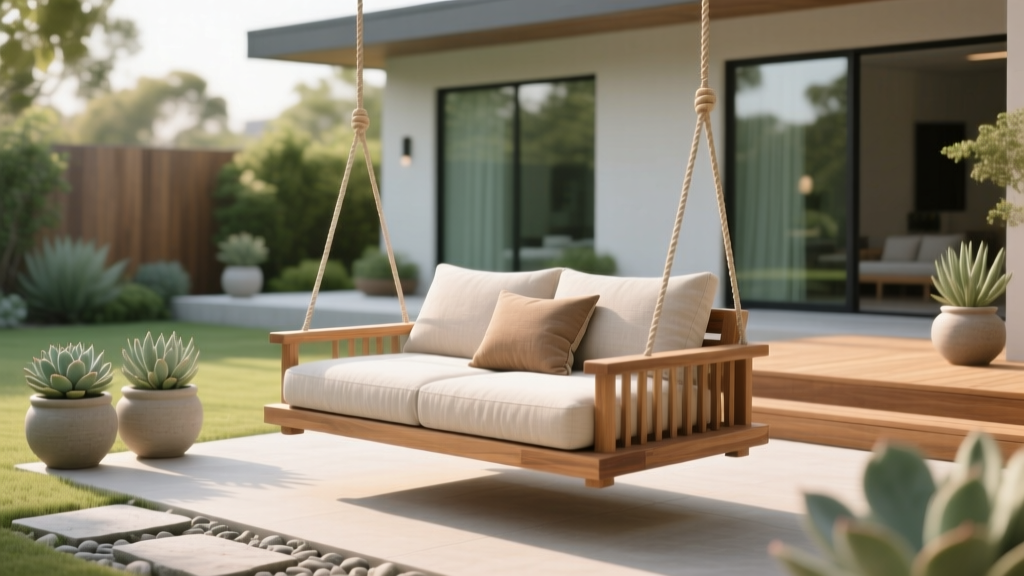 Best Outdoor Swing Bed Ideas - The Decor Mag
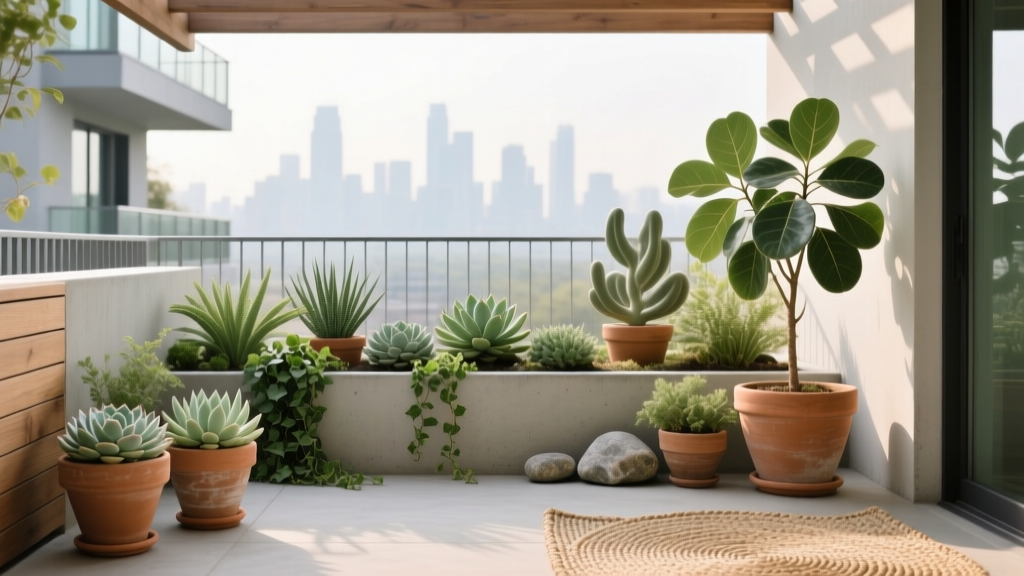 Container Garden Design Inspiration - The Decor Mag
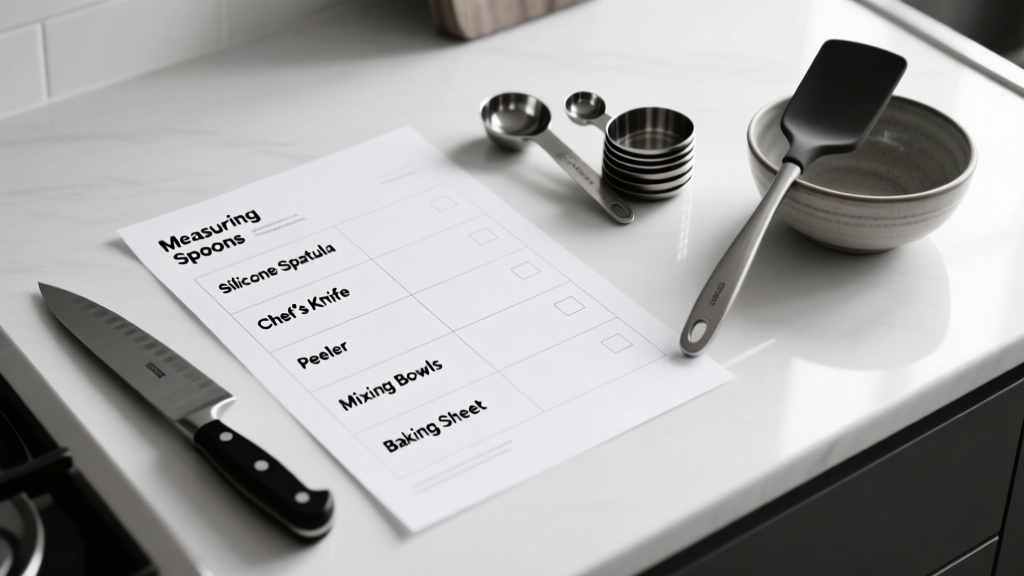 Kitchen Design Tools Checklist: Essential Instruments for Precision, Efficiency, and Professional Results
 Best Outdoor Bar Lime Wheel Display - The Decor Mag
 Best Outdoor Bar Olive Oil Display - The Decor Mag
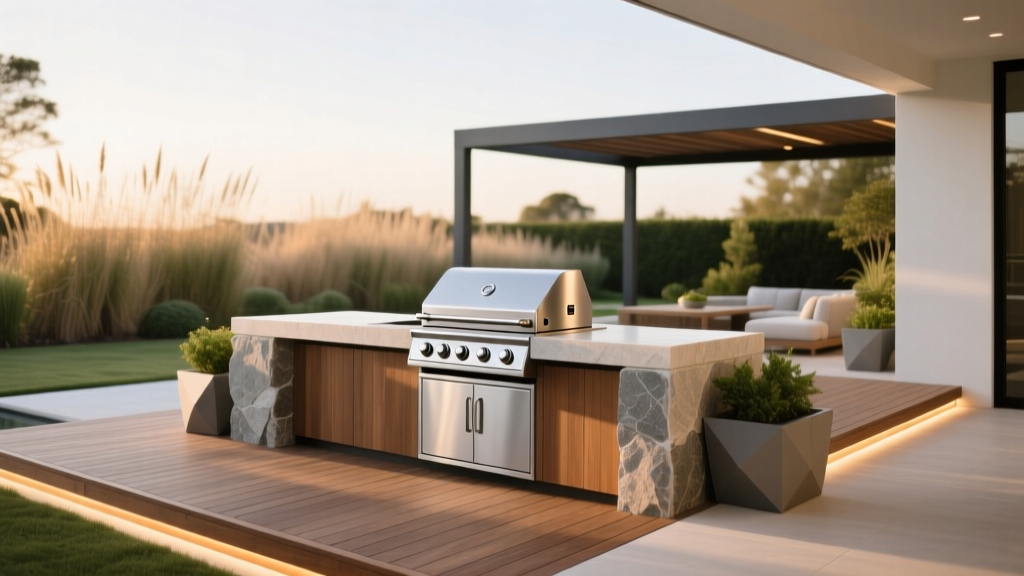 Outdoor Built-In Grill Station Ideas - The Decor Mag
 How to Design a Fern Garden - The Decor Mag
 How to Design a Coastal Garden - The Decor Mag
 Outdoor Living Style Buying Guide: Matching Aesthetics, Function, and Climate for Lasting Impact
 Best Outdoor Glass Storage Cabinet - The Decor Mag