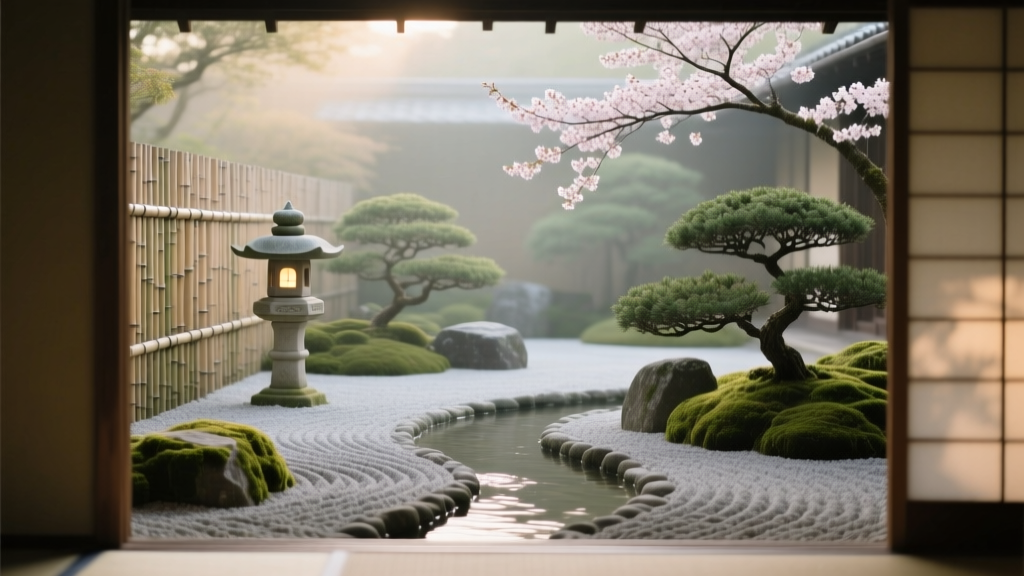
How to Design a Japanese-Inspired Garden - The Decor Mag
A great outdoor living space does more than look beautiful—it changes how you feel the moment you step outside. Japanese-inspired garden design is beloved for that reason: it creates calm, order, and a sense of quiet luxury, even in a small backyard patio or side yard. With the right layout, materials, and plant choices, your garden becomes a daily reset button—one you can enjoy from the kitchen window, your lounge chair, or a cozy evening seating area.
Homeowners often assume a Japanese-style garden requires a huge property, rare plants, or a temple-level budget. The truth is the opposite. The essence of Japanese landscaping comes from restraint, balance, and thoughtful details—principles that work wonderfully for modern outdoor design, small-space patio living, and year-round landscaping. Whether you want a minimalist courtyard or a lush retreat, this guide will help you plan a Japanese-inspired garden that fits your climate, lifestyle, and budget.
What Makes a Garden “Japanese-Inspired”?
Japanese-inspired gardens are designed to feel natural, even though every element is intentionally placed. The style emphasizes:
- Asymmetry and balance (not mirror-image symmetry)
- Borrowed scenery (using existing trees, sky views, or neighboring greenery as part of the composition)
- Texture and contrast (stone, gravel, moss, clipped evergreens, water)
- Seasonal beauty (spring blossoms, summer greens, fall color, winter structure)
- Simple, meaningful focal points (a stone lantern, a specimen maple, a water basin)
There are several related styles—Zen (dry gardens), tea gardens, stroll gardens—yet you don’t need to follow strict categories. For a homeowner’s outdoor living space, the best approach is to borrow the principles and translate them into a functional landscape design with seating, circulation, and easy maintenance.
Start With a Plan: Layout That Feels Peaceful and Practical
Japanese-inspired landscaping is as much about what you don’t add as what you do. Before you buy plants or materials, map your space and decide how you want to use it—morning coffee, family dinners on the patio, a quiet reading corner, or a meditative walking path.
Step-by-Step Layout Framework
- Define your “view points.” Identify where you’ll experience the garden most: patio seating, kitchen sink window, bedroom view, or a bench along a path.
- Create a primary route. Use stepping stones, pavers, or a narrow path that slows movement and encourages looking around.
- Choose one focal anchor. Examples: a sculptural boulder, a Japanese maple, a stone water basin, or a simple water feature.
- Layer heights. Ground layer (moss/groundcovers), mid layer (shrubs), and overhead structure (small trees, bamboo screens, pergola).
- Build negative space. Gravel, raked decomposed granite, or a simple lawn panel can make the design feel expansive.
Layouts That Work for Common Homes
- Small patio courtyard: Gravel “sea,” a single specimen tree in a bed, a stone lantern, and a compact bistro set.
- Suburban backyard: A curving stepping-stone path, layered evergreen planting, and a defined outdoor lounge zone near the house.
- Side yard transformation: Stepping stones set in gravel, bamboo or slatted fencing, and shade plants for a serene passageway.
- Front yard statement: Minimal planting palette, bold stones, and clean edging for strong curb appeal.
Materials That Set the Tone (and Hold Up Outdoors)
Material choice is where Japanese-inspired outdoor design really shines. Stick to natural finishes and consistent tones. Think weathered, matte, and tactile rather than glossy or highly patterned.
Top Material Recommendations
- Gravel: Pea gravel or angular gravel for a “dry river” look. For a Zen garden feel, consider granite gravel or decomposed granite (DG) compacted for stability.
- Stone: Use basalt, granite boulders, flagstone, or slate for stepping stones and accents. Choose one stone family and repeat it.
- Wood: Cedar, thermally modified wood, or ipe for screens and benches. For budgets, stained cedar performs beautifully with maintenance.
- Concrete (done right): Large-format concrete pavers in warm gray or charcoal can look modern-Japanese when paired with gravel and clipped evergreens.
- Metal accents: Powder-coated steel edging in black or dark bronze creates crisp lines for modern landscape design.
Edging and Transitions (The Secret to a Polished Look)
Clean transitions keep a Japanese-inspired garden from looking messy. Consider:
- Steel landscape edging between gravel and planting beds
- Stone borders to contain DG paths
- Wood thresholds where a patio meets gravel
Plant Palette: Calm, Structured, and Seasonal
Plants should look intentional but not fussy. The goal is structure, texture, and seasonal interest—without a chaotic mix of colors. Choose a limited palette and repeat key plants for cohesion.
Signature Trees and Shrubs (Choose 1–3 Stars)
- Japanese maple (Acer palmatum): A classic focal tree with graceful branching and stunning fall color. Great near patios for dappled shade.
- Pine (Pinus spp.): Symbolic and sculptural. In many climates, Japanese black pine works well; in colder regions, consider hardy pines suited to your area.
- Camellia (Camellia japonica or sasanqua): Glossy evergreen with winter-to-spring blooms in mild climates.
- Azalea (Rhododendron spp.): Spring color that still feels authentic when used sparingly and massed.
- Nandina (Nandina domestica): Light texture and winter color; check local guidance as it can be invasive in some regions—substitute with non-invasive alternatives where needed.
Groundcovers and Understory Plants for a Lush, Layered Look
- Moss (where climate allows): Best in shade with consistent moisture and low foot traffic.
- Japanese forest grass (Hakonechloa macra): Movement and soft texture; great along paths and near seating.
- Ferns: Perfect for shaded corners and woodland-style Japanese gardens.
- Liriope or mondo grass (Ophiopogon): Clean edging and evergreen presence.
- Hostas: Excellent for shade; use solid greens for a calmer look.
Flowering Accents (Use With Restraint)
A Japanese-inspired garden isn’t a riot of blooms. Choose a few moments of color:
- Cherry or plum (ornamental varieties): Spring blossom magic (space permitting)
- Hydrangea: Works beautifully in many regions, especially shaded patios and woodland edges
- Irises: Ideal near water features or rain garden edges
Planting Tips for a More Authentic Look
- Repeat plants in groups of 3 or 5 for rhythm.
- Prune for shape and negative space—think “cloud pruning” inspiration, simplified for homeowners.
- Favor greens, deep burgundy, and soft whites over neon colors.
- Let one specimen plant be the hero; keep the supporting cast quiet.
Water, Gravel, and Stone: Creating Serenity Without Overbuilding
Water is a powerful element in Japanese-inspired landscaping, but it doesn’t have to mean a high-maintenance koi pond. You can evoke water with gravel and stone, or add a small recirculating feature for sound.
Options by Budget and Maintenance Level
- Low-maintenance: Dry creek bed with river rock and gravel “shorelines.”
- Moderate: A small recirculating fountain or water basin (tsukubai-inspired) with a hidden reservoir.
- High investment: A pond or reflective basin (beautiful, but requires ongoing care, filtration, and safety planning).
Practical Tip: Place Water Where You’ll Hear It
Set a small water feature within 10–20 feet of your patio seating or outdoor lounge area so the sound masks traffic noise and improves the outdoor living experience.
Outdoor Furniture and Patio Living: Keep It Minimal, Comfortable, and Weather-Ready
Your patio furniture should match the garden’s calm energy—clean lines, natural materials, and comfort for long evenings outside.
Furniture Recommendations That Fit a Japanese-Inspired Garden
- Low-profile lounge chairs: Teak, acacia, or powder-coated aluminum with neutral cushions (stone, sand, charcoal).
- Simple bench seating: Cedar or teak bench tucked along a path or under a maple.
- Compact bistro set: For small patios, choose matte black metal or wood in a minimal silhouette.
- Floor-adjacent vibe (without going full floor seating): Lower coffee tables and deeper lounge seating mimic the grounded feel.
Outdoor Textiles and Lighting
- Cushions: Solution-dyed acrylic fabrics in solids; avoid busy patterns.
- Lighting: Warm, low lighting—path lights, shielded uplights for trees, and subtle step lights. Skip overly bright floodlights.
- Lantern-style accents: Stone lanterns can work as sculpture; use sparingly (one is usually enough).
Seasonal Design: Make It Beautiful Year-Round
A strong Japanese-inspired garden looks good in every season, which is ideal for year-round outdoor living and four-season landscaping.
- Spring: Feature one standout bloom moment (cherry, azalea, camellia). Refresh gravel lines and clean stone edges.
- Summer: Prioritize shade over the patio—maples, pergolas, or slatted screens. Keep water features running for cooling sound.
- Fall: Let foliage be the show (Japanese maple). Add a warm-toned throw to outdoor seating for longer evenings.
- Winter: Evergreens, sculptural branches, and stone take center stage. Consider subtle lighting and wind protection for patio comfort.
Climate and Maintenance Considerations
The best landscape design is one you can realistically maintain. Japanese-inspired gardens reward light, consistent upkeep rather than occasional major overhauls.
Climate-Smart Adjustments
- Hot/dry climates: Use drought-tolerant shrubs, gravel mulch, and drip irrigation. Choose hardy trees suited to heat and intense sun; provide afternoon shade for delicate maples.
- Humid climates: Prioritize airflow and disease-resistant plant selections. Keep gravel areas clean and edged to reduce weed pressure.
- Cold/snow climates: Choose winter-hardy evergreens and avoid fragile pottery. Use de-icing practices that won’t damage stone and plants (avoid salt near beds).
- Coastal areas: Select salt-tolerant plants and corrosion-resistant furniture (powder-coated aluminum, stainless hardware).
Maintenance Checklist (Simple and Realistic)
- Weekly: quick sweep of patio and paths; remove leaves from gravel
- Monthly: light pruning to maintain shape; check irrigation/drip lines
- Seasonally: refresh mulch/gravel where needed; deep clean stone; fertilize selectively
- Annually: assess structure—edging, stepping stones, fence stability, and drainage
Budget Ranges: What a Japanese-Inspired Garden Typically Costs
Costs vary by region, access, and how much hardscaping you install. These ranges help you plan realistically.
- Budget-friendly refresh ($500–$2,500): Gravel top-dress, a few boulders, a specimen shrub/tree in a large pot, simple bench, solar path lights.
- Mid-range makeover ($2,500–$10,000): DG or gravel paths with steel edging, stepping stones, small water feature, 10–25 plants, basic patio furniture upgrade.
- Premium build ($10,000–$35,000+): New patio or deck, custom screens/fencing, professionally placed boulders, lighting plan, irrigation, mature specimen trees.
Common Mistakes to Avoid
- Overdecorating: Multiple lanterns, too many statues, and busy accessories dilute the calm.
- Too many plant varieties: A Japanese-inspired palette relies on repetition and restraint.
- Ignoring scale: Tiny stones in a large yard look scattered; oversized boulders in a small patio can feel cramped.
- Poor drainage under gravel: Skipping base prep leads to weeds, puddles, and sinking stepping stones.
- Placing focal points randomly: Anchors should relate to a viewing angle—patio seating, a window, or the end of a path.
- High-maintenance water features without a plan: Choose what you’ll truly maintain week to week.
FAQ: Japanese-Inspired Garden Design
Do I need a koi pond for a Japanese-inspired garden?
No. A dry creek bed, raked gravel area, or a small recirculating fountain can deliver the same calming effect with less maintenance.
What are the best plants for a Japanese-inspired garden in full sun?
Look for sun-tolerant evergreens and shrubs suited to your region. Many gardens use pines, certain hollies (as a visual substitute), ornamental grasses, and heat-tolerant groundcovers. In hotter climates, place Japanese maples where they get morning sun and afternoon shade.
Can I create a Japanese-inspired garden in a small patio space?
Yes. Focus on one specimen plant in a container, a gravel area with stepping stones, a simple bench, and one sculptural stone element. Small spaces often look more authentic because they benefit from tight editing.
How do I keep gravel areas from getting weedy?
Install proper base layers (compacted base + quality landscape fabric where appropriate), use steel edging to contain gravel, and remove organic debris regularly. Most gravel “weeds” start from windblown seeds that germinate in leaf litter.
What furniture colors work best for Japanese-inspired patio living?
Stick with neutrals: charcoal, warm gray, sand, stone, deep green, and matte black. Natural wood tones (teak/cedar) also pair beautifully with stone and gravel.
Next Steps: Bring Japanese Calm to Your Outdoor Living Space
Start small and be intentional. Choose one view to improve first—your patio seating area, the view from indoors, or a path you walk every day—then build outward with consistent materials, a limited plant palette, and one strong focal point. A Japanese-inspired garden isn’t about copying a look; it’s about designing a landscape that feels grounded, balanced, and inviting in every season.
For more outdoor living inspiration, landscaping tips, and patio design ideas, explore the latest guides and makeovers on thedecormag.com.
More Articles
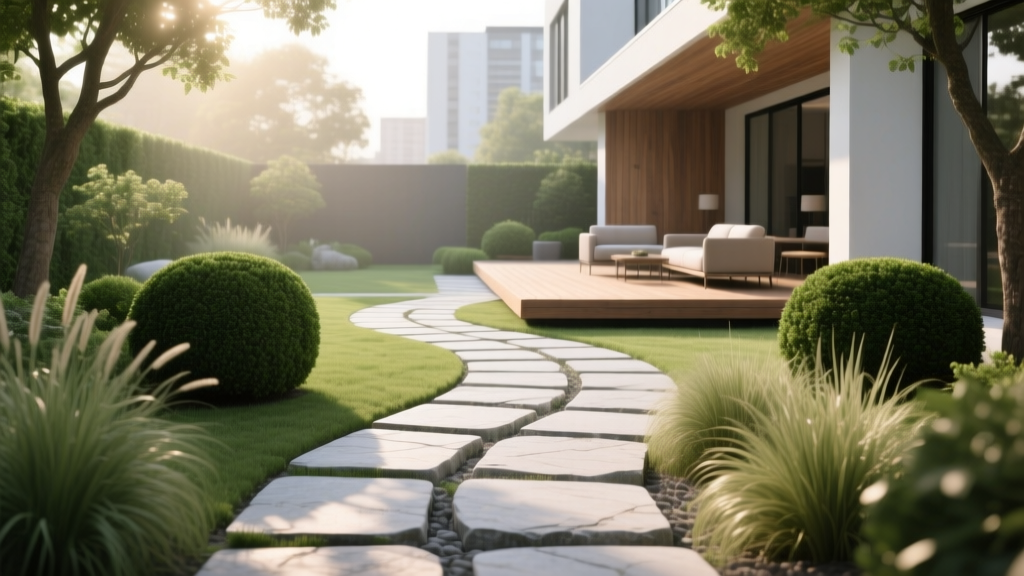 How to Design a Garden Pathway - The Decor Mag
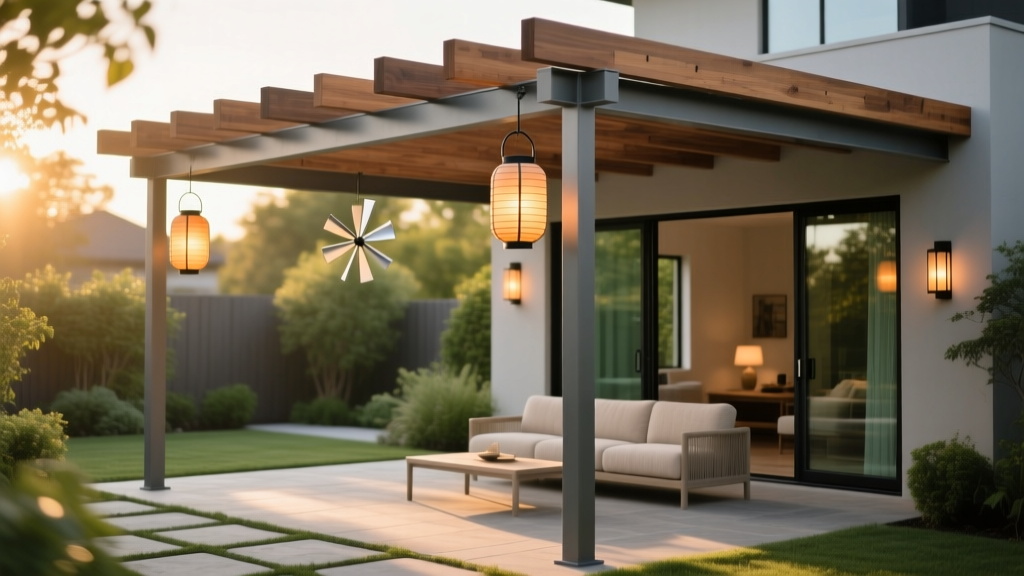 Outdoor Pergola Wind Light Lantern Hooks - The Decor Mag
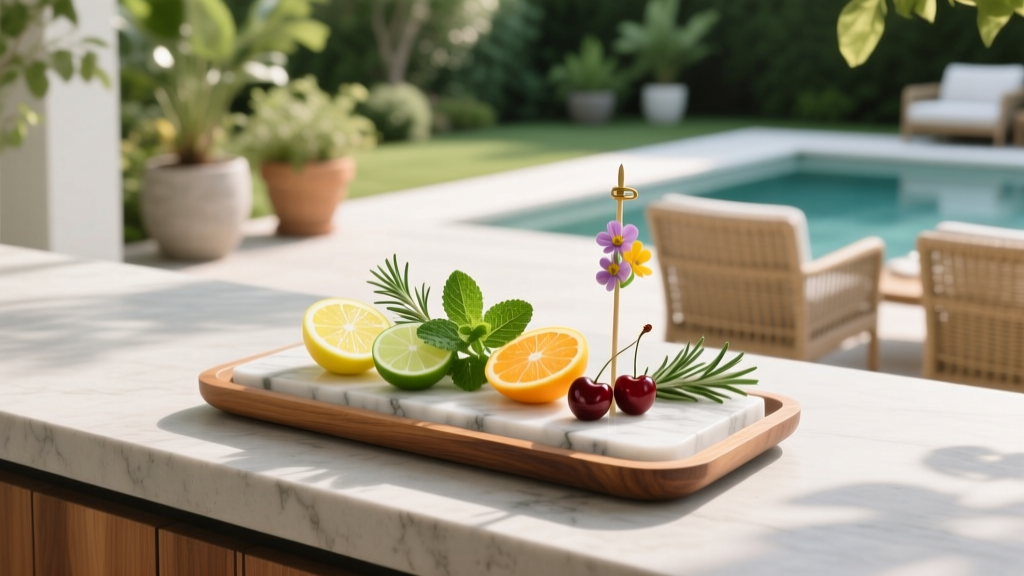 Best Outdoor Bar Garnish Tray Ideas - The Decor Mag
 Practical and Aging-Resilient Outdoor Living: Designing Spaces That Serve Today and Endure Tomorrow
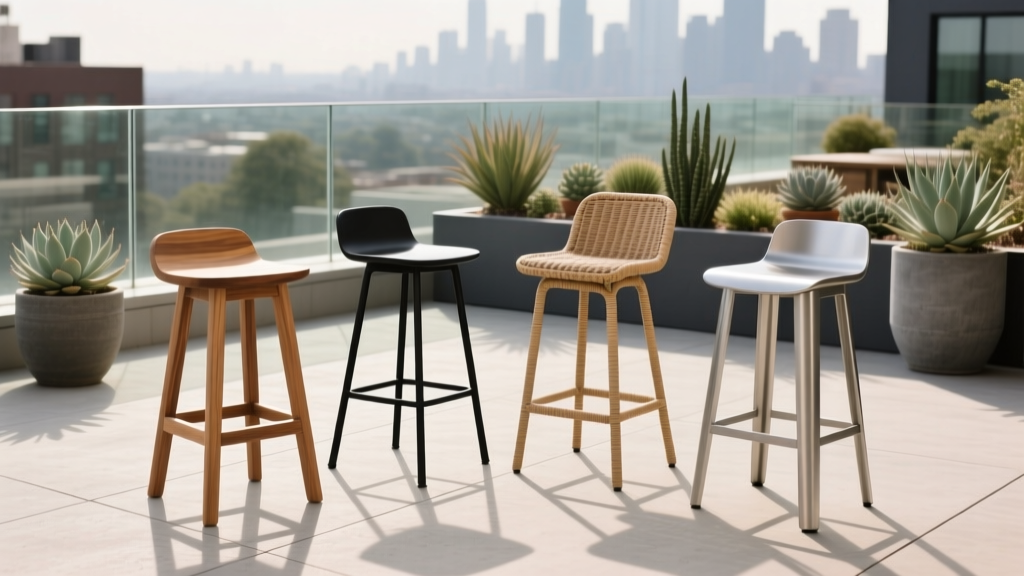 Best Outdoor Bar Stool Choices - The Decor Mag
 Outdoor Living Project Checklist: A Practical, Step-by-Step Workflow for Landscape Professionals
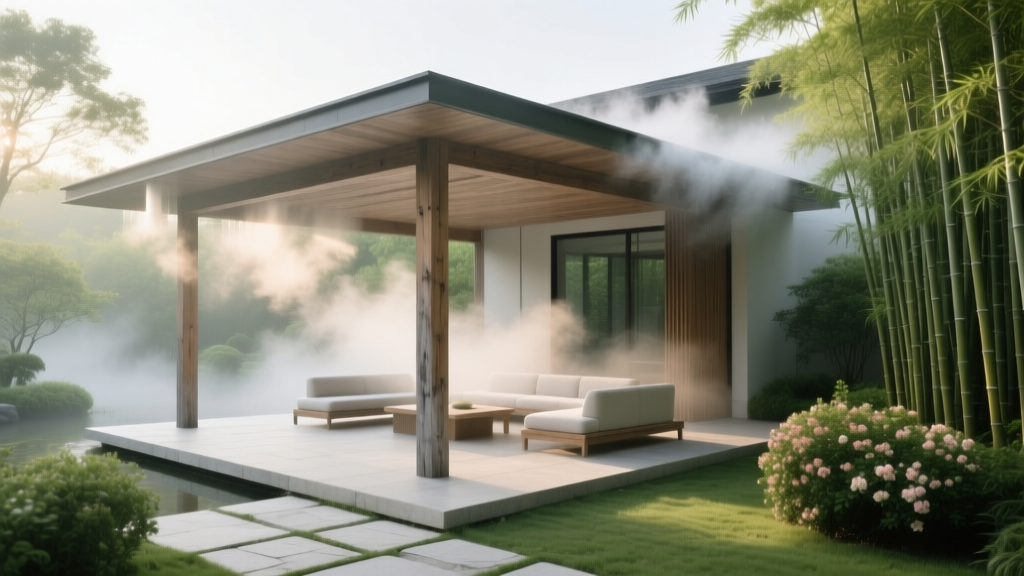 Outdoor Pavilion Mist Cooling System - The Decor Mag
 Ultimate Style Guide: Designing Outdoor Living Spaces That Reflect Your Personality and Elevate Everyday Life
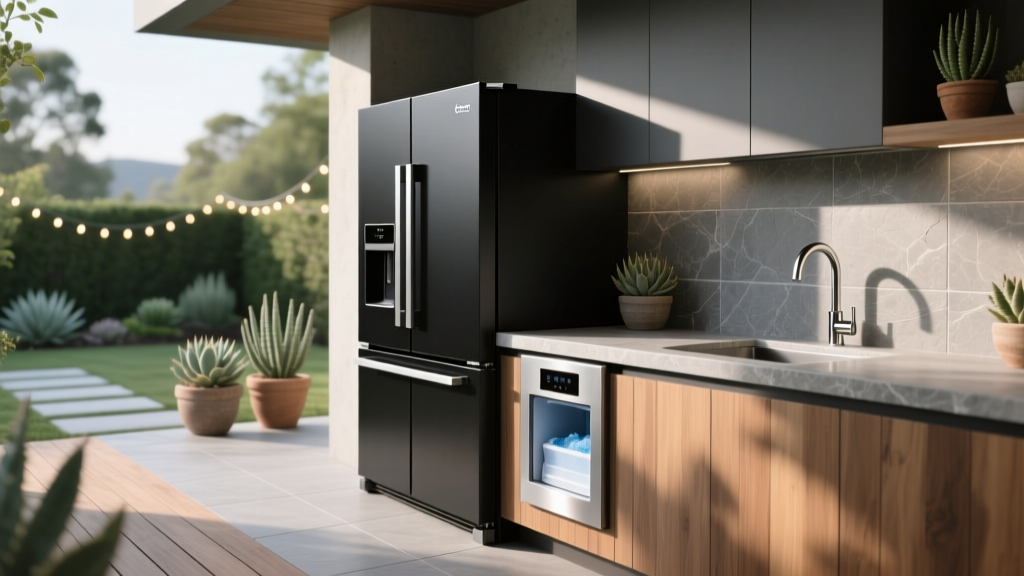 Outdoor Refrigerator and Ice Maker Setup - The Decor Mag
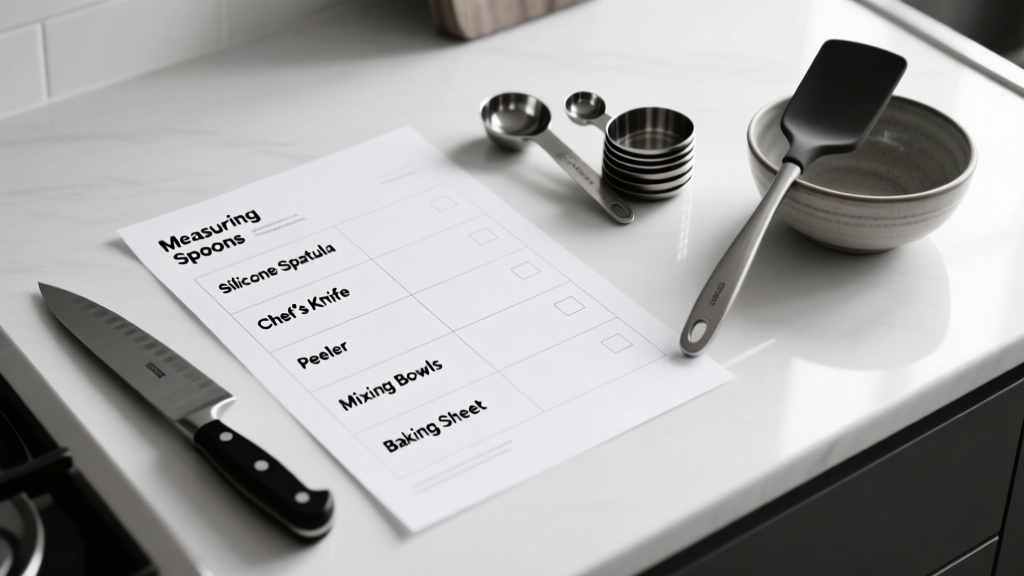 Kitchen Design Tools Checklist: Essential Instruments for Precision, Efficiency, and Professional Results