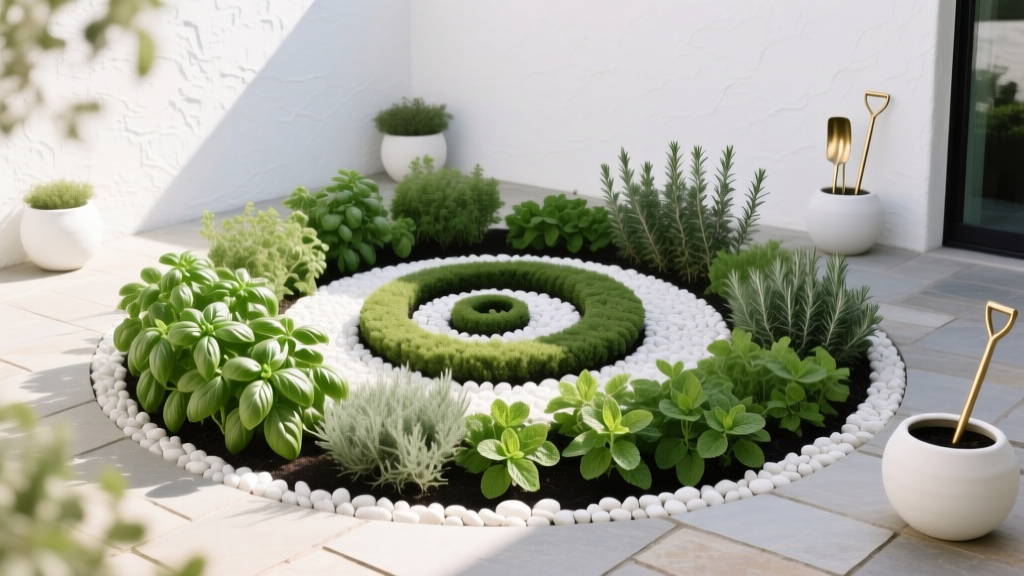
How to Create a Spiral Herb Garden - The Decor Mag
A spiral herb garden is one of those rare landscape upgrades that feels both artful and genuinely useful. It turns a small patch of yard into a sculptural focal point, while also giving you a compact, high-performing space to grow flavorful herbs right outside the kitchen door. For homeowners shaping a more inviting outdoor living space—whether that’s a patio, a pergola lounge, or a simple gravel sitting area—an herb spiral adds beauty, fragrance, and “pick-and-use” convenience.
What makes a spiral herb garden especially smart for outdoor design is the built-in variety of microclimates. The top stays warmer and drier, the bottom holds more moisture, and different sides get different levels of sun and wind. That means you can grow herbs with very different needs in one small, tidy footprint—perfect for patios, raised-bed layouts, and low-maintenance landscaping plans that still feel lush.
Think of it as a living centerpiece: a conversation-starting feature that improves your day-to-day outdoor living, from weekend grilling to evening cocktails with fresh basil, mint, or rosemary within arm’s reach.
What Is a Spiral Herb Garden (and Why It Works So Well)?
A spiral herb garden is a raised bed built in a spiral shape that gradually rises from ground level to a peak—usually 2–3 feet tall. The design creates:
- Excellent drainage at the top for Mediterranean herbs (rosemary, thyme, oregano).
- Moisture-retentive pockets at the base for thirstier herbs (parsley, cilantro, chives).
- Sun/shade variation depending on orientation—great for tender herbs that prefer afternoon protection in hotter climates.
- High yield in a small area, ideal for patio living and compact yards.
Planning Your Spiral Herb Garden: Location, Size, and Layout
Choose the Best Spot
For most herbs, aim for 6+ hours of sun daily. Place the spiral where it enhances your outdoor design and daily routine:
- Near the patio or outdoor kitchen for quick harvesting while cooking.
- Along a path where brushing past releases fragrance (lavender, thyme).
- As a focal point near seating, paired with landscape lighting for nighttime ambiance.
Pro layout tip: If you’re in the Northern Hemisphere, place sun-loving herbs on the south and west sides. Put more delicate or moisture-loving herbs on the east or north sides where the soil stays cooler.
Recommended Sizes (Pick What Fits Your Yard)
- Small (4–5 ft diameter): Great for patios and townhouse gardens; holds 10–18 herb plants.
- Medium (6–7 ft diameter): Best “all-around” size; easy to reach from all sides.
- Large (8+ ft diameter): A statement piece for bigger yards; add stepping stones around it for access.
A common build is around 6 feet wide with a top height of 2.5–3 feet—enough elevation for drainage without feeling like a boulder pile.
Materials That Look Great and Last Outdoors
The right materials help your herb spiral blend into your overall landscaping style—modern, rustic, coastal, or cottage—while holding up to weather year-round.
Best Material Options
- Natural stone (fieldstone, limestone, granite): Timeless, high-end look; excellent thermal mass for extending the growing season.
- Concrete retaining wall blocks: Clean lines for contemporary patios; predictable sizing makes DIY easier.
- Brick or reclaimed pavers: Classic and warm; complements brick patios and traditional outdoor living spaces.
- Gabion baskets (wire cages + stone fill): Modern and architectural; great for a design-forward yard.
Soil and Drainage Materials
- Topsoil + compost: Base fertility for most herbs.
- Coarse sand or pumice: Improves drainage at the top tiers.
- Gravel (optional): A thin base layer helps if your native soil is heavy clay.
Budget Ranges (Typical DIY)
- Budget build ($80–$200): Concrete blocks + bagged soil/compost + starter herbs.
- Mid-range ($200–$600): Reclaimed brick or mixed stone + higher-quality soil + drip kit.
- Premium ($600–$1,500+): Natural stone + professional soil blend + lighting + integrated patio edging.
Step-by-Step: How to Build a Spiral Herb Garden
1) Mark Your Spiral
- Outline a circle using a garden hose or rope (aim for 6 feet wide if space allows).
- Sketch a spiral path inward, leaving a planting “wall” about 12–18 inches thick.
2) Prepare the Base
- Remove grass and weeds down to soil.
- Level the area as much as possible (a slight slope is okay; just build higher on the low side).
- If drainage is poor, add 1–2 inches of gravel under the base footprint.
3) Build the Spiral Wall
- Start at the outer edge and stack your stone/block to form the first course.
- Continue spiraling inward, gradually increasing height as you go toward the center.
- Stagger joints like brickwork for strength.
Design note: A slightly irregular, natural stack looks relaxed and organic, while uniform blocks create a crisp, patio-ready aesthetic. Either can be beautiful—match it to your outdoor living style.
4) Fill with Layered Soil for Microclimates
Use different soil blends to match herb needs:
- Top (driest): 60% topsoil, 20% compost, 20% coarse sand/pumice.
- Middle: 60% topsoil, 30% compost, 10% sand.
- Bottom (moistest): 50% topsoil, 40% compost, 10% sand.
5) Plant Strategically (Then Mulch Lightly)
Plant from top to bottom so you don’t step on new plants. Add a thin mulch layer—fine gravel works well for Mediterranean herbs, while shredded leaf mulch helps retain moisture lower down.
Best Herbs to Plant in a Spiral (With Placement Tips)
Mix culinary favorites with pollinator-friendly herbs to elevate your garden design and support bees and butterflies.
Top Tier: Hot, Dry, Sunny
- Rosemary: Evergreen in mild climates; a showpiece plant.
- Thyme: Great edging herb; drought-tolerant.
- Oregano: Hardy and productive; can sprawl nicely over stones.
- Lavender: Adds fragrance and structure; loves drainage.
- Sage: Beautiful texture; excellent for year-round interest in many regions.
Middle Tier: Moderate Moisture
- Basil: Summer star; place where you’ll harvest often.
- Tarragon: Prefers consistent moisture, not soggy soil.
- Chives: Tough, neat clumps; purple blooms are pollinator magnets.
- Dill: Airy and tall; plant where it won’t shade smaller herbs.
Bottom Tier: Cooler, Moisture-Retentive
- Parsley: Great for the lower edge; steady moisture keeps it lush.
- Cilantro: Appreciates cooler soil; succession plant for longer harvests.
- Mint (with caution): Best in a buried pot to prevent spreading.
- Lemon balm (also vigorous): Consider potting-in for control.
Plant Pairing Tip for Patio Living
If you entertain outdoors, cluster “cocktail and grilling herbs” near the most accessible side of the spiral:
- Rosemary + thyme for grilled meats and vegetables
- Basil + parsley for salads and pasta
- Mint + lemon balm for drinks (contained in pots)
Design Upgrades: Make the Spiral Feel Like Part of Your Outdoor Living Space
Add a Comfortable Harvest Zone
Create a small standing or seating area beside the spiral so it feels intentional—like a mini outdoor kitchen garden.
- Surface: Decomposed granite, gravel, or pavers (great for clean shoes and easy maintenance).
- Edging: Steel or stone edging to keep gravel tidy.
Furniture Recommendations (Style + Function)
- Compact bistro set: Powder-coated steel or teak for durability; perfect for morning coffee near the herbs.
- Garden bench: Cedar or acacia for warmth; place to the north side so it doesn’t block sun.
- Rolling outdoor cart: Handy for harvest bowls, shears, and potting supplies—especially near a patio door.
Lighting for Year-Round Enjoyment
- Low-voltage path lights: Outline the spiral for evening ambiance.
- Warm uplight: Aim at rosemary or lavender for a dramatic nighttime focal point.
- String lights overhead: If the spiral sits near a pergola or patio seating zone.
Climate, Seasonal, and Year-Round Maintenance
Watering Strategy by Climate
- Hot/dry climates: Add drip irrigation with adjustable emitters; water more at the bottom, less at the top.
- Humid/rainy climates: Prioritize drainage (more sand/pumice). Space plants for airflow to reduce mildew.
- Cold winters: Choose hardy perennials (sage, thyme, chives). Treat basil as an annual and replant each spring.
Seasonal Care Calendar (Simple and Effective)
- Spring: Refresh compost (1–2 inches), replant annuals, prune woody herbs lightly.
- Summer: Harvest often to encourage new growth; water early morning; shade tender herbs during heat waves if needed.
- Fall: Cut back dead growth, dry herbs for pantry use, plant cool-season herbs like parsley and cilantro in mild regions.
- Winter: Mulch lightly in colder zones; protect rosemary and lavender with breathable frost cloth during hard freezes.
Quick Maintenance Tips
- Pinch basil regularly to prevent flowering and keep leaves tender.
- Prune rosemary and lavender after bloom (not into old wood) for a fuller shape.
- Rotate annual herbs (basil, cilantro) to reduce pest pressure.
Common Mistakes to Avoid
- Building too tall for stability: Keep the top around 2.5–3 feet unless you’re using engineered retaining blocks.
- Ignoring drainage: Soggy soil will shorten the life of rosemary, lavender, and thyme fast.
- Planting aggressive herbs without control: Mint and lemon balm should be contained in pots.
- Overcrowding: Herbs need airflow; cramped plants invite mildew and weak growth.
- Placing it too far from the house: If harvesting isn’t convenient, you won’t use it—keep it near your patio or main walkway.
- Using treated lumber near edibles: Skip pressure-treated wood for the spiral wall; choose stone, brick, or food-safe materials.
FAQ: Spiral Herb Gardens
How much sun does a spiral herb garden need?
Most herbs thrive with 6–8 hours of sun. If your yard is part-shade, focus on parsley, chives, mint (contained), cilantro, and lemon balm, and reserve the sunniest spots for basil and thyme.
Can I build a spiral herb garden on a patio?
Yes—if you have space and weight capacity. Use lighter materials (smaller blocks) and consider a shorter spiral or a container-based spiral effect with tiered planters. For elevated decks, consult a pro about load limits.
What’s the best soil for a spiral herb garden?
A blend of topsoil + compost, amended with coarse sand or pumice toward the top, performs best. The goal is fertile soil overall with sharper drainage in the upper zones.
Do spiral herb gardens attract pests?
They can, but diverse planting helps. Encourage beneficial insects with flowering herbs (chives, dill, lavender). Avoid overwatering and overcrowding, which are the biggest triggers for pest and disease issues.
How do I keep it looking good year-round?
Include a few evergreen or structural herbs (rosemary in mild climates, sage, thyme) and keep edges tidy. Add gravel mulch on the top tier for a clean, patio-ready look even in winter.
Can I grow vegetables in a spiral herb garden?
You can tuck in compact, quick crops like strawberries, lettuce, or nasturtiums (edible flowers) near the bottom or outer edges. Skip large, thirsty vegetables that will outcompete herbs.
Your Next Steps: Build a Spiral That Elevates Your Outdoor Design
Start by choosing a sunny spot near your patio or outdoor kitchen zone, pick a material that matches your landscaping style (stone for timeless charm, blocks for modern lines), and size it so you can comfortably reach every section. Once it’s planted, harvest often, tweak watering by tier, and treat the spiral like a living part of your outdoor living space—one that looks beautiful in every season.
For more backyard inspiration, patio design ideas, and landscaping projects that make outdoor life feel effortless, explore more articles on thedecormag.com.
More Articles
 How to Design a Sensory Herb Garden - The Decor Mag
 Outdoor Pergola Fairy Light Draping Guide - The Decor Mag
 Outdoor Pavilion Mist Cooling System - The Decor Mag
 Best Outdoor Bar Cutting Board Station - The Decor Mag
 Upcycled Garden Planters: Creative Balcony Container Ideas
 Best Pergola and Shade Structure Ideas - The Decor Mag
 How to Create a Herb Garden Near the Kitchen - The Decor Mag
 Best Outdoor Bar Orange Twist Station - The Decor Mag
 How to Design a Tropical Garden Oasis - The Decor Mag
 How to Create a Vegetable Garden Layout - The Decor Mag