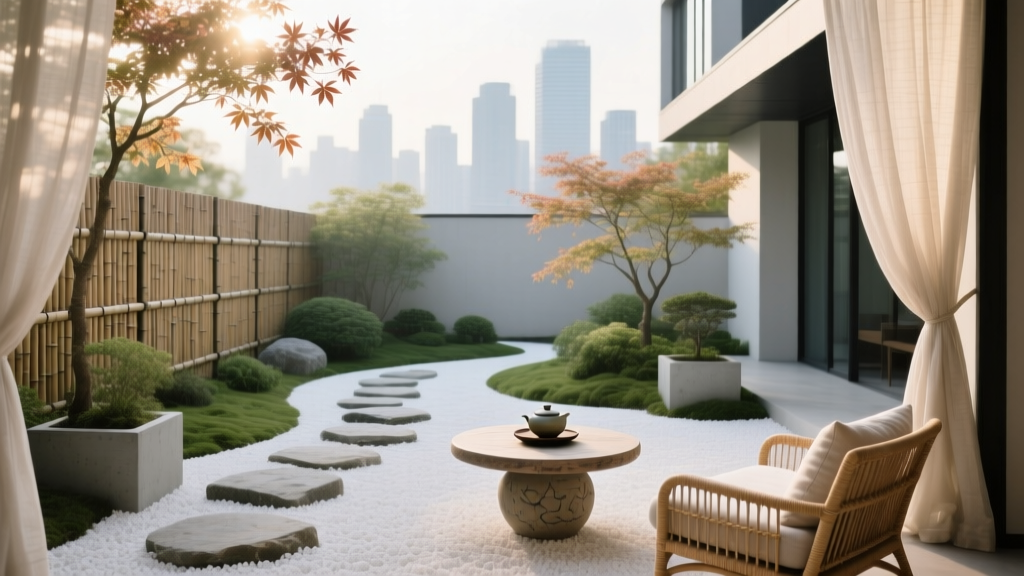
How to Design a Tea Garden - The Decor Mag
A tea garden is one of the most satisfying outdoor living upgrades you can make: it’s part landscape design, part patio retreat, and part daily ritual. Unlike a standard seating area that exists “when company comes,” a tea garden is built for everyday use—ten quiet minutes in the morning, a mid-afternoon reset, or a cozy evening cup under string lights.
For homeowners looking to elevate a backyard, patio, side yard, or even a small courtyard, tea garden design offers a clear advantage: it focuses on comfort, atmosphere, and sensory details rather than sheer size. Done well, it becomes a destination that makes your outdoor space feel intentional—shaded, fragrant, protected from wind, and styled with materials that weather beautifully.
This guide walks you through layout ideas, furniture recommendations, plant selections, materials, and the practical maintenance strategies that keep your tea garden inviting through every season.
What Makes a Tea Garden Feel Like a Tea Garden?
A tea garden doesn’t have to be traditional or strictly Japanese-inspired. The best tea gardens borrow a few universal principles—calm, enclosure, sensory richness, and an easy flow from indoors to outdoors—then adapt them to your home’s architecture and your climate.
- Comfortable seating for lingering (not just a decorative bench)
- Soft, layered planting with fragrance and texture
- Privacy and gentle enclosure (hedges, screens, trellis, tall containers)
- Simple, durable surfaces like stone, gravel, or brick for stable footing
- Subtle “moment” elements such as a water feature, lantern lighting, or a focal plant
Start With the Site: Choosing the Best Location
Before you pick plants or patio furniture, decide where the tea garden will live. The ideal spot is close enough to the kitchen for easy carrying, but far enough from daily foot traffic to feel like a retreat.
Location options (and why they work)
- Off the kitchen door: Best for daily use; easiest for serving trays and a hot kettle.
- In a side yard: Often underused; great for a narrow path-and-seating layout with tall screening.
- Under an existing tree canopy: Natural shade improves comfort and reduces furniture fading.
- Corner of the backyard: A destination nook that feels secluded with the right planting.
- On a patio extension: Add a small “tea zone” using a rug, containers, and a screen to define the area.
Sun, wind, and noise: quick evaluation
- Sun: Aim for morning sun + afternoon shade if possible. Full afternoon sun can feel harsh for relaxed patio living.
- Wind: If you have steady breezes, prioritize a pergola, slatted screen, or evergreen hedge on the windward side.
- Noise: A small bubbling fountain or rustling grasses can mask street sound better than you’d expect.
Design the Layout: Classic Tea Garden Plans That Work Anywhere
Tea garden design thrives on clear, simple geometry. You’re creating a place to sit, a place to set things down, and a pleasant way to arrive.
1) The “Nook” Layout (small spaces, big impact)
Perfect for patios, balconies, and compact yards.
- One bistro set or two lounge chairs + a small side table
- Two tall planters or a trellis to create privacy
- A single focal point (water bowl, lantern, specimen plant)
2) The “Path + Pause” Layout (side yards and long narrow gardens)
Use a stepping-stone path or decomposed granite walkway that leads to a small seating pad.
- Entry gate or arbor to signal transition
- 4–6 ft wide seating pocket at the end
- Layered planting along the path for scent and texture
3) The “Courtyard” Layout (year-round outdoor living)
Ideal if you want a more finished outdoor living space with structure.
- Hardscape base: pavers, stone, or brick
- Overhead element: pergola, shade sail, or tree canopy
- Perimeter planting for enclosure and seasonal interest
Comfort dimensions (so it actually functions)
- Seating area: 6' x 6' minimum for a bistro set; 8' x 10' for two lounge chairs + side table + circulation.
- Paths: 36" wide is comfortable; 42–48" feels generous.
- Table height: 18–20" for lounge chairs; 28–30" for dining/bistro seating.
Materials That Set the Mood (and Hold Up Outdoors)
Tea gardens feel timeless when materials look better with age. Prioritize natural textures and surfaces that handle wet leaves, foot traffic, and seasonal shifts.
Best surface materials for tea garden patios and paths
- Decomposed granite (DG): Soft, natural look; great for paths and seating pads. Use stabilizer for less tracking.
- Natural stone (bluestone, slate, limestone): Premium feel and long life; excellent for patio design.
- Brick: Warm and classic; works beautifully with cottage or traditional landscaping.
- Gravel with stepping stones: Budget-friendly; adds pleasing crunch underfoot (choose rounded pea gravel for comfort).
- Concrete pavers: Clean and modern; select tumbled or textured finishes for a softer look.
Edging and structure
- Corten steel edging: Sleek lines, low maintenance, strong modern vibe.
- Stone or brick edging: Traditional, sturdy, and easy to match to existing hardscape.
- Wood screens or pergolas: Cedar and redwood resist rot naturally; stain for longevity.
Furniture and Accessories: Comfortable, Practical, Weather-Ready
The best tea garden furniture is comfortable enough to encourage slowing down, and durable enough to live outdoors without constant fuss.
Tea garden furniture recommendations
- Bistro set (2 chairs + small table): Best for small patios. Look for powder-coated aluminum, teak, or all-weather wicker.
- Two lounge chairs + side table: Best for long tea sessions and reading. Add a small ottoman if space allows.
- Built-in bench: Great for narrow spaces; pair with outdoor cushions and a pedestal table.
Materials that perform well outdoors
- Teak: High-end, naturally weather-resistant; turns silvery over time.
- Powder-coated aluminum: Lightweight, rust-resistant, modern; easy to move seasonally.
- All-weather wicker: Cozy texture; choose UV-stable resin over natural rattan.
- Outdoor fabrics: Solution-dyed acrylic (like Sunbrella-style) resists fading and mildew.
Finishing touches that elevate patio living
- Tea tray station: A small outdoor bar cart or console table near the door.
- Outdoor rug: Defines the “room” and softens hardscape; polypropylene is durable and rinseable.
- Lighting: Layer it—string lights overhead, a lantern on the table, and path lights for safe steps.
- Heat for shoulder seasons: Compact propane fire bowl, tabletop heater, or an electric infrared wall heater for covered patios.
Planting Design: Fragrance, Texture, and Four-Season Beauty
Plants are what make a tea garden feel restorative. Aim for a mix of evergreen structure, soft movement, and fragrance that drifts across the seating area.
Foundational planting strategy
- Backdrop (privacy + calm): evergreen shrubs, bamboo alternatives, tall grasses, or trellised vines
- Mid-layer (seasonal color + scent): flowering shrubs and perennials near the path and seating
- Edge layer (softness + detail): groundcovers and low perennials to make the space feel finished
Plant suggestions by design goal
- Fragrance near seating: lavender, jasmine (climbing), sweet box (Sarcococca), gardenia (warm climates), rosemary, thyme, dianthus
- Calming evergreens: boxwood (blight-resistant varieties where needed), yew (cold climates), podocarpus (mild climates), dwarf conifers, holly varieties
- Soft movement: Japanese forest grass (Hakonechloa), fountain grass (choose non-invasive varieties), blue fescue, muhly grass
- Shade-friendly favorites: ferns, hellebores, hosta, hydrangea (where suitable), astilbe
- Pollinator-friendly blooms: salvia, nepeta (catmint), echinacea, gaura, verbena
If you want to grow real tea (Camellia sinensis)
Tea plants can thrive in the right conditions—typically mild climates with acidic, well-drained soil and consistent moisture.
- Best fit: USDA Zones roughly 7–10 (microclimates matter)
- Soil: acidic (similar to azaleas/camellias), rich organic matter, good drainage
- Light: bright light with afternoon shade in hotter regions
- Container option: grow in a large pot and protect in cold snaps
Water, Sound, and Focal Points: The “Stay a While” Effect
A tea garden becomes memorable when it includes one or two elements that gently engage the senses.
- Small fountain or bubbling urn: compact, masks noise, adds sparkle; choose a self-contained recirculating unit for easy installation.
- Stone basin or water bowl: minimal and elegant; can double as a bird bath.
- Focal plant: Japanese maple (where climate allows), sculptural olive tree (warm climates), or a large container with clipped evergreen.
- Garden art with restraint: one lantern, one sculpture, or one decorative screen—avoid clutter.
Seasonal Planning for Year-Round Outdoor Living
The smartest tea garden designs feel inviting in multiple seasons—even if you only sit outside year-round occasionally. Plan for comfort shifts and visual interest as the garden changes.
Spring
- Plant bulbs near paths (daffodils, tulips where critters allow)
- Add a light throw and clean outdoor cushions after winter storage
Summer
- Prioritize shade: pergola, umbrella, or shade sail
- Use drought-tolerant planting and drip irrigation for easy maintenance
Fall
- Layer lighting as days shorten (path lights + lanterns)
- Swap in hardy container plants (ornamental cabbage, mums, grasses)
Winter
- Keep structure with evergreens, bark texture, and winter-interest grasses
- Add warmth: patio heater, fire bowl, wind screen, outdoor curtains (covered areas)
- Protect furniture: breathable covers and raised storage to prevent moisture trapping
Climate and Maintenance Considerations
A tea garden should feel peaceful, not like another chore. Match materials and plants to your local conditions, and your maintenance drops dramatically.
Hot and dry climates
- Choose DG, gravel, or light-colored stone to reduce heat absorption
- Plant palette: lavender, rosemary, salvia, olive, succulents (where appropriate), ornamental grasses
- Use drip irrigation and 2–3" of mulch to reduce watering needs
Humid and rainy climates
- Use slip-resistant stone or textured pavers; ensure proper slope for drainage
- Choose mildew-resistant fabrics and quick-dry cushions
- Plant palette: ferns, hydrangea (region-dependent), camellias, sweet box, native shrubs
Cold and snowy climates
- Use freeze-thaw rated pavers/stone; avoid porous materials that spall
- Plan a storage solution for cushions and textiles
- Evergreens and winter texture matter more than flowers
Simple maintenance checklist
- Weekly (growing season): quick sweep of hardscape, deadhead blooms, check irrigation
- Monthly: prune lightly, refresh mulch, clean fountain intake
- Seasonally: deep clean patio, reseal stone if needed, swap containers, inspect lighting
Budget Ranges: What a Tea Garden Typically Costs
Costs vary widely based on hardscape and furniture quality. These ranges help homeowners plan a realistic outdoor living upgrade.
- Budget-friendly ($500–$2,500): gravel/DG pad, basic bistro set, containers, solar path lights, starter plants
- Mid-range ($2,500–$10,000): paver or stone patio section, higher-quality furniture, drip irrigation, layered planting, low-voltage lighting
- Premium ($10,000–$30,000+): custom hardscape, pergola, built-in seating, water feature, mature plantings, integrated lighting and heating
Common Mistakes to Avoid
- Placing seating in full afternoon sun with no shade plan—comfort drops fast in summer.
- Choosing looks over comfort (tiny chairs, wobbly tables, no place for a tray).
- Overplanting or over-decorating—tea gardens feel better with restraint and breathing room.
- Ignoring drainage—a soggy seating pad or puddling pavers ruin usability.
- Using high-maintenance plants in the wrong climate—constant replacements get expensive.
- Forgetting lighting—even simple patio living benefits from safe, warm illumination.
FAQ: Tea Garden Design
Do I need a large yard to design a tea garden?
No. A tea garden can fit on a small patio, balcony, or side yard. A 6' x 6' area is enough for a bistro set, containers, and a simple focal point.
What’s the best surface for a tea garden patio?
Decomposed granite, brick, and natural stone are top choices for a relaxed, timeless look. If you want low maintenance and a clean finish, concrete pavers are excellent.
What plants create a calming tea garden feel?
Evergreens for structure plus soft, fragrant plants near seating work beautifully. Consider lavender, jasmine, sweet box, ornamental grasses, and a focal shrub or small tree.
How do I make a tea garden feel private?
Use layered screening: a trellis with vines, tall planters, evergreen shrubs, and/or a slatted wood panel. Even one screened side can make a seating nook feel protected.
How can I use my tea garden in cooler seasons?
Add a heat source (fire bowl or patio heater), wind protection (screen or outdoor curtain in covered areas), warm lighting, and cold-season structure with evergreens and winter-interest plants.
Is a water feature necessary?
Not necessary, but highly effective. A small recirculating fountain adds soothing sound, masks noise, and makes the space feel like a true garden retreat.
Next Steps: Build Your Tea Garden Plan This Weekend
- Pick your location based on sun, wind, and ease of access from the kitchen.
- Choose a layout (nook, path + pause, or courtyard) and sketch the seating footprint.
- Select one hardscape material and one focal element (fountain, lantern, or specimen plant).
- Invest in comfortable seating and add a table that works for a tray and teapot.
- Plant for all seasons with evergreen structure plus fragrance and movement.
Your tea garden doesn’t need to be large or expensive—it needs to be thoughtfully placed, comfortable, and alive with texture. For more patio design ideas, landscaping tips, and outdoor living inspiration, explore the latest guides on thedecormag.com.
More Articles
 Best Outdoor Beverage Tub Options - The Decor Mag
 Best Outdoor Bar Fruit Bowl Display - The Decor Mag
 Outdoor Fireplace and Fire Pit Ideas - The Decor Mag
 How to Design a Moonlight Garden - The Decor Mag
 How to Design a Rooftop Terrace - The Decor Mag
 Outdoor Kitchen Countertop Sealant Guide - The Decor Mag
 How to Design a Cottage Core Garden - The Decor Mag
 Best Outdoor Bar Olive and Pickle Station - The Decor Mag
 How to Design a Hummingbird Garden - The Decor Mag
 Best Outdoor Bar Strainer and Shaker Rack - The Decor Mag