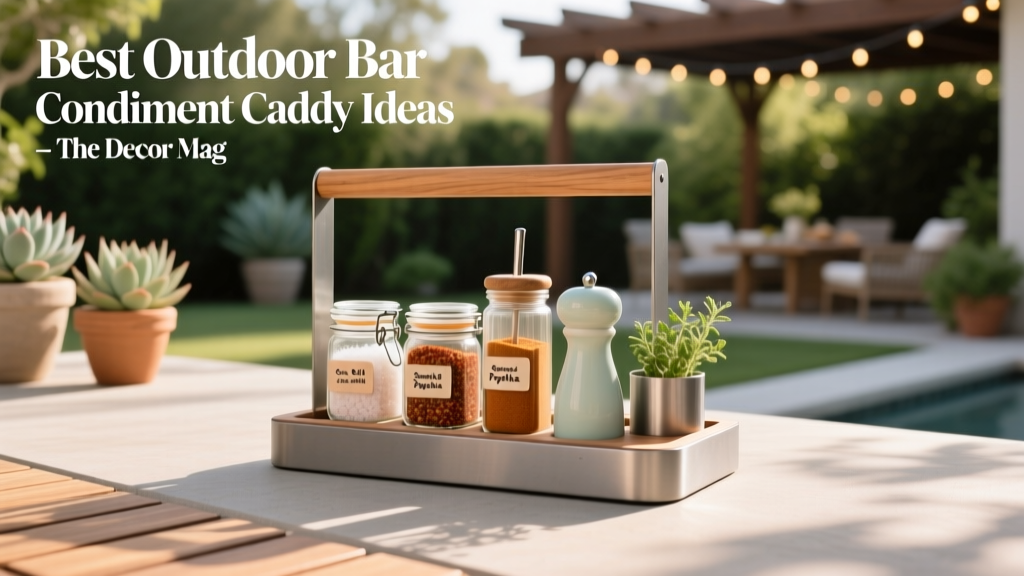
Best Outdoor Bar Condiment Caddy Ideas - The Decor Mag
An outdoor bar is one of the fastest ways to make a patio, deck, or garden feel like a true destination—somewhere guests naturally gather, linger, and snack between conversations. Yet even the most beautiful outdoor bar setup can feel chaotic when the “little things” don’t have a home: ketchup packets fly away, cocktail napkins get damp, salt shakers clump, and bottle openers vanish right when you need them.
That’s where a well-designed outdoor bar condiment caddy comes in. It’s not just a container—it’s a small, high-impact organizing tool that supports smoother hosting, cleaner surfaces, and better year-round outdoor living. With the right materials and layout, a condiment station becomes a design element that looks intentional, holds up to weather, and makes your outdoor entertaining feel effortless.
Below are practical, inspiring condiment caddy ideas that work for everything from compact balcony bars to full outdoor kitchens—plus specific material recommendations, plant pairings, budget ranges, and the most common mistakes homeowners make when setting up a patio bar.
What Makes a Great Outdoor Bar Condiment Caddy?
Before choosing a style, focus on performance. Outdoor living spaces demand pieces that handle sun, wind, humidity, and the occasional splash.
Key features to prioritize
- Weather resistance: Look for stainless steel, powder-coated metal, sealed teak, or durable resin/wicker.
- Weighted or non-slip base: Helps prevent tipping on windy patios or slick countertops.
- Drainage + easy cleaning: Removable liners, wipeable finishes, and no hard-to-reach crevices.
- Compartments that match your menu: Slots for squeeze bottles, jars, napkins, straws, garnish picks, and utensils.
- Pest-aware design: Lids, domes, or containers that reduce attraction to ants and flies.
- Carry-friendly: Handles are a must if you’ll move the caddy between indoor pantry and outdoor bar.
Right-size your station
A condiment caddy should feel generous, not bulky. Use these quick guidelines:
- Small patio bar cart: 8–12 inches wide caddy, 3–5 compartments
- Standard outdoor bar counter: 12–18 inches wide caddy, 5–8 compartments
- Outdoor kitchen with prep zone: Two caddies (one for condiments, one for bar tools/garnishes)
Outdoor Bar Condiment Caddy Ideas (Stylish + Practical)
1) Stainless Steel Restaurant-Style Caddy (The “Always Works” Pick)
For homeowners who entertain often, stainless steel is the workhorse: it looks crisp, handles heat, and cleans quickly.
- Best for: modern patios, outdoor kitchens, grill stations
- Materials: 304 stainless steel (best corrosion resistance), silicone feet
- Design tip: Pair with a matching stainless ice bucket and a slim tray for a cohesive outdoor bar setup.
Budget range: $20–$80
2) Teak or Acacia Wood Caddy for a Warm, Resort Look
Wood brings instant warmth to patio living spaces, especially alongside stone, concrete, or black metal furniture. Choose outdoor-rated hardwoods and protect them like you would deck furniture.
- Best for: coastal, Mediterranean, boho, and tropical outdoor design
- Materials: teak (top-tier), acacia (budget-friendly), marine-grade sealant
- Maintenance: re-seal 1–2x per year; store indoors during heavy rains or snow for longer life
Budget range: $25–$120
3) Covered Condiment Caddy with Clear Dome (Bug-Reducing Entertaining)
If your yard attracts flies, gnats, or curious wasps, a dome cover is a game-changer. It keeps food protected while still letting guests see what’s inside.
- Best for: summer hosting, poolside bars, outdoor dining tables
- Materials: BPA-free acrylic dome, powder-coated tray, removable inserts
- Pro move: Place a small ramekin of citrus peels or crushed mint nearby—often less attractive to some pests than sugary spills.
Budget range: $30–$90
4) Bar Cart Condiment “Drawer” Using Stackable Bins
For small patios and renters, a bar cart can double as storage. Create a tidy, modular condiment system with stackable bins that slide in and out.
- Best for: compact decks, balconies, flexible patio furniture layouts
- Materials: resin bins, silicone labels, non-slip shelf liner
- Layout tip: Put napkins and dry items on the top shelf; put sealed sauces and heavier bottles on the bottom shelf for stability.
Budget range: $15–$60 (plus the bar cart if needed)
5) Rustic Galvanized Tub Caddy (Great for BBQ Nights)
A shallow galvanized tub looks right at home near a grill station and is easy to carry from kitchen to patio. Use small jars or ramekins inside to prevent rattling.
- Best for: farmhouse patios, backyard BBQs, fire pit gatherings
- Materials: galvanized steel tub, glass jars with lids, washable cotton liner
- Care tip: Keep it dry between uses to reduce rust; avoid leaving acidic spills (vinegar sauces) in contact for long periods.
Budget range: $20–$70
6) Built-In Condiment Niche (Outdoor Kitchen Upgrade)
If you’re designing or remodeling an outdoor kitchen, add a dedicated condiment niche or a pull-out tray near the prep area. It keeps counters open and looks custom.
- Best for: permanent outdoor kitchens, covered patios, high-traffic entertaining spaces
- Materials: stainless inserts, stone or porcelain surround, marine-grade drawer slides
- Design detail: Include a small lip or recessed shelf to prevent bottles from sliding when the drawer opens.
Budget range: $150–$600+ (depending on cabinetry and labor)
Designing the Perfect Condiment Station: Layout + Styling
Choose a “zone” on your patio bar
Good outdoor design is all about zones: prep, serve, and gather. Your condiment caddy should land where it reduces traffic jams.
- Near the serving edge: Guests can help themselves without entering the bartender/grill master’s workspace.
- Adjacent to napkins and trash: This keeps drips and wrappers contained.
- Away from open flames: Heat can warp plastics and spoil sauces faster.
Pair with the right outdoor bar furniture
- Outdoor bar cart: powder-coated aluminum or stainless for easy rolling and weather resistance.
- Bar counter or console: concrete, sealed stone, or porcelain slab tops wipe clean and resist staining.
- Serving tray: melamine or marine-grade teak tray under the caddy helps catch drips and makes cleanup simple.
Add a small plant moment (functional + beautiful)
Plants elevate the outdoor bar experience and can be genuinely useful for cocktails and garnishes. Keep them close—but not so close they shed into food.
- Best edible plants for a condiment/garnish zone: basil, mint (keep contained), rosemary, thyme, chives
- Great low-mess ornamentals nearby: lavender, dwarf boxwood, succulents (in dry climates), small agave (away from walkways)
- Planter tip: Use a narrow trough planter behind the bar to create a lush backdrop without stealing counter space.
Materials That Hold Up Outdoors (And What to Skip)
Top outdoor-friendly materials
- 304 stainless steel: best for humid climates and pool areas
- Powder-coated aluminum: lightweight, rust-resistant, modern look
- Sealed teak: timeless and durable with periodic maintenance
- Acrylic (high-quality): great for covers; choose thicker acrylic to avoid cracking
- Resin: budget-friendly and easy to wash
Materials to avoid for exposed patios
- Unsealed bamboo or softwoods: can swell, split, and mildew
- Low-grade steel: rusts quickly, especially near sprinklers or coastal air
- Thin, brittle plastics: degrade under UV and become chalky
Climate + Seasonal Considerations for Year-Round Outdoor Living
Hot, sunny climates
- Choose UV-stable resin, stainless steel, or sealed teak.
- Store sauces indoors between uses; heat shortens shelf life and can separate emulsions.
- Add a small shade solution: market umbrella, pergola slats, or a bar-height canopy to keep condiments cooler.
Humid or rainy climates
- Prioritize 304 stainless and powder-coated aluminum.
- Use lidded containers to reduce moisture and insects.
- Choose quick-dry mats under the caddy to prevent mildew rings on stone or wood counters.
Cold climates + winter storage
- Bring caddies indoors for winter to prevent cracking and corrosion.
- If you host outside in shoulder seasons, keep a compact “winter kit” indoors: napkins, matches/lighter, bottle opener, salt/pepper in sealed grinders.
- For year-round patios with heaters, avoid leaving liquids outside overnight—freeze/thaw can break glass and warp plastic.
Budget Ranges: What to Expect
- Budget-friendly ($15–$40): resin caddies, basic bins, melamine trays, DIY labeled jars
- Mid-range ($40–$120): stainless caddies, teak/acacia organizers, covered acrylic dome sets
- High-end ($120–$600+): built-in niches, custom inserts, outdoor kitchen drawer systems, premium teak accessories
Common Mistakes to Avoid
- Oversizing the caddy: A huge organizer eats prep space and looks cluttered. Edit to the essentials.
- Using open bowls for everything: Wind, bugs, and debris will find them. Use lids for sugars, garnishes, and anything sticky.
- Ignoring weight and stability: Lightweight caddies tip easily on bar carts. Add a non-slip mat or choose a heavier base.
- Mixing too many materials: Keep finishes consistent—stainless with stainless, teak with warm metals, black powder coat with modern accessories.
- Leaving condiments outdoors full-time: Heat and humidity shorten shelf life and invite pests.
- Forgetting cleanup flow: Place a small bus tub or tray nearby so guests have a clear spot for used picks, empty packets, and sticky lids.
FAQ: Outdoor Bar Condiment Caddies
What’s the best material for an outdoor condiment caddy?
304 stainless steel is the most reliable for weather resistance and easy cleaning. For a warmer look, sealed teak performs well with seasonal maintenance.
How do I keep bugs away from condiments on a patio?
Use a covered caddy or lidded jars, wipe spills quickly, and avoid leaving sweet mixers open. Position the condiment station away from trash and standing water, and consider a small fan on low near the serving area—moving air helps deter flies.
Can I leave my condiment caddy outside all year?
You can leave weather-rated caddies out, but it’s better to bring them indoors during heavy rain, snow, or freezing temps. Condiments and paper goods should be stored inside between gatherings for freshness and pest control.
What should I stock in a basic outdoor bar condiment caddy?
- Napkins (cocktail + dinner)
- Salt and pepper (preferably in sealed grinders)
- Straws or stir sticks in a covered cup
- Bottle opener + corkscrew
- 2–4 core sauces or mix-ins based on your menu
How do I create a condiment station for both grilling and cocktails?
Use two smaller caddies: one near the grill with BBQ sauces, spice rubs, and tools; one near the outdoor bar with citrus, simple syrup, bitters, and garnish picks. This keeps traffic flowing and prevents cross-mess.
Next Steps: Build a Condiment Setup You’ll Actually Use
Start by choosing a caddy material that matches your climate and outdoor furniture—stainless for maximum durability, teak for warmth, or a covered acrylic option for bug-prone yards. Then edit your inventory down to what you serve most, add a non-slip tray underneath, and create a simple “bring-out/bring-in” routine so everything stays clean and ready.
Want more ideas for outdoor bar setups, patio living upgrades, and landscape design that feels as good as it looks? Explore more outdoor entertaining inspiration on thedecormag.com.
More Articles
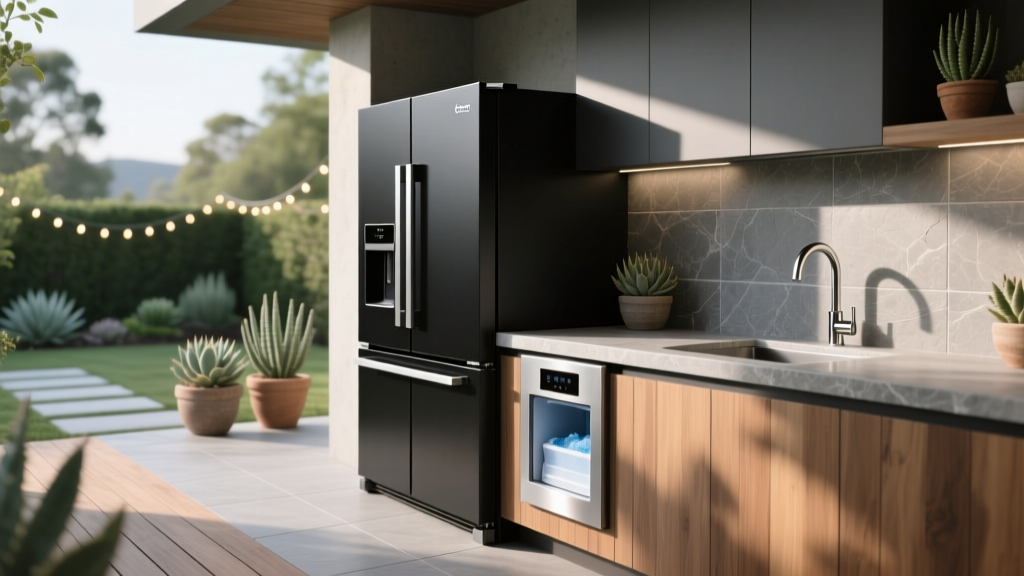 Outdoor Refrigerator and Ice Maker Setup - The Decor Mag
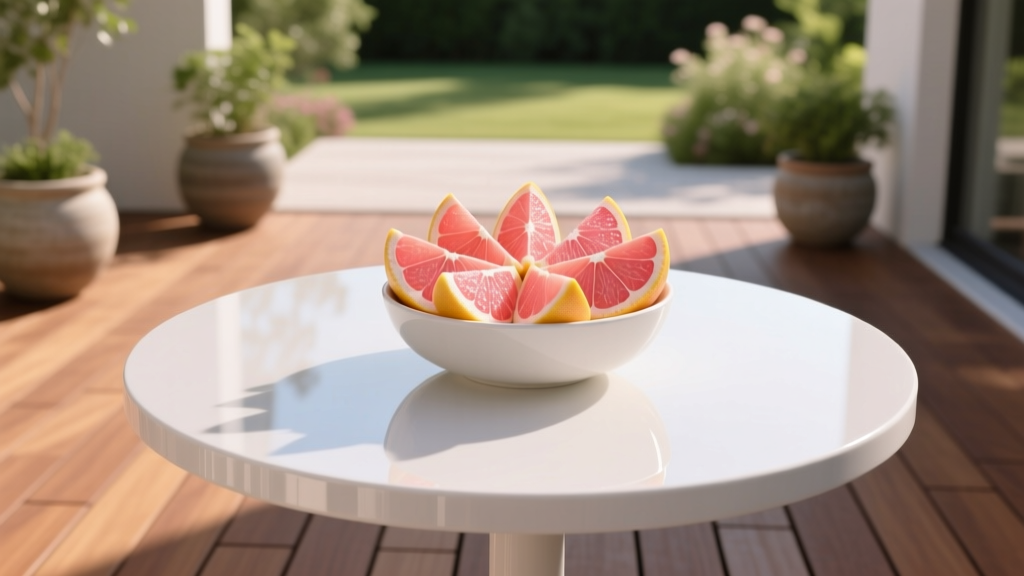 Best Outdoor Bar Grapefruit Wedge Bowl - The Decor Mag
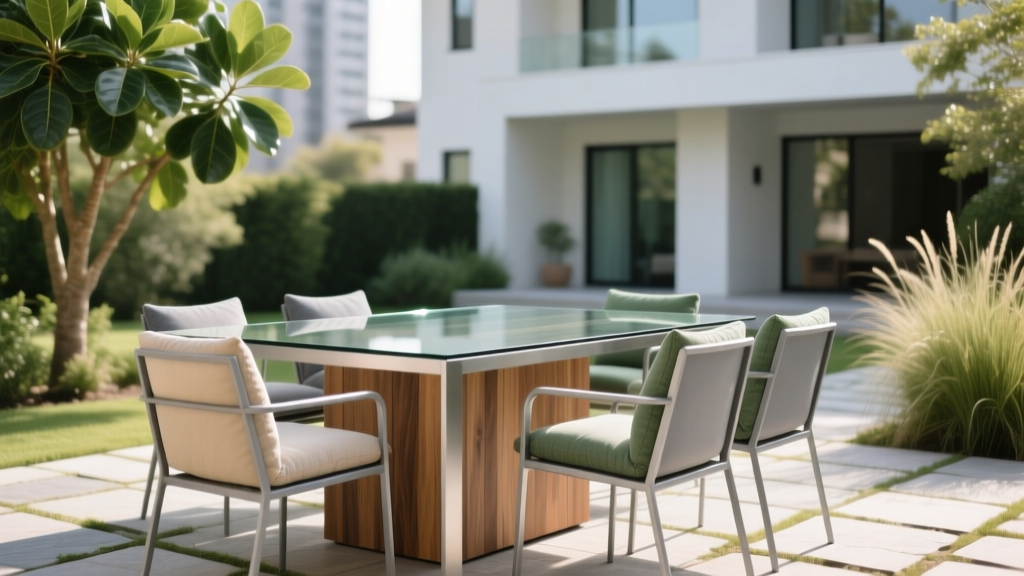 Best Outdoor Dining Table Materials - The Decor Mag
 How to Create a Succulent Garden - The Decor Mag
 Outdoor Kitchen Flat Top Grill Setup - The Decor Mag
 How to Create a Butterfly Garden - The Decor Mag
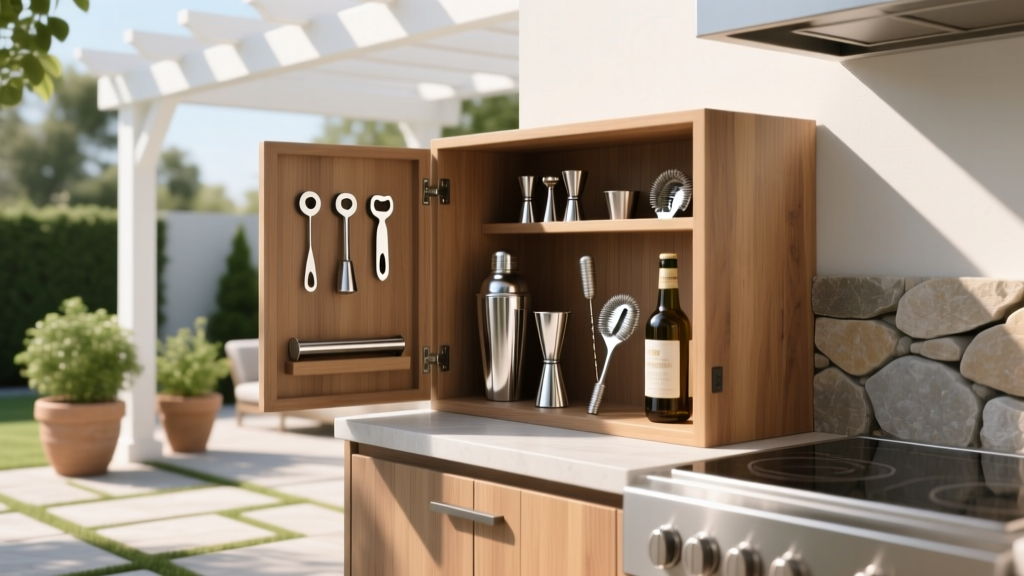 Best Outdoor Bar Tool Storage Ideas - The Decor Mag
 How to Create a Kitchen Garden - The Decor Mag
 How to Create a Firefly Garden - The Decor Mag
 How to Design a Pollinator Pathway - The Decor Mag