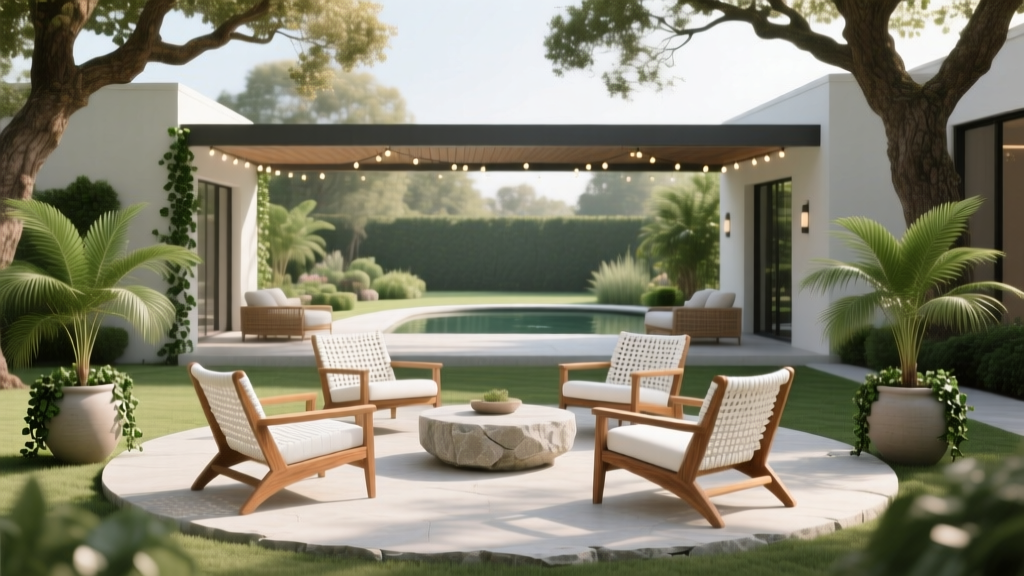
Best Outdoor Nesting Chair Sets - The Decor Mag
If you love the look of a styled patio but live with the reality of changing plans—extra guests, kids running outside, a surprise sunset dinner—outdoor nesting chair sets are one of the smartest upgrades you can make. They deliver the comfort and presence of “real” outdoor seating, yet they tuck away neatly when you need more floor space for grilling, garden projects, or a clear pathway through the yard.
Nesting chairs shine in modern outdoor living because they’re flexible. One day they’re a compact pair beside a fire pit; the next they’re pulled apart to create a conversational layout on a deck. For homeowners trying to maximize a small patio, apartment balcony, or multi-use backyard, nesting chair sets offer the best of both worlds: design-forward style and practical storage.
Below, you’ll find expert recommendations for the best types of outdoor nesting chair sets, what materials actually hold up outdoors, how to style them with plants and accessories, and how to avoid common buying mistakes—so your patio furniture feels intentional all year long.
What Makes an Outdoor Nesting Chair Set “The Best”?
Nesting sets vary widely: some are truly stackable, others partially nest (one chair slips under another), and some include ottomans or side tables that tuck in. The best option for your outdoor space depends on layout, climate, and how you entertain.
Key Features to Look For
- Weather-ready frame: Powder-coated aluminum, galvanized steel, teak, or high-quality resin wicker.
- Comfort-first proportions: A seat depth of 19–22 inches and a slight recline are typically the sweet spot for lounging.
- Quick-dry cushions: Solution-dyed acrylic (like Sunbrella-style fabrics) and reticulated foam or quick-dry fill.
- Non-marking feet: Especially on composite decking, tile patios, and pavers to avoid scuffs.
- Easy nesting footprint: Measure where they’ll live when nested—against a wall, near a shed, under a covered patio, or in a deck box.
- Weight and stability: Light enough to move, heavy enough to avoid tipping in breezy areas.
Best Use Cases by Outdoor Space
- Small patio or balcony: Choose slim silhouettes, armless designs, and chairs that fully nest to half the footprint.
- Poolside lounging: Look for rust-proof frames and quick-dry cushions; prioritize wipeable, chlorine-resistant materials.
- Fire pit seating: Select low lounge nesting chairs and add a heat-resistant side table (concrete, stone, or metal).
- Covered porch: You can lean into plush cushions, woven textures, and indoor-outdoor rugs for a living-room feel.
Top Outdoor Nesting Chair Set Styles (and Who They’re For)
Rather than a single “best” product, the best outdoor nesting chair set is the one that fits your climate, maintenance style, and patio living goals. These categories cover the strongest performers in real backyards.
1) Powder-Coated Aluminum Nesting Lounge Chairs
Best for: Humid climates, coastal areas, and anyone who wants low maintenance patio furniture.
Powder-coated aluminum is the MVP of outdoor design. It won’t rust, it’s lightweight, and it looks crisp in modern or transitional spaces. Pair it with performance fabric cushions for a high-end look that stays easy.
- Recommended finish: Matte black, sand, or charcoal for timeless curb appeal.
- Cushion fabric: Solution-dyed acrylic or olefin with a minimum UV rating and removable covers.
- Budget range: $300–$900 for a 2-chair set; $900–$1,800 for premium brands with better welds and cushions.
2) Resin Wicker (All-Weather Woven) Nesting Chairs
Best for: Cozy patios, classic outdoor living spaces, and homeowners who love texture.
All-weather wicker (PE rattan) gives that relaxed “resort patio” vibe and tends to nest beautifully because the shapes are rounded and forgiving. The key is choosing high-quality, UV-stabilized weave and a rust-resistant frame underneath.
- Look for: Handwoven PE resin, aluminum frame, and tight, consistent weave.
- Avoid: Bargain sets with steel frames that rust from the inside out.
- Budget range: $250–$700 for a 2-chair set; $700–$1,500 for thicker weave and better cushions.
3) Teak or Acacia Nesting Chairs (Warm + Natural)
Best for: Covered patios, design lovers, and homeowners who want a natural wood statement.
Teak is the gold standard for outdoor wood furniture. It weathers to a soft silver-gray and holds up beautifully with minimal care. Acacia can be a budget-friendly alternative, best under a roofline or with seasonal storage.
- Teak maintenance: Optional—clean and let it weather naturally, or oil once/twice a year to maintain warmth.
- Acacia maintenance: Seal regularly and protect from standing water.
- Budget range: Acacia $250–$700; teak $800–$2,500 depending on grade and cushion quality.
4) Rope-Wrap or Sling Nesting Chairs (Modern, Quick-Dry)
Best for: Rainy regions, pool decks, and minimalist patio layouts.
Rope and sling chairs often require fewer cushions, so they dry fast and feel airy. They’re also excellent for small patios because they visually “lighten” the space.
- Best materials: UV-stable rope (polypropylene) and powder-coated aluminum frames.
- Best add-on: A small nesting ottoman or side table to create a lounge zone.
- Budget range: $250–$1,200 for a 2-chair set depending on brand and detailing.
Design Tips: How to Style Nesting Chairs Like a Pro
Nesting chairs are flexible by nature. The trick is to make them look intentional even when they’re nested or shifted around for entertaining.
Layout Ideas for Patios, Decks, and Yards
- Conversation pair: Two nesting chairs angled toward a small round side table (18–22 inches wide) for morning coffee.
- Fire pit semicircle: Nest chairs on the edges, then pull them out when guests arrive to complete the circle.
- Outdoor living room: Nesting chairs + a compact loveseat + a coffee table; keep a clear pathway (at least 36 inches) for flow.
- Garden “pause point”: Place a nesting set on pavers at the edge of a lawn with layered planting behind it for a destination feel.
Materials That Elevate the Look (and Last Outdoors)
- Outdoor rug: Polypropylene flatweave for durability; choose a pattern to hide pollen and footprints.
- Side tables: Concrete, terrazzo, powder-coated steel, or teak—choose based on your climate and maintenance preference.
- Lighting: Solar path lights for the garden approach, plus warm LED string lights or a rechargeable lantern on the table.
- Textiles: Performance throw pillows in solution-dyed acrylic for fade resistance.
Plant Pairings for a “Styled” Patio Moment
Plants add softness around structured furniture and improve privacy. Choose varieties that match your sun exposure and how much watering you want to do.
- Full sun, low fuss: Lavender, salvia, rosemary, sedum, feather reed grass (Calamagrostis), lantana (warm climates).
- Part shade: Hydrangea (where suitable), hosta, heuchera (coral bells), ferns, Japanese forest grass.
- Container stars: Dwarf olive (warm climates), boxwood, dwarf spruce, citrus (in pots for seasonal moving), coleus for bold color.
- Privacy planters: Clumping bamboo (non-invasive varieties), tall ornamental grasses, or a row of arborvitae (zones permitting).
Climate & Maintenance: Choose What Will Survive Your Weather
The best outdoor nesting chair sets aren’t just pretty—they’re built for your climate. Match materials to your conditions and you’ll spend more time relaxing and less time replacing furniture.
Coastal or Salt-Air Areas
- Prioritize powder-coated aluminum or marine-grade polymer.
- Avoid untreated steel and cheap hardware.
- Rinse furniture occasionally to remove salt residue and extend finish life.
Hot Sun & High UV
- Choose solution-dyed acrylic cushions for fade resistance.
- Look for lighter frame colors to reduce heat absorption.
- Add shade: a cantilever umbrella, pergola slats, or a shade sail.
Rain, Humidity, and Mildew Pressure
- Pick quick-dry cushions and breathable materials like sling or rope.
- Use a deck box or waterproof cushion storage to prevent musty odors.
- Keep chairs slightly off soggy ground—use a patio, pavers, or gravel pad.
Cold Winters & Freeze-Thaw Cycles
- Store cushions indoors; cover frames with breathable covers (avoid trapping moisture).
- Teak and aluminum handle winter well, but keeping furniture under cover extends life.
- If you want year-round outdoor living, add a propane fire pit or patio heater and swap in winter-weight throws made for outdoor use.
Budget Guide: What You Can Expect to Spend
- Under $300: Basic resin wicker or steel-frame sets. Best for covered porches or light use; expect shorter lifespan.
- $300–$900: The sweet spot for most homeowners—powder-coated aluminum or better all-weather wicker with decent cushions.
- $900–$1,800: Higher comfort, thicker frames, better fabrics, improved warranties—great for primary patio seating.
- $1,800–$3,000+: Premium teak, designer rope sets, and performance cushions that feel truly luxurious.
Common Mistakes to Avoid When Buying Outdoor Nesting Chair Sets
- Buying without measuring the nested footprint: Nesting chairs still need a “parking spot.” Measure width, depth, and height when nested.
- Ignoring seat height: Low lounge chairs look great, but they may not work for everyone. Aim for 15–17 inches seat height for lounge comfort, higher for easier standing.
- Choosing indoor fabrics outdoors: Cotton blends fade, mildew, and degrade quickly. Stick with performance outdoor fabrics.
- Underestimating wind: Super-light chairs can scoot around. Add grippy feet, heavier side tables, or store chairs nested in a sheltered corner.
- Skipping a plan for off-season storage: Even “all-weather” furniture benefits from winter covers, cushion storage, and periodic cleaning.
- Mismatching style to the home: Ultra-modern chairs can look out of place on a rustic cottage, and vice versa. Echo your home’s finishes—black metal, warm wood, or classic woven textures.
Seasonal Styling: Make Nesting Chairs Work Year-Round
Spring
- Refresh cushions, add a light outdoor throw, and plant containers with pansies, violas, or early herbs.
- Clean frames with mild soap and water; tighten any hardware.
Summer
- Maximize shade with umbrellas or pergolas; add citronella plants like lemongrass in containers (bonus: great texture).
- Keep a small tray on the side table for sunscreen and drinks—patio living should be effortless.
Fall
- Swap to warmer pillow covers (rust, olive, navy) and add lanterns for early sunsets.
- Plant mums, ornamental kale, or add grasses for movement.
Winter
- If you entertain outdoors, bring chairs under a covered patio near a heater or fire pit.
- Use breathable covers and store cushions indoors to prevent mildew.
FAQ: Outdoor Nesting Chair Sets
Do nesting chairs actually save space on a small patio?
Yes—when designed well, a nesting chair set can reduce its footprint by 30–50% when stored. Look for sets that fully nest (not just stack loosely) and confirm the nested dimensions before buying.
What’s the most weather-resistant material for outdoor nesting chairs?
Powder-coated aluminum is a top choice for most climates because it won’t rust and is easy to clean. In harsh sun, pair it with solution-dyed acrylic cushions for the best fade resistance.
Are resin wicker nesting chairs durable?
High-quality all-weather wicker (PE rattan) over an aluminum frame is durable and patio-friendly. Avoid cheap sets with steel frames and thin weave, which tend to fail faster in wet or humid conditions.
How do I keep outdoor cushions from getting moldy?
Choose quick-dry cushion construction, bring cushions inside during long rainy stretches, and store them in a ventilated deck box. Clean with mild soap and water, and let them dry completely in sun and airflow.
What size side table works best with a nesting chair pair?
A round side table between 18 and 22 inches wide typically fits most patio seating arrangements without crowding. For tighter balcony layouts, try a 12–16 inch drink table.
Can nesting chairs be used as dining seating too?
Some can, especially taller, upright nesting chairs. For true dining comfort, confirm seat height (usually 17–19 inches for dining) and choose a style with a supportive back angle.
Next Steps: Choose Your Set, Then Build the Zone
Start by measuring your patio or deck and deciding where the chairs will live when nested. Next, pick a material that matches your climate—powder-coated aluminum for low maintenance, teak for natural warmth, or all-weather wicker for texture. Finally, complete the scene with a durable outdoor rug, a compact side table, layered lighting, and a few containers planted for your sun exposure.
With the right outdoor nesting chair set, your patio living space becomes more flexible, more inviting, and easier to keep tidy—whether you’re hosting friends in summer or stealing a quiet moment outside in cooler seasons.
For more patio furniture ideas, garden styling tips, and outdoor design inspiration, explore the latest guides on thedecormag.com.
More Articles
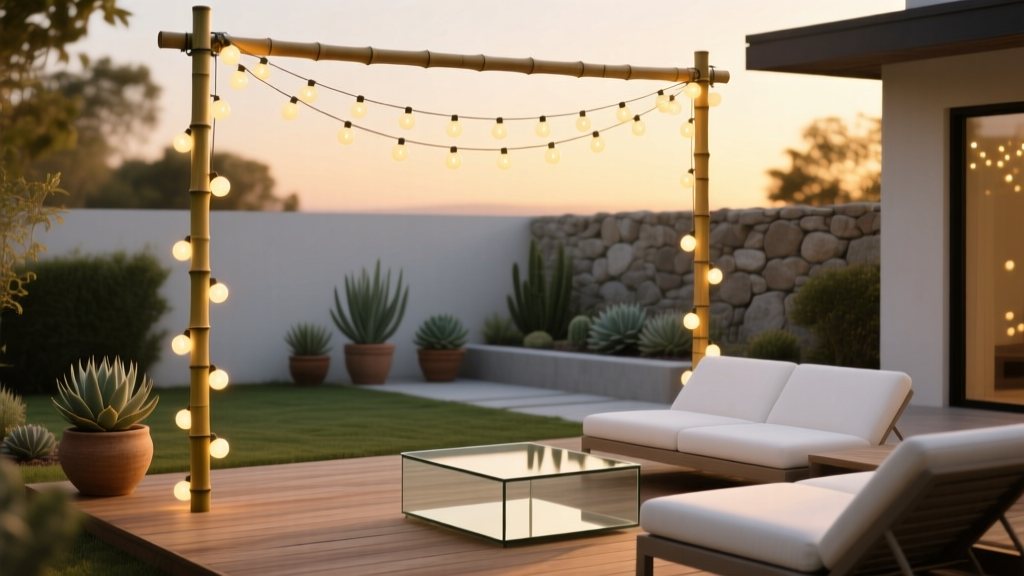 Best Outdoor String Light Arrangements - The Decor Mag
 How to Create a Medicinal Herb Garden - The Decor Mag
 How to Design a Fragrant Garden Path - The Decor Mag
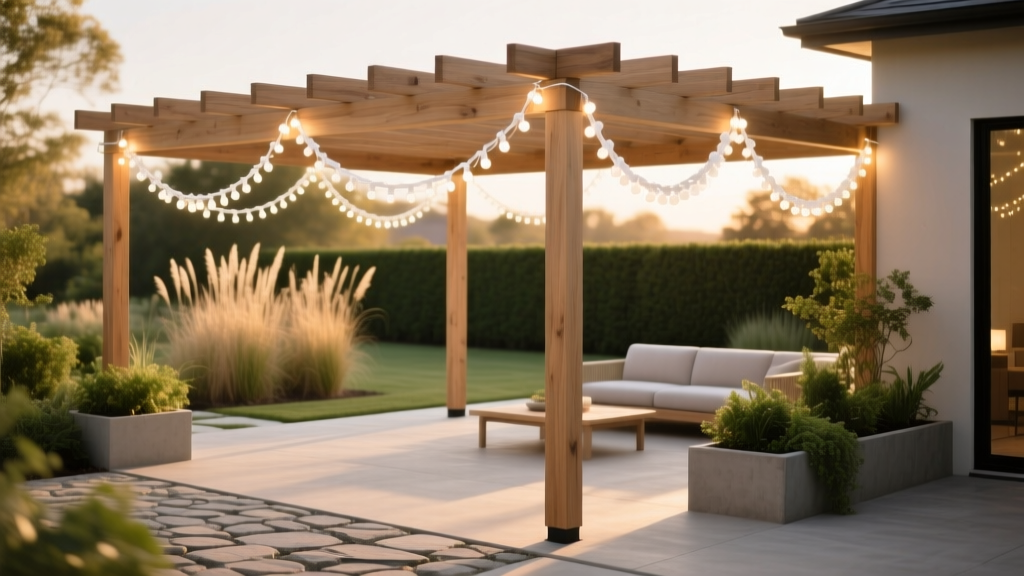 Outdoor Pergola Fairy Light Draping Guide - The Decor Mag
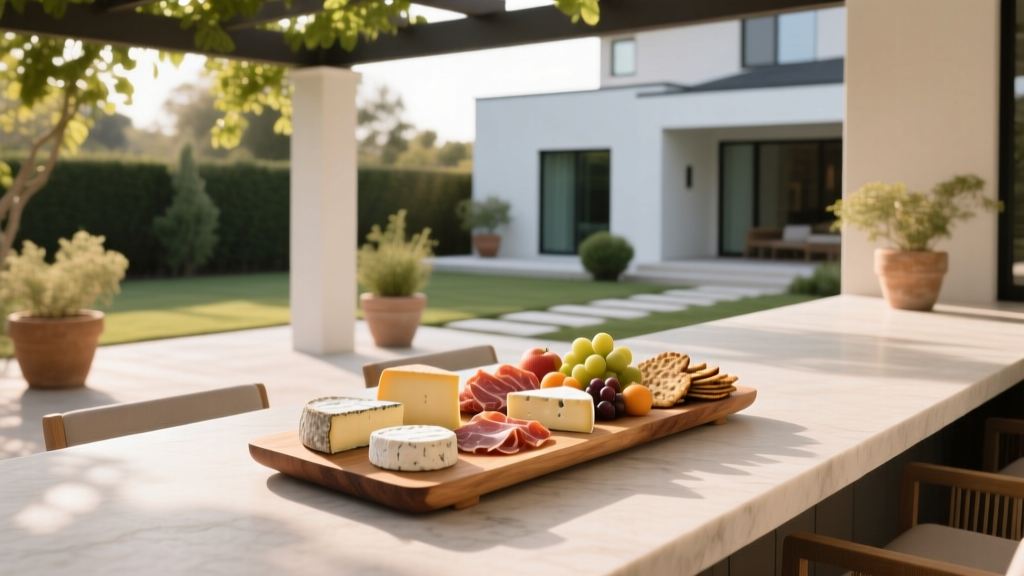 Best Outdoor Bar Cheese Board Display - The Decor Mag
 Outdoor Pavilion Heater Placement - The Decor Mag
 Best Outdoor Rocking Chair Picks - The Decor Mag
 How to Choose Outdoor Umbrella or Sail Shade - The Decor Mag
 How to Create a Companion Planting Garden - The Decor Mag
 How to Design a Kitchen Garden Layout - The Decor Mag