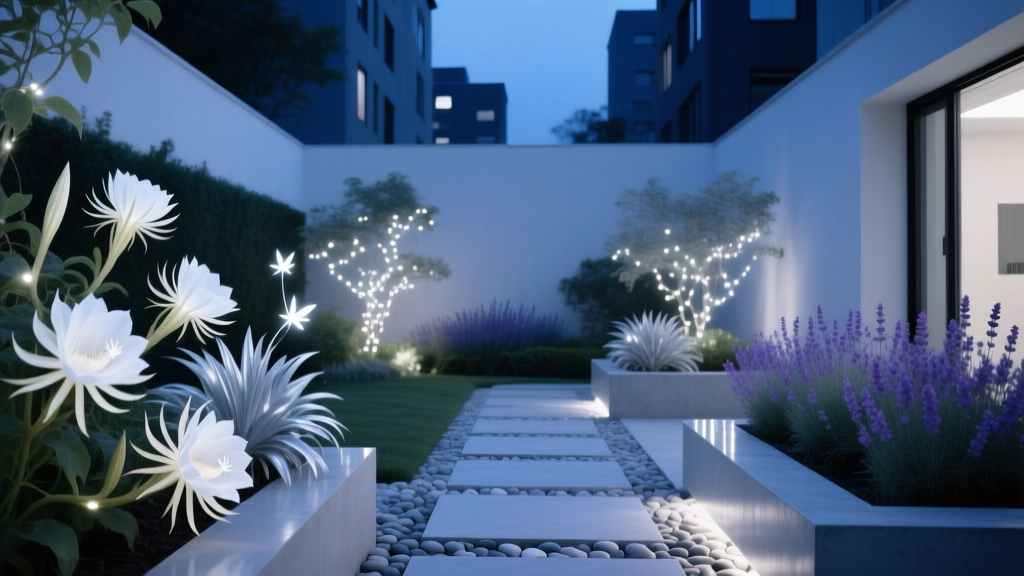
How to Create a Night Blooming Garden - The Decor Mag
A great outdoor living space shouldn’t clock out when the sun goes down. A night blooming garden turns your patio, yard, or poolside lounge into an evening destination—one that feels romantic, calming, and a little magical. It’s also practical: nighttime is when many homeowners actually have time to enjoy their landscape, whether that’s after work, after the kids are in bed, or during summer gatherings that stretch late.
Night gardens are about more than flowers that open after dusk. The most successful designs combine fragrant plants, reflective foliage, layered outdoor lighting, comfortable patio furniture, and smart hardscaping materials that feel safe underfoot. With the right mix, your landscape design can offer year-round outdoor living—soft spring evenings, vibrant summer nights, crisp fall fire pit sessions, and even winter stargazing when weather allows.
Below is a step-by-step approach to creating a night blooming garden that looks beautiful in daylight, shines after dark, and stays manageable to maintain.
What Makes a Night Blooming Garden Work
Night blooming gardens rely on a few core design principles. When you plan around them, you’ll get a space that feels intentional instead of accidentally dim.
1) Fragrance and sensory cues
At night, scent becomes the star. Many night-blooming plants release their strongest perfume after dusk to attract moths and nocturnal pollinators.
2) Light-colored flowers and reflective foliage
White, cream, pale yellow, and silver foliage “glow” in low light. These hues pop against dark mulch, evergreen hedges, or stained fences.
3) Layered lighting (not just one bright fixture)
Think of outdoor lighting like interior lighting: you want ambient, task, and accent layers. The goal is gentle illumination, not stadium brightness.
4) A destination and a path
The best night gardens have a clear place to sit—plus a safe, attractive route to get there. Layout matters just as much as plant selection.
Design the Layout: From Patio to “Moon Garden”
Start by deciding where you’ll experience the garden most often. For many homeowners, that’s a patio, deck, or outdoor dining area. Build the night garden outward from this zone so the best blooms and fragrances are close to seating.
Create a simple, effective layout
- Anchor zone: Patio seating or dining area (the “living room”).
- Fragrance zone: Place night-blooming plants within 6–12 feet of where people sit.
- Glow zone: A border of white blooms and silver foliage along paths and edges.
- Transition zone: Low shrubs or ornamental grasses to soften fences, walls, or property lines.
Pathways that feel safe at night
A night blooming garden should never be a tripping hazard. Choose a stable surface and keep edges defined.
- Decomposed granite (DG): Affordable, cottage-friendly, great for winding paths (use stabilizer for durability).
- Concrete or porcelain pavers: Clean, modern, low maintenance; choose a matte, slip-resistant finish.
- Natural stone: Flagstone or bluestone adds character; use polymeric sand between joints for fewer weeds.
- Steel or aluminum edging: Crisp lines and less gravel/mulch migration.
Recommended nighttime-friendly hardscape colors
- Light gray pavers for a modern patio living vibe
- Warm limestone tones for Mediterranean or cottage landscapes
- Charcoal accents (edging, planters) to make white blooms stand out
Best Night-Blooming Plants (and Great “Glow” Companions)
A strong plant list mixes true night bloomers with plants that look luminous at dusk. Aim for a layered garden: vines, shrubs, perennials, and containers near your outdoor seating.
Classic night bloomers for fragrance
- Moonflower (Ipomoea alba): Fast vine with big white blooms; ideal for trellises near patios.
- Evening primrose (Oenothera spp.): Opens late day into evening; hardy and pollinator-friendly.
- Night-blooming jasmine (Cestrum nocturnum): Intense fragrance; best in warm climates or as a container plant you can overwinter.
- Tuberose (Polianthes tuberosa): Powerful perfume; grows from bulbs in warmer zones, can be lifted in colder climates.
- Four o’clocks (Mirabilis jalapa): Reliable evening opener with a sweet scent; easy annual in many regions.
White blooms that “read” beautifully at night
- White roses: Choose disease-resistant varieties for easier maintenance.
- Hydrangea (white varieties): A strong backdrop for patios; works well in part shade.
- White lilies: Striking and elegant—place away from high-traffic spots if fragrance is strong for you.
- Shasta daisy: A bright, cheerful summer staple that reflects ambient light.
- White petunias: Excellent for containers; add them near doors and seating.
Silver, chartreuse, and variegated foliage for “moonlight” effect
- Lamb’s ear (Stachys byzantina): Soft, silvery leaves; great edging plant.
- Dusty miller: Reliable silver foliage for borders and pots.
- Artemisia: Airy silver texture; drought-tolerant once established.
- Variegated hosta: Ideal for shade patios; brightens dark corners.
- Japanese forest grass (Hakonechloa): Chartreuse tones glow in evening light; thrives in part shade.
Container-friendly night garden favorites
If you’re starting small, containers are the fastest way to build a night blooming garden on a patio or balcony.
- Moonflower vine trained on a container trellis
- White lantana (warm climates) for evening color
- Herbs with scent: lavender, mint (best in pots), lemon balm
- White annuals as “fillers”: petunias, alyssum, calibrachoa
Outdoor Lighting: The Secret to a Garden That Performs at Night
Night-blooming flowers look their best with thoughtful outdoor lighting. Use warm color temperatures and avoid harsh glare that flattens shadows.
Best lighting types for night gardens
- Path lights: Space 6–10 feet apart, staggering sides for even coverage.
- Uplights: Highlight a small tree, ornamental grass, or textured wall; creates depth.
- Downlights (“moonlighting”): Mounted in a tree or pergola beam for a natural, soft look.
- Step lights: Essential for stairs, changes in grade, and edges of raised patios.
- String lights: Perfect for patios; choose commercial-grade, warm white bulbs.
Practical lighting specs homeowners appreciate
- Color temperature: 2700K–3000K (warm, flattering, cozy)
- Low-voltage LED: Efficient, safe, long-lasting
- Smart controls: Timers or app-controlled transformers so lights turn on before dusk automatically
Where to aim your lights
- Light the path first (safety and comfort).
- Highlight one focal point (a tree, sculpture, or water feature).
- Add soft light near seating and dining for faces and food.
- Use subtle accents to illuminate white blooms and silver foliage.
Furniture and Finishes That Make Nighttime Feel Luxurious
A night blooming garden earns its keep when you have a comfortable place to enjoy it. Think of this as outdoor living design: seating, textiles, and surfaces that invite you to stay outside longer.
Outdoor furniture recommendations
- Deep seating set: Weather-resistant wicker/resin or powder-coated aluminum for easy care.
- Teak lounge chairs: Beautiful in moonlight; allow natural patina or maintain with teak oil.
- Dining set with an umbrella: Add a rechargeable table lamp or umbrella-mounted light for evening meals.
- Bench tucked into planting beds: A simple “garden moment” for quiet nights.
Night garden textiles and accessories
- Outdoor rug: Choose a light pattern to brighten the patio and define the seating zone.
- Pillows in light neutrals: Cream, taupe, pale gray; add one darker accent for contrast.
- Planters: Matte white, light concrete, or corten steel (rust tone) for high contrast with white blooms.
- Fire feature: A gas fire table is clean and easy; a wood fire pit feels rustic and seasonal.
Seasonal Planning for Year-Round Outdoor Living
Your night blooming garden can evolve through the seasons with a few smart choices.
Spring
- Focus on fresh foliage and early white blooms.
- Add solar path lights early so the garden is “ready” as nights get warmer.
Summer
- Peak performance for night bloomers and evening gatherings.
- Consider a small fan, pergola shade, or umbrella for late-day heat.
Fall
- Bring in lanterns, add a fire feature, and swap annuals for hardy plants.
- Ornamental grasses catch low light beautifully and add movement.
Winter
- Lean on evergreen structure, bark texture, and lighting.
- Use containers with winter interest: small conifers, variegated foliage, and twinkle lights.
Climate and Maintenance Considerations
Night gardens can be low-maintenance when you match plants to your climate zone and irrigation style.
Hot, dry climates
- Choose drought-tolerant silver foliage: artemisia, lavender, rosemary (great scent), and ornamental grasses.
- Use drip irrigation to deliver water efficiently and keep foliage dry.
- Mulch with shredded bark or gravel for moisture retention and clean lines.
Humid or rainy climates
- Prioritize disease-resistant roses and mildew-resistant varieties.
- Improve airflow with proper spacing and pruning.
- Choose hardscape materials with slip resistance and good drainage.
Cold-winter climates
- Use containers for tender night-bloomers; overwinter them indoors or in a protected garage.
- Look for hardy options like evening primrose and cold-tolerant shrubs for structure.
- Protect lighting lines and transformers from snow load and plow zones.
Easy maintenance checklist
- Deadhead blooming plants weekly during peak season for continuous flowers.
- Refresh mulch once or twice a year to keep the garden crisp and reduce weeds.
- Clean solar panels and lens covers on lights monthly for maximum brightness.
- Adjust irrigation seasonally—less in spring/fall, more during summer heat.
Budget Ranges: What a Night Blooming Garden Typically Costs
Costs vary by yard size and how much hardscaping and lighting you add. These ranges can help you plan realistically.
Starter patio night garden: $150–$600
- 2–6 containers with night-friendly plants
- String lights or a few solar path lights
- Basic trellis for moonflower
Mid-range backyard refresh: $800–$3,500
- Expanded planting beds with edging and mulch
- Low-voltage LED path lights and a few uplights
- Upgraded seating (lounge chairs or a small set)
Full outdoor living upgrade: $4,000–$15,000+
- New patio or paver extension
- Professional lighting design with transformer and zoning
- Pergola, built-in planters, or a fire feature
- Layered planting plan for four-season structure
Common Mistakes to Avoid
- Relying on one bright floodlight: It ruins ambiance and creates harsh shadows. Use layered lighting instead.
- Planting night bloomers too far away: Fragrance doesn’t travel as well as you think—keep scent close to seating and pathways.
- Ignoring daytime beauty: Your garden should still look good at noon. Mix in strong foliage and structure.
- Overcrowding plants: Tight spacing increases disease pressure and reduces airflow, especially in humid climates.
- Choosing slippery surfaces: Some polished stone and glossy tile are risky when damp; opt for textured finishes.
- Forgetting maintenance access: Leave room to prune, deadhead, and clean lighting fixtures without stepping into beds.
FAQ: Night Blooming Gardens
What is a “moon garden” and is it the same as a night blooming garden?
A moon garden is designed to look luminous in moonlight, often using white flowers and silver foliage. A night blooming garden includes that glow effect but emphasizes plants that open and/or release fragrance at night—plus lighting and outdoor living features.
Do night-blooming plants need full sun?
Many do best with at least 6 hours of sun (moonflower, tuberose), but you can build a night garden in part shade using variegated foliage, white hydrangeas, and layered outdoor lighting.
How do I keep the garden from attracting too many bugs?
Some insects are part of a healthy landscape, but you can reduce annoyance by placing seating away from standing water, using warm (not blue-white) lighting, and adding a fan on the patio. Avoid heavily scented plants right next to doors if bugs are a concern.
What’s the easiest night blooming garden for beginners?
Start with containers: white petunias, alyssum, dusty miller, and a moonflower vine on a trellis. Add warm string lights and a comfortable chair—simple, affordable, and instantly impactful.
Can I create a night blooming garden in a small yard or townhouse patio?
Yes. Use vertical elements (trellises, wall planters), reflective containers in light colors, and a compact seating zone. Even a 6x8 patio can feel like an evening retreat with the right lighting and plant choices.
How many lights do I really need?
For most patios, aim for: 2–6 path lights for safe walking, 1–3 uplights for focal points, and one ambient source (string lights, lanterns, or downlights). Add more only if you still have dark gaps after testing.
Your Next Steps: Build Your Night Garden This Weekend
- Choose your viewing spot: patio seating, dining table, or a small bench nook.
- Map a safe path from the house and add step/path lighting where needed.
- Pick 3–5 “hero” plants (at least one fragrant night bloomer) and place them close to where you sit.
- Layer in glow foliage—silver and variegated plants make everything look brighter at dusk.
- Upgrade comfort with weather-ready cushions, a light outdoor rug, and a lantern or two.
A night blooming garden is one of the most rewarding ways to elevate outdoor design—because it extends your landscape into the hours when life finally slows down. For more patio living ideas, lighting tips, and landscape design inspiration, explore the outdoor guides at thedecormag.com.
More Articles
 How to Create a Shade Garden - The Decor Mag
 Premium Outdoor Living Trends 2026: Innovation, Sustainability, and Elevated Craftsmanship
 How to Design a Sensory Herb Garden - The Decor Mag
 Outdoor Bar Top Material Comparison - The Decor Mag
 How to Create Privacy in Your Yard - The Decor Mag
 Best Outdoor String Light Arrangements - The Decor Mag
 Best Outdoor Bar Lime Wheel Display - The Decor Mag
 Outdoor Kitchen Smoker Box Integration - The Decor Mag
 Best Outdoor Bar Mint Sprig Glass Ideas - The Decor Mag
 How to Create a Potager Garden - The Decor Mag