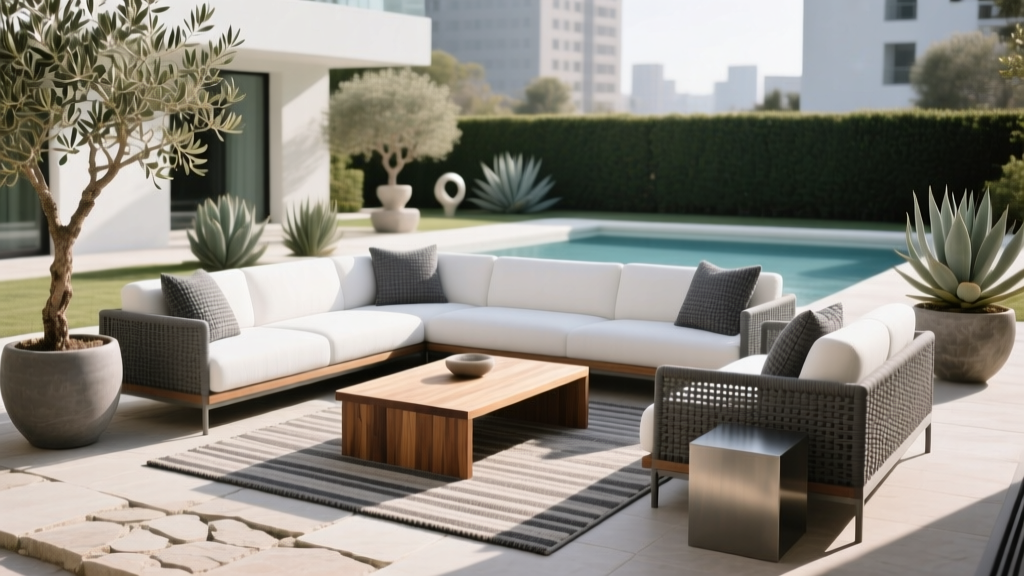
Best Outdoor Lounge Furniture Picks - The Decor Mag
A great outdoor living space changes how you use your home. Suddenly, morning coffee feels like a mini vacation, weeknight dinners move outside, and your patio or garden becomes the place everyone gravitates toward. The right outdoor lounge furniture makes that shift effortless—comfortable enough to linger, durable enough to handle weather, and stylish enough to feel like an extension of your interior design.
Outdoor lounge furniture is also one of the smartest upgrades for curb appeal and lifestyle. It helps define “rooms” outdoors (lounge, dining, fire pit, poolside) and supports year-round outdoor living with the right materials, cushions, and layout. Below you’ll find expert picks, practical buying tips, climate considerations, and design ideas to build a patio living setup you’ll actually use.
What Makes Outdoor Lounge Furniture “The Best”?
The best outdoor lounge furniture balances comfort, longevity, and a look that suits your landscaping and architecture. Before choosing a set, think like a designer: how you’ll use the space, how the sun moves, how wind hits the yard, and where storage will live in the off-season.
Key features to prioritize
- Weather-ready frames: powder-coated aluminum, premium teak, HDPE resin (poly lumber), or stainless steel in coastal climates.
- Quick-dry cushions: solution-dyed acrylic (like Sunbrella), reticulated quick-dry foam, and breathable mesh undersides.
- Comfortable proportions: deeper seats (22–26 inches), supportive back angles, and seat height that fits your body and table height.
- Easy maintenance: washable cushion covers, rust-resistant hardware, and surfaces that wipe clean.
- Modular flexibility: sectionals and armless pieces that adapt as your patio layout changes.
Quick sizing guide for patio living
- Walkways: keep 30–36 inches clear for comfortable circulation.
- Coffee table spacing: 14–18 inches from the sofa edge.
- Conversation grouping: aim for seats 6–8 feet apart max so people can talk comfortably.
Top Outdoor Lounge Furniture Picks (By Category)
1) Best Outdoor Sectionals for Family-Style Lounging
If your dream is a true outdoor living room, a sectional is the anchor. Look for modular sets with clip connectors, wide arms for “set your drink down” convenience, and performance fabric cushions.
- Material pick: powder-coated aluminum frame + solution-dyed acrylic cushions.
- Design tip: choose a neutral base (sand, stone, charcoal) and bring color with pillows and planters for easy seasonal refreshes.
- Best for: larger patios, covered decks, open-concept yards.
- Budget range: $1,800–$6,500 depending on size, fabric, and brand.
Pro layout idea: float the sectional on an outdoor rug to visually “room off” the lounge zone, then place two planters behind the back to create a soft green boundary.
2) Best Outdoor Lounge Chairs for Flexible Seating
Lounge chairs are the workhorses of patio design: they move with the party, work in small spaces, and can be arranged around a fire pit or coffee table.
- Material pick: teak or aluminum with sling/mesh for a streamlined look, or woven all-weather wicker over aluminum for a softer style.
- Comfort upgrade: add a lumbar pillow and a small side table to each chair—this instantly makes the setup feel intentional.
- Best for: patios with multiple zones, smaller decks, balcony lounge areas.
- Budget range: $250–$1,200 per chair.
3) Best Deep-Seating Sofa Sets for Classic Patio Living
Prefer a traditional outdoor sofa + two chairs? Deep-seating sets feel timeless and are easier to fit than a bulky sectional on narrow patios.
- Material pick: HDPE resin frames for low-maintenance durability, or teak for a high-end, natural look.
- Cushion tip: choose a medium-firm foam—too soft compresses quickly outdoors.
- Best for: medium patios, screened porches, covered outdoor rooms.
- Budget range: $1,500–$5,000.
4) Best Poolside Chaise Lounges for Resort Vibes
Chaise lounges define the pool experience and elevate sunbathing from “towel on concrete” to “private resort.” Prioritize adjustable backs, wheels for easy movement, and materials that stay cool.
- Material pick: sling aluminum (dries fast), or HDPE resin (stays sturdy and low-maintenance).
- Heat tip: lighter colors stay cooler in full sun; add a cantilever umbrella for shade and UV protection.
- Best for: pool decks, sunny patios, modern backyard designs.
- Budget range: $250–$1,500 each.
5) Best Outdoor Daybeds for Statement-Making Lounging
Daybeds are a focal point—ideal for larger yards or covered patios. They’re also fantastic for year-round outdoor living when paired with a pergola, privacy screen, or outdoor curtains.
- Material pick: powder-coated aluminum or teak with thick, removable cushions.
- Style tip: match the daybed frame to nearby elements (black metal pergola, warm wood decking, or stone pavers).
- Best for: entertaining, poolside lounging, luxury patio upgrades.
- Budget range: $1,200–$6,000.
6) Best Conversation Sets for Small Patios and Cozy Corners
For compact outdoor design—think townhouse patios, small decks, or garden nooks—conversation sets deliver big impact in a small footprint.
- Material pick: all-weather wicker over aluminum, or compact teak sets.
- Space trick: choose round coffee tables and armless chairs to keep the layout visually light.
- Best for: small patio living spaces, front porches, balcony lounge zones.
- Budget range: $500–$2,000.
Best Materials for Outdoor Lounge Furniture (And Where Each Shines)
Powder-coated aluminum
- Why it’s great: rust-resistant, lightweight, modern, easy to move for seasonal changes.
- Best climates: humid, rainy, mixed climates.
- Maintenance: wash with mild soap; touch up chips quickly to prevent corrosion.
Teak
- Why it’s great: naturally weather-resistant, ages beautifully, feels premium.
- Best climates: most climates; excellent for sun exposure.
- Maintenance: let it silver naturally or use teak cleaner/brightener; oiling is optional for color retention.
All-weather wicker (resin) over aluminum
- Why it’s great: cozy texture, classic outdoor look, comfortable in shaded lounges.
- Best climates: covered patios, mild sun; can fade if constantly in harsh sun.
- Maintenance: rinse and brush dust from weave; store cushions during storms.
HDPE resin (poly lumber)
- Why it’s great: ultra-low maintenance, color-through material, sturdy, ideal for families.
- Best climates: four-season, coastal, high humidity, freeze/thaw areas.
- Maintenance: soap and water; avoid abrasive scrubbers.
Steel and wrought iron (used strategically)
- Why it’s great: classic silhouettes, very stable in wind.
- Best climates: dry climates or covered spaces; coastal areas require extra vigilance.
- Maintenance: prevent rust with touch-ups; use furniture feet to protect pavers/decks.
Outdoor Layouts That Always Feel Designer-Level
Great patio furniture can still feel “off” if the layout doesn’t support real life. Use these proven outdoor living room layouts to get it right.
L-shaped sectional + two ottomans
- Best for: movie nights, casual entertaining, families.
- Designer move: choose ottomans that double as extra seating and add a tray for serving.
Sofa + 2 lounge chairs + coffee table (classic conversation group)
- Best for: balanced seating and flexibility.
- Designer move: angle chairs slightly toward the sofa to create an inviting “circle.”
Two chaises + small side tables + umbrella (poolside resort)
- Best for: sun exposure and relaxing.
- Designer move: place a tall planter behind the head of each chaise to frame the vignette.
Fire pit-centered lounge
- Best for: shoulder seasons and year-round outdoor living.
- Safety tip: maintain clearances per manufacturer guidelines; typically allow 24–36 inches around the fire feature for circulation.
Plants That Make Outdoor Lounge Areas Feel Lush (Without High Fuss)
Landscaping is the secret sauce for patio living. Plants soften hardscapes, add privacy, and create a relaxing “garden room” feeling.
Best plants for privacy and structure
- Clumping bamboo (non-invasive varieties): fast privacy in large planters (great for modern patios).
- Arborvitae or podocarpus: evergreen screening for many regions.
- Boxwood or dwarf holly: classic structure near lounge zones.
Best plants for fragrance and atmosphere
- Lavender: drought-tolerant, pollinator-friendly, ideal for sunny borders.
- Rosemary: hardy, fragrant, useful for grilling nights.
- Jasmine (climbing): perfect on pergolas in mild climates.
Best container plants near seating
- Ornamental grasses (like fountain grass): movement and softness, great for breezy patios.
- Hydrangeas (part shade): big blooms for cottage-style outdoor design.
- Citrus (in warm climates or pots you can move): glossy leaves and seasonal fruit.
Placement tip: keep spiky or thorny plants (agave, cactus, roses) away from tight walkways and seating edges—beautiful, but not shin-friendly.
Climate & Maintenance: Pick Furniture That Matches Your Weather
Hot sun and desert climates
- Choose UV-stable fabrics and lighter cushion colors to reduce heat buildup.
- Prioritize aluminum or teak frames; avoid dark metal surfaces that get too hot.
- Add shade: pergola, cantilever umbrella, or shade sail for midday comfort.
Humid, rainy, or tropical climates
- Go for quick-dry cushions and breathable mesh bottoms to prevent mildew.
- Powder-coated aluminum and HDPE resin are top choices.
- Use a deck box or storage bench so cushions don’t live outside during storms.
Coastal and salt-air environments
- Pick marine-grade hardware and consider stainless steel or high-quality aluminum.
- Rinse frames periodically to remove salt residue.
- Avoid bargain steel that will pit and rust quickly near the ocean.
Four-season and freeze/thaw regions
- Choose HDPE resin or teak for durability through temperature swings.
- Store cushions indoors in winter; use breathable covers (never trap moisture).
- For shoulder seasons, add a fire pit table and outdoor-rated throws for cozy comfort.
Common Mistakes to Avoid When Buying Outdoor Lounge Furniture
- Buying for looks only: if the seat depth and cushion firmness don’t fit your body, the set won’t get used.
- Ignoring sun patterns: placing lounge seating in full afternoon sun without shade makes summer unbearable.
- Choosing indoor fabrics outdoors: they fade, mildew, and break down quickly—always use outdoor performance textiles.
- Overcrowding the patio: too many pieces kills flow; leave space for walking and serving.
- Skipping storage plans: even weather-resistant cushions last longer with a simple deck box or seasonal storage routine.
- Forgetting the “landing zones”: every seat should have a nearby surface for a drink, book, or phone.
Budget Ranges: What to Expect for Quality Outdoor Lounge Furniture
- Budget-friendly ($500–$1,500): smaller conversation sets, basic aluminum frames, standard outdoor cushions. Upgrade with better cushion inserts over time.
- Mid-range ($1,500–$4,000): modular sectionals, better fabrics, more robust frames, improved comfort and longevity.
- Premium ($4,000–$10,000+): designer-level teak or high-end aluminum, top-tier cushions, extensive modularity, statement daybeds and large sectionals.
FAQ: Outdoor Lounge Furniture Picks
What is the most durable material for outdoor lounge furniture?
For all-around durability, powder-coated aluminum and HDPE resin (poly lumber) perform exceptionally well with minimal maintenance. Teak is also extremely durable and ages beautifully, especially in sunny locations.
Is all-weather wicker actually weatherproof?
All-weather wicker (resin) is made for outdoor use, but longevity depends on frame quality (aluminum is best) and sun exposure. In intense sun, it can fade over time—using covers or partial shade helps extend its life.
How do I keep outdoor cushions from getting moldy?
Choose quick-dry cushion construction and performance fabric, then store cushions during long wet stretches. Improve airflow by keeping cushions off the ground, and use breathable furniture covers rather than plastic tarps that trap moisture.
What’s the best outdoor lounge setup for a small patio?
A compact conversation set (two lounge chairs + small table) or a loveseat + one chair works well. Look for armless profiles, round tables, and a vertical garden or tall planters to add privacy without taking up floor space.
Can I leave my outdoor furniture outside year-round?
Many frames can stay out year-round, especially aluminum, HDPE resin, and teak. Cushions last much longer if stored during heavy rain, snow, or extended off-season periods. If you keep everything outside, invest in breathable covers and elevate cushions when possible.
How can I make my outdoor lounge area feel cozy in colder months?
Add a fire pit table or patio heater, layer outdoor throws, and use warmer-toned lighting (string lights, lanterns). Evergreen planters and winter-interest landscaping (ornamental grasses, boxwood, dwarf conifers) help the space look inviting even when gardens go dormant.
Next Steps: Build Your Outdoor Living Room With Confidence
Start by measuring your patio or deck, mapping walkways, and deciding how you want to live outside—lounging, entertaining, poolside relaxing, or all three. Then choose a durable frame material for your climate, prioritize quick-dry cushions, and design your layout like a true outdoor room with plants, lighting, and shade.
- This week: measure your space and identify sun/shade zones.
- Next: pick one “anchor” piece (sectional, sofa set, or two chaises) and build around it.
- Finish strong: add planters, an outdoor rug, side tables, and layered lighting for a polished patio living setup.
For more outdoor design, landscaping inspiration, and patio living upgrades, explore fresh ideas and expert guides on thedecormag.com.
More Articles
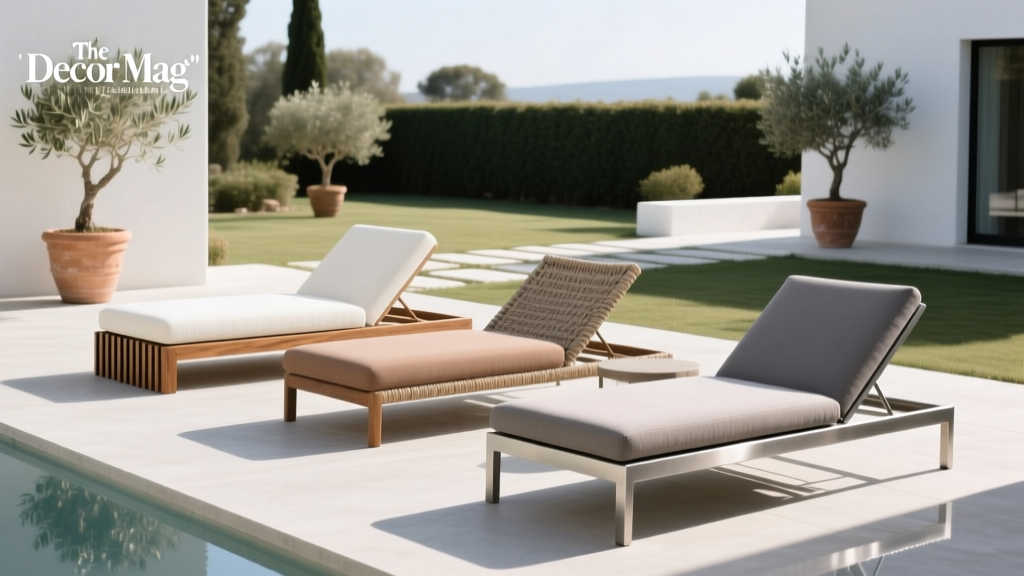 Best Outdoor Chaise Lounge Picks - The Decor Mag
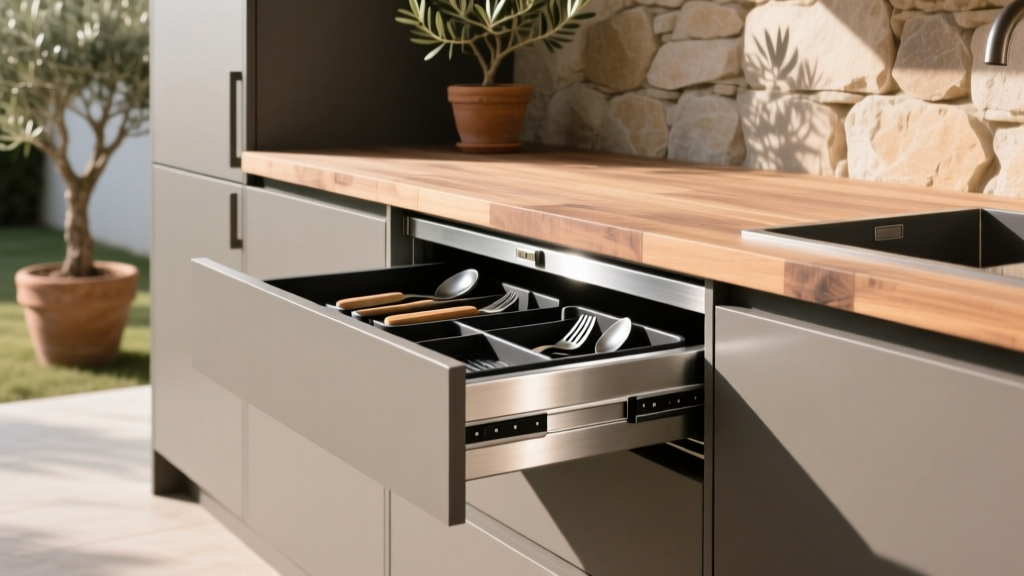 Outdoor Kitchen Drawer Slide Materials - The Decor Mag
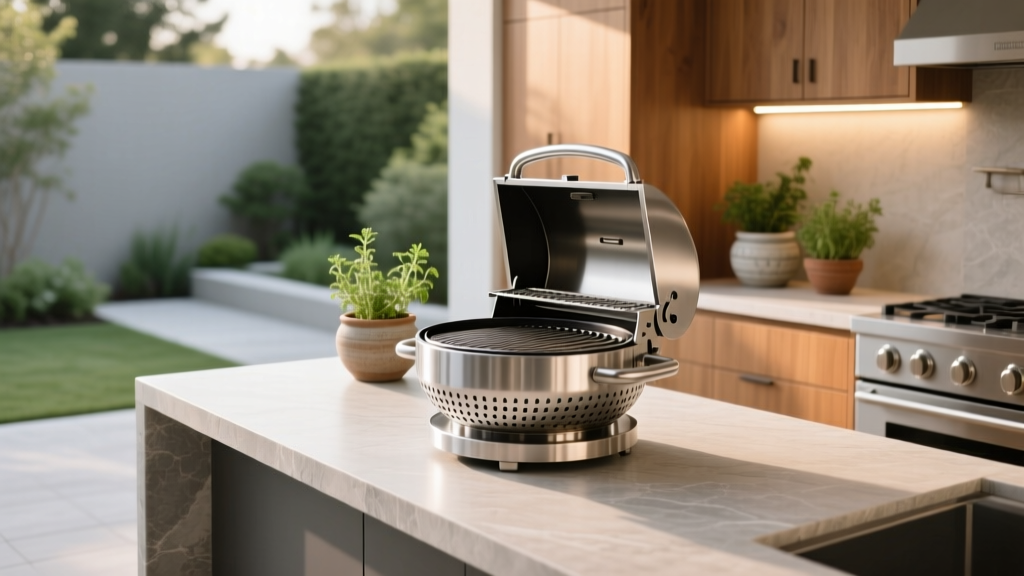 Outdoor Kitchen Rotating Grill Basket - The Decor Mag
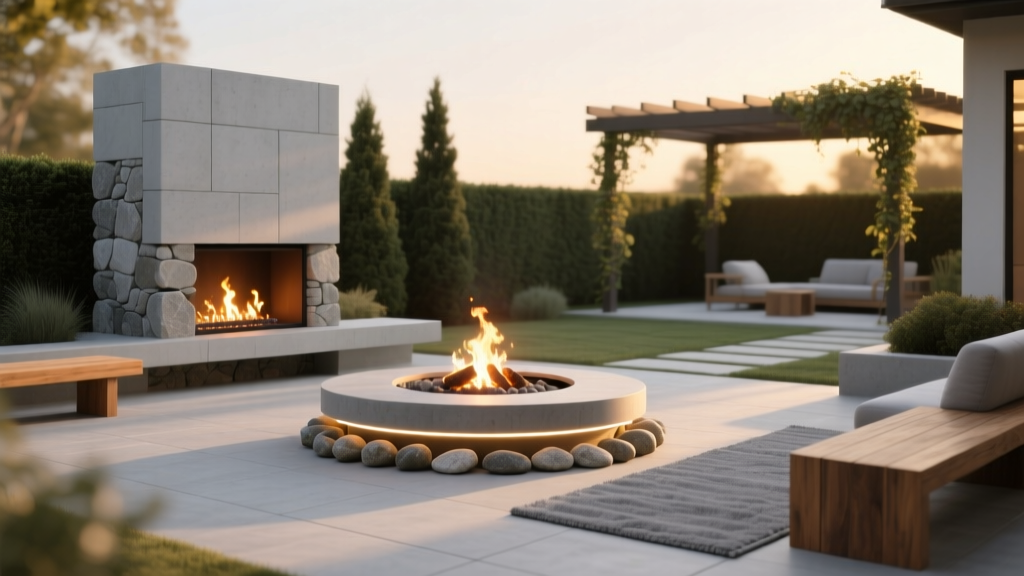 Outdoor Fireplace and Fire Pit Ideas - The Decor Mag
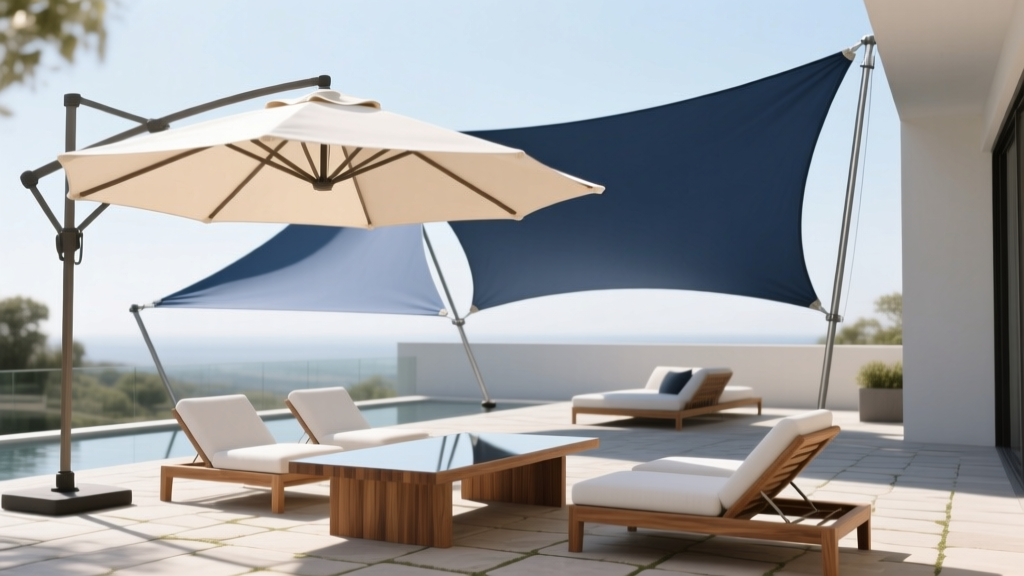 How to Choose Outdoor Umbrella or Sail Shade - The Decor Mag
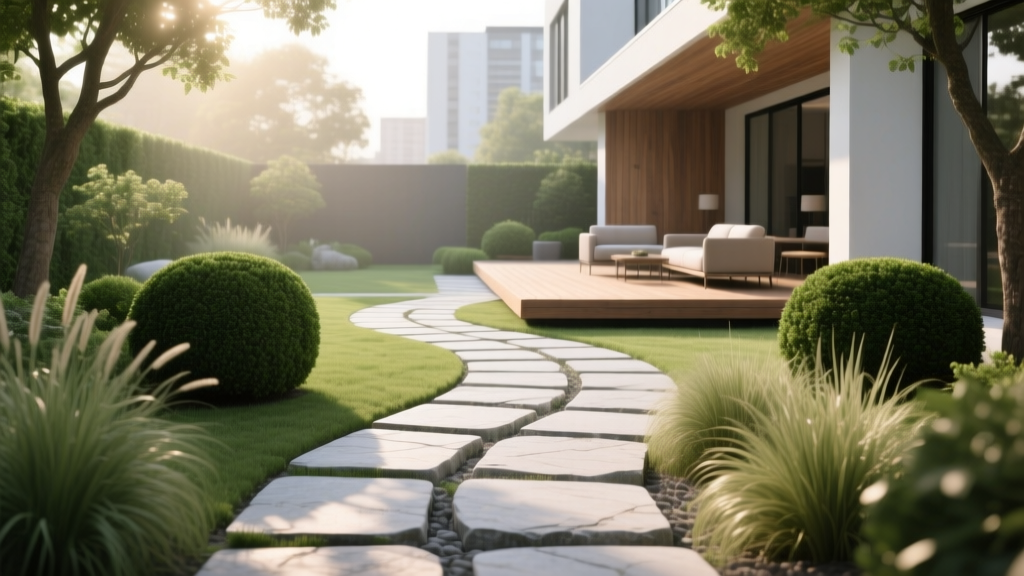 How to Design a Garden Pathway - The Decor Mag
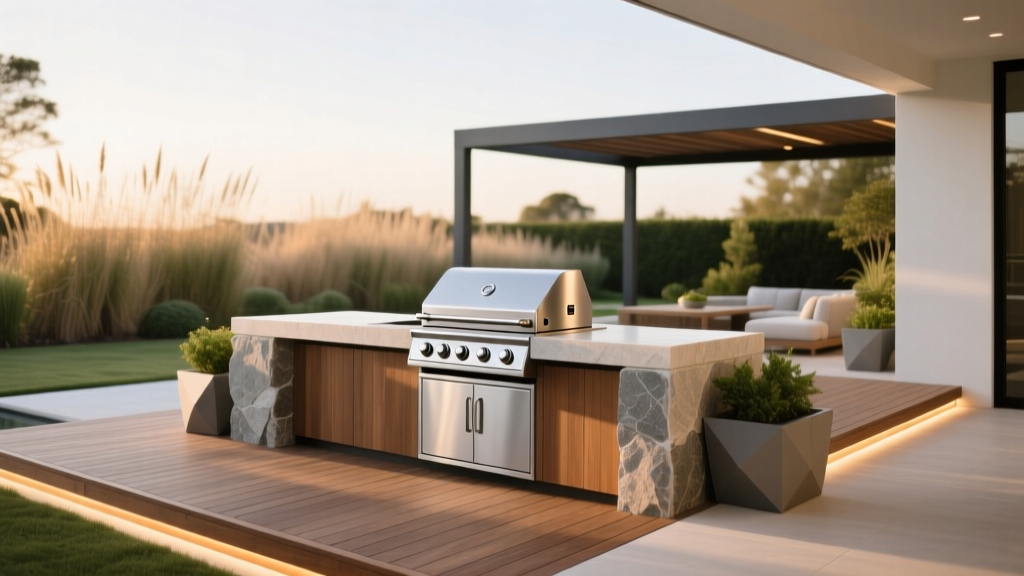 Outdoor Built-In Grill Station Ideas - The Decor Mag
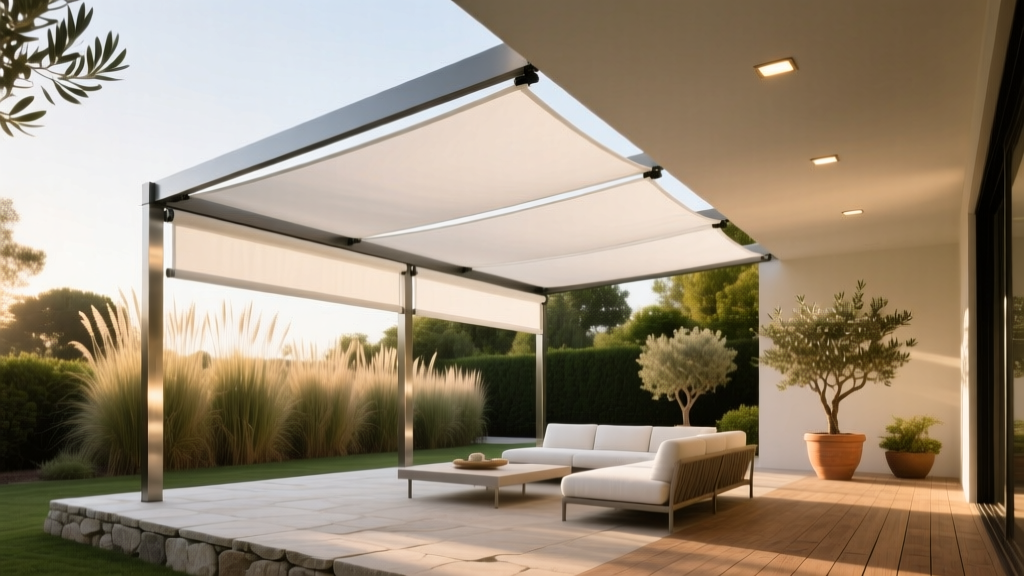 Outdoor Pergola Motorized Shade System - The Decor Mag
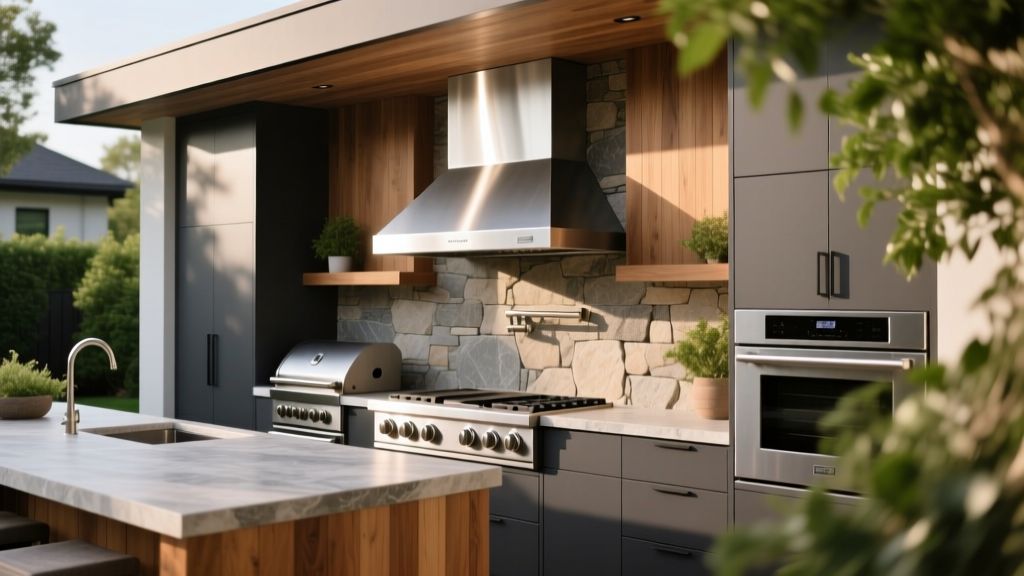 Outdoor Kitchen Range Hood Exterior - The Decor Mag
 Practical Aging Safety Tips for Outdoor Living Spaces