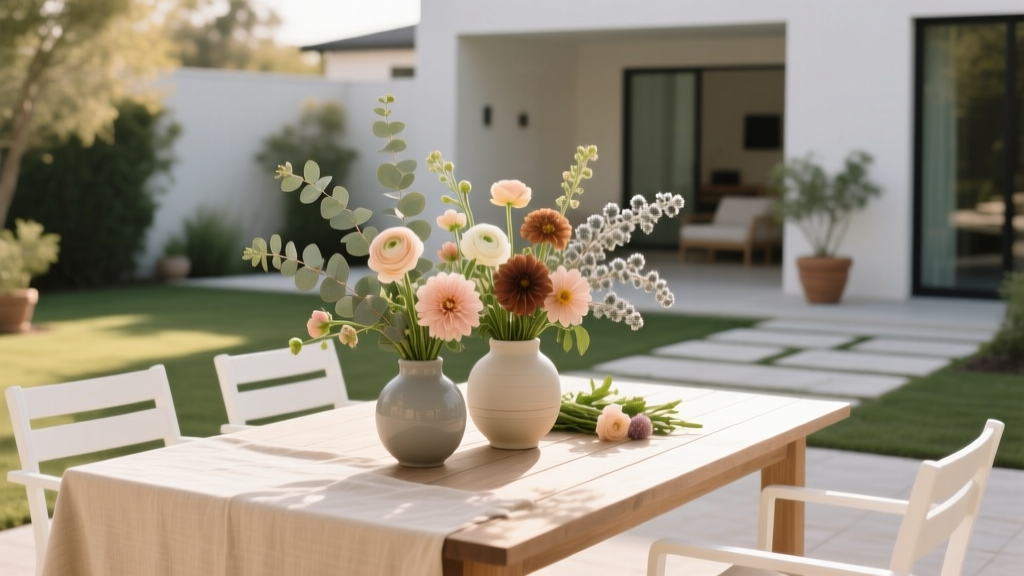
How to Create a Cut Flower Garden - The Decor Mag
Nothing elevates outdoor living like fresh flowers you grew yourself. A cut flower garden brings color, fragrance, and a sense of abundance to your patio and backyard—and it turns everyday moments into something a little more special, from weeknight dinners outside to weekend gatherings around the fire pit.
Beyond the beauty, a cut flower garden is one of the most practical landscape upgrades you can make. It can be tailored to any yard size, from a sunny side strip to a dedicated raised-bed “flower field,” and it’s designed for continual harvest. The result: your home feels more curated year-round, you spend less on bouquets, and you get a landscape feature that actively supports pollinators.
This guide walks you through layout, plant choices, materials, maintenance, and common mistakes—so you can create a cut flower garden that looks great, performs well, and fits your overall outdoor design.
Plan Your Cut Flower Garden Like an Outdoor Living Feature
Choose a location that supports growth (and your lifestyle)
Cut flowers thrive in sun, but your garden should also make sense for how you use your yard. The best spot is one you’ll pass often—near the patio, outdoor kitchen, or a side gate—so watering and harvesting feel effortless.
- Sun: Aim for 6–8+ hours of direct light. Morning sun is ideal in hot climates.
- Water access: Within hose reach, or plan drip irrigation.
- Wind: Moderate airflow helps prevent mildew; strong wind calls for staking and a windbreak.
- Visibility: Place it where it enhances patio living—just not where harvesting will trample entertaining space.
Decide on a layout that matches your yard size
Think of your cut flower garden as a productive “room” within your landscape design. These layouts work beautifully in most backyards:
- Raised-bed grid (most homeowner-friendly): 2–4 beds with paths between—neat, easy to maintain, great near patios.
- Border + cutting patch combo: A decorative border for curb appeal plus a hidden “workhorse” patch behind a hedge or fence.
- Side-yard cutting corridor: Long narrow beds with a clean path—ideal for underused side yards.
- Container cut garden on a patio: Perfect for renters or small yards; focuses on zinnias, cosmos, basil, and compact dahlias.
Recommended dimensions for comfort and efficiency
- Bed width: 3–4 ft (so you can reach the center from either side).
- Bed length: 6–12 ft is manageable and productive.
- Path width: 24–36 in for easy harvesting; 36 in if you’ll use a wheelbarrow.
- Planting density: More like a veggie garden than a flower border—tight spacing yields straighter stems.
Materials and Hardscape: Make It Look Intentional
Best bed edging materials (with style and budget in mind)
Edging turns a planting area into a polished outdoor design feature—especially important if the cut garden is visible from your patio or outdoor seating area.
- Cedar or redwood boards: Warm, modern-natural look; good longevity. Budget: $150–$450 per 4'x8' bed depending on lumber thickness and region.
- Galvanized metal raised beds: Clean lines, contemporary style, fast to install. Budget: $120–$350 per bed (kits vary widely).
- Stone or brick edging: Classic and durable, pairs well with paver patios. Budget: $10–$30 per linear foot installed.
- Composite lumber: Low maintenance and sleek; costs more but lasts. Budget: $250–$700 per bed.
Path materials that work for garden + patio living
Paths are where you’ll stand to harvest—so choose something stable, clean, and easy on shoes.
- Decomposed granite (DG): Natural look, excellent for Mediterranean-style landscapes. Add stabilizer for firmness. Budget: $1–$5/sq ft DIY; $6–$15/sq ft installed.
- Gravel + stepping stones: Great drainage and a relaxed cottage vibe. Use 3/8" minus or pea gravel with edging. Budget: $2–$8/sq ft.
- Pavers: The cleanest look near outdoor kitchens and patios; easy to hose off. Budget: $10–$30/sq ft installed.
- Mulch paths (economical): Soft underfoot; refresh annually. Budget: $0.50–$2/sq ft.
Add a small “harvest station” for a luxury feel
This is the secret to making your cut flower garden feel like a true outdoor living upgrade.
- Simple potting bench (cedar or powder-coated metal) for snips, ties, and a bucket.
- Wall hooks on a fence for tools and a garden apron.
- Water source: A hose reel, quick-connect, or a decorative spigot box.
- Outdoor lighting: Solar path lights or low-voltage uplights so you can harvest during golden hour.
Plant Selection: Build a Season-by-Season Bouquet Plan
Start with “workhorse” flowers for beginners
If you want reliable blooms and long vase life, these are hard to beat:
- Zinnias: Heat-loving, prolific, perfect for summer patio arrangements.
- Cosmos: Airy, romantic, long-blooming; excellent filler.
- Sunflowers: Statement stems; grow branching types for more blooms.
- Snapdragons: Tall spires and strong vase life; great for spring and fall.
- Celosia: Bold texture; thrives in heat and humidity.
- Sweet peas: Incredible fragrance for spring (best in cooler climates or mild winters).
Add structure and premium stems
These plants elevate arrangements and make your garden feel like a boutique flower farm:
- Dahlias: High-impact summer/fall blooms; needs staking and regular cutting.
- Roses (shrubs or garden roses): A landscape anchor that also cuts beautifully.
- Hydrangeas (where suited): Great for large arrangements; consider panicle types for more sun tolerance.
- Ornamental grasses: Add movement; use seed heads for fall/winter arrangements.
Don’t forget foliage, herbs, and filler
The most designer-looking bouquets rely on greens and interesting textures.
- Dusty miller: Silvery foliage, excellent contrast.
- Basil (especially cinnamon or lemon basil): Fragrant bouquet filler.
- Mint: Use with restraint (best in containers so it doesn’t spread).
- Feverfew: Daisy-like filler with strong productivity.
- Yarrow: Drought-tolerant and long-lasting.
Seasonal planting guide for year-round interest
A cut flower garden can support year-round outdoor living—especially if you plan for shoulder seasons and dried arrangements.
- Spring: Snapdragons, sweet peas, ranunculus (mild winter zones), tulips/daffodils (cool winter zones), anemones.
- Summer: Zinnias, cosmos, sunflowers, celosia, basil, amaranth.
- Fall: Dahlias, chrysanthemums, asters, ornamental grasses, late sunflowers.
- Winter (mild climates): Calendula, stocks, some snapdragons, greenery (rosemary, eucalyptus where hardy).
- Winter (cold climates): Focus on evergreens, dried stems, and seed heads; plan bulbs and hardy annuals for early spring.
Design Approaches That Look Great From the Patio
Pick a color palette that complements your outdoor furniture
For a cohesive outdoor design, match your cut flower colors to patio cushions, umbrellas, and surrounding landscaping.
- Modern neutral patio (black/white/gray): White snapdragons, blush zinnias, pale dahlias, silvery dusty miller.
- Warm natural woods and wicker: Terracotta zinnias, coral dahlias, sunflowers, bronze fennel.
- Coastal palette: Whites, soft blues/purples (salvia, lavender), airy cosmos, eucalyptus (where appropriate).
- Cottage garden style: Mixed pastels, sweet peas, cosmos, foxglove (note: toxic—place away from pets/kids).
Use the “thriller, filler, spiller” idea—just in beds
- Thrillers: Sunflowers, snapdragons, delphinium (cool climates), tall grasses.
- Fillers: Zinnias, celosia, yarrow.
- Spillers/edges: Trailing nasturtium, sweet alyssum, creeping thyme near paths.
Include comfortable seating nearby (yes, even in a work garden)
A cut flower garden is a destination. A simple seat turns harvesting into a ritual and adds charm to the landscape.
- Small bistro set (powder-coated steel or teak) tucked at the end of a path.
- Adirondack chairs near the garden edge for sunset viewing.
- Weather-resistant outdoor rug on a paver pad to define a “garden nook.”
Budget range: $150–$600 for a bistro set; $250–$900 for two quality Adirondacks; $40–$200 for an outdoor rug.
Soil Prep, Watering, and Maintenance That Keep Blooms Coming
Soil: the biggest predictor of success
- Amend generously: Mix 2–4 inches of compost into beds before planting.
- Drainage matters: If water puddles, use raised beds or add drainage-improving organic matter.
- Mulch: Straw, shredded leaves, or fine bark to reduce weeds and keep soil moisture stable.
Watering: consistent moisture = longer stems
- Best option: Drip irrigation on a timer (reduces disease and saves water).
- Hand-watering tip: Water deeply 2–4 times per week rather than daily sprinkles.
- Hot climates: Add shade cloth during heat waves for snapdragons and other cool-season lovers.
Feeding and deadheading for continuous harvest
- Pinch young plants (zinnias, cosmos, basil) to encourage branching and more blooms.
- Cut often—harvesting is how you tell the plant to produce.
- Fertilize lightly but regularly: A balanced slow-release fertilizer at planting, then a liquid feed every 2–4 weeks for heavy bloomers (follow label directions).
- Stake early: Use bamboo, metal stakes, or a horizontal support netting system for dahlias and snapdragons.
Climate Considerations: Adjust Your Strategy by Region
- Hot/Sunny (Southwest, parts of the South): Prioritize heat lovers (zinnias, celosia, basil). Provide afternoon shade for tender varieties. Mulch deeply and use drip irrigation.
- Humid climates: Give plants airflow, avoid overhead watering, and choose mildew-resistant varieties when possible.
- Cool coastal and northern zones: Lean into spring/fall blooms (sweet peas, snapdragons) and use season extension like low tunnels or frost cloth.
- Short growing seasons: Start seeds indoors 4–8 weeks early, choose quick bloomers (cosmos, zinnias), and add bulbs for early spring color.
Common Mistakes to Avoid
- Planting too much variety too soon: Start with 6–10 dependable types, then expand.
- Not planning paths: Trampled soil and broken stems happen fast without clear walkways.
- Spacing like a decorative border: Cut flowers prefer tighter spacing for straight stems and fewer weeds.
- Skipping support: Dahlias, snapdragons, and sunflowers often flop without staking or netting.
- Harvesting at the wrong stage: Many blooms last longer when cut early (zinnias fully open but firm; sunflowers just starting to open; snapdragons with several florets open).
- Ignoring succession planting: One big planting leads to one big bloom—and then a lull.
Budget Ranges: What a Cut Flower Garden Typically Costs
- Starter (small bed or containers): $75–$250
Seeds, a few nursery plants, basic soil/compost, hand tools, containers or a small bed. - Mid-range (2–4 raised beds + paths): $400–$1,200
Raised-bed materials, compost delivery, mulch, drip kit, basic seating or a potting bench. - Premium (hardscape + irrigation + design details): $1,500–$5,000+
Paver/DG paths, metal beds, lighting, integrated seating, upgraded irrigation, focal trellis/arbor.
FAQ: Cut Flower Garden Basics
How big should a cut flower garden be for a typical homeowner?
A great starter size is two raised beds around 4' x 8' each, plus paths. That’s enough to supply weekly bouquets in season without becoming overwhelming.
What are the easiest cut flowers for beginners?
Zinnias, cosmos, sunflowers (branching types), celosia, and basil are forgiving, fast-growing, and highly productive.
Can I create a cut flower garden if I only have a patio or balcony?
Yes. Use large containers (at least 12–18 inches wide) and choose compact varieties of zinnias, dahlias (patio types), basil, and trailing nasturtium. Place them where they get 6+ hours of sun.
How do I keep flowers blooming all season?
Use succession planting (sow or transplant every 2–3 weeks during prime season), harvest frequently, and feed lightly. Deadhead anything you’re not cutting.
What’s the best way to make my cut flower garden look tidy near my outdoor seating area?
Define edges with raised beds or crisp edging, install stable paths (DG, gravel with edging, or pavers), and group plants in blocks by type or color. Add one focal element like a trellis or a small bench.
Do cut flower gardens attract bees and other pollinators?
They do—and that’s a good thing for the whole landscape. If your garden is near a dining patio, place the most pollinator-busy flowers slightly farther away and keep the closest beds planted with more greenery and less fragrant blooms.
Next Steps: Build Your Garden, Then Enjoy the Bouquets
Start by choosing a sunny spot near your patio, sketch a simple layout with two beds and a comfortable path, then commit to a tight list of reliable flowers for your first season. Add drip irrigation if you can, stake early, and harvest often—your garden will respond with more blooms and longer stems. Once the system is working, refine the color palette and add design touches like a potting bench, lighting, and a small seating nook so the garden feels like a natural extension of your outdoor living space.
For more landscaping inspiration, patio living upgrades, and outdoor design ideas that make your yard feel like a retreat, explore the latest guides on thedecormag.com.
More Articles
 How To Clean Living: A Practical Guide to Healthier Outdoor Spaces and Sustainable Habits
 Best Outdoor Loveseat Options - The Decor Mag
 Best Outdoor Bar Cabinet Ideas - The Decor Mag
 Small Patio Makeover: Big Style, Tiny Footprint
 How to Create a Potager Garden - The Decor Mag
 Best Outdoor Bar Bottle Opener Mount - The Decor Mag
 Outdoor Living Style Buying Guide: Matching Aesthetics, Function, and Climate for Lasting Impact
 Best Outdoor Bar Olive and Pickle Station - The Decor Mag
 Outdoor Living Budget Checklist: A Practical, Step-by-Step Planning Tool for Homeowners
 How to Design a Garden Pathway - The Decor Mag