Patio Furniture Guide: What to Buy in 2026
Material Choice Determines Longevity
Outdoor furniture faces rain, UV radiation, temperature swings, and salt air. The material you choose determines whether your patio set lasts 3 years or 20.
Here's how the four main materials compare in real-world conditions.
Powder-Coated Aluminum: Best All-Around
Aluminum frames resist rust, weigh less than steel, and handle salt air without corroding. Powder coating adds color and UV protection.
- Lifespan: 15–20 years with basic care
- Maintenance: Wipe with mild soap seasonally
- Weight: Light enough to rearrange but heavy enough to resist moderate wind
- Best for: Coastal areas, humid climates, rooftop patios
Teak: Premium Natural Wood
Teak contains natural oils that repel water and resist rot. Left untreated, it weathers to a silver-gray patina. Oiled, it stays honey-brown.
- Lifespan: 25+ years
- Maintenance: Annual oiling if you want the brown look; zero if you accept gray
- Weight: Heavy — stays put in wind
- Cost: 3–5x more than aluminum
- Best for: Traditional gardens, high-budget projects, cold climates
Resin Wicker: Affordable and Lightweight
Synthetic wicker (HDPE or PVC woven over aluminum frame) mimics the look of natural rattan without the weather damage.
- Lifespan: 5–10 years (longer for HDPE, shorter for PVC)
- Maintenance: Hose down, occasional cushion wash
- Weakness: Cheap PVC wicker becomes brittle in UV after 2–3 seasons
- Best for: Covered patios, budget-conscious buyers, seasonal use
Look for HDPE (high-density polyethylene) wicker — it resists UV damage far better than PVC. Brands that specify "all-weather wicker" usually use HDPE.
Steel: Strongest but Heaviest
Powder-coated or galvanized steel offers maximum strength but weighs significantly more than aluminum. Best for permanent installations.
- Galvanized steel resists rust; powder-coated adds color
- Scratches expose bare metal to rust — touch up immediately
- Best for: large dining sets, commercial settings, windy locations
Cushion Fabric Matters as Much as Frame
Solution-dyed acrylic (Sunbrella) outperforms every other outdoor fabric. The color goes through the entire fiber, not just the surface, so fading takes years rather than months.
- Look for 5-year fade warranty minimum
- Quick-dry foam inserts prevent mold inside cushions
- Removable, machine-washable covers save time and money long-term
Climate-Specific Recommendations
- Hot/dry (Arizona, Nevada): Aluminum + Sunbrella. Avoid dark colors that absorb heat.
- Coastal (Florida, California): Aluminum or teak. Avoid steel (salt corrosion).
- Cold/wet (Pacific Northwest, Northeast): Teak or powder-coated aluminum. Store cushions in winter.
- Humid subtropical (Southeast): Aluminum frame + quick-dry foam. Avoid wood (mold risk).
Buy once, buy right. Cheap patio furniture replaced every two years costs more over a decade than one quality set that lasts.
More Articles
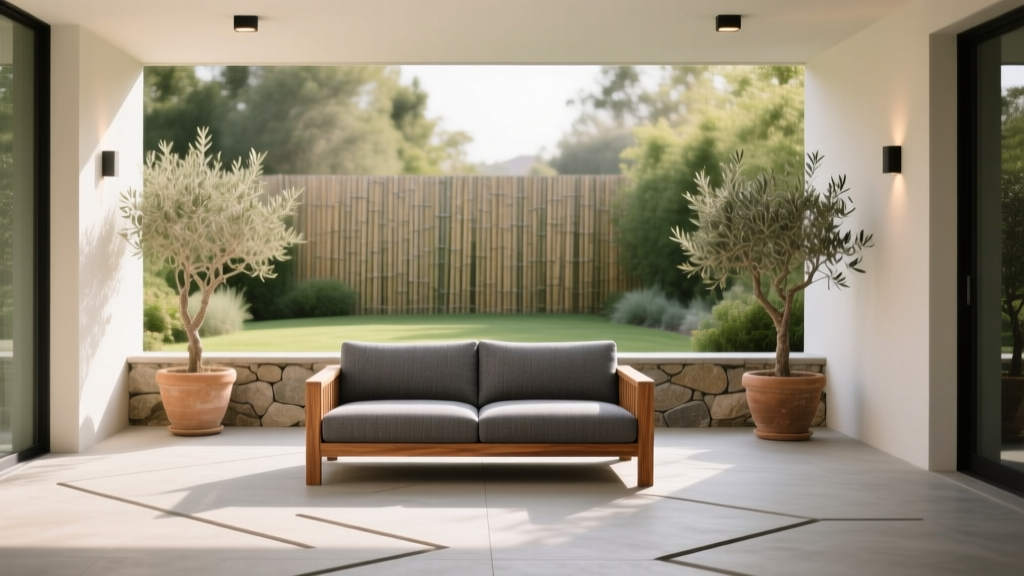 Best Outdoor Loveseat Options - The Decor Mag
 Outdoor Pavilion Projector Screen Setup - The Decor Mag
 Outdoor Built-In Grill Station Ideas - The Decor Mag
 Outdoor Kitchen Pizza Stone Installation - The Decor Mag
 Thermal Physics & Bioclimatic Design for Outdoor Living 2026
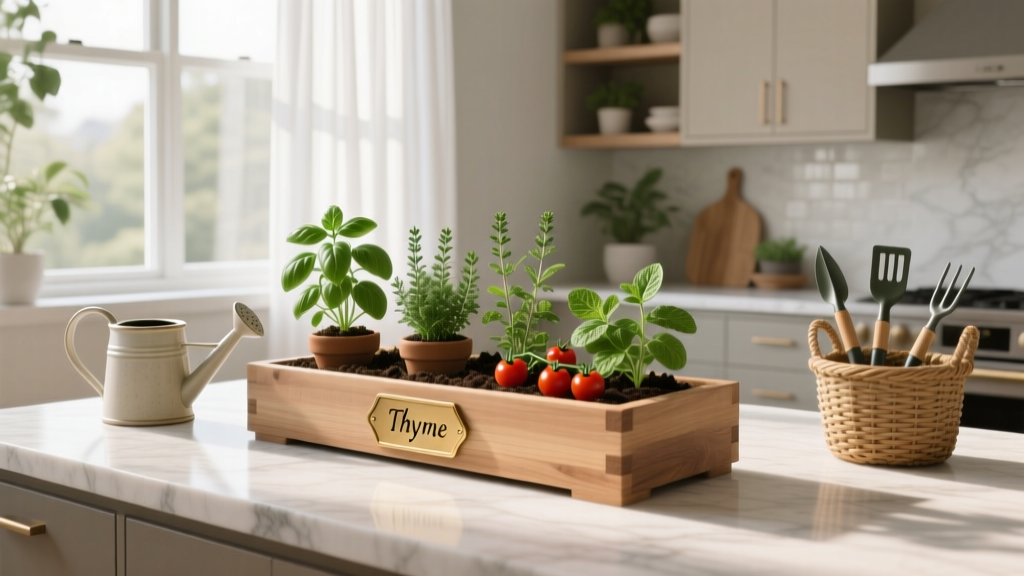 How to Create a Kitchen Garden - The Decor Mag
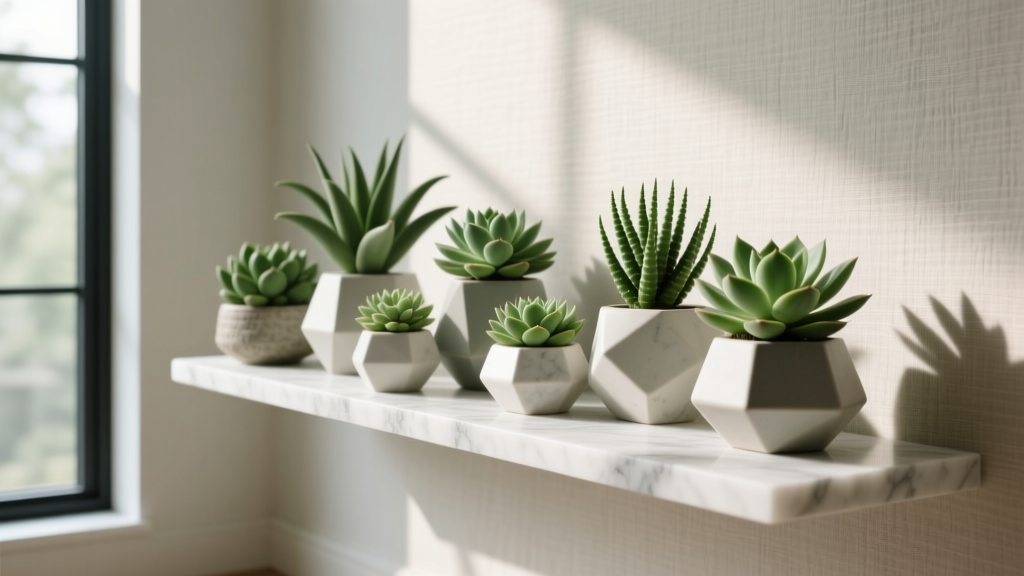 How to Create a Succulent Garden - The Decor Mag
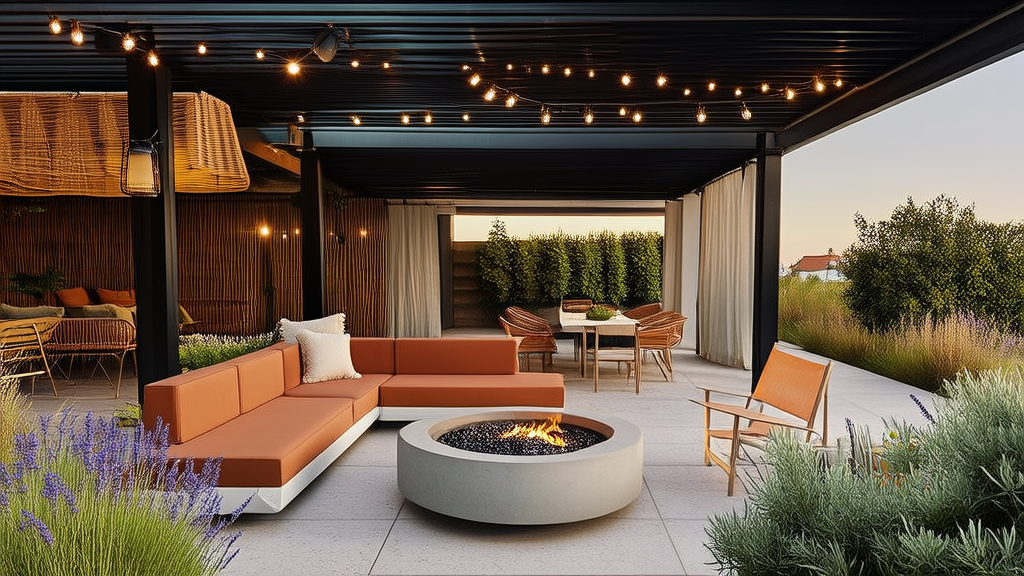 Outdoor Living Trends: 2026 Design Guide
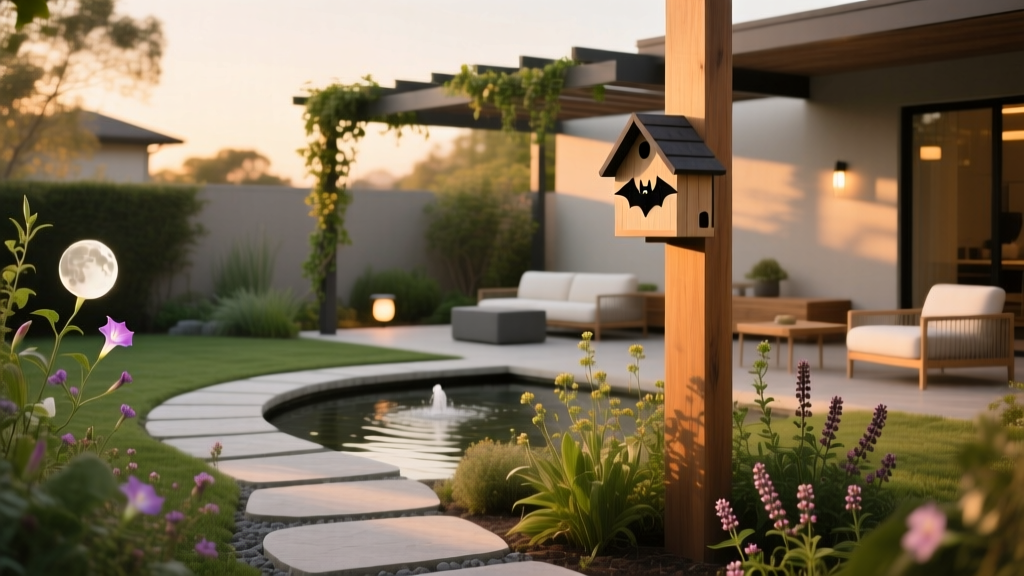 How to Create a Bat Friendly Garden - The Decor Mag
 Small Patio Garden Ideas for Entertaining