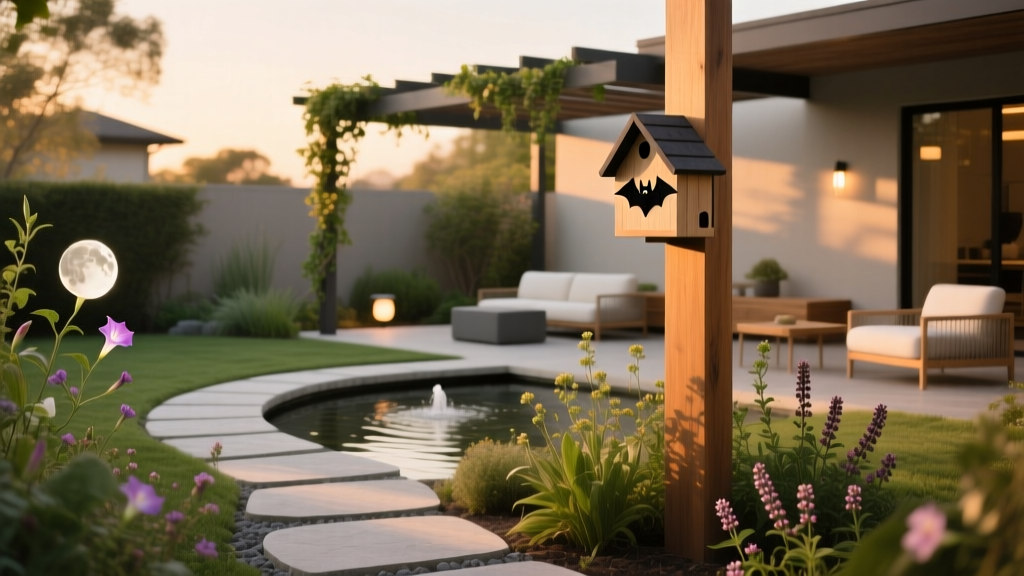
How to Create a Bat Friendly Garden - The Decor Mag
A truly inviting outdoor living space isn’t just about what looks good from your patio—it’s about what thrives after sunset, too. Bats are one of the most effective (and underrated) allies you can welcome into your landscape design. When your garden supports bats, you’re also supporting a healthier ecosystem: fewer mosquitoes buzzing around your dining set, improved pollination for night-blooming plants, and a more balanced backyard habitat that feels alive year-round.
For homeowners focused on patios, entertaining, and curb appeal, a bat friendly garden is a smart, stylish upgrade. The best part: it doesn’t require a wild, unkempt yard. With thoughtful lighting, water features, plant selection, and a few habitat additions, you can create a space that’s both design-forward and wildlife-supportive—without sacrificing comfort, cleanliness, or the polished look you want for outdoor living.
Below, you’ll find practical, expert steps to design a bat friendly landscape that blends beautifully with patios, pergolas, outdoor kitchens, and modern garden layouts—plus seasonal strategies and maintenance tips to keep it working (and looking great) all year.
Why Bats Belong in a Well-Designed Backyard
Bats provide powerful natural pest control. Many species consume thousands of insects in a single night, helping reduce mosquitoes, moths, and beetles that can damage plants or ruin patio time. Some bats also assist with pollination and seed dispersal (depending on your region), supporting overall garden resilience.
- Better patio living: fewer biting insects near seating and dining areas
- Healthier landscaping: less reliance on chemical sprays that can harm beneficial insects
- More vibrant garden design: night-blooming plants add fragrance and drama after dark
- Year-round interest: layered planting and habitat features improve structure in every season
Design Principles for a Bat Friendly Garden (That Still Looks Stylish)
1) Create a “Bat Corridor” Without Making Your Yard Feel Wild
Bats like to travel along edges—fence lines, hedges, and tree canopies. You can design a subtle flight corridor that feels intentional and polished:
- Layout idea: Place taller trees or large shrubs along the back fence line, with mid-height flowering shrubs in front, and a low border at the patio edge.
- Patio integration: Keep the immediate patio zone open and tidy, but soften perimeter lines with layered greenery to guide bat movement.
- Materials tip: Use natural wood fencing, stone edging, and planted screens for a cohesive outdoor design look.
2) Offer Water That Complements Outdoor Living
Water is essential—especially in hot climates or during dry summers. Bats prefer open water they can skim while flying. The key is to choose a water feature that fits your landscape style.
Great bat-friendly water options:
- Shallow wildlife pond (naturalistic stone edge, planted margins)
- Recirculating fountain basin (modern look, moving water attracts insects)
- Small reflecting pool near a pergola (sleek, contemporary landscapes)
Design and safety notes:
- Keep part of the water surface open (avoid covering everything with dense floating plants).
- Add a gently sloped edge or a stone “exit ramp” for wildlife safety.
- Position water 10–30 feet away from main seating to reduce insect clustering right over the table.
Budget ranges:
- DIY fountain basin: $75–$250
- Preformed pond kit with pump: $200–$800
- Custom stone pond or reflecting pool: $1,500–$6,000+
3) Rethink Outdoor Lighting for Bat-Friendly Patio Design
Bright, cool-white lights can disrupt bat activity and concentrate insects in the wrong places. The goal is to keep your patio safe and inviting while reducing glare and unnecessary spill.
- Choose warm color temperature: 2200K–2700K LEDs (soft amber feel)
- Use downlighting and shielding: sconces with hoods, path lights with glare guards
- Layer lighting: low path lighting + subtle step lights + a dimmable dining pendant under a pergola
- Add controls: timers, dimmers, and motion sensors for pathways
Placement tip: Keep the brightest light near doors and transitions (safety zones). Keep garden perimeter lighting minimal and aimed downward to preserve darker habitat areas.
Planting a Bat Friendly Landscape: What to Grow and Where
Prioritize Night-Blooming and Nectar-Rich Plants
A bat friendly garden doesn’t have to look like a meadow. You can use structured beds, repeated plant groupings, and clean edging—while still offering bat-supportive blooms and insect habitat.
Plant suggestions (choose what suits your climate):
- Evening fragrance and night blooms: moonflower (Ipomoea alba), evening primrose (Oenothera), night-blooming jasmine (Cestrum nocturnum; use carefully depending on pets/children), four o’clocks (Mirabilis jalapa)
- Pollinator powerhouses (also feed night insects): salvia, catmint (Nepeta), bee balm (Monarda), lavender, coneflower (Echinacea)
- Native shrubs and small trees for structure: serviceberry (Amelanchier), redbud (Cercis), viburnum, elderberry (Sambucus)
- Grasses for habitat texture: little bluestem, switchgrass, feather reed grass (great for modern landscaping looks)
Design approach: Plant in drifts (groups of 3–7) for a more designed, high-end landscape style. Repeat the same few plant types along borders to keep the look cohesive.
Where to Plant for Maximum Impact (Patio-Friendly Layouts)
- Perimeter beds: Place taller shrubs/ornamental trees along fences to create a sheltered flyway.
- Mid-yard “stepping stones”: Add one or two small trees (like redbud or serviceberry) to connect perimeter habitat to the rest of the yard.
- Patio edge planting: Use aromatic, tidy plants (lavender, dwarf grasses, compact salvia) near seating for a clean look and pleasant fragrance.
- Water feature zone: Surround with low plantings to keep the water surface open and accessible.
Add a Bat House (Without Ruining the Aesthetic)
Bat houses provide roosting spots, especially in areas with limited mature trees. The trick is placement and design—done right, it blends into your outdoor design like a functional garden feature.
Bat House Specs and Placement
- Mount height: typically 12–20 feet off the ground
- Sun exposure: 6–8 hours of sun is often ideal (varies by region); in very hot climates, aim for morning sun and afternoon shade
- Location: on a building or sturdy pole; avoid mounting on trees (predators + too much shade)
- Clear flight path: keep 20–30 feet of open space in front
- Distance from bright lights: keep away from floodlights and all-night illumination
Materials That Last Outdoors
Look for durable, weather-resistant construction that won’t warp in heat or soak up moisture in wet seasons.
- Best materials: exterior-grade plywood or cedar
- Fasteners: stainless steel or exterior-coated screws
- Finish: low-VOC exterior stain/paint (dark colors can help in cooler climates; lighter tones can help reduce overheating in hot regions)
- Interior: roughened or grooved landing surfaces for gripping
Budget ranges:
- Basic quality bat house: $30–$80
- Multi-chamber bat house: $80–$200
- Architectural-style or custom cedar unit: $200–$600+
Style tip: Mount a bat house on a garage wall or garden shed painted to match your exterior trim. It reads as intentional outdoor design rather than a random add-on.
Outdoor Furniture and Materials That Support a Bat Friendly Backyard
You don’t need “wildlife furniture,” but a few smart material choices help reduce pests and improve comfort—especially for evening lounging.
Furniture Recommendations for Nighttime Patio Living
- Dining and lounge sets: powder-coated aluminum (low maintenance), teak (durable, ages beautifully), or high-quality resin wicker (easy clean-up)
- Cushions: solution-dyed acrylic fabrics (like Sunbrella-type performance textiles) to handle humidity and summer storms
- Umbrellas/pergolas: add shade for daytime comfort while preserving darker zones in the garden at night
Hardscape Choices That Pair With Bat-Friendly Planting
- Pavers: permeable pavers reduce runoff and support healthier soil biology
- Gravel paths: decomposed granite or crushed stone for a natural look and good drainage
- Edging: steel or stone edging creates crisp lines that keep “habitat” plantings from looking messy
Climate and Maintenance: Make It Work in Your Region
Hot and Dry Climates
- Prioritize a reliable water source (recirculating fountain or small pond with top-off plan).
- Use drought-tolerant native plants and deep mulch (2–3 inches) to retain moisture.
- Place bat houses to avoid overheating: morning sun, afternoon shade; consider lighter exterior finishes.
Humid and Rainy Climates
- Focus on airflow: avoid overcrowding shrubs right against seating zones.
- Choose rot-resistant materials (cedar, teak, stainless fasteners).
- Keep water features circulating to prevent stagnation.
Cold Winters and Four-Season Yards
- Include evergreen structure (select shrubs or grasses that hold form) to keep the garden designed even when dormant.
- Use lighting controls and warm LEDs to maintain cozy winter patio ambiance without over-lighting the whole yard.
- Leave some leaf litter in back beds through fall for beneficial insects (a bat food source later in the season).
Seasonal Checklist for Year-Round Outdoor Living
- Spring: plant natives, refresh mulch, check bat house mounting stability
- Summer: keep water topped off, use dim lighting, skip pesticide sprays
- Fall: add late bloomers, reduce aggressive cleanup, store cushions but keep seating accessible for mild evenings
- Winter: prune selectively (avoid removing all habitat), maintain clean paths and safe step lighting
Common Mistakes to Avoid
- Over-lighting the yard: bright floodlights can discourage bats and create an insect halo over your patio.
- Using broad-spectrum pesticides: you remove the insects bats feed on and risk harming beneficial pollinators.
- Mounting bat houses on trees: too shaded, more predators, and less stable temperature performance.
- Creating water with no circulation: stagnant water becomes a maintenance headache; opt for a pump or moving feature.
- Planting only daytime bloomers: add at least a few evening-scented or night-blooming plants for a true bat-friendly landscape.
- Expecting instant results: it can take a season or two for bats to discover and adopt new habitat.
FAQ: Bat Friendly Garden Design
Will attracting bats bring more mosquitoes?
No—bats help reduce mosquitoes and other night-flying insects. You may still see mosquitoes if you have standing water or dense shade with no airflow, so pair bat-friendly design with good drainage and circulation.
Are bats dangerous to have near a patio?
Bats generally avoid people and are focused on feeding. The safest approach is to observe from a distance, avoid handling bats, and keep pets supervised outdoors at night.
How long does it take for bats to use a bat house?
Sometimes within a few weeks, sometimes not until the following season. Placement, sun exposure, and proximity to water and feeding habitat all influence success.
What’s the best lighting for a bat friendly outdoor living space?
Warm LEDs (2200K–2700K), shielded fixtures, and dimmers are ideal. Focus brightness where you need it for safety—steps, doors, and cooking zones—while keeping garden edges darker.
Can I have a bat friendly garden in a small yard?
Yes. A small water feature, a few nectar-rich plants in layered borders, and a well-placed bat house can make a noticeable difference. Even a townhouse patio can be improved with warm lighting, container plantings, and reduced pesticide use.
Do I need a pond to attract bats?
No, but water helps. A recirculating fountain or a wide, shallow basin with moving water can be enough, especially when paired with insect-supportive planting.
Next Steps: A Simple Plan to Get Started This Weekend
- Audit your lighting: swap harsh bulbs for warm LEDs and add shielding or dimmers.
- Add water: install a small recirculating fountain or basin in a spot that complements your patio layout.
- Upgrade your planting: add 3–5 bat-supportive plants (including at least one evening-fragrant or night-blooming option).
- Install a bat house: mount it 12–20 feet high on a building or pole with a clear flight path.
- Commit to low-chemical maintenance: reduce pesticides and let your garden’s natural balance do more of the work.
A bat friendly garden is one of the most rewarding outdoor design upgrades you can make: it supports a healthier landscape, improves patio comfort at night, and brings a sense of nature-driven luxury to your backyard. For more landscaping ideas, patio living inspiration, and outdoor design guides, explore the latest at thedecormag.com.
More Articles
 Best Outdoor Bar Cheese Board Display - The Decor Mag
 Best Outdoor Bar Wine Glass Hanger - The Decor Mag
 Best Outdoor Dining Table Materials - The Decor Mag
 Styling Styleguides Essentials: A Practical Framework for Outdoor Living Brand Consistency
 Best Outdoor Bar Grapefruit Wedge Bowl - The Decor Mag
 How to Create a Companion Planting Garden - The Decor Mag
 How to Design a Rain Garden - The Decor Mag
 Small Patio Makeover: Big Style, Tiny Footprint
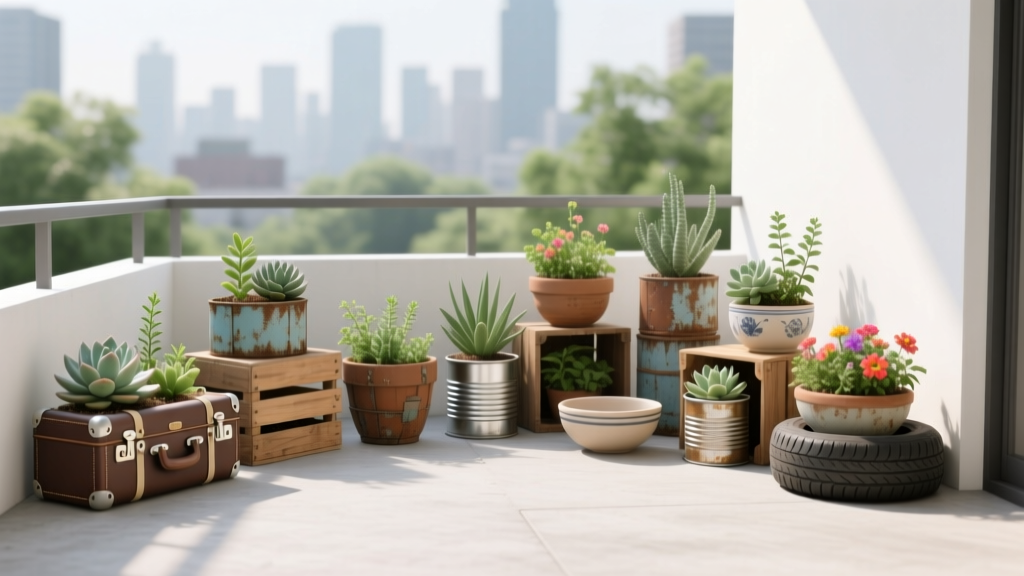 Upcycled Garden Planters for Balconies (2026)
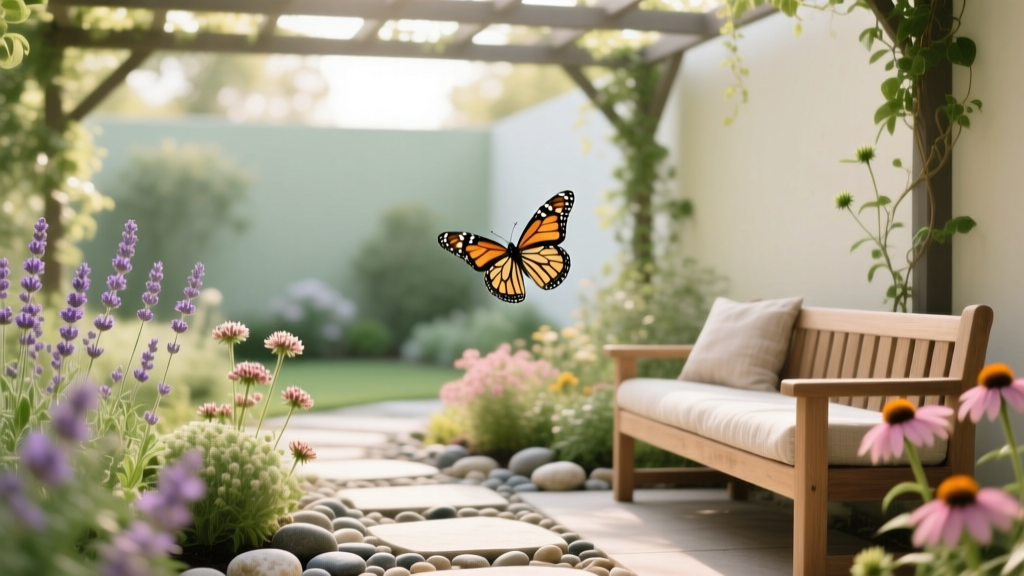 How to Create a Butterfly Garden - The Decor Mag