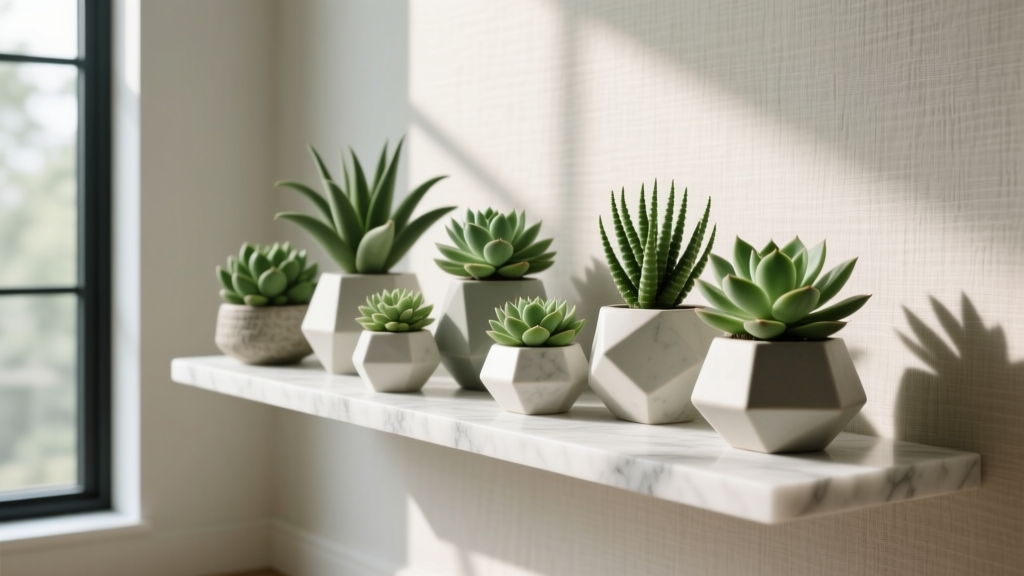
How to Create a Succulent Garden - The Decor Mag
A well-designed succulent garden does more than fill a bare corner of the yard—it changes how you use your outdoor living space. Succulents bring sculptural form, color, and texture to patios, courtyards, front entries, pool decks, and balcony gardens while keeping maintenance refreshingly manageable. If you want a landscape design that looks curated year-round without constant watering, fertilizing, and fuss, succulents are one of the smartest choices you can make.
They also pair beautifully with modern outdoor design trends: clean lines, gravel pathways, raised planters, and minimalist patio furniture. Whether you’re building a small container display beside your outdoor seating area or planning a full xeriscape-style landscape, succulents help you create an outdoor space that feels intentional, stylish, and ready for entertaining.
This guide walks you through planning, plant selection, soil and materials, layout ideas, maintenance, seasonal care, and common mistakes—so your succulent garden looks like a designer installed it (even if you do it over a weekend).
Start With a Plan: Where Your Succulent Garden Will Live
Choose the right location (sun, heat, and sightlines)
Succulents thrive in bright light, but the “perfect” exposure depends on your climate and the plants you choose. Before buying a single plant, spend a day noticing sun patterns and how you actually use your outdoor space.
- Sunlight: Aim for 6+ hours of sun for sun-loving varieties (agave, many echeverias, sedum). In hot desert climates, some succulents appreciate afternoon shade.
- Heat reflection: South- and west-facing walls, stucco, and masonry can amplify heat. Great for heat lovers, risky for thin-leaved succulents that scorch.
- Visibility: Place statement plants where you’ll enjoy them from key vantage points—outdoor dining, patio lounge seating, kitchen window, entry walkway.
- Drainage: Avoid low spots where water pools. A succulent garden needs fast-draining conditions.
Pick a garden style that matches your outdoor living vibe
Succulents can look coastal, modern, desert-inspired, cottagey, or tropical—depending on the materials and layout you pair with them.
- Modern patio succulent garden: Linear planters, architectural agaves, black/charcoal gravel, steel edging, minimalist outdoor furniture.
- Mediterranean courtyard: Terracotta pots, gravel, herbs mixed in, stone paving, bistro seating.
- Desert xeriscape: Boulders, decomposed granite, cacti (where appropriate), wide plant spacing, low-water irrigation.
- Coastal contemporary: Pale gravel, driftwood accents, soft blues/greens (senecio, blue echeveria), teak lounge chairs.
Design Approaches That Always Look Professional
Use the “thriller, filler, spiller” formula (yes, even outdoors)
This classic container design rule translates beautifully to beds and planters:
- Thrillers: One or two bold focal plants (agave, aloe, large aeonium, columnar cactus where climate allows).
- Fillers: Mid-height rosettes and mounding succulents to create mass (echeveria, kalanchoe, sedum, crassula).
- Spillers: Trailing succulents over rocks, retaining walls, or pot edges (string of bananas, burro’s tail, trailing sedum).
Think in drifts, not singles
For a landscaped look, plant in groups of 3, 5, or 7. Repetition is what makes a succulent garden feel cohesive from the patio to the yard.
Layer heights for depth (like an outdoor room)
Place taller plants toward the back of a bed or center of an island bed, medium in the middle, and low groundcovers at the edge. This creates a “designed” profile and keeps the garden attractive from multiple angles—especially important for patio living and entertaining areas.
Best Succulents for Gardens (and Where They Shine)
Architectural statement plants
- Agave (Agave attenuata, A. parryi): Bold form for modern landscaping; excellent near hardscapes.
- Aloe (Aloe striata, Aloe ‘Blue Elf’): Great for mild climates; flowering spikes add seasonal drama.
- Yucca (Yucca rostrata): Perfect for a desert-modern look and sunny, dry spots.
- Large Aeonium varieties: Rosette “trees” that elevate the design in containers and raised beds (best in mild coastal climates).
Color-rich rosettes and mounding plants
- Echeveria: Designer favorite for rosette symmetry; many colors from dusty blue to burgundy.
- Crassula (Jade plant types): Tough, forgiving, and great for patio containers.
- Sedum: Fast fillers; some varieties handle cold better than tender succulents.
- Kalanchoe: Adds leaf color and seasonal blooms; ideal for warm patios and protected beds.
Trailing plants for edges, walls, and pots
- Senecio/Curio (string of bananas, string of pearls): Best in bright light with some protection from harsh afternoon sun.
- Sedum morganianum (burro’s tail): Gorgeous cascades; handle gently (leaves drop easily).
- Trailing sedums: Excellent along borders and in rock garden pockets.
Cold-hardy options (for four-season gardens)
If you get real winter, focus on hardy succulents for year-round outdoor living appeal:
- Sempervivum (hens and chicks): Very cold-tolerant; perfect for rock gardens and trough planters.
- Hardy sedums (stonecrops): Many thrive in freezing temperatures and return reliably in spring.
Soil, Drainage, and Materials: The Foundation of Success
Soil mix for beds and containers
Drainage is everything. Succulents fail far more often from wet feet than from neglect.
- For in-ground beds: Amend native soil with mineral grit for fast drainage. A practical mix is roughly 50% native soil and 50% drainage material (pumice, perlite, coarse sand, small gravel), adjusted based on how clay-heavy your soil is.
- For containers: Use a cactus/succulent mix and add extra pumice or perlite for airflow. Skip moisture-retaining potting mixes designed for tropical houseplants.
Top-dressing materials that look high-end and reduce weeds
Top dressing makes a succulent garden look intentional while protecting leaves from soil splash.
- Crushed granite or decomposed granite (DG): A designer go-to for desert landscaping and modern yards.
- Pea gravel: Affordable and easy to spread around patio planters and walkways.
- Lava rock: Great contrast with blue/green succulents; use sparingly for bold accents.
- Small river rock: Polished look for courtyards and poolside landscaping.
Edging and hardscape recommendations
- Steel edging: Clean, modern lines; keeps gravel in place along pathways and patio borders.
- Stone edging: Natural fit for Mediterranean and cottage-inspired outdoor design.
- Raised planters: Ideal for controlling soil drainage and showcasing succulents near outdoor seating areas.
Layout Ideas for Patios, Yards, and Small Spaces
Patio succulent garden (the outdoor room approach)
Frame your seating area with planters to make the patio feel like a destination.
- Use two matching planters to flank steps or a doorway for a polished entry experience.
- Create a privacy screen with tall, narrow planters and upright succulents (or mix with drought-tolerant grasses if your climate allows).
- Build a corner vignette: one large pot (thriller) + two smaller pots (fillers/spillers) + a low lantern or fire bowl nearby.
Front yard curb appeal with succulents
- Design a simple gravel-and-boulder bed with 3–5 statement plants and repeating clusters of rosettes.
- Keep plants lower near walkways to maintain visibility and a tidy look.
- Add a defined path (stepping stones set in gravel) for a welcoming, landscape-architect feel.
Small-space and balcony solutions
- Trough planters for a mini rock garden look on a small patio.
- Wall-mounted planters in bright shade for trailing succulents.
- Grouping pots by material (all terracotta or all matte black) to avoid visual clutter.
Outdoor Furniture Pairings That Elevate a Succulent Garden
The right furniture and accessories turn your planting project into true patio living.
- Modern look: Powder-coated aluminum lounge chairs (black/charcoal) + a concrete or stone coffee table + steel-edged planters.
- Warm, natural look: Teak or acacia seating + terracotta pots + pale gravel top dressing.
- Entertaining-friendly: Outdoor dining set near a raised succulent bed—choose chairs with easy-clean cushions in neutral tones that won’t compete with plant color.
Practical tip: Keep at least 24–36 inches of clear walkway space around seating areas and between planters so guests can move comfortably.
Climate and Maintenance: Keep It Beautiful Year-Round
Watering guidelines (by season)
- Spring: Growth resumes for many succulents—water deeply, then let soil dry fully.
- Summer: In hot climates, water early morning; avoid frequent light watering. In humid regions, water less and prioritize airflow.
- Fall: Reduce watering as nights cool; colors often intensify with cooler temps.
- Winter: Water sparingly. Many succulents prefer near-dry soil when cold, especially in regions with rain.
Frost, heat, and humidity strategies
- Cold climates: Use hardy varieties outdoors; move tender succulents into a garage or bright indoor spot before hard freezes.
- High heat: Provide afternoon shade with a pergola, shade sail, or placement near a wall that offers filtered light.
- Humid climates: Choose varieties known to tolerate humidity better (many aloes and some sedums). Avoid overcrowding and keep leaves dry.
Low-maintenance care checklist
- Remove dead lower leaves to prevent pests and rot.
- Check irrigation emitters seasonally; clogged drip lines cause surprise plant losses.
- Re-top-dress gravel as needed to keep the garden looking crisp.
- Prune or replant stretched (etiolated) succulents—usually a sign they need more sun.
Budget Ranges: What a Succulent Garden Typically Costs
- Budget-friendly (DIY, small area or container garden): $75–$300
Best for: a patio grouping of 3–7 pots, bagged succulent soil, and small plants. - Mid-range (front bed refresh or medium patio landscape): $300–$1,500
Best for: gravel top dressing, steel/stone edging, 15–30 plants, and a few boulders. - High-end (full yard xeriscape or designer courtyard): $1,500–$7,500+
Best for: raised planters, premium specimen agaves, lighting, drip irrigation redesign, and hardscape work.
Common Mistakes to Avoid
- Overwatering: The fastest way to kill succulents. Deep, infrequent watering beats daily sprinkles.
- Poor drainage: Planting in heavy clay without amendments, or using pots without drainage holes.
- Using moisture-retaining mulch: Wood mulch can hold too much moisture against stems; use gravel or rock instead.
- Too much shade: Many succulents stretch and lose color without enough light—especially in patio corners.
- Planting tender succulents outdoors in freezing climates: Know your hardiness zone and plan for winter protection.
- Overmixing styles: Ten different pot colors and five gravel types can look chaotic. Repeat materials for a calm, designed feel.
FAQ: Succulent Garden Basics
How often should I water an outdoor succulent garden?
Water deeply, then let the soil dry out completely before watering again. In warm, dry months, that might mean every 7–21 days depending on sun exposure and soil. In winter, many succulent gardens need very little water.
What’s the best soil for succulents outdoors?
Fast-draining soil with plenty of mineral content. For beds, amend native soil with pumice/perlite/coarse sand and small gravel. For pots, start with cactus/succulent mix and add extra pumice for better aeration.
Can succulents survive winter outside?
Some can. Hardy sedums and sempervivums handle freezing temperatures well, while many echeverias and tropical succulents need protection from frost. In cold climates, use containers so you can move tender plants to shelter.
Do succulents do well in humid climates?
They can, but selection and spacing matter. Prioritize airflow, avoid overhead watering, and choose varieties that tolerate humidity better (often aloes and certain sedums). Make drainage extra sharp to prevent rot.
What are the best succulents for beginners?
Try hardy sedums, sempervivums (in cold climates), aloes (in mild climates), and crassula types. They’re forgiving, adaptable, and look great in containers and landscape beds.
Next Steps: Build Your Succulent Garden This Weekend
- Walk your space and map sun/shade for a day—especially around patios and seating areas.
- Choose a style (modern, Mediterranean, desert) and commit to 2–3 repeating materials like gravel, edging, and pot finishes.
- Start with one focal plant (agave or aloe), then add clusters of fillers and spillers for a layered, landscaped look.
- Improve drainage before planting—this is the difference between thriving succulents and constant replacement.
- Plan seasonal care now: frost protection, summer shade strategy, and a simple watering schedule.
A succulent garden is one of the most rewarding ways to upgrade your landscaping and create a low-water, high-style outdoor living space—whether you’re refreshing a front yard bed or turning a patio into a resort-like retreat. For more patio ideas, landscape design inspiration, and outdoor decorating guides, explore the latest on thedecormag.com.
More Articles
 Best Outdoor Bar Menu Board Display - The Decor Mag
 Outdoor Kitchen Design and Planning Guide - The Decor Mag
 How to Create a Hugelkultur Garden Bed - The Decor Mag
 How To Clean Living: A Practical Guide to Healthier Outdoor Spaces and Sustainable Habits
 How to Start Living Rooms: Building Functional, Weather-Resilient Outdoor Living Spaces from the Ground Up
 Best Outdoor Lantern and Candle Options - The Decor Mag
 Best Outdoor Bar Chip and Dip Station - The Decor Mag
 Best Outdoor Loveseat Options - The Decor Mag
 Kid-Safe Outdoor Furniture: Materials That Survive Play
 How to Design a Pocket Meadow - The Decor Mag