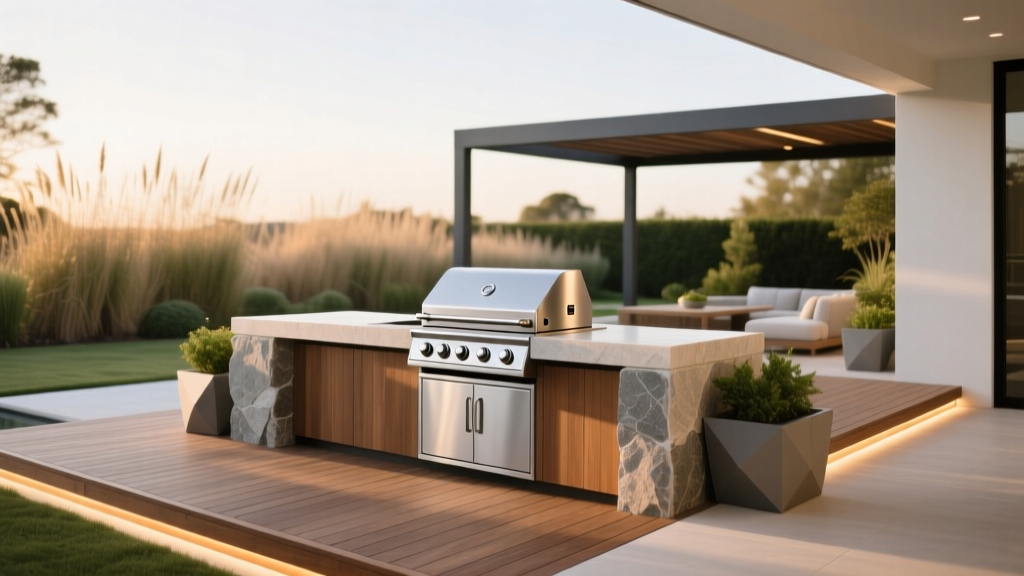
Outdoor Built-In Grill Station Ideas - The Decor Mag
An outdoor built-in grill station turns “making dinner” into a lifestyle upgrade. Instead of running back and forth to the kitchen, you can prep, cook, serve, and relax in one place—right where the conversation is happening. For homeowners investing in outdoor living spaces, a well-designed grill island is one of the highest-impact projects you can add to a patio, deck, or backyard kitchen zone.
Beyond the wow factor, built-in grill stations make outdoor entertaining easier and cleaner. They hide propane tanks, organize tools, add durable counter space, and create a natural hub for seating and lighting. Whether you’re working with a compact patio or a sprawling yard, the right layout and materials can support year-round outdoor living and boost your home’s function (and often its value).
Below are inspiring, practical outdoor built-in grill station ideas—plus layouts, material recommendations, plant pairings, climate considerations, and common mistakes to avoid so your outdoor kitchen looks great and works even better.
Plan First: The 5 Essentials of a Great Built-In Grill Station
The best outdoor grill stations start with a few smart decisions. Before you pick stone or appliances, make sure these fundamentals are covered:
- Location: Close enough to the house for convenience, far enough for smoke management. Aim for a clear path from the indoor kitchen.
- Utilities: Decide on gas (natural/propane), electricity (lighting, mini fridge), and water (sink). Rough-in costs are easier to handle early.
- Wind and sun exposure: Position grills so prevailing winds don’t blow smoke into seating zones or your home’s doors/windows.
- Workflow: Plan for “prep → cook → serve” with landing space on both sides of the grill.
- Durability: Choose outdoor-rated materials and weatherproof storage so your patio living setup stays low-maintenance.
Outdoor Built-In Grill Station Layout Ideas (That Actually Work)
1) Straight-Line Grill Island (Best for Small Patios)
A simple linear station is the go-to for tight patios, townhouse yards, and deck edges. It keeps the footprint slim and the budget manageable.
Design tips:
- Plan at least 6–10 feet of total run for grill + counter space.
- Add a 15–24 inch landing zone on each side of the grill.
- Use a bar-height ledge on the back side if you want casual seating without a separate dining table.
Great add-ons: pull-out trash, paper towel holder, narrow spice drawer, and a compact outdoor-rated fridge.
2) L-Shaped Grill Station (Best for Prep + Serving)
An L-shape creates a natural “kitchen corner,” separating hot cooking from prep and serving areas. It’s one of the most comfortable outdoor kitchen layouts for entertaining.
- Put the grill on one leg and prep/sink on the other.
- Keep the inside corner open with a lazy-susan-style storage cabinet or extra counter space.
- Use the exterior side for a bar ledge and stools—guests can hang out without crowding the cook.
3) U-Shaped Outdoor Kitchen (Best for Serious Hosts)
If your outdoor living space is a true extension of your home, a U-shaped plan delivers maximum counter space and storage. It also creates a cozy “room” feeling on large patios.
Best practices:
- Keep at least 4 feet of walkway clearance inside the U.
- Assign zones: cold (fridge) → prep (counter/sink) → hot (grill).
- Consider a dedicated serving counter facing the dining area.
4) Built-In Grill + Separate Prep Table (Best Budget-Friendly Split)
Not every outdoor kitchen needs to be one massive structure. A smaller built-in grill base paired with a movable prep cart or bar table can feel just as functional.
- Build the grill into a compact masonry base.
- Add an outdoor stainless prep table or weatherproof cabinet set nearby.
- Flex the layout seasonally—move furniture for parties, tuck it away for winter.
Built-In Grill Station Design Styles (From Modern to Rustic)
Modern Minimalist Grill Islands
For contemporary patios and clean-lined landscaping, keep materials crisp and the palette tight.
- Materials: large-format porcelain panels, smooth stucco, steel edging, honed granite or concrete counters.
- Colors: charcoal, warm gray, matte black, and natural wood accents.
- Furniture pairing: powder-coated aluminum dining set, sling chairs, or teak benches.
Warm Rustic Outdoor Kitchens
Rustic doesn’t have to mean heavy. Combine texture-rich surfaces with updated fixtures.
- Materials: natural stone veneer, brick, reclaimed wood accents (kept away from direct heat), and copper or bronze details.
- Countertops: leathered granite or soapstone-look porcelain.
- Plant pairing: lavender, rosemary, salvia, dwarf olive (climate permitting), and ornamental grasses.
Mediterranean & Courtyard-Inspired Grill Stations
Perfect for enclosed patios and garden rooms, this style leans into hospitality and year-round outdoor living.
- Materials: tumbled stone, terracotta accents, plaster/stucco finishes, patterned tile on vertical surfaces.
- Shade: pergola with climbing vines, or a retractable awning.
- Furniture: woven resin lounge seating, mosaic bistro table, or a built-in banquette.
Materials That Hold Up Outdoors (Counters, Bases, and Finishes)
Countertop Recommendations
- Porcelain slabs: top pick for heat, stain, and UV resistance; great for modern outdoor kitchens.
- Granite (honed or leathered): durable and classic; choose lighter colors if your patio gets intense sun (dark stone can get very hot).
- Poured concrete: customizable and sleek; seal it regularly to prevent stains and hairline cracking.
- Stainless steel counters: ultra-hygienic and weather-tough; can show scratches but fits contemporary designs.
Avoid: indoor quartz (UV and heat can damage it), and unsealed natural stone in freeze-thaw climates.
Base and Cladding Materials
- Concrete block + stone veneer: a proven, sturdy approach for built-in grill islands.
- Stucco over masonry: clean and affordable; add control joints to reduce cracking.
- Brick: timeless and durable; works beautifully in traditional landscapes and cottage gardens.
- Weatherproof cabinetry systems: aluminum or marine-grade polymer cabinets speed up installs and look polished.
Hardware and Doors
Look for 304 or 316 stainless steel access doors, drawers, and vents. In coastal areas, 316 stainless is the better long-term choice for corrosion resistance.
Furniture, Lighting, and Comfort Upgrades Around the Grill Station
Seating That Supports the Cook (Without Crowding)
- Counter stools: Choose outdoor-rated frames (powder-coated aluminum or teak). Leave 24 inches per stool for comfort.
- Dining zone: Place the table 6–10 feet from the grill station—close for serving, far enough for heat/smoke.
- Lounge zone: A sectional or two lounge chairs with a fire pit creates a natural “after dinner” destination.
Lighting for Night Grilling
- Task lighting: LED under-counter strips or adjustable downlights aimed at the grill and prep area.
- Ambient lighting: string lights on a pergola, path lights to the yard, and soft wall sconces if the grill station sits near the house.
- Safety: Illuminate steps and changes in patio elevation with low-voltage step lights.
Shade and Weather Protection
- Pergola: adds structure and improves comfort; avoid placing overhead beams directly above heavy smoke zones unless ventilation is addressed.
- Retractable awning: excellent for flexibility—shade in summer, sun access in cooler seasons.
- Vent hood: consider for covered patios or enclosed outdoor kitchens; consult local codes.
Plants That Make Your Grill Station Feel Like a Destination
The right landscaping softens hard surfaces and ties your grill island into the rest of your outdoor design. Aim for plants that handle heat, occasional splatter, and reflected sun from stone or pavers.
Best Plant Choices Near Outdoor Kitchens
- Herbs (in pots for control): rosemary, thyme, oregano, chives, sage. Keep mint in its own container to prevent spreading.
- Heat-tolerant perennials: lavender, yarrow, salvia, catmint (great for pollinators and low water use).
- Structural evergreens: boxwood (mild climates), dwarf yaupon holly, or compact junipers for year-round greenery.
- Ornamental grasses: fountain grass, little bluestem, or feather reed grass for movement and low maintenance.
Placement tip: Keep plants at least 2–3 feet from the hottest grill surfaces, and avoid resin pots too close to high heat.
Climate and Maintenance Considerations (So It Lasts for Years)
Cold and Freeze-Thaw Climates
- Choose freeze-thaw rated pavers, mortar, and stone veneer.
- Use porcelain or granite counters rather than porous stone.
- Winterize: shut off water lines to outdoor sinks, drain and cover appliances, and store cushions in a dry bin.
Hot, Sunny Climates
- Prioritize UV-stable materials (porcelain, sealed concrete, high-quality stone).
- Include shade—pergola, sail shade, or umbrella sleeves built into the counter.
- Choose light-colored countertops if the surface gets direct afternoon sun.
Coastal or High-Humidity Areas
- Upgrade to 316 stainless where possible.
- Rinse stainless surfaces periodically to remove salt and reduce corrosion.
- Consider vented storage and moisture-resistant cabinet systems.
Quick Maintenance Routine
- Wipe counters after every cook (warm soapy water is usually enough).
- Clean grill grates regularly and check burners/igniters seasonally.
- Reseal natural stone or concrete as recommended (often every 1–3 years).
- Inspect caulk joints, cabinet hardware, and vent panels each spring and fall.
Budget Ranges: What Outdoor Built-In Grill Stations Typically Cost
Costs vary by region, utility runs, and material choices, but these ranges help homeowners plan realistically:
- Budget-friendly built-in (approx. $3,000–$7,500): compact masonry base, basic built-in gas grill, minimal counter space, limited storage.
- Mid-range outdoor kitchen (approx. $7,500–$20,000): larger island, upgraded veneer, more counter space, access doors/drawers, possible fridge, improved lighting.
- High-end custom setup (approx. $20,000–$60,000+): premium appliances, sink, extended counters, cabinetry system, pergola/roof structure, premium stone/porcelain, electrical and gas upgrades.
Where to spend: grill quality, countertop durability, and proper construction. Where to save: a simpler layout, fewer built-in appliances, and using porcelain or quality veneer instead of full-depth stone.
Common Mistakes to Avoid
- Placing the grill too close to the house: smoke stains siding and creates safety issues. Respect clearance guidelines and local codes.
- Not leaving enough landing space: you’ll feel cramped fast. Plan prep and serving zones from day one.
- Skipping ventilation: built-in islands need proper venting for gas grills and enclosed storage areas.
- Choosing indoor materials: indoor quartz, low-grade stainless, and non-UV finishes age poorly outdoors.
- Forgetting lighting and power: grilling after sunset should be easy and safe, not a flashlight situation.
- Ignoring drainage and patio slope: standing water shortens the life of cabinetry, grout, and nearby plantings.
FAQ: Outdoor Built-In Grill Stations
How much space do I need for a built-in grill station?
A compact straight-line station can work in as little as 6–8 feet of length, but 8–12 feet is more comfortable for grill + prep space. Also plan at least 3–4 feet of clearance in front for safe movement.
What’s the best countertop material for an outdoor kitchen?
Porcelain slab and granite are two of the most reliable choices for outdoor countertops due to heat and UV resistance. Concrete is also great if you’re committed to sealing and routine upkeep.
Should I choose natural gas or propane for my built-in grill?
Natural gas is convenient for frequent grilling and never running out of fuel, but it often requires a gas line run. Propane offers flexibility and can be easier for retrofits. Your best option depends on your home’s existing utilities and local code requirements.
Can I build a grill station on a deck?
Yes, but it requires careful planning. Use appropriate heat shields, confirm weight capacity, and follow manufacturer clearances. Many homeowners opt for a built-in look with weatherproof cabinetry rather than heavy masonry on elevated structures.
How do I make my outdoor grill station usable year-round?
Add wind protection (privacy screens or strategic planting), overhead coverage (pergola or awning), strong task lighting, and a nearby heat source like a fire pit or patio heater. Choose evergreen structure plants and durable materials so the space feels inviting in every season.
Next Steps: Design Your Grill Station Like a Pro
Start by marking out your proposed grill station with painter’s tape or stakes, then test the flow: where you’ll prep, where guests will gather, and how you’ll move food from the house to the patio. From there, choose a layout (straight, L, or U), select weather-ready materials, and add comfort upgrades—lighting, shade, seating, and landscaping—to create a complete outdoor living space rather than a standalone appliance wall.
If you’re ready for more patio living inspiration, outdoor kitchen design tips, and landscaping ideas that elevate everyday life, explore more outdoor projects and guides on thedecormag.com.
More Articles
 Outdoor Kitchen Cedar Plank Grill Setup - The Decor Mag
 How to Create a Rock Garden - The Decor Mag
 Outdoor Gazebo Design Inspiration - The Decor Mag
 Best Outdoor Bar Lime Wheel Display - The Decor Mag
 Outdoor Kitchen Design and Planning Guide - The Decor Mag
 Kitchen Design Tools Checklist: Essential Instruments for Precision, Efficiency, and Professional Results
 Outdoor Pavilion Lighting Design - The Decor Mag
 How to Create a Kitchen Garden - The Decor Mag
 How to Design a Garden Pathway - The Decor Mag
 Best Outdoor Swinging Chair Picks - The Decor Mag