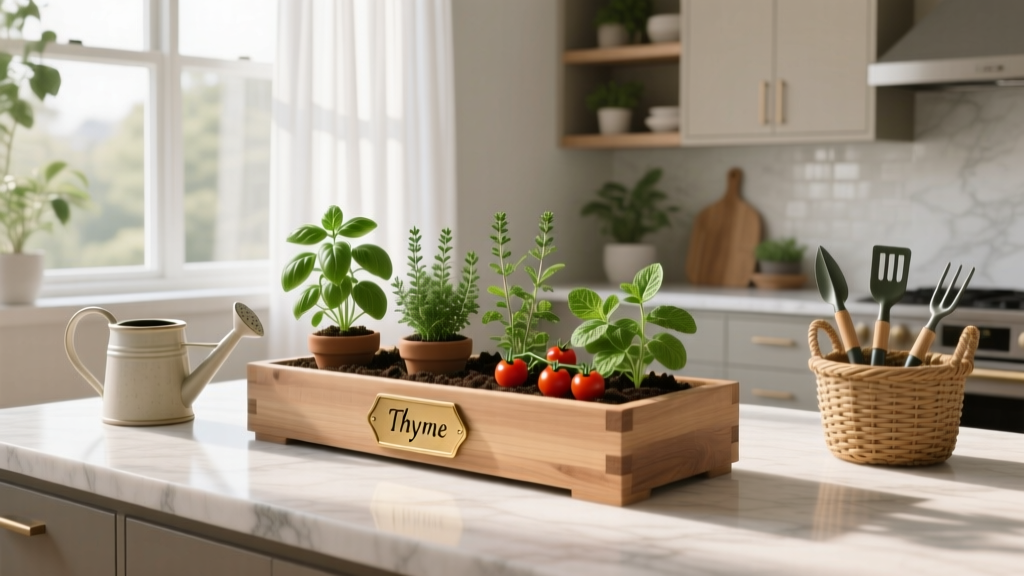
How to Create a Kitchen Garden - The Decor Mag
A kitchen garden does more than put fresh herbs within arm’s reach—it changes the way you use your outdoor space. When you can step out onto the patio, clip basil for pasta, grab greens for a salad, or pull a lemon cucumber for a sparkling water garnish, the yard becomes an extension of the kitchen and dining room. That’s the heart of great outdoor living: spaces that invite you outside daily, not just on special occasions.
From a landscape design perspective, a kitchen garden is one of the smartest upgrades you can make. It adds structure, color, fragrance, and seasonal interest while supporting sustainable habits. Whether your style leans modern with sleek raised beds and gravel paths or classic with brick edging and overflowing herbs, the goal is the same—create a beautiful, functional garden that feels effortless to maintain.
Below you’ll find a practical, designer-approved plan for building a kitchen garden that looks intentional, works with your patio living setup, and produces harvests you’ll actually use.
What Is a Kitchen Garden (and Why It’s a Patio-Living Game Changer)?
A kitchen garden is a curated edible garden designed for daily cooking—think herbs, salad greens, tomatoes, peppers, edible flowers, and a few “fast reward” crops. Unlike a traditional vegetable plot tucked in the back corner, a kitchen garden belongs near the home and outdoor dining areas.
Benefits for outdoor living and landscape design
- Stronger indoor-outdoor flow: Place it near the patio, grill station, or outdoor kitchen for convenience.
- Built-in landscaping: Edibles can be as ornamental as shrubs—especially with tidy beds and repeating plant patterns.
- Year-round interest: Even in cooler months, beds, trellises, evergreen herbs, and winter greens add texture.
- Better use of space: Great for compact yards, side yards, and sunny patio borders.
Step 1: Pick the Right Location (Sun, Access, and Style)
Where you place your kitchen garden determines how successful—and how used—it will be. If it’s inconvenient, it becomes “that area we forget.” If it’s integrated into your outdoor living space, it becomes part of your routine.
Location checklist
- Sun: Aim for 6–8 hours of direct sun for fruiting crops (tomatoes, peppers). If you only have 4–6 hours, focus on herbs and greens.
- Water access: Keep beds within reach of a hose bib or plan for drip irrigation. Carrying watering cans gets old fast.
- Proximity: Ideal placement is 10–30 steps from the kitchen door, patio, or grill.
- Drainage: Avoid low spots where water pools; raised beds help if your yard stays soggy.
- Visibility: A kitchen garden looks best when it’s framed—by fencing, hedges, or hardscape—like a designed outdoor room.
Design tip: Treat it like an outdoor room
Use a simple layout cue to make the space feel finished:
- A gravel or decomposed granite path
- Matching raised beds in a grid
- A small pergola or trellis for vertical growing
- Low landscape lighting for evening patio living
Step 2: Choose a Layout That Matches Your Yard and Lifestyle
The best kitchen garden layout is one you can maintain in 10 minutes a day. Keep it simple, leave enough room to move comfortably, and design for harvesting.
Three easy, high-impact layout options
1) Raised bed grid (most popular for homeowners)
- Best for: Clean lines, easy maintenance, strong curb appeal
- Plan: 2–4 beds with 30–36 inch paths between them
- Works well with: Modern patios, contemporary landscaping, and defined outdoor living zones
2) Potager-style kitchen garden (ornamental + edible)
- Best for: Cottage, French country, classic homes
- Plan: Symmetry, boxwood edging (or dwarf rosemary), and repeating plant blocks
- Signature plants: Herbs, lettuce, edible flowers, rainbow chard, climbing beans on an arbor
3) Container kitchen garden (perfect for patios and small yards)
- Best for: Townhomes, decks, renters (where allowed), or anyone testing the waters
- Plan: Group containers in threes, vary heights, and keep herbs closest to the door
- Bonus: Containers double as patio decor and can be rearranged seasonally
Comfortable dimensions that feel “designed”
- Raised bed width: 3–4 feet max (so you can reach the center without stepping in soil)
- Raised bed height: 12–18 inches for most; 24 inches for more accessible gardening
- Paths: 30–36 inches wide (48 inches if you want wheelbarrow-friendly flow)
Step 3: Select Materials That Look Great and Last
Material choice affects both longevity and the overall outdoor design aesthetic. A kitchen garden should feel like a natural extension of your patio hardscape and landscaping.
Raised bed materials (recommended)
- Cedar: Naturally rot-resistant, warm color, great for classic outdoor living spaces.
- Redwood: Premium option with excellent durability; higher cost.
- Galvanized steel: Sleek, modern look; long-lasting and tidy. (Avoid in extreme heat zones without afternoon shade.)
- Stone or block: Timeless and substantial; pairs beautifully with paver patios and outdoor kitchens.
Path materials that elevate patio living
- Decomposed granite (DG): Soft, natural look; add stabilizer for firmness.
- Pea gravel: Affordable; use metal edging to keep it crisp.
- Pavers: Clean, walkable, and polished—ideal if your kitchen garden connects directly to the patio.
- Brick: Classic, charming, and great for potager designs.
Budget ranges (typical homeowner projects)
- Starter container setup: $75–$250 (pots, soil, 10–20 plants/seeds)
- DIY 2–4 raised beds + gravel paths: $400–$1,500 (depends on lumber type and bed size)
- Mid-range designed garden (beds, drip irrigation, paver/DG paths, trellis): $1,500–$4,500
- High-end outdoor living integration: $5,000–$15,000+ (stone beds, lighting, seating, pergola, built-in potting bench)
Step 4: Plant a “Cook’s Garden” (What to Grow for Real Life)
A kitchen garden succeeds when it matches your cooking habits. Choose plants you love, focus on high-yield favorites, and add a few showpieces for color and texture.
Top kitchen garden plants for everyday cooking
Herbs (the backbone of a kitchen garden)
- Basil: Summer staple; plant multiple successions.
- Parsley: Productive and versatile; handles cooler temps.
- Chives: Perennial; great border plant.
- Thyme and oregano: Low-water once established; excellent for edging.
- Rosemary: Evergreen in many climates; doubles as a small shrub.
- Mint: Keep in a pot to prevent spreading.
Vegetables with high payoff
- Cherry tomatoes: Reliable and snackable; trellis or cage them.
- Peppers: Compact and productive; great in raised beds and containers.
- Leafy greens: Lettuce mixes, arugula, spinach—fast harvest, repeat sowing.
- Green onions: Easy and space-efficient.
- Cucumbers: Grow vertically on a trellis to save space.
Edible flowers (for beauty and pollinators)
- Nasturtiums: Peppery leaves/flowers; drape beautifully over bed edges.
- Calendula: Sunny color; great companion plant.
- Borage: Blue flowers bees love; best in larger beds.
Simple planting plan (for 2 raised beds, 4’x8’)
- Bed 1 (summer): 2 cherry tomatoes + basil + marigolds/nasturtiums + a row of green onions
- Bed 2 (summer): 6–8 pepper plants + cilantro succession + a trellis of cucumbers on the north side
Swap to cool-season crops in fall: kale, spinach, arugula, parsley, cilantro, and radishes.
Step 5: Add Outdoor Living Features That Make It Feel Intentional
A kitchen garden becomes a destination when it includes the comforts of a patio space. Even a small seating spot turns harvesting into a ritual.
Furniture and functional additions (designer favorites)
- Potting bench: Choose teak, cedar, or powder-coated metal; place near a hose connection.
- Compact bistro set: Ideal for morning coffee among the herbs (look for weather-resistant aluminum, teak, or all-weather wicker).
- Storage: A slim outdoor cabinet or deck box for gloves, snips, and twine.
- Trellis or obelisk: Adds vertical interest and supports beans, peas, cucumbers, or climbing roses mixed with edibles.
- Lighting: Low-voltage path lights or solar stake lights for evening harvesting and year-round ambiance.
Materials that tie the garden to the patio
- Match bed edging to existing pavers, brick, or stone used in your outdoor living space.
- Repeat metals: black powder-coated edging pairs well with modern furniture frames and pergola hardware.
- Use the same gravel/DG used elsewhere in the landscape for a cohesive look.
Climate and Seasonal Considerations (So It Thrives Year-Round)
Kitchen gardens are inherently seasonal, but smart planning keeps them productive and attractive across the calendar.
Warm and hot climates
- Sun management: Provide afternoon shade with a pergola, shade sail, or strategic trellis placement.
- Heat-tolerant picks: Basil, peppers, eggplant, okra, sweet potatoes, rosemary, thyme.
- Water strategy: Drip irrigation + mulch is the difference between thriving and struggling.
Cool and cold climates
- Extend the season: Use low tunnels, frost cloth, or small cold frames.
- Cold-friendly crops: Kale, spinach, arugula, parsley, chives, scallions, radishes.
- Bed placement: Situate near a south-facing wall for warmth and wind protection.
Shoulder seasons (spring and fall)
- Spring: Focus on greens and herbs early; wait for warm soil before tomatoes and peppers.
- Fall: Replant beds with cool-season crops and refresh mulch for a tidy, landscaped look.
Maintenance Made Simple: Watering, Soil, and Upkeep
The goal is a garden that fits into your life, not a second job.
Low-maintenance essentials
- Drip irrigation: A basic kit with a timer saves time and supports consistent growth.
- Quality soil: For raised beds, use a blend designed for vegetables (often topsoil + compost + aeration component).
- Mulch: Straw (for veggie beds) or shredded bark (for paths/ornamental edges) reduces weeds and evaporation.
- Weekly routine: 10 minutes to harvest, deadhead, tie up vines, and spot pests early.
Quick soil recipe for raised beds
- 60% raised bed/topsoil blend
- 30% compost
- 10% aeration (pumice or perlite)
Common Mistakes to Avoid
- Placing the garden too far away: Convenience drives harvesting and maintenance.
- Underestimating sun requirements: Fruiting crops need strong light; choose crops that match your exposure.
- Overcrowding plants: It looks lush at first, then airflow drops and pests/disease rise.
- Skipping pathways: Beds without comfortable paths quickly feel messy and hard to access.
- Ignoring irrigation planning: Hand-watering works short-term; a drip line is a long-term lifestyle upgrade.
- Planting everything at once: Use succession planting (especially for greens and basil) for steady harvests.
FAQ: Kitchen Gardens
How big should a kitchen garden be?
Start small: 1–2 raised beds (4’x8’) or a cluster of 6–10 containers is plenty for herbs, salad greens, and a few favorites. You can expand once you learn what you actually use.
What’s the best soil for a kitchen garden?
Use a high-quality raised bed mix amended with compost for nutrients and an aeration component for drainage. In-ground gardens benefit from compost worked into the top 6–10 inches.
Can I grow a kitchen garden on a patio or deck?
Yes—containers, fabric grow bags, and elevated planters work beautifully. Focus on herbs, greens, peppers, and compact tomatoes. Make sure pots have drainage and use saucers or risers to protect surfaces.
What are the easiest plants for beginners?
Chives, parsley, basil (in warm weather), lettuce mixes, cherry tomatoes, and green onions are beginner-friendly and rewarding.
How do I keep pests away naturally?
Start with healthy soil, consistent watering, and good spacing. Add companion flowers like calendula and nasturtiums, inspect weekly, and use insecticidal soap only when needed.
Do I need raised beds?
No, but raised beds make maintenance easier and improve drainage and soil quality quickly. They also look more “designed,” which helps the kitchen garden blend with your landscaping and outdoor living space.
Your Next Steps: Build a Kitchen Garden That Fits Your Life
- Choose the location: close to the patio/outdoor kitchen, with strong sun and easy water access.
- Pick a layout: start with 2 beds or a container cluster and leave comfortable paths.
- Select durable materials: cedar or steel beds, DG or pavers for walkways, and a simple trellis.
- Plant for your menu: herbs + greens + a few high-yield vegetables, then add edible flowers for color.
- Set up an easy routine: drip irrigation, mulch, and quick weekly harvesting keeps it enjoyable.
A well-designed kitchen garden turns everyday outdoor living into something richer—more flavorful meals, more time outside, and a landscape that feels personal and alive throughout the seasons. For more patio ideas, landscaping tips, and outdoor design inspiration, explore the latest guides on thedecormag.com.
More Articles
 Best Outdoor Bar Bottle Opener Mount - The Decor Mag
 Best Outdoor Bar Napkin Holder Ideas - The Decor Mag
 Best Outdoor Beverage Tub Options - The Decor Mag
 Practical and Aging-Resilient Outdoor Living: Designing Spaces That Serve Today and Endure Tomorrow
 Best Outdoor Bar Cutting Board Station - The Decor Mag
 Outdoor Built-In Grill Station Ideas - The Decor Mag
 Best Outdoor Bar Fruit Bowl Display - The Decor Mag
 How to Incorporate Water Features Outdoors - The Decor Mag
 Outdoor Hammock and Swing Ideas - The Decor Mag
 Performance Alternatives to Styling: Why Functionality Should Anchor Outdoor Living Design