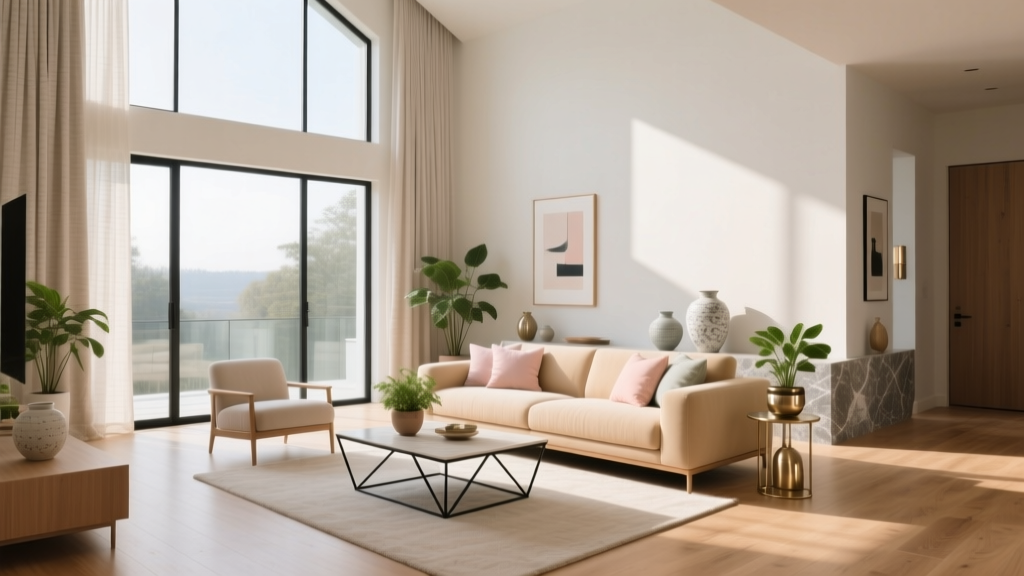
Bedroom Lighting to Reduce Fall Risk at Night
Why Lighting Is the #1 Fall Prevention Tool
Falls are the leading cause of injury for adults over 65, and most nighttime falls happen in the bedroom or on the path to the bathroom. The culprit is almost always poor lighting—groping for a switch in the dark, misjudging a step, or being temporarily blinded by an overhead light. Thoughtful lighting design eliminates these risks while preserving the calm atmosphere a bedroom needs.
The Three-Layer Bedroom Lighting Plan
Layer 1: Ambient (General) Lighting
Your main ceiling light should be dimmable and warm (2700K-3000K color temperature). Cool white or daylight bulbs (4000K+) disrupt melatonin production and make it harder to fall back asleep after a nighttime bathroom trip. Use a dimmer switch beside the bed so you never need to cross the room to adjust lighting.
Layer 2: Path Lighting
This is the critical safety layer. Install motion-activated LED strip lights along the baseboard from the bed to the bathroom door. These activate when feet hit the floor, illuminating the path without requiring a switch. Choose warm amber LEDs (2200K) that provide visibility without waking you fully. Battery-powered options work well if hardwiring isn't feasible.
Layer 3: Task Lighting
Bedside lamps with adjustable arms let each person read without disturbing their partner. Choose lamps with easy-grip switches (toggle or touch, not small rotary knobs) that are manageable with arthritic hands. A small, focused light on the closet interior helps with dressing without requiring full room illumination.
Motion-Activated Solutions
- Under-bed sensors: LED strips that activate when you swing your legs out of bed—no reaching for switches
- Bathroom threshold light: A small motion-sensor light at the bathroom door marks the transition point clearly
- Smart plug timers: Set a bedside lamp to turn on automatically at bedtime and off after 30 minutes
Switch Placement Matters More Than You Think
Every light source should be reachable from the bed or from the room entrance. Install a three-way switch system so lights can be controlled from both the bed and the door. Consider rocker switches instead of toggle switches—they're easier to operate with limited hand strength and can be found by touch in the dark thanks to their larger surface area.
Nightlight Placement Guide
If motion sensors feel like overkill, strategic nightlight placement works well. Place one at the bedroom door frame (marks the exit), one in the hallway midpoint, and one at the bathroom entrance. Choose amber or red-spectrum nightlights—these wavelengths have the least impact on night vision and sleep cycles. Avoid white or blue nightlights, which suppress melatonin.
Good bedroom lighting for aging in place doesn't look clinical. Modern LED strips and smart bulbs let you create a warm, inviting space that happens to be dramatically safer after dark.
More Articles
 Safer Bedrooms in 2026: Evidence-Based Safety Tips
 Natural Bedroom Materials: Stylish Ideas for 2026
 Room Kitchen Essentials: Human-Centered Compact Design 2026
 Bedroom Trends 2026: Smart & Sustainable Upgrades
 Cool Summer Bedroom: Sleep Better in Heat (2026)
 Bedroom Upholstered Headboard Trends - The Decor Mag
 How to Create a Bedroom That Feels Serene - The Decor Mag
 Bedroom Reeded Glass Wardrobe Doors - The Decor Mag
 Outdoor vs. Premium Bedding: 2026 Comfort & Climate Test
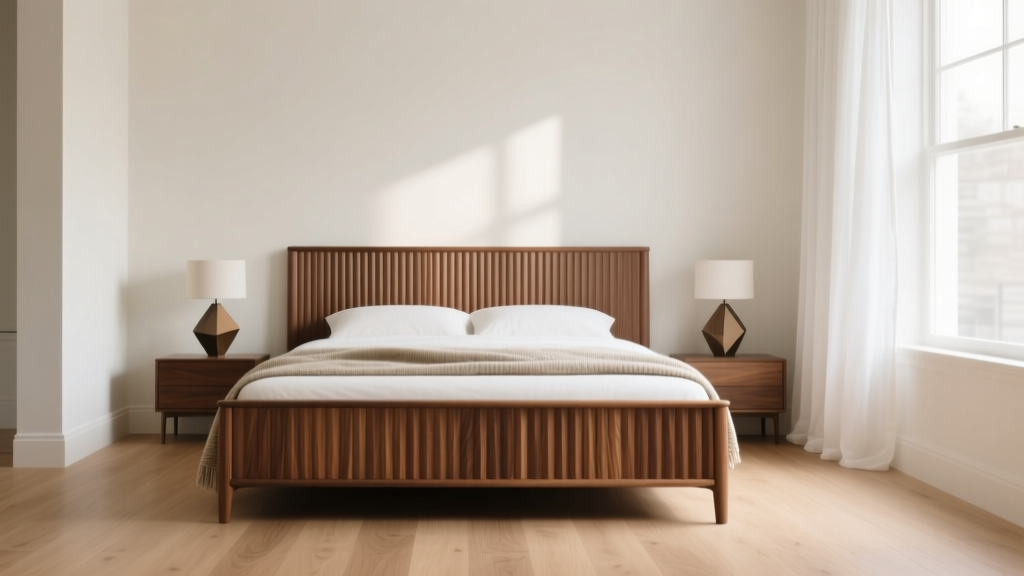 Bedroom Fluted Wood Bed Frame Trend - The Decor Mag