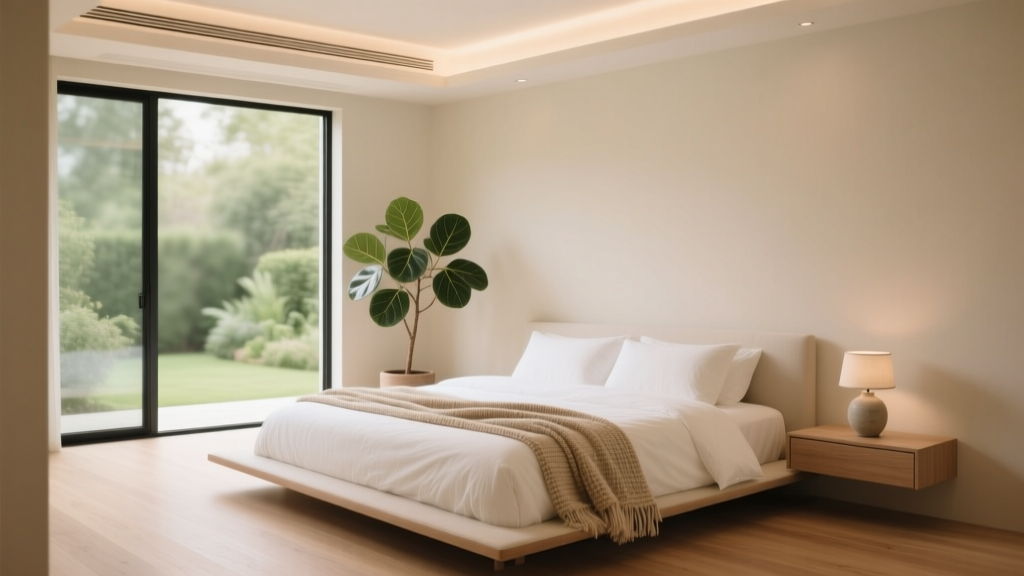
How to Create a Bedroom That Feels Serene - The Decor Mag
A serene bedroom isn’t just a style preference—it’s a sleep strategy. The way your bedroom looks, sounds, feels, and even smells directly affects how quickly you fall asleep, how often you wake during the night, and how restored you feel in the morning. When your space is visually busy or physically uncomfortable, your nervous system stays on alert. When it’s calm, supportive, and thoughtfully arranged, your body gets the signal that it’s safe to power down.
Homeowners and renters alike can shape a soothing sleep environment without a full renovation. A serene bedroom comes from a handful of high-impact choices: softer lighting, breathable bedding, a clutter-free layout, noise control, and colors that quiet the mind. Think of it as designing a room that actively helps you rest—rather than one that simply looks good in daylight.
Below, you’ll find practical, budget-aware bedroom design ideas and sleep wellness tips you can apply right away—whether you’re starting from scratch or refining what you already have.
Start With the Goal: A Bedroom Designed for Sleep
Serenity is a mix of sensory comfort and visual simplicity. Before shopping or rearranging, set a clear intention: this room is primarily for sleep, recovery, and calm. That mindset makes decision-making easier—especially when you’re tempted by decor that looks trendy but disrupts rest.
A quick “serene bedroom” checklist
- Comfort: supportive mattress, breathable bedding, stable temperature
- Calm visuals: cohesive color palette, limited patterns, tidy surfaces
- Soft lighting: warm bulbs, layered lighting, minimal glare
- Quiet: textiles, rugs, or sound solutions to reduce echo and noise
- Ease: layout that flows, nightstand storage, charging away from the pillow
Choose a Calming Color Palette (Without Making It Boring)
Color is one of the fastest ways to shift the mood of a bedroom. For a sleep-friendly bedroom design, aim for low-contrast, muted tones that don’t overstimulate the brain at night.
Serene bedroom colors that work well
- Soft neutrals: warm white, oatmeal, greige, pale taupe
- Dusty cool tones: muted blue, soft sage, gray-green
- Gentle earth tones: clay, sand, warm beige, mushroom
Practical paint tips (and renter-friendly options)
- Use a matte or eggshell finish to reduce glare and create a velvety look.
- Keep contrast low: match trim to wall color or choose a softer white for trim.
- Renters: try peel-and-stick wallpaper in a subtle texture, or use removable wall decals in calming shapes. A large tapestry or fabric wall hanging can also soften the room visually.
Budget ranges: Paint typically runs $35–$80 per gallon (plus supplies), while quality peel-and-stick wallpaper is often $40–$120 per roll.
Get the Bed Right: Mattress, Bedding, and Layering for Calm
If you change only one thing, make it your bed. A serene bedroom starts with a sleep surface that supports your body and regulates temperature. Your bedding choices also affect your sensory experience—scratchy textures and heat-trapping fabrics can make it harder to relax.
Mattress and foundation basics
- Support first: choose a mattress that keeps your spine neutral (firmness depends on body type and sleep position).
- Stability matters: a squeaky frame or weak slats can disrupt sleep with micro-awakenings.
- Motion control: if you share a bed, consider materials known for motion isolation (memory foam or hybrid designs).
Budget ranges: Reliable mattresses often fall between $700–$2,000, with excellent options in the $900–$1,500 range. Platform beds typically range $200–$900, depending on materials.
Best bedding materials for a serene sleep environment
- Cotton percale: crisp, breathable, ideal for warm sleepers
- Cotton sateen: smoother, slightly warmer, drapes beautifully
- European flax linen: airy, relaxed texture, great for temperature swings
- TENCEL™ Lyocell: soft, moisture-wicking, helpful for hot sleepers
- Wool or down alternative duvet inserts: wool helps with thermoregulation; down alternative can be easier for allergies
Budget ranges: Sheet sets: $60–$250. Duvet inserts: $80–$350. Linen sets often start around $180–$400.
Layering that looks calm (and feels comforting)
- Start with fitted + flat sheet in a solid or very subtle pattern.
- Add a lightweight quilt or coverlet for a smooth, tailored look.
- Top with a duvet in a neutral shade—white, cream, sand, or soft gray.
- Finish with one throw in a natural fiber (cotton, linen, wool) folded neatly at the foot.
For pillows, keep it simple: two sleeping pillows plus one or two supportive accents. Too many decorative pillows can create visual clutter and nightly annoyance.
Arrange Furniture for Ease, Flow, and Quiet
Serenity often comes down to layout. A bedroom can be beautifully decorated yet feel restless if the furniture placement creates tight pathways, awkward corners, or a sense of crowding.
Layout recommendations that feel naturally calming
- Give the bed breathing room: aim for 24–36 inches of clearance on each side when possible.
- Anchor the bed: place the headboard on a solid wall for a grounded feel, away from direct drafts.
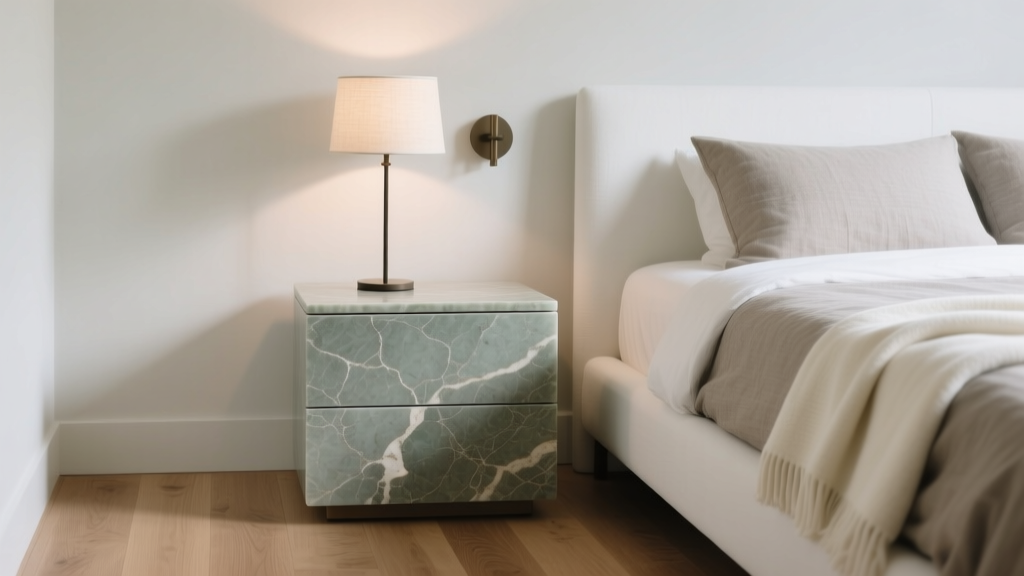
- Use matching or visually balanced nightstands: symmetry reduces visual “noise.”
- Choose closed storage: dressers with drawers and nightstands with doors hide clutter and create calm surfaces.
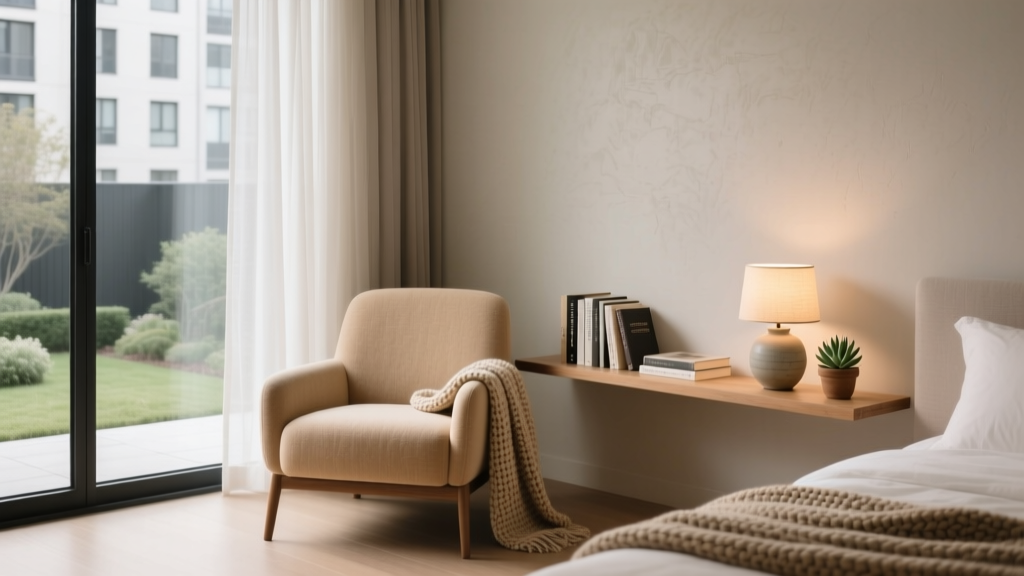
- Float a chair if you have space: a small reading corner makes the room feel like a retreat, not just a sleeping zone.
Budget ranges: Nightstands: $80–$300 each. Dressers: $250–$1,200. Upholstered chair: $150–$600.
Serene furniture materials and finishes
- Natural woods: oak, ash, walnut (matte or satin finishes feel softer than high-gloss)
- Upholstered headboards: linen-blend, performance fabric, or bouclé for sound-softening texture
- Low-sheen hardware: brushed nickel, antique brass, blackened bronze
Lighting That Signals “It’s Time to Rest”
Lighting is one of the most overlooked elements of bedroom decor, yet it has a powerful relationship to sleep quality. Bright, cool-toned light in the evening can delay melatonin release and make it harder to wind down. A serene bedroom uses layered, warm lighting to support your natural circadian rhythm.
Use three layers of light
- Ambient: ceiling fixture or a soft flush-mount (use a dimmer if possible)
- Task: bedside lamps or wall sconces for reading
- Accent: a small lamp on a dresser, or subtle LED lighting behind a headboard
Bulb guidance for a sleep-friendly bedroom
- Color temperature: choose 2200K–2700K for evening warmth
- Dimming: add dimmable bulbs or plug-in dimmers to reduce brightness at night
- Avoid glare: use lamp shades that diffuse light rather than clear glass that exposes the bulb
Budget ranges: Quality bedside lamps: $40–$200. Plug-in dimmers: $15–$40. Hardwired dimmers installed: often $75–$250+ depending on your electrician and setup.
Soften Sound and Improve Air for True Bedroom Serenity
A serene bedroom feels quiet and fresh. Even small disruptions—street noise, a humming appliance, stale air—can fragment sleep and reduce deep rest.
Sound-softening decor ideas
- Area rug: especially helpful in apartments with hard flooring
- Full-length curtains: choose lined curtains to dampen sound and block light
- Upholstery and textiles: fabric headboards, throws, and cushions reduce echo
- White noise: a dedicated sound machine can mask inconsistent noise better than a phone
Budget ranges: Rug: $100–$600 (more for wool). Curtains: $40–$250 per panel. White noise machine: $25–$80.
Air quality and temperature tips that support sleep
- Keep it cool: many sleepers rest best around 60–67°F (15–19°C).
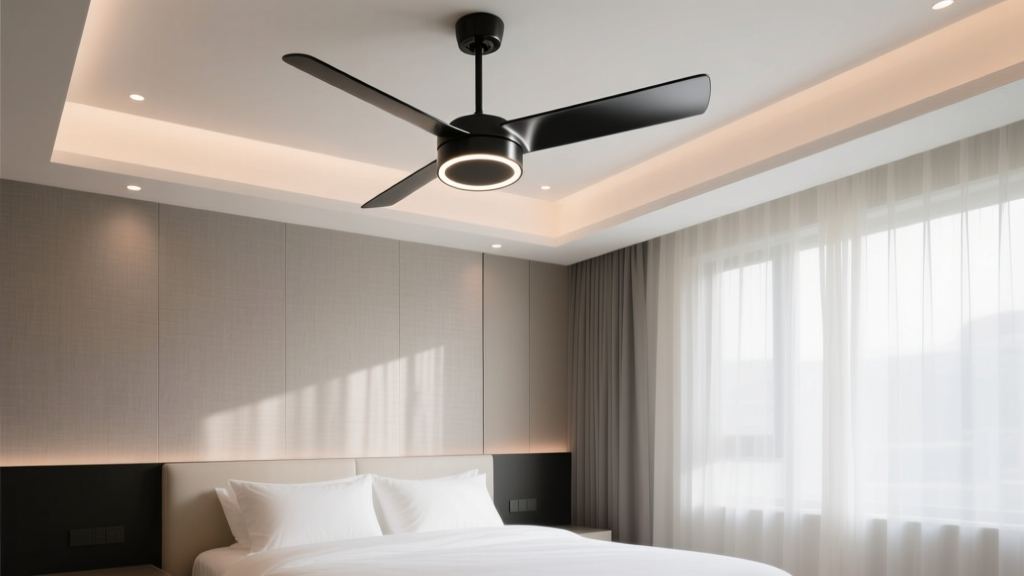
- Improve airflow: a quiet fan, cracked window, or air purifier can make the room feel lighter.
- Choose low-VOC paint and avoid heavy synthetic fragrances that can irritate airways.
Budget ranges: Quiet fan: $30–$200. Air purifier: $80–$300.
Create Visual Calm: Clutter Control and Simple Styling
Clutter is a form of visual stimulation. When surfaces are crowded, your brain keeps scanning. A serene bedroom keeps only what supports rest and daily routines.
What to keep on the nightstand
- A warm, shaded lamp
- A small tray (to corral items and reduce visual mess)
- A book or journal
- Water in a lidded cup or carafe
Easy clutter solutions for renters and homeowners
- Under-bed storage: lidded bins or drawers to hide off-season items
- Drawer organizers: reduce “junk drawer” chaos
- Closet upgrades: slim velvet hangers, shelf dividers, and a laundry sorter
- Cord management: mount a power strip to the nightstand’s back leg and use cable clips
Budget ranges: Storage bins: $20–$80. Drawer organizers: $10–$40. Cord solutions: $10–$30.
Serene Decor Choices: Texture, Art, and Nature Without Overdoing It
The best serene bedroom decor is restrained: a few tactile materials, one or two meaningful art pieces, and a gentle nod to nature.
Textures that feel soothing
- Natural fibers: linen, cotton, wool, jute
- Soft upholstery: boucle, brushed cotton, velvet (used sparingly)
- Matte ceramics and stone: add weight and calm presence
Art and decor guidelines
- Choose restful imagery: landscapes, abstracts with soft movement, simple line art
- Scale matters: one larger piece often feels calmer than a cluster of many small items
- Limit “loud” decor: high-contrast patterns and neon colors can feel energizing rather than soothing
Plants: helpful, but keep them low-maintenance
A small plant can soften a room and improve perceived air freshness. If you’re sensitive to pollen or mold, skip plants or choose easy varieties and avoid overwatering.
- Good options: snake plant, pothos, ZZ plant
- Placement: near a window, away from bedding to reduce falling soil or leaf debris
Wellness Habits That Pair With a Serene Bedroom Design
Your bedroom setup and your routines work together. A calming space makes healthy habits easier to keep—especially in the hour before bed.
Simple bedtime rituals that suit a serene space
- Dim the lights 60–90 minutes before sleep.
- Lower the temperature slightly at night if possible.
- Keep screens out of reach (charge your phone across the room or outside the bedroom).
- Use gentle scent cues (lavender, chamomile, or unscented if you’re sensitive). Avoid overpowering diffusers.
- Try a “mind downshift” tool: light reading, stretching, or a short breathing practice.
Common Mistakes That Make a Bedroom Feel Less Serene
- Over-lighting with cool bulbs: bright 4000K–6500K lighting can feel harsh at night.
- Too many patterns and high contrast: visually stimulating decor can keep the mind alert.
- Ignoring window treatments: unwanted light and noise interfere with sleep quality.
- Clutter “hot spots”: piles on the chair, overflowing nightstands, and open shelving full of small items.
- Buying decor before comfort: prioritize mattress, pillows, and breathable bedding before accents.
- Tech overload: TVs, glowing chargers, and notification lights create visual and mental stimulation.
FAQ: Serene Bedroom Design and Sleep Environment
What is the best color for a serene bedroom?
Muted, low-contrast colors tend to feel most restful—soft whites, warm neutrals, pale taupe, dusty blues, and gentle sage greens. Choose a tone that feels calming in both daylight and lamplight.
How can I make my bedroom feel serene on a budget?
Focus on the highest-impact upgrades first: warm light bulbs (2200K–2700K), simple curtains, decluttering surfaces, and breathable bedding. Even a $100–$300 refresh can transform the mood with better lighting and textiles.
What lighting is best for sleep?
Warm, dimmable lighting is most sleep-friendly. Use shaded bedside lamps or sconces with bulbs around 2200K–2700K, and avoid bright overhead lighting in the hour before bed.
How do I reduce noise in a bedroom (especially in an apartment)?
Layer textiles: an area rug, lined curtains, and upholstered pieces help dampen sound. A white noise machine can mask inconsistent outside noise better than earbuds or a phone app.
Do bedroom plants improve sleep?
Plants can make a room feel calmer and fresher, which supports relaxation. If you have allergies or tend to overwater, choose low-maintenance plants and keep them away from the bed—or skip them and use nature-inspired art instead.
What’s the quickest way to make a bedroom feel more relaxing tonight?
Clear the nightstand, dim the lighting, remove laundry piles, and make the bed with smooth layers. Small visual changes paired with softer light can shift the room’s feel immediately.
Next Steps: Build Your Serene Bedroom One Layer at a Time
Start with the essentials that directly affect sleep quality: supportive mattress comfort, breathable bedding, warm lighting, and a layout that feels easy to move through. Then refine with calming colors, sound-softening textiles, and simple decor that doesn’t demand attention. Serenity isn’t about perfection—it’s about creating a bedroom environment that helps your body unwind night after night.
If you’re ready for more bedroom design ideas, soothing color palettes, and sleep-friendly decor inspiration, explore more guides and room refresh tips on thedecormag.com.
More Articles
 Bedroom Rattan Furniture Trends - The Decor Mag
 Bedroom Curved Mirror Above Bed Idea - The Decor Mag
 Handmade Ceramics in Bedrooms (2026)
 Bedroom Natural Stone Nightstand Top - The Decor Mag
 Reading Corner in Bedroom: Decor Ideas (2026)
 Bedroom Window Seat Design Ideas - The Decor Mag
 Best Bedroom Ceiling Fan Options - The Decor Mag
 Scandinavian Bedroom Design Essentials - The Decor Mag
 Natural Bedroom Materials: Stylish Ideas for 2026
 How to Create a Calming Bedroom Retreat - The Decor Mag