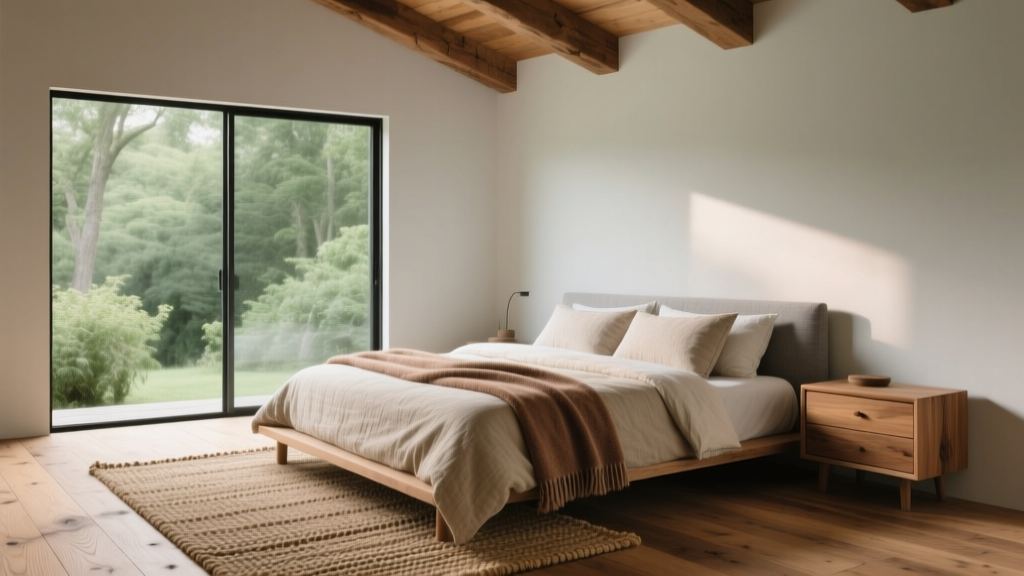
Natural Bedroom Materials: Stylish Ideas for 2026
A bedroom that supports deep rest rarely happens by accident. The textures you touch, the air you breathe, and the visual “noise” your eyes process all shape how quickly you unwind at night. Natural materials—wood, linen, cotton, wool, rattan, stone, clay—tend to calm a space because they feel familiar, grounded, and softly imperfect. They also reduce the slick, reflective surfaces that can make a room feel overstimulating and less cozy.
There’s also a practical sleep connection. Many natural fibers breathe better than synthetics, which can help regulate temperature and reduce night sweats. Low-odor, low-chemical finishes can make the sleep environment feel fresher—especially helpful for sensitive sleepers. When you combine natural textures with a thoughtful bedroom layout, soothing colors, and layered lighting, you create a sleep-friendly bedroom design that supports relaxation from the moment you walk in.
This guide shares realistic ways homeowners and renters can bring natural materials into bedroom decor—without turning the room into a cabin theme or blowing the budget. You’ll find material recommendations, specific product types, price ranges, and wellness tips to improve your sleep environment.
What “Natural Materials” Really Means (and What to Look For)
Natural materials can be fully natural (solid wood, linen) or mostly natural with some performance features (cotton-linen blends, wool rugs with a cotton backing). The goal is to prioritize materials that look and feel soothing, age well, and support comfort.
Best natural materials for a sleep-friendly bedroom
- Solid wood (oak, maple, walnut, ash, pine): warm, durable, grounding visual weight.
- Bamboo: often used for shades, flooring, or textiles; check the manufacturing details.
- Linen: breathable bedding with a relaxed texture that softens over time.
- Organic cotton: crisp or smooth, ideal for sheets and duvet covers.
- Wool: excellent for rugs and blankets; naturally temperature regulating.
- Jute/sisal/seagrass: natural fiber rugs and baskets; best for low-dust, low-humidity spaces.
- Rattan/cane: lightweight texture for headboards, nightstands, and accents.
- Clay/ceramic: lamps, vases, and small decor that add matte softness.
- Stone (travertine, marble, slate): best in small doses—trays, lamp bases, or hardware.
Healthy finish and material cues to prioritize
- Low-VOC paints and finishes for better bedroom air quality.
- Solid wood or real wood veneer over mystery composites when possible.
- OEKO-TEX or GOTS certifications for bedding and textiles when budget allows.
- Water-based sealants or natural oils (like hardwax oil) for wood furniture.
Quick reality check: “Natural” doesn’t automatically mean non-toxic, and “organic” doesn’t automatically mean high quality. If you’re sensitive to smells, prioritize low-odor finishes, wash textiles before use, and air out new items for a few days.
Start With the Big Pieces: Bed Frame, Headboard, and Nightstands
The bed is the visual anchor of bedroom design. Choosing natural materials here sets the tone quickly—then everything else can be layered in.
Wood bed frames: the easiest win
A simple wood bed frame adds warmth, reduces visual clutter, and pairs with almost any decor style (modern, coastal, minimalist, traditional).
- Best woods for longevity: oak, maple, walnut.
- Budget-friendly woods: pine, rubberwood (often stable and affordable).
- Look for: solid slats, sturdy center support, and a finish that doesn’t smell strongly.
Typical budget ranges:
- $200–$500: basic pine/rubberwood frames, simple platform beds.
- $500–$1,200: solid hardwood options, better joinery, quieter construction.
- $1,200–$2,500+: heirloom hardwood, custom sizing, premium finishes.
Rattan or cane headboards for texture (without heaviness)
If your bedroom feels flat, a cane or rattan headboard brings depth while keeping the room light and breathable—helpful for small bedrooms and renters.
- Style tip: balance woven texture with smooth bedding (percale cotton or linen).
- Sleep tip: if you read in bed, consider a padded insert or add lumbar pillows for comfortable support.
Nightstands: natural wood, cork, or woven storage
Nightstands affect both function and sleep hygiene. Clutter increases mental stimulation; closed storage helps the room feel calmer.
- Best choices: wood nightstands with a drawer; cork-top surfaces for softness; rattan-front drawers for texture.
- Budget swap: a small solid-wood stool or a wall-mounted shelf (great for narrow rooms).
Natural Bedding and Textiles: Comfort You Can Feel
Textiles are where natural materials have the biggest sleep payoff. Breathability and temperature regulation influence how often you wake during the night.
Sheets: cotton percale, sateen, or linen
- Hot sleepers: cotton percale (crisp, airy) or linen (excellent airflow).
- Cool sleepers: cotton sateen (smoother, slightly warmer) plus a wool or cotton blanket.
- Sensitive skin: look for long-staple cotton and fragrance-free laundry routines.
Budget ranges for sheet sets (Queen):
- $50–$100: quality cotton blends, basic percale.
- $100–$220: 100% cotton percale/sateen, many OEKO-TEX options.
- $220–$400+: linen sets, organic cotton (GOTS), premium long-staple cotton.
Layering for a calmer sleep environment
A natural-material layering strategy helps you adjust to temperature shifts without overheating.
- Base: breathable fitted sheet (percale cotton or linen).
- Mid-layer: cotton blanket or lightweight wool blanket.
- Top: duvet with a cotton shell; choose fill based on climate (down, wool, or quality down-alternative).
- Finish: linen or cotton duvet cover for a soft, matte look.
Rugs: wool for comfort, jute for texture (with caveats)
- Best for bedrooms: wool rugs—soft underfoot, quieter acoustics, naturally insulating.
- Jute/sisal: beautiful texture, but can feel scratchy and may shed; avoid if you sit on the floor often or have allergies.
- Size tip: for a queen bed, aim for an 8' x 10' rug (or two runners on each side) to avoid cold feet.
Lighting With Natural Materials: Softer Light, Better Wind-Down
Lighting is one of the most overlooked parts of bedroom decor and sleep quality. Natural materials help diffuse light and reduce glare, supporting your evening routine.
Choose warm, dimmable lighting
- Bulb color temperature: 2200K–2700K for a warm, sunset-like glow.
- Best feature: dimmers (plug-in dimmers for renters) to reduce brightness before bed.
- Placement: two bedside lamps or sconces create symmetry and visual calm.
Natural material lighting ideas
- Linen or cotton lampshades: soften harsh bulbs; great on ceramic or wood lamp bases.
- Rattan or woven pendants: add texture; use a diffuser to avoid patterned shadows that feel busy.
- Paper lantern-style shades: budget-friendly, lightweight, and surprisingly soothing.
- Wood or ceramic lamps: matte surfaces reduce glare and feel grounded.
Budget ranges: $20–$60 for upgraded shades, $50–$150 for table lamps, $120–$350+ for pendants and quality sconces.
Color and Layout: Let Natural Materials Set the Mood
Natural materials look best when the palette is quiet and the layout supports easy movement. A restful bedroom design prioritizes simplicity.
Sleep-friendly color palette ideas
- Warm neutrals: cream, oatmeal, sand, mushroom—pair beautifully with oak, rattan, and linen.
- Earth tones: clay, terracotta, soft olive, muted taupe—grounding without feeling dark.
- Cool calm tones: misty blue-gray, soft sage—work well with light wood and white bedding.
Layout tips that support relaxation
- Prioritize clear pathways: at least 24"–30" of walking space on main routes.
- Reduce visual clutter: choose closed storage in natural wood, woven baskets, or fabric bins.
- Keep work out of sight: if you must have a desk, use a folding screen, curtain, or lidded storage to visually “close” it at night.
- Anchor the bed: place the bed on the longest uninterrupted wall when possible for a settled feel.
Natural Decor Accents That Don’t Overwhelm
Accents should feel like a gentle layer, not a theme. A few well-chosen natural elements go further than a room full of accessories.
Easy, high-impact natural accents
- Woven baskets: laundry, extra throws, or book storage (budget: $20–$80).
- Ceramic trays: corral bedside items for a tidy nightstand (budget: $15–$60).
- Wood picture frames: warmer than metal; keep art calming and minimal (budget: $10–$40 each).
- Stone or wood hardware: swap dresser pulls for a subtle upgrade (budget: $3–$15 per pull).
- Plants (real or high-quality faux): add life and soften corners; choose low-fragrance options if sensitive.
A simple “rule of three” styling formula
- One soft item: linen runner, wool throw, cotton shade.
- One grounded item: wood, stone, or ceramic base.
- One living element: plant or a small bowl of dried branches (kept dust-free).
Wellness Tips: Make Natural Materials Work Harder for Sleep
Natural decor is most effective when paired with a healthy sleep environment: clean air, comfortable temperature, reduced noise, and low light at night.
- Control temperature: aim for a cool room (many sleepers prefer around 60–67°F). Use breathable natural bedding to avoid overheating.
- Improve air quality: ventilate daily for 5–10 minutes. If you use an air purifier, run it on a low setting at night for quiet filtration.
- Quiet the room: wool rugs, linen curtains, and upholstered elements absorb sound better than hard synthetic surfaces.
- Choose blackout or lined curtains: cotton or linen drapes with a blackout liner can look natural while supporting melatonin-friendly darkness.
- Minimize scent overload: skip heavily fragranced sprays. If you like scent, use subtle options and avoid anything that triggers headaches or congestion.
Common Mistakes to Avoid When Decorating With Natural Materials
- Going too rough on touch-points: jute rugs can scratch; unfinished wood can snag. Keep touch areas soft (bedding, bedside rugs).
- Buying “natural-looking” synthetics that trap heat: some polyester velvet or microfiber bedding can sleep hot. Prioritize cotton, linen, and wool where it matters.
- Mixing too many textures at once: rattan + jute + chunky knit + heavy wood can feel visually loud. Choose 2–3 hero textures and repeat them.
- Ignoring lighting: even perfect natural materials won’t feel restful under bright, cool bulbs. Warm, dimmable lighting is essential for a calming bedroom.
- Overcrowding with decor: too many baskets, plants, and objects collect dust and increase clutter. Edit down for better sleep hygiene.
- Not measuring for rug and furniture scale: a too-small rug or oversized nightstands disrupt balance and can make the room feel stressful.
FAQ: Natural Materials in Bedroom Design
Do natural materials actually help sleep quality?
They can. Natural fibers like cotton, linen, and wool tend to breathe better than many synthetics, supporting temperature regulation and comfort. Natural textures also reduce glare and visual harshness, which can make it easier to relax during a bedtime routine.
What are the best natural materials for a small bedroom?
Light woods (oak, ash, maple), rattan/cane accents, linen bedding, and cotton curtains work well because they add warmth without visual heaviness. Pair them with a soft neutral palette to keep the room open and calm.
How can renters add natural materials without major renovations?
Focus on removable upgrades: linen or cotton bedding, a wool or cotton rug, plug-in wall sconces, woven baskets, and a wood-toned side table. Swapping lamp shades to linen and using warm bulbs also changes the mood quickly.
Is jute a good idea for bedrooms?
Sometimes. Jute adds great natural texture, but it can feel scratchy and may shed. If you want the look with more comfort, consider a wool rug or a wool-jute blend, or layer a smaller soft wool rug near the bed.
What’s the most budget-friendly natural-material upgrade with the biggest impact?
Bedding and lighting. A cotton percale sheet set or a linen-blend duvet cover paired with warm, dimmable bulbs and a linen shade can make the bedroom feel significantly more restful for $80–$200, depending on what you choose.
How do I keep a natural-material bedroom from feeling too rustic?
Use cleaner lines and limit “knotty” or heavily distressed wood. Pair natural textures with simple silhouettes, matte black or brushed nickel accents, and a restrained color palette (cream, taupe, soft sage, warm gray).
Next Steps: A Simple Plan You Can Do This Weekend
- Pick one hero natural material: wood (bed frame), linen (bedding), or wool (rug).
- Upgrade light quality: switch to 2200K–2700K bulbs and add a dimmer or softer shade.
- Refine the palette: choose 2–3 calming colors that complement your wood tone and textiles.
- Edit the nightstand: keep only sleep-supporting essentials (lamp, book, water, charging in a drawer or basket).
- Add one grounding accent: a ceramic lamp, woven basket, or wood tray to bring gentle texture.
If you’d like more calming bedroom ideas, sleep-friendly decor guides, and practical styling tips, explore the bedroom archives on thedecormag.com.
More Articles
 How To Clean Actually: A Bedroom Comfort Specialist’s No-Nonsense, Science-Backed Protocol
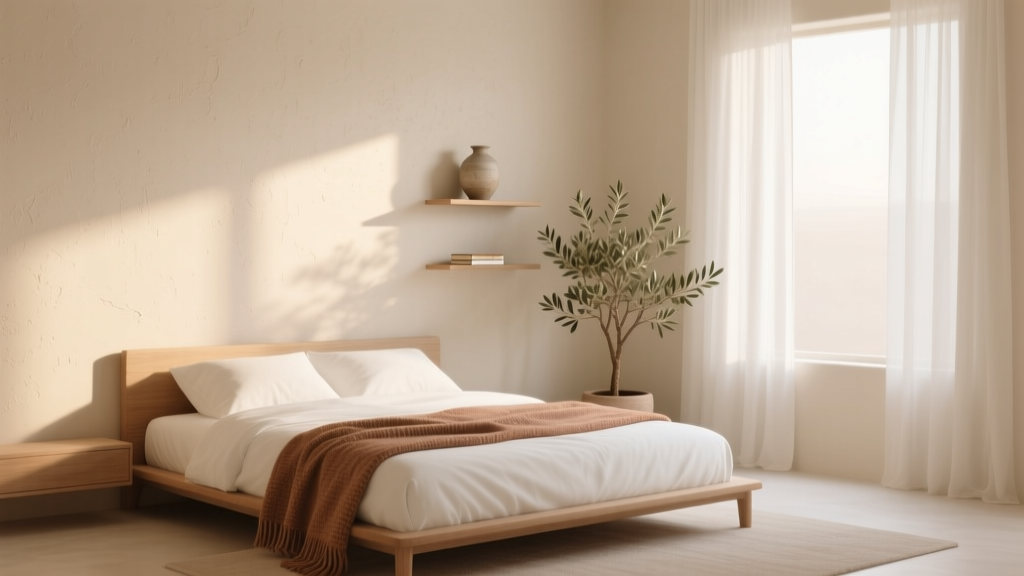 Bedroom Warm Limewash Bedroom Walls - The Decor Mag
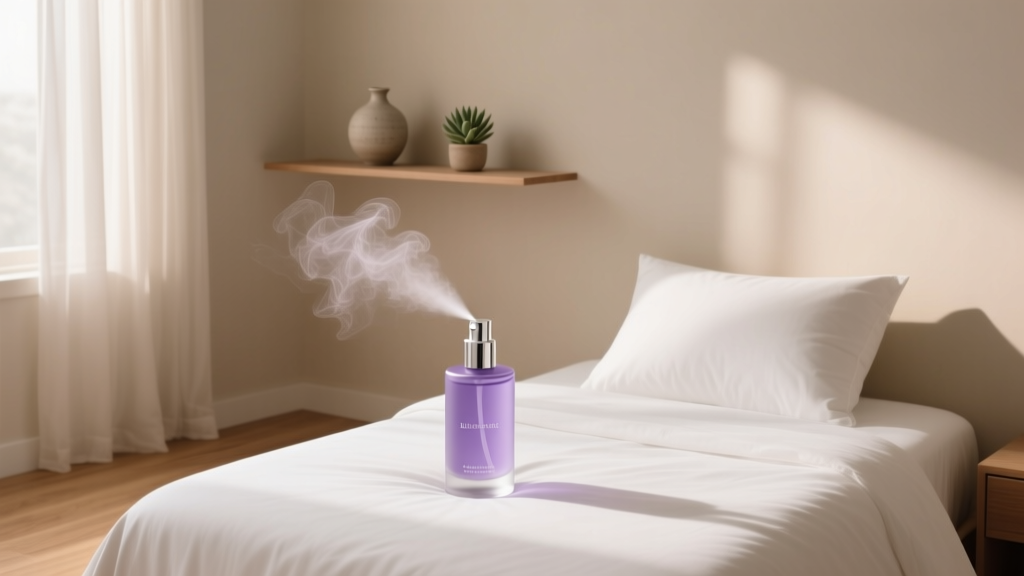 Best Bedroom Lavender Pillow Spray - The Decor Mag
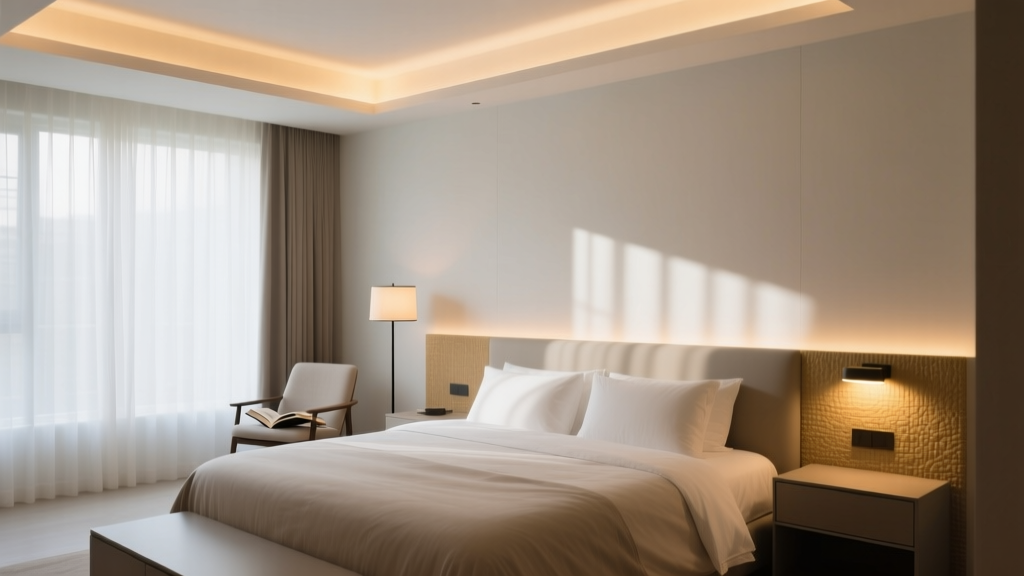 How to Layer Bedroom Lighting - The Decor Mag
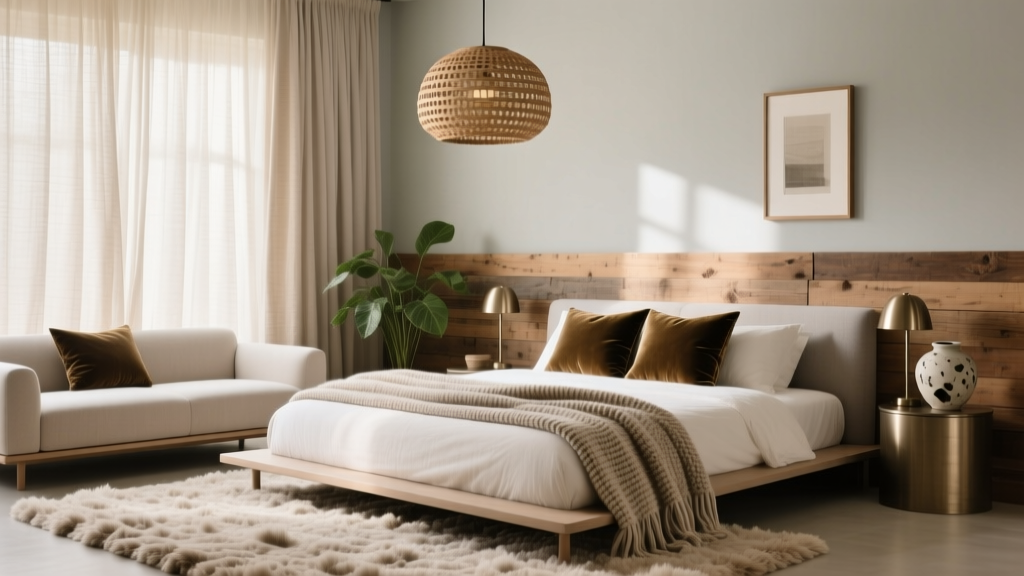 How to Incorporate Texture in Bedroom Decor - The Decor Mag
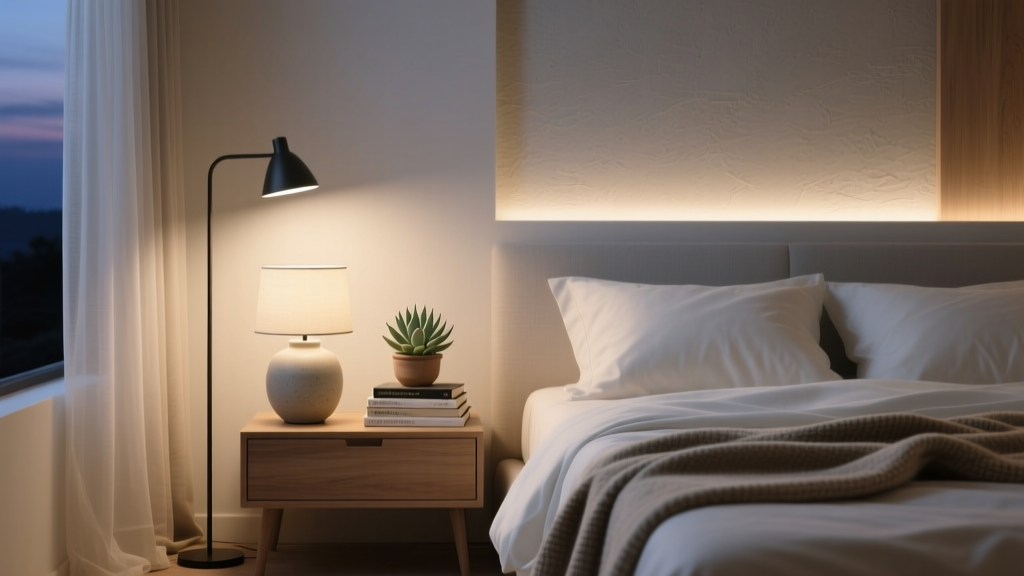 Best Bedroom Nighttime Routine Essentials - The Decor Mag
 Bedroom Organic Cotton Bedding Guide - The Decor Mag
 Best Bedroom Shoe Storage Solutions - The Decor Mag
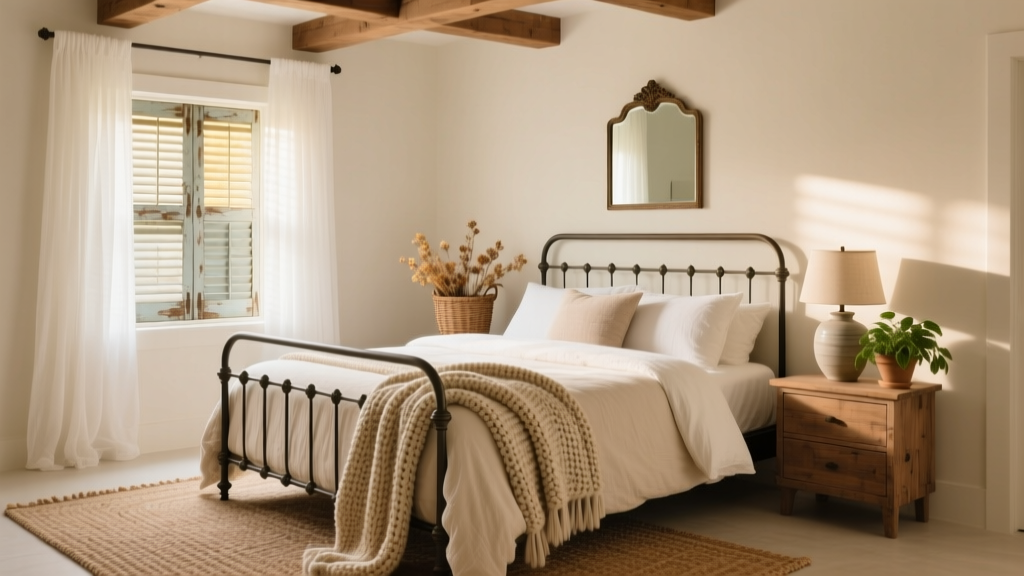 Cozy Farmhouse Bedroom Decor Inspiration - The Decor Mag
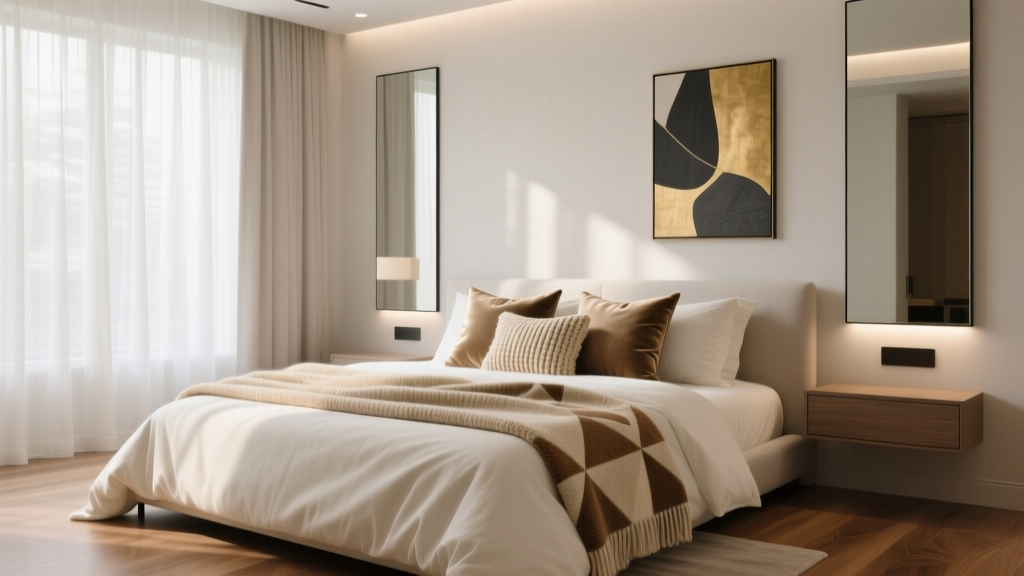 How to Style a Bedroom with Layered Textiles - The Decor Mag