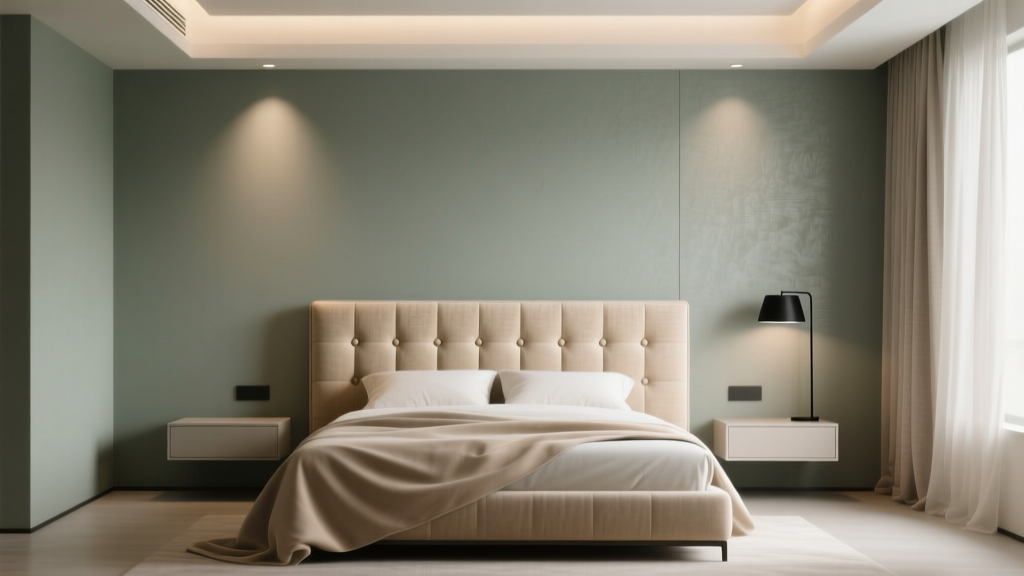
Bedroom Upholstered Headboard Trends - The Decor Mag
A bedroom can look beautiful and still feel “off” for sleep. Often, the missing piece is comfort at eye level—the place you rest against while reading, winding down, or easing into the morning. Upholstered headboards have become a standout trend because they add softness, reduce visual harshness, and help a bedroom feel quieter and more cocooning—three qualities that support better rest.
Beyond style, the right upholstered headboard can improve how you use the room. It creates a comfortable backrest, anchors the bed so the layout feels stable, and introduces tactile materials that make a sleep environment feel warm rather than stark. When the headboard is thoughtfully chosen—paired with calming colors, gentle lighting, and breathable bedding—it becomes part of a sleep-friendly bedroom design that supports relaxation and wellbeing.
This guide covers the most current upholstered headboard trends, practical ways to choose one for your space and budget, and sleep wellness considerations that help your bedroom feel as good as it looks.
Why Upholstered Headboards Are Trending (and How They Support Sleep)
Upholstered headboards are showing up everywhere—from cozy rentals to high-end primary suites—because they solve multiple design problems at once:
- Softness and comfort: A padded surface is more comfortable for reading or journaling in bed than wood or metal.
- A more calming visual field: Fabric and padding reduce sharp lines, which can make a bedroom feel more restful.
- Sound-softening effect: Upholstery can slightly dampen echoes in a bedroom, especially helpful in minimal rooms with hard surfaces.
- Instant “finished” look: A headboard visually anchors the bed and makes the space feel intentional—helpful for both homeowners and renters.
Sleep tip: If your bedroom has lots of reflective surfaces (hard floors, bare walls, minimal textiles), adding an upholstered headboard plus a rug and curtains can make the room feel quieter and more settled at night.
Top Upholstered Headboard Trends Right Now
1) Channel-Tufted and Vertical Fluting
Channel-tufted headboards—especially with vertical fluting—are a leading trend in bedroom decor. They add height and subtle structure without feeling busy.
- Best for: Modern, transitional, and hotel-inspired bedroom design
- Look for: Deep channels (1–2 inches) for a richer texture
- Sleep-friendly bonus: Vertical lines draw the eye upward, making a room feel more spacious and less cluttered—helpful for mental calm.
Budget range: $200–$600 for standard sizes; $700–$1,500 for designer or extra-tall versions.
2) Curved, Scalloped, and Soft-Arch Silhouettes
Curves are having a moment because they soften a room instantly. A scalloped or arched upholstered headboard brings a gentle, romantic shape without requiring bold color or pattern.
- Best for: Small bedrooms that need a lighter visual footprint
- Pair with: Rounded bedside lamps, oval mirrors, or a soft-edged bench
- Wellness angle: Rounded shapes feel less “alerting” than sharp angles, supporting a calmer pre-sleep atmosphere.
Budget range: $250–$900 depending on fabric and size.
3) Extra-Tall, Wall-Anchored “Statement” Headboards
Oversized upholstered headboards—sometimes extending to 60–72 inches tall—create a luxe, cocoon-like backdrop. Some are installed directly to the wall for a built-in look.
- Best for: Rooms with high ceilings or large wall space behind the bed
- Design tip: Keep bedding simple (solid duvet + textured throw) so the headboard remains the focal point.
- Sleep-friendly note: A large upholstered surface can make the bed area feel more enclosed and safe—particularly soothing for light sleepers.
Budget range: $500–$2,500+ depending on customization and installation.
4) Performance Fabrics: Bouclé, Velvet, Linen Blends
Fabric choice is where trend meets practicality. Today’s most popular upholstered headboard materials balance texture and durability.
- Bouclé: Cozy, nubby texture; creates a warm, modern feel. Best in low-traffic bedrooms and adult spaces.
- Velvet (performance velvet if possible): Adds depth and softness; great for sound-dampening and a rich, calming look.
- Linen and linen blends: Relaxed, breathable aesthetic; excellent for airy, coastal, or Scandinavian bedroom decor.
- Performance fabrics: Often stain-resistant and easier to spot-clean—ideal for kids’ rooms, pet owners, and rentals.
Budget range: $250–$1,200 (performance fabrics tend to cost more, but save money over time by resisting stains and wear).
5) Modular and Panel Headboards
Panel-style upholstered headboards are trending because they’re flexible: add panels to go wider than the bed, create a symmetrical backdrop, or mimic a custom install.
- Best for: Primary bedrooms and renters who want a “built-in” look without permanent construction
- Layout tip: Extend panels 6–12 inches beyond each side of the bed to visually widen the space.
- Sleep-friendly perk: Panels can reduce wall “coldness” visually, making the bed area feel more inviting at night.
Budget range: $300–$1,800 depending on number of panels and material.
How to Choose the Right Upholstered Headboard for Your Space
Size and Proportion Guidelines
- Width: Match the bed frame for a clean look, or go slightly wider (2–6 inches per side) for a more luxurious feel.
- Height:
- Standard: 45–55 inches (good for most rooms)
- Extra-tall: 60–72+ inches (best for high ceilings or dramatic style)
- Padding depth: 2–4 inches is comfortable for sitting up. If you read in bed often, aim for deeper padding.
Fabric and Fill: Comfort Meets Maintenance
For a sleep-friendly bedroom design, prioritize fabrics that feel pleasant and are easy to maintain.
- If you have allergies: Choose tightly woven performance fabric; vacuum regularly with an upholstery attachment.
- If you have pets: Performance velvet or tightly woven microfiber hides snags better than loose weaves.
- If your room runs warm: Linen blends tend to feel lighter visually and pair well with breathable bedding.
Practical tip: Look for removable or cleanable upholstery options when possible. Even “spot clean only” headboards do better long-term with routine vacuuming.
Color Trends That Also Support Rest
Color influences mood, and the bedroom is where that matters most. Current headboard color trends lean calm and grounding:
- Warm neutrals: Oat, sand, camel, mushroom—inviting and easy to style
- Earthy tones: Clay, terracotta, olive, deep taupe—cozy without being loud
- Soft cools: Misty blue, muted sage, pale gray-lavender—peaceful and fresh
- Deep darks: Charcoal, navy, forest green—excellent for creating a cocoon effect, especially for light-sensitive sleepers
Sleep tip: If you struggle to unwind, choose a headboard color with low contrast against your wall color. A quieter palette can help reduce visual stimulation at night.
Sleep-Friendly Styling: Bedding, Lighting, and Layout Recommendations
Bedding Pairings That Complement Upholstered Headboards
Upholstery already brings texture, so bedding can be simple and layered for comfort.
- For bouclé headboards: Smooth cotton percale sheets + a linen duvet for contrast
- For velvet headboards: Matte cotton sateen or brushed cotton to keep the look soft, not shiny
- For linen headboards: Waffle weave blanket + relaxed cotton quilt for an airy, calm vibe
Comfort upgrade checklist (budget-friendly):
- Breathable sheets (cotton percale or bamboo lyocell): $40–$180
- A supportive pillow suited to sleep position: $30–$120
- A duvet insert matched to your climate (all-season or lightweight): $60–$250
- A washable throw for warmth and texture: $25–$100
Lighting That Makes an Upholstered Headboard Feel Cozy (Not Harsh)
Good bedroom lighting supports a healthy wind-down routine and makes textures look richer.
- Bedside lamps with warm bulbs: Aim for 2700K (soft warm) for a calming glow.
- Wall sconces: Free up nightstand space and look polished with tall headboards.
- Dimmable options: A dimmer is one of the simplest sleep environment upgrades.
- Avoid bright overhead light at night: Use layered lighting instead—lamp + sconce + low-level accent light.
Budget range: $25–$80 for a quality bedside lamp; $60–$250 per sconce; $10–$25 for warm, dimmable LED bulbs.
Layout Tips: Positioning the Bed for Calm
- Anchor the bed on a solid wall when possible; it helps the room feel stable and restful.
- Keep a clear path on both sides of the bed (even in small rooms) to reduce the cramped feeling that can increase stress.
- Nightstands should be close to mattress height for ease and comfort—generally within 2–4 inches of the top of the mattress.
- Consider a rug under the bed to soften sound and add warmth, especially with wood or tile floors.
Wellness Considerations: Clean Air, Low Clutter, and Sensory Comfort
Since upholstered headboards are fabric-based, it helps to keep your sleep space fresh and low-irritant.
- Vacuum the headboard monthly with an upholstery brush attachment to reduce dust buildup.
- Keep fragrance subtle (or skip it). Heavy scents can disrupt sleep or trigger headaches. If you enjoy scent, try a gentle linen spray used earlier in the day, not at bedtime.
- Reduce visual clutter around the bed so the headboard remains the calm focal point—especially important in small bedrooms.
- Choose Oeko-Tex or low-VOC materials when available, particularly for sensitive sleepers.
Common Mistakes to Avoid with Upholstered Headboards
- Choosing a headboard that’s too short for your wall height or pillow stack. A headboard should still be visible once the bed is made.
- Ignoring fabric practicality: Delicate weaves can snag; light fabrics stain more easily. Performance upholstery is often worth the upgrade.
- Placing the bed under harsh lighting: A beautiful headboard won’t feel relaxing if the room lighting is too bright or too cool (blue-toned).
- Over-accessorizing the bed wall: Too much art or shelving above a statement headboard can feel visually noisy and less sleep-friendly.
- Skipping support and installation details: Ensure the headboard is compatible with your bed frame (or properly wall-mounted). Wobble and gaps can become nightly annoyances.
- Not measuring with nightstands: Oversized wingback styles may crowd narrow bedside tables or block outlets.
Budget Guide: What You Can Expect to Spend
- Budget-friendly ($150–$350): Simple upholstered headboards (polyester/linen-look), often metal frame-mounted; great for renters and guest rooms.
- Mid-range ($350–$900): Better padding, sturdier construction, more fabric options; popular channel-tufted and curved silhouettes.
- Premium ($900–$2,500+): Extra-tall designs, performance fabrics, custom widths, wall-mounted panels, higher-end fill and craftsmanship.
Value tip: If you’re deciding where to spend, prioritize durable fabric + sturdy frame. A headboard that stays supportive and looks clean over time does more for comfort than an ultra-trendy shape that wears quickly.
FAQ: Upholstered Headboards and Bedroom Design
Are upholstered headboards good for sleep quality?
They can be. Upholstered headboards add softness and comfort for wind-down routines (reading, breathing exercises), and they visually warm up the bedroom. When paired with calming lighting and uncluttered styling, they support a more relaxing sleep environment.
What’s the easiest upholstered headboard fabric to maintain?
Performance fabrics and tightly woven polyester blends are typically the easiest. Performance velvet is also surprisingly practical because it resists minor stains and hides wear better than looser weaves.
How do I clean an upholstered headboard?
Vacuum monthly using an upholstery attachment. For spots, blot (don’t rub) and use a cleaner appropriate to the fabric’s code (W, S, WS, or X). If you’re not sure, test any cleaner in an inconspicuous area first.
Do upholstered headboards work in small bedrooms?
Yes—choose a lighter color, a slimmer profile, or a curved/arched silhouette to keep the room feeling open. Wall-mounted panels can also create a polished look without bulky legs.
Should my headboard match my bedding?
It doesn’t need to match exactly. Aim for coordination through texture and tone: a textured headboard looks best with simpler bedding, while a smooth headboard pairs well with layered quilts and throws.
What headboard height is best if I sit up in bed often?
Look for a taller headboard with deeper padding, especially if you use multiple pillows. A height of 55–65 inches (or more) is often comfortable for reading and lounging.
Next Steps: Creating a Calmer Bedroom with the Right Headboard
If you’re ready to update your bedroom for better rest, start with a simple plan:
- Measure your bed wall (width, height, outlet placement) and decide on standard vs. extra-tall.
- Choose a sleep-friendly palette (warm neutrals, muted greens/blues, or deep cocooning tones).
- Select a practical fabric based on your lifestyle—performance fabric for pets/kids, linen blends for a breathable look, velvet for cozy depth.
- Upgrade lighting with warm, dimmable bedside lamps or sconces.
- Finish with breathable bedding and minimal clutter so the room feels calm at night.
A well-chosen upholstered headboard is more than a trend—it’s a comfort upgrade that can make your bedroom feel quieter, softer, and more welcoming at the end of the day.
For more sleep-friendly bedroom design ideas, calming decor inspiration, and practical guides, explore the latest on thedecormag.com.
More Articles
 How to Mix Patterns on Your Bed - The Decor Mag
 Bedroom Textured Wallpaper Ideas - The Decor Mag
 Best Bedroom Meditation Corner Setup - The Decor Mag
 Best Bedroom Memory Display Shelf - The Decor Mag
 How to Create a Bedroom That Feels Warm - The Decor Mag
 Bedroom Fluted Wood Bed Frame Trend - The Decor Mag
 Stylish Bedroom Design for Hot Summers
 Best Bedroom Sunglasses Organization - The Decor Mag
 How to Create a Bedroom That Feels Grounded - The Decor Mag
 Bedroom Cane Webbing Headboard Ideas - The Decor Mag