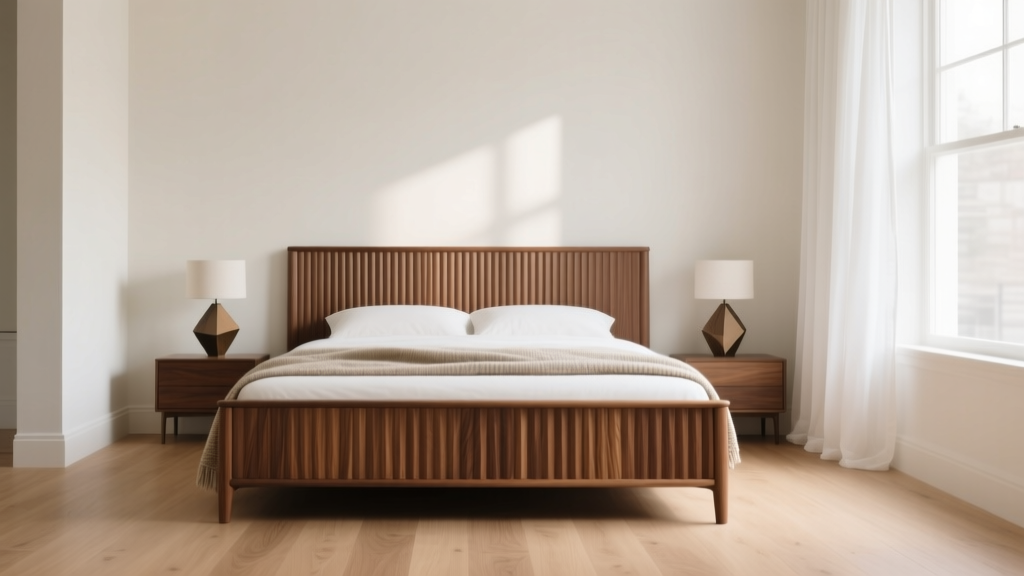
Bedroom Fluted Wood Bed Frame Trend - The Decor Mag
When sleep feels elusive, we often look to routines first—cutting back on caffeine, winding down earlier, limiting screens. Yet the physical bedroom design matters just as much. Visual noise, harsh lighting, and a room that feels “unfinished” can keep your nervous system on alert. A calm, cohesive bedroom environment helps signal safety and softness, making it easier to fall asleep and stay asleep.
That’s why the fluted wood bed frame trend has become more than a style moment. Fluted detailing—those vertical grooves and ribbed textures—adds warmth and depth without the visual clutter of ornate carving. It creates a soothing rhythm for the eye, and paired with the right bedding, lighting, and layout, it can make the room feel more grounded and restorative.
Whether you’re furnishing a new space or upgrading a rental, a fluted wood bed frame can be the “anchor piece” that improves both bedroom decor and the overall sleep environment. Below you’ll find practical guidance, budget ranges, and sleep-friendly design tips to help you choose and style this trend in a way that supports genuine rest.
What Is a Fluted Wood Bed Frame (and Why It Feels So Calming)?
A fluted wood bed frame features repeated vertical channels—most commonly on the headboard, sometimes on the footboard or side rails too. The pattern can be subtle or bold, tightly spaced or wide. This texture brings dimension while still reading as clean-lined and modern.
Why fluting works in a sleep-focused bedroom
- Gentle visual rhythm: Repetition is soothing. The grooves create an organized pattern that reduces “busy” visual stimuli.
- Warmth and tactility: Wood tones (or wood-look finishes) help the room feel less sterile and more cocoon-like.
- Softens minimalism: If you like a modern bedroom design but want it to feel inviting, fluting adds warmth without adding clutter.
- Pairs easily with calming palettes: It works with creamy whites, warm neutrals, muted greens, dusty blues, and earthy clays—colors that support relaxation.
Choosing the Right Fluted Bed Frame: Materials, Construction, and Comfort
The “right” bed frame isn’t only about looks; it’s about stability, low noise, and materials that support a healthy sleep environment. These are the key decision points.
Material guide: solid wood, veneer, MDF, and upholstered fluted styles
- Solid wood (oak, ash, walnut, rubberwood): The most durable and repairable. Often heavier, which can reduce wobble and noise. Ideal if you want a long-lasting investment.
- Wood veneer over plywood: A strong middle ground. Look for real wood veneer (not foil) and sturdy plywood cores. Often lighter and more affordable than solid wood.
- MDF/engineered wood with a wood-look finish: Most budget-friendly. Can look beautiful, but check for reinforced joinery and a strong center support—especially for queen/king.
- Upholstered fluted headboards (channeled fabric): A softer take on the trend. Great if you like reading in bed. Choose performance fabric and low-VOC foam when possible.
Sleep-friendly construction details to prioritize
- Center support: For queen and larger, look for a center rail with at least one (ideally 2–3) support legs to prevent mattress sag.
- Slat spacing: Aim for slats spaced around 2.5–3 inches apart for most foam mattresses (check your mattress warranty requirements).
- Noise reduction: Frames with solid joinery, fewer metal-on-metal contact points, and felt pads at key joints tend to squeak less.
- Rounded edges: Especially helpful in tighter rooms where you’ll walk close to corners at night.
Budget ranges (what you can expect)
- Budget: $250–$600 — engineered wood/MDF, simpler slat systems, fewer finish options.
- Mid-range: $600–$1,200 — veneer/plywood or mixed materials, stronger joinery, better finishes.
- Investment: $1,200–$2,500+ — solid hardwood, premium craftsmanship, more customization (stain, height, headboard scale).
How to Style a Fluted Wood Bed Frame for a Relaxing Bedroom
Fluting is a statement texture. The most restful bedrooms balance that detail with calmer supporting elements: quiet bedding, warm lighting, and intentional negative space.
Bedding: calm layers that reduce sensory overload
For better sleep quality, prioritize breathable, non-itchy, low-static fabrics and a palette that doesn’t feel visually loud.
- Sheets: Long-staple cotton percale for crisp coolness, or cotton sateen for smoother warmth. Linen is excellent for temperature regulation if you like texture.
- Duvet/comforter: A down-alternative insert for easy care, or wool for excellent moisture management (great for hot sleepers who still want weight).
- Layering formula (simple and soothing):
- Neutral fitted sheet (warm white, sand, light taupe)
- Solid duvet cover (no busy prints)
- Textured throw at the foot (waffle, knit, or light boucle)
- 2–4 pillows max on display to keep visual clutter down
Nightstands and furniture that complement fluting
Let the fluted bed be the star; choose supporting pieces that are quiet in shape.
- Nightstands: Simple slab-front or softly rounded edges; one drawer to hide chargers and clutter. Floating nightstands work in small bedrooms.
- Dressers: Low-profile, wide dressers keep sightlines calm. If the bed is heavily fluted, choose a dresser with minimal hardware.
- Bench or ottoman: Upholstered bench adds softness and a landing spot for blankets (reduces “chair piles”).
Lighting: warm, layered, and glare-free
Lighting is one of the fastest ways to improve your sleep environment. Bright overhead lighting at night can suppress melatonin and make the room feel less restful.
- Bedside lamps: Choose lamps with shades that diffuse light; aim for warm bulbs (around 2700K).
- Wall sconces: Great for renters if you use plug-in sconces; frees up nightstand space and creates a hotel-like calm.
- Dimmer or smart bulbs: Set an evening scene that gradually warms and dims 1–2 hours before bed.
- Soft pathway light: A motion-activated, low-lumen night light prevents harsh light exposure during nighttime bathroom trips.
Color palettes that make fluted wood look elevated (not heavy)
- Light oak + creamy whites: Airy, Scandinavian calm.
- Walnut + warm taupe: Cozy, grounded, and sophisticated.
- Natural oak + muted sage: A gentle nod to nature that supports relaxation.
- Medium wood + dusty blue-gray: Quiet contrast without feeling cold.
Layout Tips: Making the Bed the Anchor Without Crowding the Room
Even the most beautiful bed frame won’t feel restful if the layout creates friction—tight walkways, blocked windows, or awkward lighting. Use the bed as the focal point, then build easy movement around it.
Practical spacing guidelines
- Walkways: Aim for 24–30 inches on each side of the bed if possible.
- Rug sizing: For a queen bed, a 8' x 10' rug often works best; for a king, consider 9' x 12'. If budget is tight, use two runners on each side.
- Headboard placement: Place the bed on the most solid wall (ideally not under a window) to reduce drafts and morning light disruptions.
Small bedroom and rental-friendly approaches
- Choose a lower-profile fluted headboard: Keeps the room from feeling top-heavy.
- Use plug-in sconces: Avoid hardwiring; use cord covers painted to match the wall.
- Opt for under-bed storage: If your frame allows, use lidded bins to keep dust and visual clutter down.
Sleep Wellness Considerations: Make the Trend Work for Real Rest
A fluted wood bed frame can support sleep simply by helping the bedroom feel calmer and more intentional—but the biggest gains come when you pair it with wellness-friendly choices.
Prioritize air quality and low-odor materials
- Look for low-VOC finishes when possible, especially if you’re sensitive to smells.
- Let new furniture off-gas: If the piece has a noticeable odor, ventilate the room for a few days and run an air purifier.
- Choose natural bedding fibers: Cotton, linen, and wool often feel more breathable and comfortable over long nights.
Temperature and tactile comfort
- Hot sleepers: Pair wood tones with percale sheets, a lighter duvet insert, and a breathable mattress protector.
- Cold sleepers: Add a wool throw or quilt layer; consider flannel in winter. Keep the room slightly cool and warm the bed with layers.
- Sensory sensitivity: Avoid scratchy throws; choose smooth, consistent textures and limit patterns that feel visually “loud.”
Sound and stability: the underrated sleep disruptors
- Tighten hardware every 3–6 months: A tiny wobble can turn into a squeak that disrupts sleep.
- Add felt pads: Under legs and between any contacting parts where movement occurs.
- Check slats: Ensure slats are secured; loose slats often cause nighttime creaks.
Common Mistakes to Avoid with Fluted Wood Bed Frames
- Going too matchy: Fluted bed + fluted nightstands + fluted dresser can feel busy. Pick one hero piece (usually the bed), then keep other furniture simpler.
- Choosing a high-contrast, high-gloss finish: Shiny finishes can reflect light and feel harsher at night. Matte or satin reads calmer.
- Ignoring scale: An oversized headboard in a small bedroom can feel looming. Measure wall width and keep breathing room on both sides.
- Over-styling the bed: Too many pillows and throws look pretty but create extra work and visual clutter—both enemies of an easy bedtime routine.
- Forgetting the mattress requirements: Some foam mattresses require specific slat spacing or a platform. A mismatched base can reduce comfort and void warranties.
- Not considering nighttime function: If you read in bed, choose a headboard height and angle that supports pillows comfortably (and plan for proper lighting).
Quick Shopping Checklist (Furniture, Bedding, Lighting)
- Bed frame: Fluted headboard, sturdy center support, slats that match your mattress needs
- Mattress foundation: Platform compatible or a low-profile foundation if needed
- Bedding basics: Breathable sheets, duvet insert suited to your temperature needs, two comfortable pillows
- Lighting: Two warm bedside lamps or plug-in sconces, dimmable bulb option, soft night light
- Window treatments: Blackout curtains or lined shades to reduce early light and improve sleep quality
- Rug: Large enough to soften footsteps and reduce echo (helpful for a quieter sleep environment)
FAQ: Fluted Wood Bed Frame Trend
Are fluted wood bed frames hard to keep clean?
They’re manageable with a simple routine. Dust the grooves with a soft brush attachment on a vacuum every 1–2 weeks, then wipe with a barely damp microfiber cloth. Avoid soaking the grooves; moisture can dull finishes over time.
Does a fluted headboard work in a small bedroom?
Yes—choose a slimmer profile and a lighter wood tone (like light oak). Keep nightstands minimal and consider wall sconces to free up surface space, which helps the room feel calmer and less crowded.
What wood tone is best for a relaxing bedroom?
Warm, mid-light tones tend to feel most soothing: natural oak, light walnut, or ash. If you love darker walnut, balance it with creamy bedding and warm lighting so the room doesn’t feel heavy.
Is a fluted wood bed frame noisy?
Not inherently. Noise usually comes from loose hardware, weak center support, or slats that shift. Look for strong joinery, secure slats, and a center rail with support legs, then retighten bolts seasonally.
Can renters use this trend without a full bedroom makeover?
Absolutely. Pair the fluted bed with renter-friendly upgrades: plug-in sconces, a large area rug, removable blackout shades, and neutral bedding. These changes noticeably improve the sleep environment without permanent alterations.
What’s the easiest way to style a fluted bed without overdoing it?
Keep the bedding mostly solid, add one texture (like a waffle throw), and choose simple nightstands. Let the fluting provide the visual interest, and keep everything else quiet and functional.
Next Steps: A Restful Room Built Around One Beautiful Anchor
If you’re drawn to the fluted wood bed frame trend, use it as your starting point for a calmer bedroom design. Choose a sturdy, low-odor piece in a tone that feels warm to you, then support it with breathable bedding, layered warm lighting, and a layout that’s easy to move through at night. A bedroom that looks settled and feels comfortable is a bedroom that helps you sleep better.
For more sleep-friendly bedroom decor ideas, calming color palettes, and practical furniture guides, explore more inspiration on thedecormag.com.
More Articles
 Bedroom Limewash Bedroom Wall Treatment - The Decor Mag
 Best Bedroom Lingerie Drawer Organizers - The Decor Mag
 How to Create a Bedroom That Feels Warm - The Decor Mag
 Best Bedroom Chandelier Styles - The Decor Mag
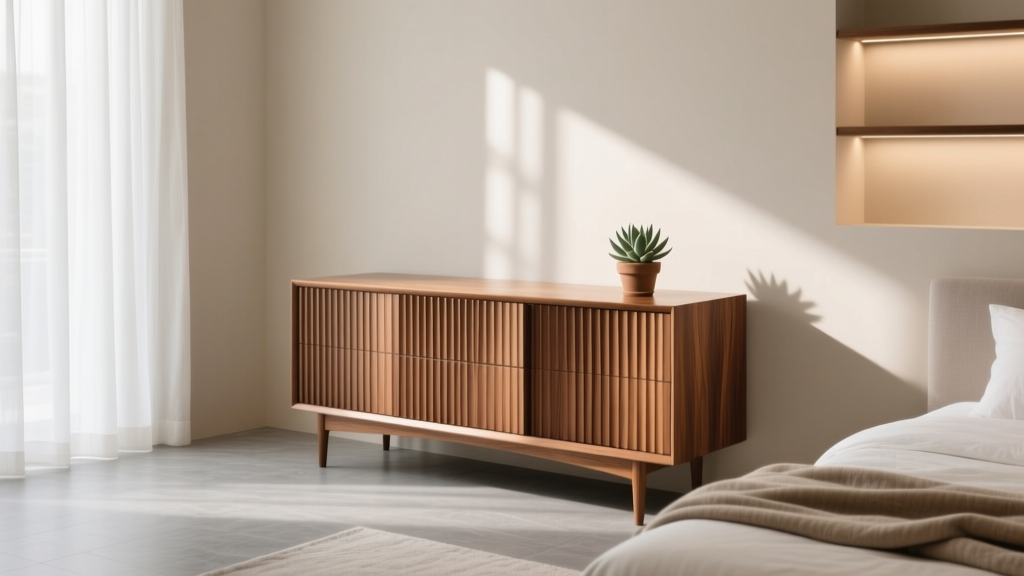 Bedroom Fluted Wood Dresser Trend - The Decor Mag
 Best Bedroom Sleep Spray Collection - The Decor Mag
 How to Create a Bedroom Color Palette - The Decor Mag
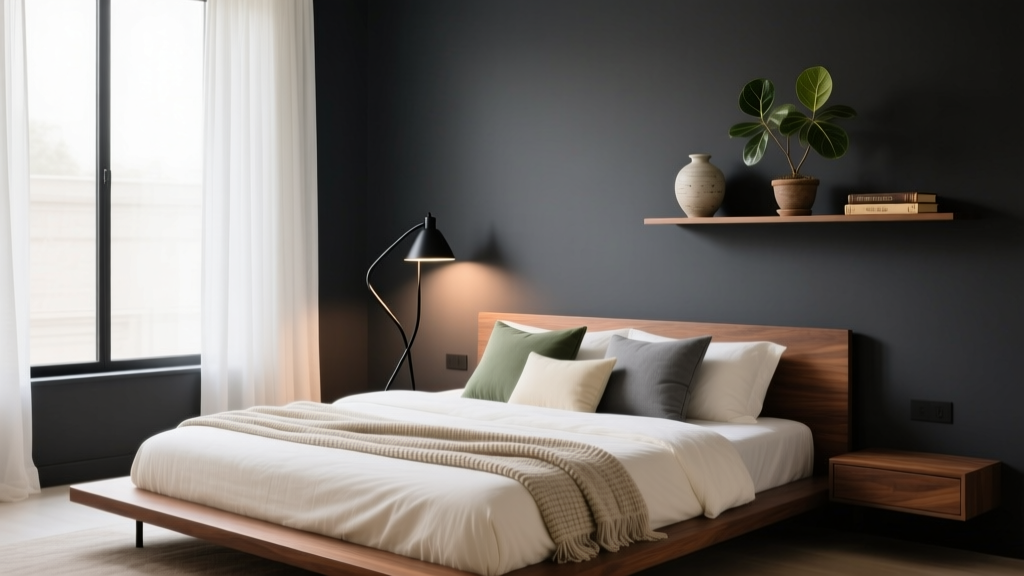 How to Style a Bedroom with Dark Walls - The Decor Mag
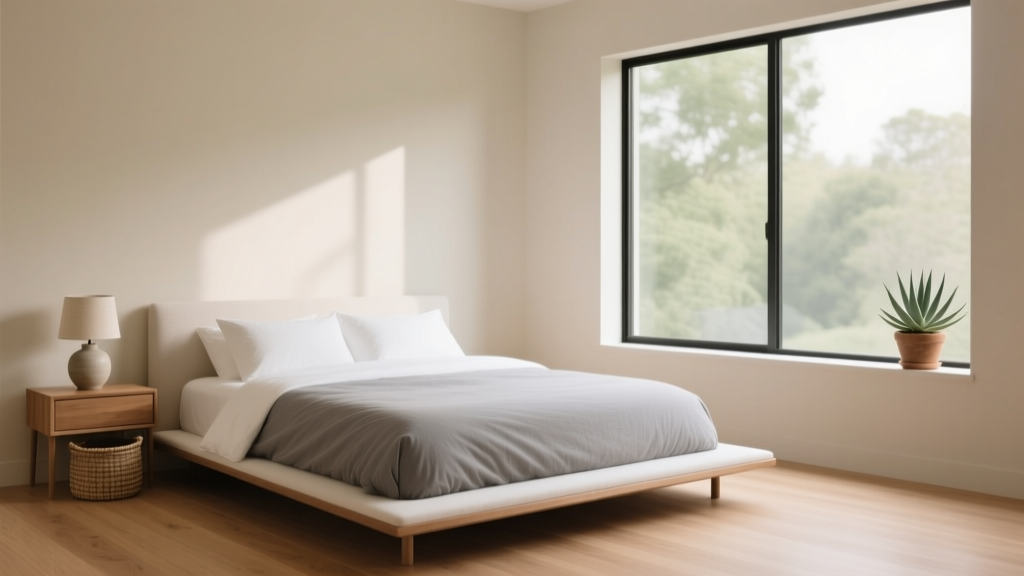 Minimalist Bedroom Styling: Simple Ideas (2026)
 How to Organize Your Bedroom Closet - The Decor Mag