# Cool Summer Bedroom: Design Tips for Better Sleep When It's Hot Outside
Summer heat is the enemy of good sleep. The ideal sleeping temperature is between 60-67°F (15-19°C), but many bedrooms push well into the 70s and 80s during summer months. Beyond cranking the AC, there are dozens of design choices that can keep your bedroom cool, comfortable, and conducive to rest.
## Start With Your Bedding
Your bedding is the most direct factor in sleep temperature. Summer calls for a complete swap:
**Materials that breathe:**
- **Linen**: The gold standard for hot sleepers—highly breathable, moisture-wicking, and gets softer with every wash
- **Bamboo/cotton blend**: Silky feel with excellent temperature regulation
- **Percale cotton**: Crisp and cool, with a matte finish (avoid sateen, which traps heat)
- **Avoid**: Microfiber, polyester blends, and high-thread-count sateen weaves
**Layering strategy:** Ditch the duvet for a lightweight coverlet or quilt. Keep a single linen sheet as your top layer. Fold a thin cotton blanket at the foot of the bed for temperature fluctuations.
## Window Treatments That Block Heat
Up to 30% of unwanted heat enters through windows. Your window treatments are your first line of defense:
**Most effective options:**
- **Cellular/honeycomb shades**: Trap air in their structure, creating insulation (R-value up to 4.5)
- **Blackout curtains with white backing**: Reflect solar heat before it enters
- **Exterior shutters or awnings**: Block heat before it hits the glass
**Install tip**: Mount curtains as close to the ceiling as possible and let them pool slightly on the floor—this creates a sealed air pocket that blocks heat transfer.
## Color Choices That Keep Things Cool
Dark colors absorb heat; light colors reflect it. In summer, this matters more than you'd think:
- **Wall colors**: Soft whites, pale blues, light sage, and warm greige all feel cooler
- **Bedding**: White or ivory reflects body heat better than dark patterns
- **Rugs**: Light-colored natural fiber rugs (jute, sisal) feel cooler underfoot than dark synthetics
## Airflow and Ventilation Design
Good airflow is about more than a fan. Think about how air moves through the entire room:
- **Cross-ventilation**: If you have windows on two walls, open both to create a draft
- **Fan placement**: A box fan facing outward in one window pulls hot air out while cool air enters from the opposite window
- **Ceiling fan direction**: Set to counterclockwise in summer—this pushes air straight down for a wind-chill effect
- **Clear the path**: Make sure furniture isn't blocking air vents or return grilles
## Furniture Placement for Cool Air
Where you put furniture affects how air circulates:
- Don't push the bed directly against a wall—leave 2-3 inches for air to flow
- Keep dressers and large pieces away from windows and vents
- Avoid overcrowding; a room packed with furniture traps warm air
## Long-Term Upgrades Worth Considering
- **Cooling mattress topper**: Gel-infused memory foam or phase-change materials
- **Smart thermostat**: Pre-cool the bedroom before bedtime, warm slightly during sleep
- **Ceiling fan with light**: Runs year-round, saves on AC costs
- **Insulated window film**: Reduces heat gain by up to 60% without blocking light
## The Pre-Bedtime Cool-Down Routine
1. Close curtains and windows by 2 PM to trap cool air
2. Run a fan on low for air circulation starting at 8 PM
3. Take a warm (not cold) shower 30 minutes before bed—the subsequent cooling effect signals your body it's time to sleep
4. Spray pillow mist with eucalyptus or lavender for a cooling sensory cue
A cool bedroom is a well-designed bedroom. By addressing heat at every level—bedding, windows, color, airflow—you can sleep deeply even on the hottest summer nights.
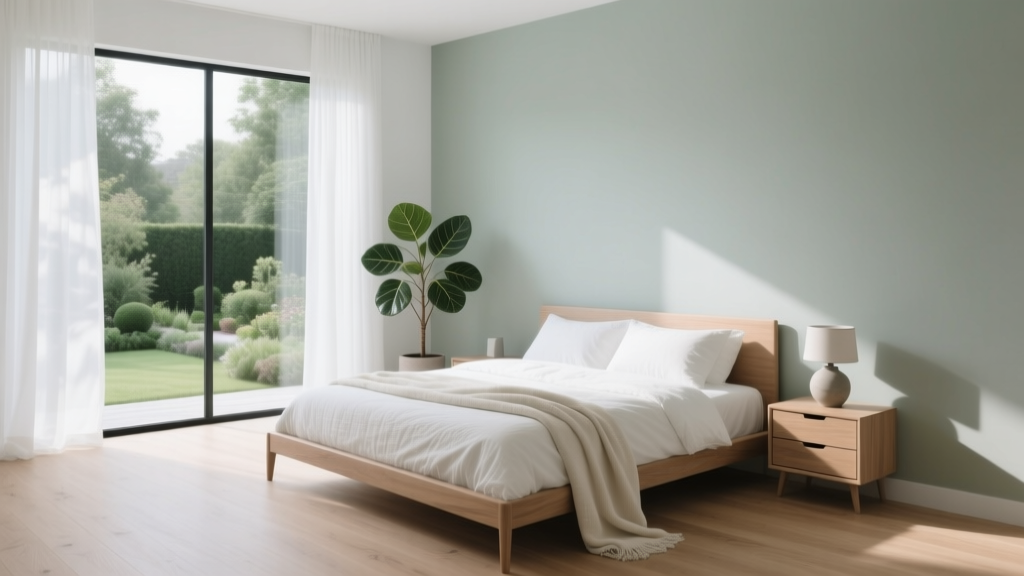
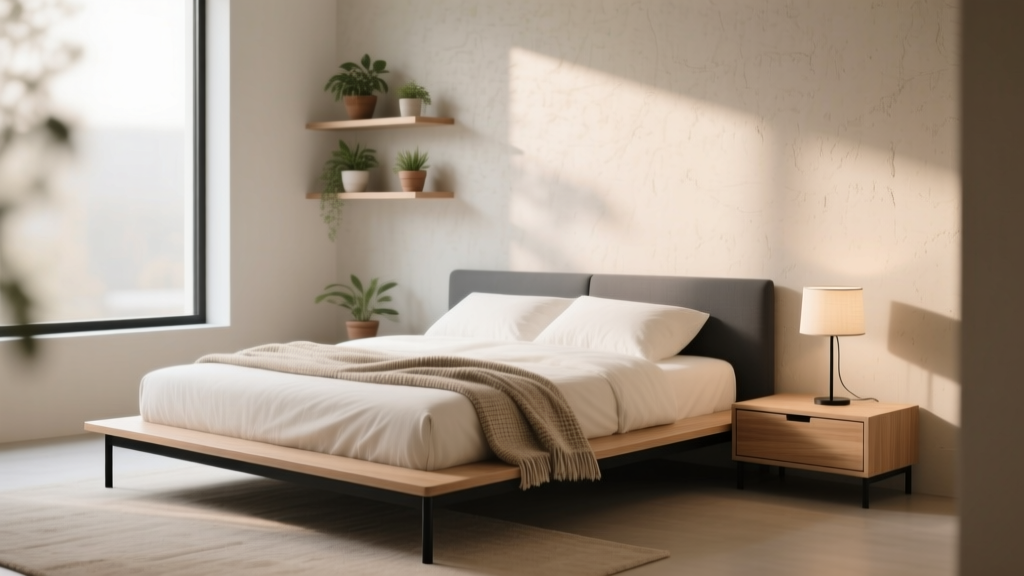 Bedroom Platform Bed Design Ideas - The Decor Mag
 How to Match Your Family’s Needs With the Right Bedroom Options: A Practical, Evidence-Based Guide
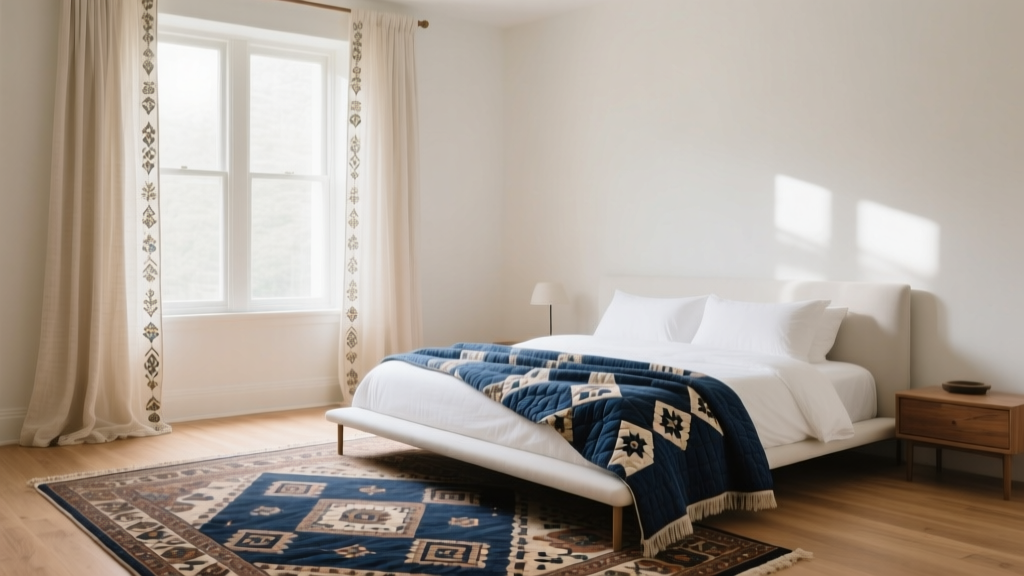 Heirloom Textiles in Bedrooms: Styling Ideas (2026)
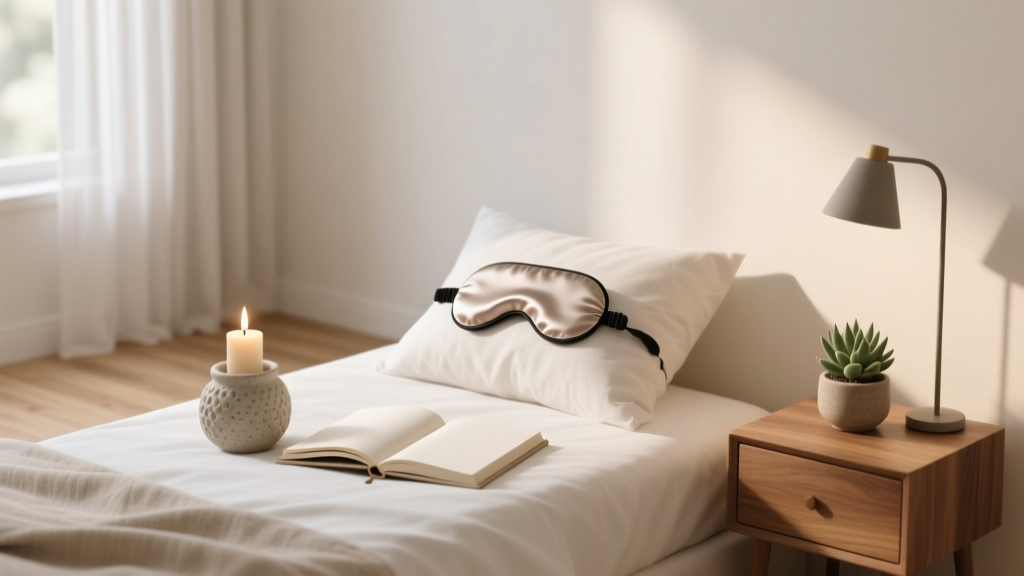 Best Bedroom Wind Down Ritual Items - The Decor Mag
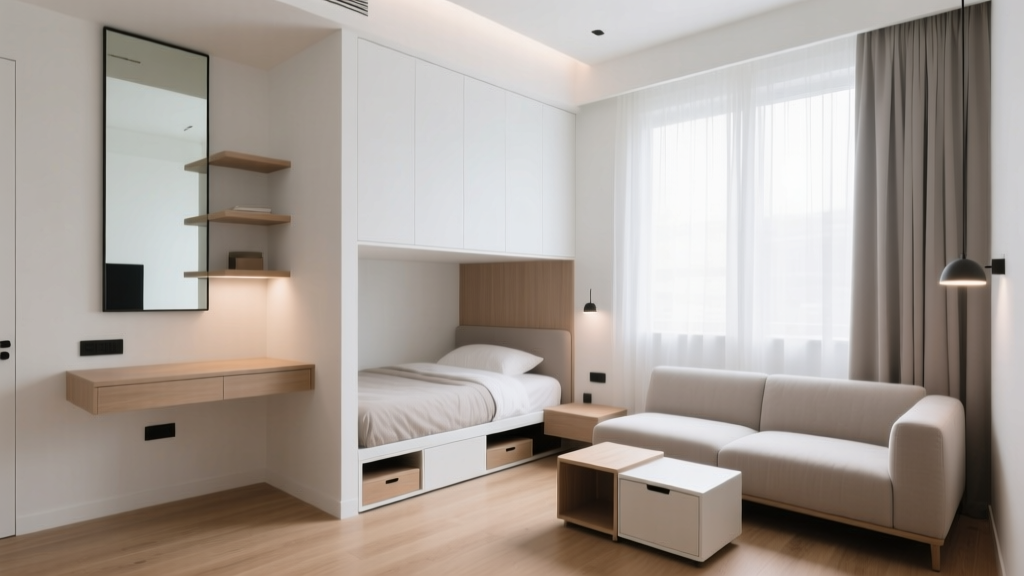 Small Bedroom Design Tricks to Maximize Space (2026)
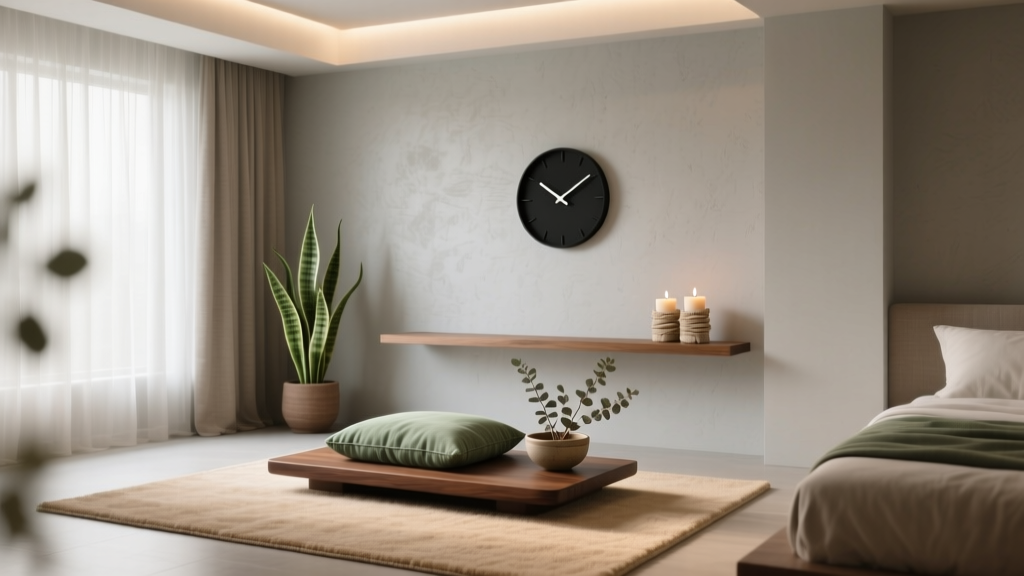 Best Bedroom Meditation Corner Setup - The Decor Mag
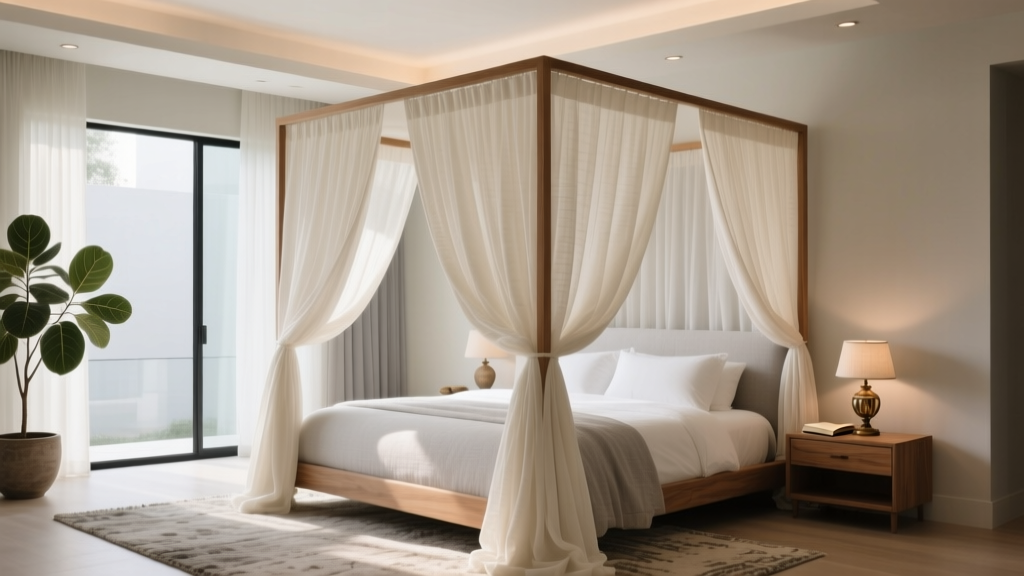 Bedroom Canopy Draping Techniques - The Decor Mag
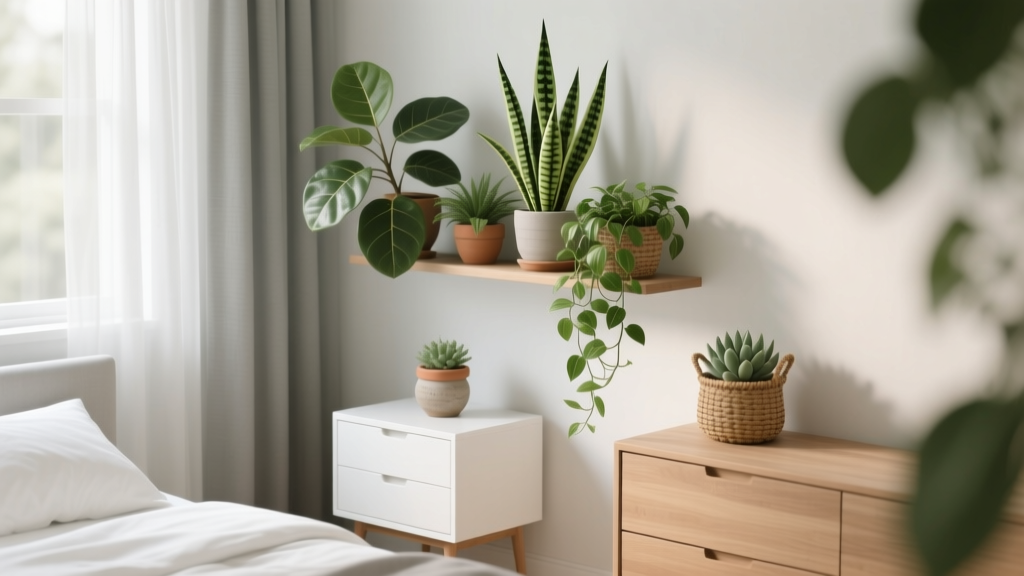 How to Incorporate Plants in Bedroom Decor - The Decor Mag
 Best Bedroom Sound Machine Placement - The Decor Mag
 Best Bedroom Nighttime Routine Essentials - The Decor Mag