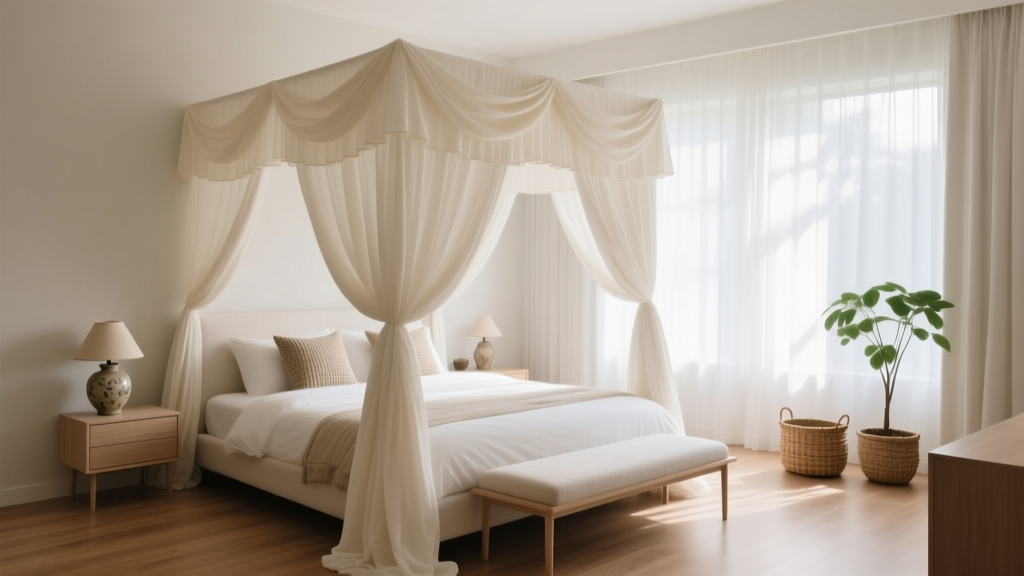
Bedroom Canopy Bed Styling Guide - The Decor Mag
A canopy bed has a way of making a bedroom feel instantly more restful. It creates a sense of enclosure—like a room within a room—which can help the mind switch from “day mode” to “sleep mode.” When styled well, a canopy bed isn’t just a dramatic design choice; it’s a practical tool for shaping a calmer sleep environment through softer light, reduced visual noise, and a more intentional layout.
For homeowners and renters alike, a canopy bed can anchor the entire bedroom design. The frame provides structure, the textiles add comfort and sound-softening texture, and the right lighting can turn the space into a true wind-down zone. Because sleep quality is closely tied to your surroundings—temperature, light exposure, clutter, and even how visually “busy” a room feels—styling a canopy bed thoughtfully can support deeper rest and better wellbeing.
This guide walks you through canopy bed styles, drapery options, bedding pairings, lighting, color palettes, and layout tips—plus common mistakes to avoid—so your bedroom decor looks beautiful and feels genuinely sleep-friendly.
Choosing the Right Canopy Bed Style for Your Space
Know your canopy types
- Traditional canopy: Four posts with a top frame. Best for creating an enveloping feel and for hanging drapes.
- Poster bed (no top frame): Four tall posts without the canopy rails. Great if you want height without the “ceiling.”
- Half canopy: A canopy only over part of the bed. Works in tight rooms or for a lighter look.
- Crown canopy (ceiling-mounted): Fabric hangs from a hoop or crown above the bed. Ideal for renters if you use removable ceiling hooks rated for weight.
Scale matters: match the frame to your ceiling height
- Low ceilings (under ~8 ft): Choose a slimmer frame, open rails, and lighter finishes (white oak, light walnut, matte black in thin tubing). Skip heavy drapery and use sheer panels or a simple canopy “skirt” across the top.
- Standard ceilings (8–9 ft): Most canopy frames work. Keep drapes higher than the top rail to preserve vertical breathing room.
- High ceilings (9+ ft): Embrace taller posts, fuller drapery, and a statement pendant—just make sure light placement stays gentle for sleep.
Material recommendations (with sleep comfort in mind)
- Wood (oak, ash, walnut): Warm, grounding, and visually calming—excellent for cozy bedroom design. Expect $600–$2,500 depending on craftsmanship.
- Metal (steel, iron): Airy and minimal, great for modern decor. Look for matte finishes that reduce glare. Expect $250–$1,500.
- Upholstered canopy frames: Soft edges reduce visual sharpness and can feel quieter. Choose performance fabrics to manage dust. Expect $1,200–$4,000+.
Canopy Bed Drapery: The Fastest Way to Change the Mood
Best fabrics for a sleep-friendly canopy
- Linen: Breathable and temperature-regulating. Ideal for hot sleepers and a relaxed, organic look.
- Cotton voile: Light-filtering without feeling heavy; perfect for small bedrooms.
- Cotton canvas or twill: More structure and privacy; helps soften sound.
- Blackout-lined panels: Excellent for light-sensitive sleepers, streetlights, or early sun exposure.
Budget guide for canopy drapes:
- $40–$120: Ready-made sheer or cotton panels (often 2–4 panels total).
- $120–$350: Better linen blends, longer lengths, or blackout panels.
- $350–$1,200+: Custom lengths, linen blackout lining, premium hardware.
How to hang canopy fabric without overwhelming the room
- Start with two panels, not four: Place them at the head of the bed or on the sides to keep the look airy.
- Use tiebacks for daytime: This keeps the room feeling open and prevents a “closed-in” effect that can raise anxiety for some sleepers.
- Keep hems off the floor: Aim for 0.5–1 inch above the floor to reduce dust collection and make cleaning easier.
- Choose quiet hardware: Look for smooth curtain rings or fabric ties to avoid clanking sounds during night movement.
Renters: easy, reversible canopy styling
- No-drill options: Tension rods (for poster beds), removable ceiling hooks (for crown canopies), or clip-on rings for light fabric.
- Commitment-free look: Add a single fabric panel across the top rails like a soft “ceiling,” leaving sides open.
Bedding That Complements a Canopy Bed (and Supports Better Sleep)
Layering formula: polished, calm, and not fussy
A canopy already adds presence, so bedding should feel intentional but not overly busy. This layering approach works with most bedroom decor styles:
- Breathable base: Cotton percale (crisp, cool) or linen (soft, airy).
- Comfort layer: Duvet insert matched to your climate (lightweight for warm rooms, all-season for most).
- Top texture: Quilt or coverlet for a grounded look and easy temperature adjustment.
- Finishing touch: One throw at the foot for visual warmth without extra bulk.
Sleep-friendly materials to prioritize
- Cotton percale (200–400 TC): Great for hot sleepers and a clean hotel feel.
- European flax linen: Regulates temperature and moisture; excellent year-round.
- Wool or down alternative inserts: Wool helps with temperature stability; quality down alternative can be easier for allergy-prone sleepers.
- OEKO-TEX or similar certifications: Helpful if you’re reducing irritants in your sleep environment.
Bedding budget ranges:
- $150–$350: Solid cotton sheet set + basic duvet cover.
- $350–$800: Linen sheets or premium cotton + better duvet insert.
- $800–$1,800+: Full linen bedding system, wool topper, designer coverlets.
Color strategy: let the canopy frame set the tone
- For darker frames (black, espresso): Use warm whites, sand, taupe, and muted clay to soften contrast.
- For light wood frames: Try creamy whites, pale sage, misty blue, or oatmeal for a natural, soothing palette.
- For brass or warm metal accents: Pair with ivory, olive, or soft terracotta for a cozy sleep sanctuary feel.
Lighting a Canopy Bed for Relaxation (Without Wrecking Your Sleep)
Lighting is one of the most powerful levers for sleep quality. Bright, cool light at night can delay melatonin production, while layered warm lighting supports a smoother wind-down routine. A canopy bed gives you built-in structure for creating gentle, diffused light.
The ideal layered lighting plan
- Ambient light: A dimmable ceiling fixture or semi-flush mount with a warm bulb (target 2200K–2700K).
- Task light: Two bedside lamps or adjustable sconces for reading. Use shades that soften glare.
- Accent light: A small lamp on a dresser, or LED strip lighting tucked on the canopy’s upper rails (warm-only, dimmable).
Specific product types that work beautifully with canopy beds
- Plug-in wall sconces: Great for renters; frees up nightstand space and reduces clutter.
- Dimmable bedside lamps with linen shades: Creates a calming, diffused glow.
- Motion-activated night light (low lumen, warm): Helps with nighttime trips without a harsh overhead light.
Lighting budget ranges:
- $60–$200: Two warm bedside lamps or plug-in sconces.
- $200–$600: Higher-quality dimmable fixtures, better shades, smart dimmers.
- $600–$1,500+: Statement pendant + matching sconces + smart lighting system.
Layout and Furniture Pairings That Make a Canopy Bed Feel Effortless
Best nightstands for canopy beds
- Match height to the mattress: Nightstand top should sit roughly level with your mattress top (or within 2–4 inches).
- Choose closed storage: Drawers reduce visual clutter, which supports a calmer sleep environment.
- Go lighter in small rooms: Consider floating shelves or slim-legged nightstands to keep the footprint airy.
Rug sizing for a grounded, quiet look
- Queen bed: 8x10 rug is usually ideal; 6x9 can work in tight spaces.
- King bed: 9x12 rug for balanced proportions.
- Runner option: Two runners on each side if you can’t fit a large rug.
Choose a low-pile wool or wool blend rug for softness and durability; it also helps absorb sound, making the bedroom feel quieter.
Where to place the bed for better rest
- Prioritize a solid headboard wall: Place the canopy bed where the headboard has a stable wall behind it—often this feels more secure and less stimulating.
- Avoid direct alignment with harsh light: If possible, don’t face the bed directly toward uncovered windows or bright hallway spill light.
- Keep pathways clear: Aim for 24–30 inches of clearance around sides where you walk.
Sleep-Friendly Canopy Styling: Wellness Tips That Make a Real Difference
- Control light intrusion: If you use canopy drapes, consider blackout lining on the window treatments (or the canopy panels) for a darker sleep environment.
- Improve air comfort: Use breathable canopy fabrics and avoid sealing the bed fully if you tend to sleep hot.
- Reduce allergens: Wash canopy fabric and bedding regularly; choose washable curtains and avoid overly textured fabrics that trap dust.
- Keep the canopy “quiet” visually: Stick to solids, subtle stripes, or small-scale patterns—busy prints can feel stimulating at bedtime.
- Create a wind-down corner: A small chair or bench away from the bed supports a device-free transition (reading, stretching, journaling).
Common Canopy Bed Styling Mistakes to Avoid
- Overcrowding the room: A canopy bed is visually substantial. Balance it with fewer, larger decor pieces instead of many small items.
- Using heavy, heat-trapping fabrics: Thick velvet drapes can look luxurious but may worsen sleep for warm sleepers. If you love the look, use velvet only for side panels and keep airflow open.
- Skipping dimmers: Bright overhead lighting at night makes the room feel less like a sleep sanctuary. Add dimmable bulbs or plug-in dimmers.
- Incorrect curtain length: Panels that puddle collect dust and can snag. Tailor hems for a clean, calming line.
- Mismatched scale: Tiny nightstands or thin lamps can look lost next to a canopy frame. Choose bedside pieces with enough visual weight.
- Too many competing patterns: If the canopy fabric is patterned, keep bedding mostly solid (or vice versa) for a more restful bedroom design.
FAQ: Canopy Bed Styling and Sleep Environment Questions
Does a canopy bed make a bedroom feel smaller?
It can if the frame is bulky or the drapes are heavy. Choose a slim-profile frame, lighter finishes, and sheer or partially open panels to maintain an airy feel—especially in small bedrooms.
What’s the best canopy fabric for hot sleepers?
Linen and cotton voile are top choices because they breathe well and help manage temperature and moisture. Avoid fully enclosing the bed with thick fabrics if overheating affects your sleep quality.
Can renters hang canopy fabric without drilling?
Yes. Use tension rods on poster beds, clip-on curtain rings, or removable ceiling hooks for a crown canopy. Keep fabric lightweight to stay within safe load limits.
How do I style a canopy bed so it feels modern, not traditional?
Choose a clean-lined metal frame (matte black or brushed nickel), skip ruffles, use solid neutral bedding, and add simple panel drapes with crisp hems. Keep decor minimal and focus on texture: linen, wool, and wood.
What lighting color is best for a sleep-friendly bedroom?
Warm lighting in the 2200K–2700K range is generally more relaxing at night and less likely to disrupt your wind-down routine than cooler, blue-toned bulbs.
How can I make a canopy bed feel cozy without adding clutter?
Use a tight edit: one textured throw, two sleeping pillows plus two shams, and a single accent cushion at most. Add warmth through a wool rug and soft, dimmable lighting rather than extra decor objects.
Next Steps: Style Your Canopy Bed with Calm, Comfort, and Better Sleep in Mind
Start with the basics: choose a canopy frame that fits your ceiling height, add breathable bedding in a soothing color palette, and layer warm, dimmable lighting. Then decide whether you want drapes for softness and privacy or a more open, minimalist look. Small adjustments—like reducing clutter on nightstands, selecting washable fabrics, and controlling nighttime light—can have an outsized impact on your sleep environment and overall wellbeing.
For more calming bedroom design ideas, space-saving layout tips, and sleep-friendly decor inspiration, explore more guides and room looks on thedecormag.com.
More Articles
 Bedroom Accent Wall Ideas - The Decor Mag
 Transitional Bedroom Design Guide - The Decor Mag
 Bedroom Handmade Ceramic Nightstand Lamp - The Decor Mag
 Bedroom Arched Headboard Design Trend - The Decor Mag
 Bedroom Layout Common Mistakes: What 92% of Homeowners Get Wrong (And How to Fix Them)
 Best Bedroom Bedside Carafe and Glass - The Decor Mag
 Stylish Bedroom Design for Hot Summers
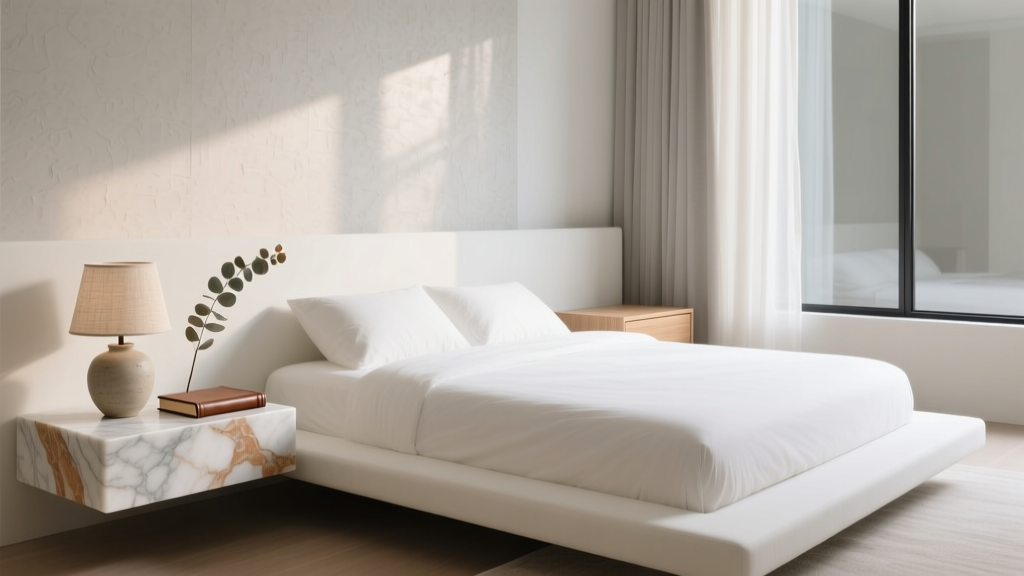 Bedroom Natural Stone Bedside Tray - The Decor Mag
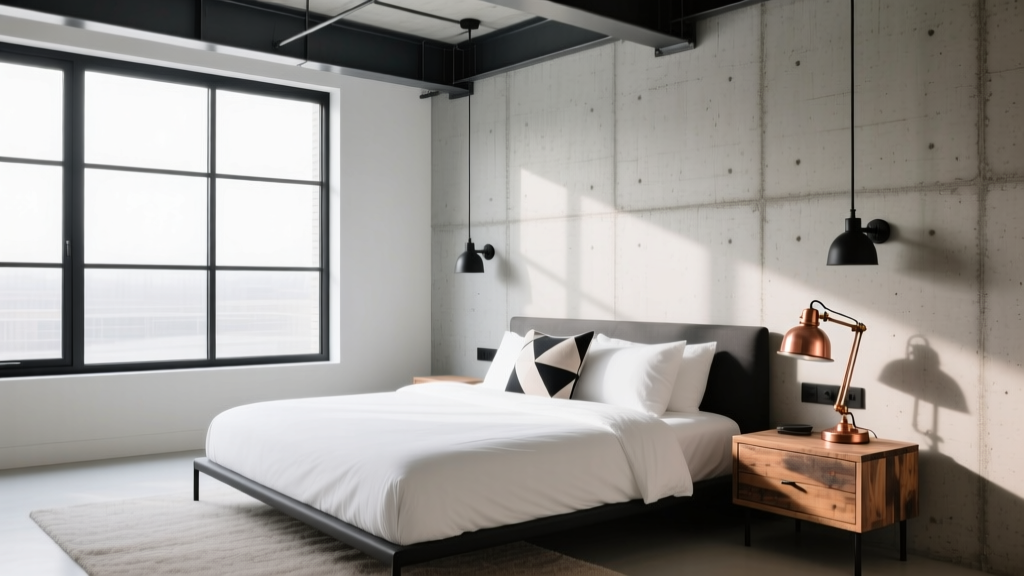 Industrial Bedroom Design Inspiration - The Decor Mag
 How to Match Your Family’s Needs With the Right Bedroom Options: A Practical, Evidence-Based Guide