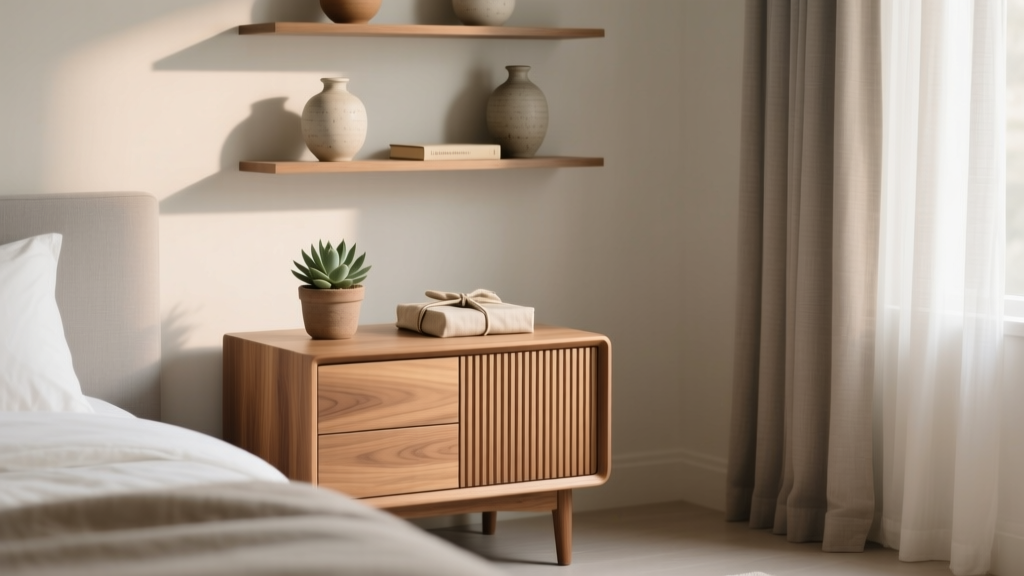
Bedroom Reeded Wood Nightstand Trend - The Decor Mag
A nightstand is one of the smallest pieces of bedroom furniture, yet it quietly shapes how you begin and end every day. It holds your book, water, hand cream, phone charger, and the lamp that softens the room when your eyes are tired. When that surface feels calm and intentional, your whole sleep environment tends to follow—less visual noise, fewer bedtime disruptions, and a stronger sense of ease when you walk into the room.
The reeded wood nightstand trend fits perfectly into this idea of restful design. Reeded (also called fluted) wood adds gentle texture and depth without shouting for attention. The vertical grooves create a subtle rhythm that feels grounded and serene—an ideal match for bedrooms focused on sleep quality, wellbeing, and a more soothing atmosphere.
If you’re a homeowner or renter looking for an upgrade that makes your bedroom feel more “finished” while still sleep-friendly, a reeded nightstand can be a surprisingly impactful change. Below, you’ll find practical guidance on choosing the right style, pairing it with bedding and lighting, and setting up a healthier nighttime routine through smart layout and decor.
What Is a Reeded (Fluted) Wood Nightstand?
A reeded wood nightstand features linear grooves—most often vertical—across the drawer fronts or doors. The look ranges from minimal Scandinavian silhouettes to warmer modern organic styles. The defining trait is texture: it catches light softly, adds dimension, and helps a room feel layered without using busy patterns.
Why this trend works so well in bedrooms
- Low-contrast texture: The detail is tactile rather than visually loud, supporting a calmer sleep environment.
- Warmth and natural materials: Wood tones reduce the “cold” feel that can come from too much metal, glass, or high-gloss finishes.
- Versatile styling: Reeded pieces pair beautifully with modern, transitional, coastal, Japandi, and contemporary bedrooms.
- Softens minimal rooms: If your bedroom is simple (as many sleep-focused rooms are), reeding adds interest without clutter.
The Sleep-Friendly Benefits of Choosing Textured Wood
Bedroom design influences sleep quality through light, clutter, comfort, and the emotional tone of the space. Reeded wood nightstands contribute in subtle but meaningful ways—especially when you use them to support an evening routine.
1) Visual calm and lower cognitive load
Highly reflective finishes and harsh contrasts can keep a room feeling “on.” Reeded wood diffuses light and creates shadow lines that feel gentle rather than sharp. This can make the bedroom feel more settled at night, reinforcing a wind-down mindset.
2) Better organization (and less bedtime clutter)
A well-designed nightstand encourages you to put essentials away. Fewer objects on the surface means fewer cues to think about work, chores, or tomorrow’s tasks when you’re trying to fall asleep.
3) A warmer sensory experience
Natural wood (or high-quality wood veneer) feels warmer and more inviting than glossy laminate. That comfort matters in a bedroom—your senses are part of your sleep environment.
How to Choose the Right Reeded Nightstand for Your Bedroom
The best nightstand isn’t just pretty—it supports your habits. Use these guidelines to choose a reeded piece that fits your space and your sleep routine.
Size and proportions
- Height: Aim for the top of the nightstand to sit within 1–3 inches of your mattress height. This keeps water, tissues, and a lamp easy to reach without sitting up fully.
- Width: For queen beds, 18–28 inches wide usually looks balanced. For smaller rooms, 14–18 inches can work if storage is handled elsewhere.
- Depth: 14–18 inches is a sweet spot for most bedrooms—enough surface area for a lamp and book without crowding walkways.
Storage style: drawers vs. doors vs. open shelf
- Two-drawer reeded nightstands: Great for keeping bedtime essentials hidden (chargers, hand cream, eye mask) while keeping the surface calm.
- Door-front cabinets: Ideal if you want to store bulkier items (extra blankets, sleep devices, journals) without visual clutter.
- Open shelf designs: Attractive, but they can invite mess. If you love the look, use one basket or a lidded box to keep the shelf tidy.
Materials and finishes to look for
- Solid wood: Most durable and refinishable. Expect higher cost but better longevity.
- Wood veneer over plywood: Excellent mid-range option with good stability and a real-wood look.
- MDF with veneer or laminate: Common at budget price points. Choose versions with sturdy hardware and a quality finish to avoid chipping around grooves.
- Finish type: Matte or satin finishes feel more restful than high-gloss and show fewer fingerprints.
Budget ranges (what to expect)
- Budget ($120–$250 each): MDF or veneer, lighter-weight hardware, often flat-pack. Look for smooth drawer glides and consistent reeding.
- Mid-range ($250–$600 each): Veneer over plywood or partial solid wood, better stability, soft-close drawers more common.
- Premium ($600–$1,200+ each): Solid wood, refined joinery, high-quality finishes, excellent hardware. Worth it if you plan to keep them for years.
Styling a Reeded Nightstand for a Calmer Bedroom
Reeded wood already brings texture, so the goal is restraint. A curated surface supports better sleep by reducing visual noise and keeping essentials in reach.
The “3-item” nightstand setup
For most sleepers, three surface items are plenty:
- Soft-glow bedside lamp (or wall sconce)
- One functional item (water carafe, coaster, or small tray)
- One calming cue (a book, small plant, or ceramic dish)
Add a tray to reduce clutter
- Best tray materials: matte ceramic, wood, or stone composite
- What to corral: lip balm, hand cream, sleep mask, earplugs, jewelry
- Why it helps: keeps small items from becoming scattered visual “static”
Hardware that complements restful design
- Brushed brass: warm, soft, and timeless with reeded oak or walnut tones
- Matte black: modern contrast, best when the room has other black accents (frames, curtain rod)
- Wood pulls: especially calming in Japandi and organic modern bedrooms
Pairing Reeded Nightstands with Bedding, Lighting, and Color
The nightstand looks its best when the surrounding elements support a cohesive, sleep-friendly bedroom design.
Bedding recommendations for a calmer sleep environment
- Sheets: cotton percale for cool sleepers, cotton sateen for a smoother, slightly warmer feel, linen for breathability and relaxed texture
- Comforter/duvet: choose a breathable fill (cotton, wool, or down alternative) that matches your temperature needs
- Color palette: keep bedding within a tight range—soft white, warm ivory, sand, pale gray, muted sage, or dusty blue pair beautifully with reeded wood
Lighting that supports melatonin-friendly evenings
- Bulb temperature: 2200K–2700K for bedside lamps (warm, amber-leaning light)
- Dimmers: a dimmable lamp or plug-in dimmer makes bedtime transitions smoother
- Shade choice: linen or fabric shades soften light and reduce glare
- Best lamp shapes for reeded pieces: rounded ceramic bases, matte glass, or wood-accent lamps to echo the organic texture
Color ideas that flatter reeded wood
- Light oak reeding: creamy whites, warm greige, soft sage, clay-beige
- Walnut or darker reeding: warm taupe, muted blue-gray, soft charcoal accents, oatmeal textiles
- Black-painted reeded nightstands: off-white walls, warm woods elsewhere, and gentle contrast through textiles (ivory bedding, sand rug)
Layout Tips: Make the Nightstand Work Harder (Without Feeling Busy)
Even the most beautiful nightstand won’t improve your sleep if it creates awkward movement or encourages distraction. A few layout tweaks can make your bedroom feel more peaceful.
Spacing and flow
- Keep 24–30 inches of clear walkway on each side of the bed when possible.
- If space is tight: choose a narrower reeded nightstand or a wall-mounted reeded drawer shelf to keep the floor open.
- Anchor the pair: matching nightstands can feel soothing and symmetrical, but mismatched can work if heights and tones relate.
Renter-friendly options
- Compact reeded cabinet: use as a nightstand without drilling anything into walls.
- Stick-on cord management: adhesive cord clips keep charging cables from tangling and reduce visual clutter.
- Peel-and-stick felt pads: protect floors and reduce scraping noise—helpful for a quieter sleep environment.
Wellness Upgrades to Pair with Your Nightstand
Think of the nightstand as a “sleep support station.” Small choices here can reduce nighttime wake-ups and make your evening routine smoother.
Keep these sleep-friendly essentials within reach
- Water in a carafe or lidded cup to reduce spills
- Hand cream or lip balm (unscented or lightly scented)
- Eye mask if you’re sensitive to early morning light
- Earplugs or a compact white noise machine if you’re noise-sensitive
- A book or journal to replace scrolling
Reduce blue light at bedtime
- Use a charging drawer: store your phone inside the nightstand to reduce temptation.
- Try an analog alarm clock: keeps the phone farther away, supporting better sleep hygiene.
- Create a “landing spot”: a small dish for glasses or jewelry prevents frantic searching at night.
Common Mistakes to Avoid
- Choosing style over function: a gorgeous reeded nightstand with shallow drawers may not fit what you actually use nightly.
- Nightstand too low or too high: awkward reaching can become a nightly irritation. Match it closely to mattress height.
- Over-decorating the surface: candles, stacks of books, framed photos, and trinkets can feel busy—especially right before sleep.
- Harsh lighting: bright 4000K bulbs or uncovered bulbs create glare and can disrupt your wind-down routine.
- Ignoring cord clutter: visible, tangled cables add visual stress. Use clips, a cord box, or a nightstand with built-in cord routing.
- Buying low-quality reeding: if grooves are rough or poorly finished, they can chip and collect dust more easily.
FAQ: Reeded Wood Nightstands
Are reeded and fluted nightstands the same thing?
They’re often used interchangeably. “Reeded” typically refers to convex, rounded grooves, while “fluted” can refer to concave channels. In retail listings, both terms usually describe the same textured, groove-front look.
Do reeded nightstands collect a lot of dust?
They can collect dust in the grooves, but it’s manageable. A soft brush attachment on a vacuum, a microfiber cloth, or a small detailing brush once a week keeps them looking crisp—especially in allergy-sensitive bedrooms.
What’s the best wood tone for a small bedroom?
Light oak and pale walnut finishes tend to reflect light and feel airy, which helps small bedrooms feel more open. Pair with warm white walls and layered, neutral bedding for a calm, spacious look.
Can I mix a reeded nightstand with a different dresser style?
Yes. Keep one element consistent—wood tone, hardware finish, or overall style (modern, coastal, transitional). Reeded texture can act as an accent while the dresser stays simpler.
What lighting looks best on a reeded wood nightstand?
Choose a warm, dimmable bedside lamp with a fabric or linen shade. Rounded ceramic or matte glass bases complement the grooves and keep the mood soft for better sleep.
Is it better to have one nightstand or two?
Two nightstands create symmetry that many people find calming, and they reduce clutter by giving each person their own storage. In very small rooms, one nightstand paired with a wall sconce and a slim shelf can still support a restful setup.
Next Steps: Bring the Trend Home Without Disrupting Your Calm
A reeded wood nightstand is more than a trend piece—it’s a practical upgrade that supports a calmer bedroom, better organization, and a more soothing sleep environment. Start by measuring your mattress height and available clearance, then choose a finish that complements your bedding and wall color. Keep styling minimal, upgrade your bulb to a warm 2200K–2700K glow, and use drawer space to hide the small items that often create bedtime clutter.
If you’re ready for a bedroom refresh that feels grounded and genuinely restful, let the nightstand be the anchor—and build a sleep-friendly routine around it. Explore more calming bedroom ideas, lighting tips, and decor trends at thedecormag.com.
More Articles
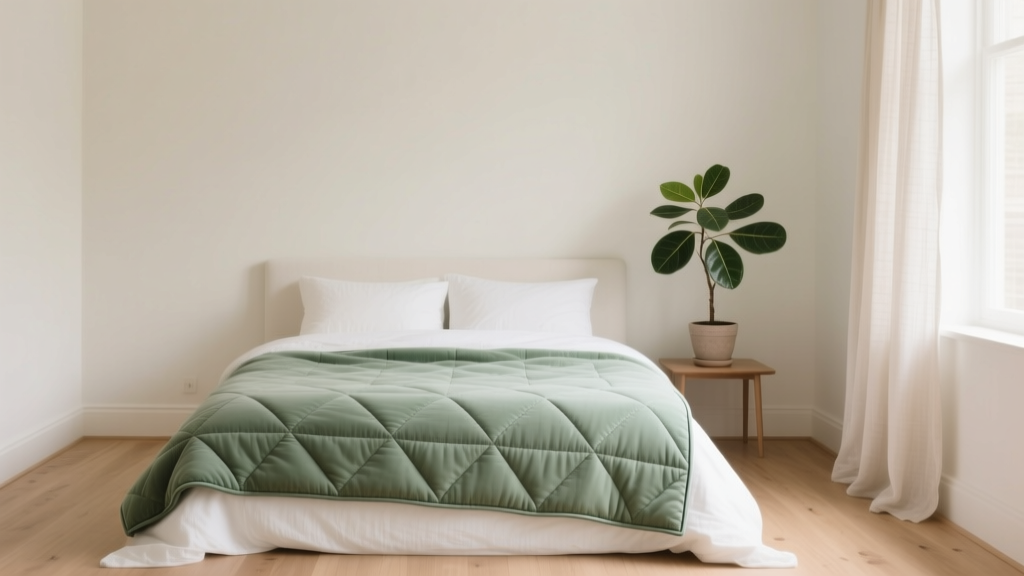 Best Bedroom Sleep Weighted Blanket Guide - The Decor Mag
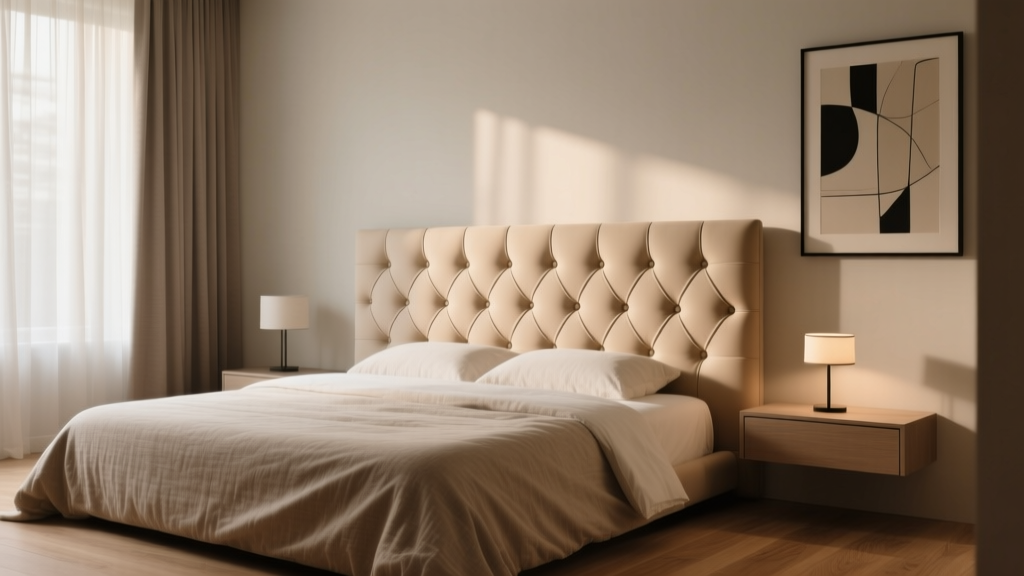 Bedroom Channel Tufted Headboard Guide - The Decor Mag
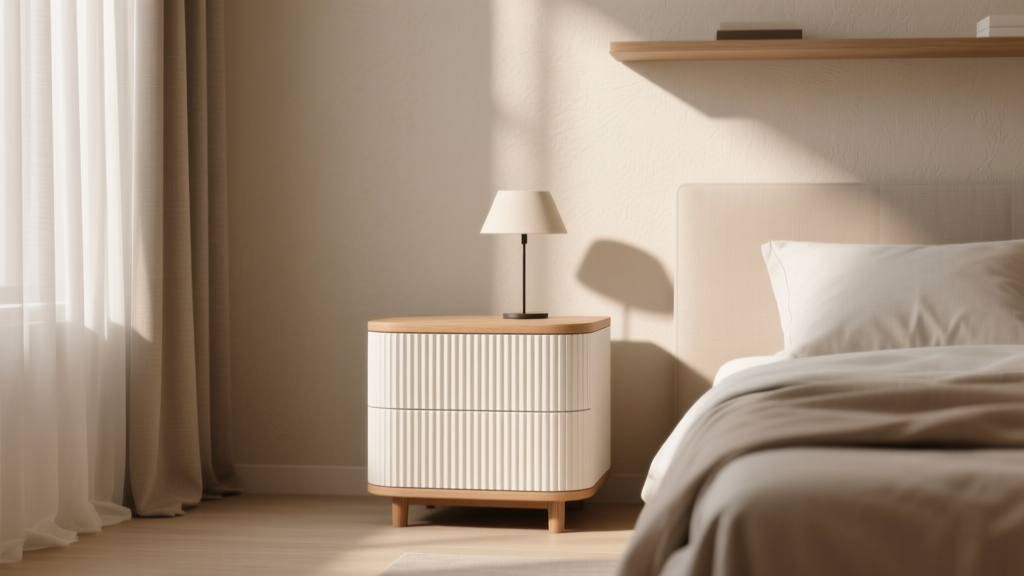 Bedroom Fluted Nightstand Design - The Decor Mag
 How to Organize Your Bedroom Closet - The Decor Mag
 How to Create a Bedroom That Feels Collected - The Decor Mag
 Natural Bedroom Materials: Stylish Ideas for 2026
 Best Bedroom Sleep Journal Writing Prompts - The Decor Mag
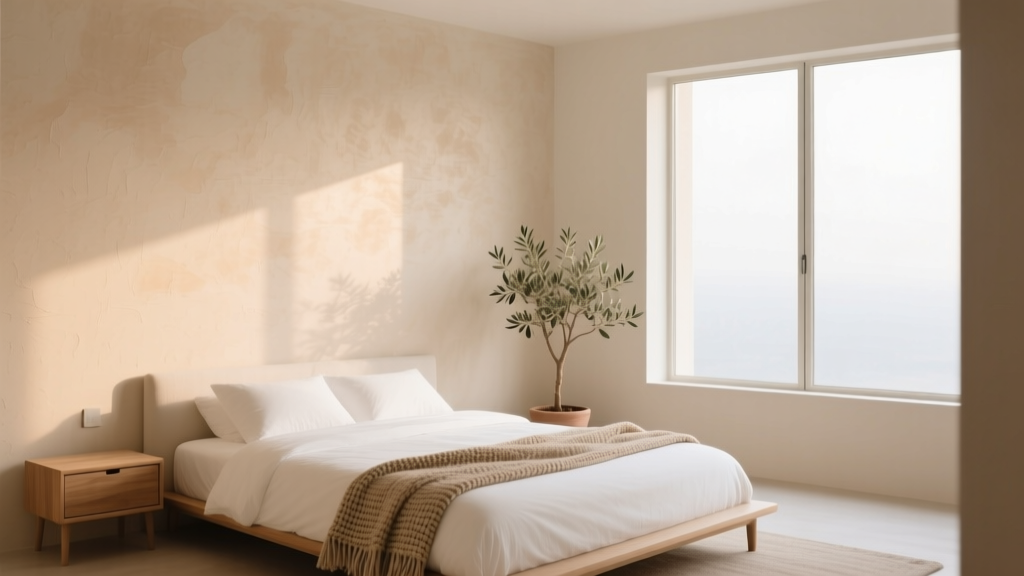 Bedroom Limewash Bedroom Wall Treatment - The Decor Mag
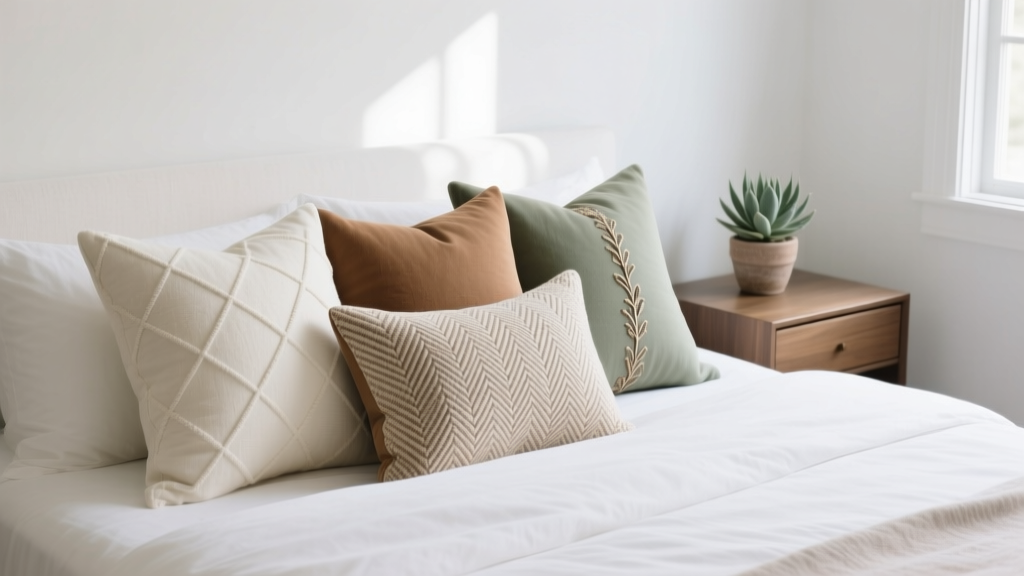 Best Bedroom Throw Pillow Combinations - The Decor Mag
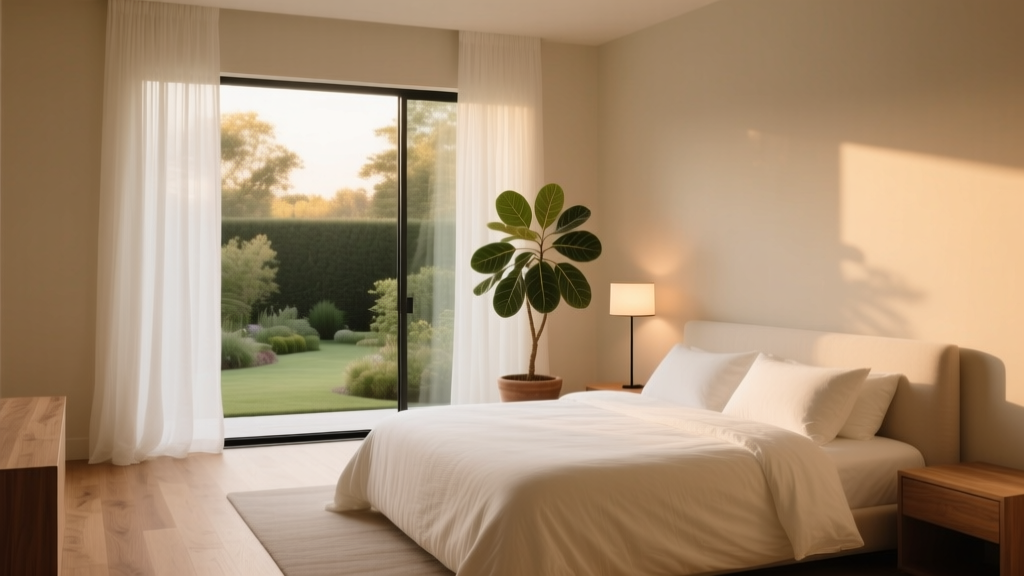 Bedroom Retreat: Decor Ideas for 2026