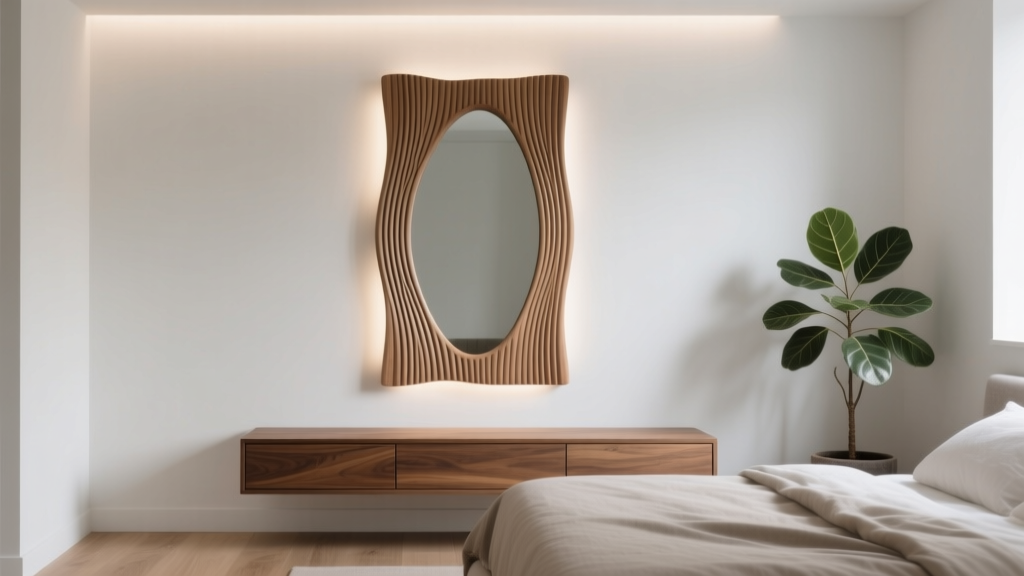
Bedroom Reeded Wood Mirror Frame - The Decor Mag
A bedroom should feel like a soft exhale at the end of the day—quiet, grounding, and visually simple enough to let your nervous system settle. While we often focus on mattresses, blackout curtains, and bedding, the decor details that live in your sightline matter too. Mirrors, especially, influence the way a room feels because they amplify light, reflect motion, and visually “double” whatever they face.
A reeded wood mirror frame (sometimes called fluted or ribbed wood) is a gentle design choice that brings texture without chaos. The linear grooves add depth and craftsmanship, yet the look remains calm and timeless—ideal for anyone building a sleep-friendly bedroom design. When placed thoughtfully, a wood-framed mirror can enhance natural light in the morning, soften the room’s edges, and support a soothing bedroom environment that encourages rest and relaxation.
This guide covers how to choose the right bedroom reeded wood mirror frame, where to place it for better flow, what colors and materials pair best, and how to avoid common layout mistakes that can interfere with sleep quality.
What Makes a Reeded Wood Mirror Frame So Bedroom-Friendly?
Reeded detailing is a series of vertical (or sometimes horizontal) grooves carved or applied to the frame. In a bedroom, these subtle lines do something powerful: they add visual interest while keeping the overall effect orderly. That balance—texture with restraint—is exactly what a calming sleep space needs.
Benefits for bedroom decor and sleep environment
- Soft structure: Linear grooves bring rhythm and calm, similar to slatted wood or woven textiles.
- Warmth and natural grounding: Wood tones reduce the “cold” feel mirrors can sometimes create.
- Less visual clutter than ornate frames: Reeded frames feel designed but not busy.
- Versatile style: Works with modern, Scandinavian, Japandi, transitional, and even relaxed traditional bedrooms.
- Light management: A mirror can boost daylight and reduce the need for harsh overhead lighting.
From a wellness perspective, the goal is a bedroom that supports circadian rhythms: bright and uplifting in the morning, dim and cozy at night. Mirrors help with the first half of that equation—when used thoughtfully.
Choosing the Right Reeded Wood Mirror Frame
Not all reeded mirrors are created equal. The best choice depends on your room size, storage needs, and how you want the mirror to function—practical dressing tool, decorative accent, or light-enhancing feature.
Size and scale guidelines
- Full-length mirror: Typically 18–30 inches wide and 60–72 inches tall. Best for dressing, outfit checks, and small bedrooms that need visual expansion.
- Over-dresser mirror: Aim for 70–90% of the dresser width for a balanced look. For a 60-inch dresser, a 42–54 inch mirror usually feels right.
- Nightstand mirror (small accent): 18–24 inches tall works well if you’re creating a vanity moment without adding a full vanity.
Frame profile: subtle vs. bold reeding
- Fine reeding: More refined, calming, and “quiet luxury.” Great for minimal bedrooms and renters who want a timeless piece.
- Deep fluting: Adds stronger shadow lines and texture. Better in larger rooms or if your bedroom decor is otherwise very simple.
Material recommendations (and what to look for)
- Solid wood: Most durable, best for long-term investment. Look for oak, ash, maple, walnut, or rubberwood.
- Wood veneer over engineered wood: Often the sweet spot for budget and stability (less prone to warping than some solids). Choose real veneer rather than printed “wood look.”
- MDF with wood wrap: Budget-friendly and common. Works well if the mirror is decorative and not moved often. Verify mounting hardware quality.
- Moisture-resistant finishes: If your bedroom has an en suite bathroom or humid climate, choose sealed finishes and avoid raw wood.
Budget ranges you can plan around
- Under $150: Smaller accent mirrors or MDF/veneer full-length mirrors with simpler reeding.
- $150–$350: Most mid-range reeded wood mirrors; better glass clarity, sturdier hanging systems, nicer finishes.
- $350–$800+: Solid wood frames, artisan-level craftsmanship, oversized statement pieces, superior mirror backing and edge finishing.
Best Placement for a Reeded Wood Mirror in the Bedroom
Mirror placement affects not only aesthetics, but also how restful the room feels. Reflections can create a sense of movement, brightness, or “activity” that may be energizing at the wrong time of day.
Where a mirror works beautifully
- Near a window (but not directly opposite): Bounces daylight deeper into the room for a brighter morning mood without turning the window into a glare source.
- Beside a dresser: Creates a dressing zone that feels intentional and reduces morning scrambling.
- Leaning full-length mirror in a corner: Softens corners, adds height, and gives a relaxed, boutique-hotel feel.
- Across from a calm focal point: Reflect a plant, artwork, or a textured wall—something visually soothing.
Sleep-friendly placement tips
- Avoid reflecting the bed if it bothers you: Some sleepers feel more alert when they see movement reflected at night.
- Minimize reflections of screens: Don’t place the mirror where it bounces TV light or phone glow into your line of sight.
- Keep it out of direct headboard sightlines: If you wake easily, reduce reflective surfaces directly facing your pillow area.
Renter-friendly mounting and safety
- Leaning mirror: Use anti-tip straps for safety, especially with kids or pets.
- Wall-hung mirror: Use proper anchors for your wall type. For plaster or drywall, choose heavy-duty wall anchors rated above the mirror’s weight.
- Over-the-door (selectively): Works in small bedrooms, but can rattle; add felt pads and avoid if it creates noise that disrupts sleep.
Design Pairings: Furniture, Bedding, Lighting, and Color
A bedroom reeded wood mirror frame becomes most calming when the rest of the room echoes its warmth and vertical rhythm. The goal: repeat materials and soften contrast.
Furniture recommendations that pair well
- Wood nightstands with simple lines: Slab fronts, soft-close drawers, and warm oak or walnut tones complement the reeded texture.
- Upholstered bed frame: Linen or performance fabric headboards balance the mirror’s structure with softness.
- Low-profile dresser: Keeps the room grounded; a mirror above it adds height without clutter.
- Woven storage accents: Lidded baskets or rattan bins add texture and help reduce visual mess (a key sleep-friendly factor).
Bedding choices for a calmer sleep space
- Sheets: Cotton percale for cooler sleepers; cotton sateen or bamboo-lyocell blends for a silkier feel.
- Duvet and cover: Choose a matte, solid or subtle pattern—fine stripes or tone-on-tone texture echo reeded lines without feeling busy.
- Layering: Add a lightweight quilt or linen blanket at the foot of the bed for visual softness and temperature flexibility.
Lighting that flatters wood and protects melatonin
Mirrors amplify light, so the bulb type matters. A harsh, cool bulb reflected in a mirror can make the whole room feel clinical at night.
- Warm color temperature: Aim for 2200K–2700K in bedside lamps and evening lighting.
- Layered lighting: Combine bedside lamps + a dimmable floor lamp + gentle accent light to avoid relying on overhead fixtures.
- Shades and diffusion: Linen or paper shades reduce glare and soften mirror reflections.
- Smart dimmers or smart bulbs: Set a night routine that dims gradually 60–90 minutes before bed.
Color palette ideas that complement a reeded wood mirror frame
- Warm neutrals: Cream, oatmeal, sand, and greige create a serene bedroom backdrop.
- Muted greens: Sage, olive-gray, and eucalyptus tones feel restorative and pair beautifully with oak.
- Soft blues: Dusty blue or blue-gray can cool an overly warm room while staying tranquil.
- Earth accents: Terracotta, clay, or cocoa in small doses (pillow, throw, art) add depth without overstimulation.
Layout Tips for a More Restful Bedroom
A well-placed mirror should support your routine: gentle mornings, calmer evenings, and less frantic searching for items.
Simple layout wins
- Create a “ready zone”: Place the mirror near a dresser or wardrobe with a small catch-all tray for jewelry, keys, or skincare.
- Keep walking paths clear: Leave at least 24–30 inches of clearance on main walkways to reduce visual and physical friction.
- Reflect calm, not clutter: Before you finalize placement, stand where the mirror will be and check what it reflects. If it’s laundry piles or open shelving chaos, adjust the angle.
- Balance the wall: If the mirror is tall, keep surrounding decor minimal—one plant, one sconce, or one framed print is usually enough.
Sleep Wellness Tips When Decorating with Mirrors
- Protect darkness at night: If streetlights or early sunrise are an issue, make sure your mirror isn’t bouncing outside light onto your bed. Blackout curtains or a sleep mask can help.
- Reduce nighttime stimulation: If you wake at night, a mirror reflecting hallway light can feel disruptive. Add a draft stopper or dim nightlight instead of brighter overhead lighting.
- Keep the bedroom cue consistent: Bedrooms that look “active” (workouts, work desk, piles) can keep the brain in productivity mode. Use the mirror to reinforce a calm identity—reflect a tidy dresser, soft lighting, and a peaceful color palette.
- Mind the sound: Leaning mirrors can vibrate if they touch a baseboard or radiator. Add felt pads or rubber bumpers to prevent micro-noises that disturb light sleepers.
Common Mistakes to Avoid
- Placing the mirror directly opposite the bed without considering comfort: Some people love it; others find it unsettling or too stimulating at night.
- Using cool, bright bulbs: A 4000K bulb reflected in a mirror can make the room feel harsh and interfere with wind-down routines.
- Choosing a frame finish that clashes with existing wood tones: If your room has warm oak floors, a gray-washed frame may look disconnected. Aim for similar undertones (warm with warm, cool with cool).
- Ignoring proportion: A tiny mirror above a wide dresser looks floating and awkward; an oversized mirror in a tight corner can feel crowded.
- Reflecting clutter: Mirrors magnify mess. If the mirror faces an open laundry hamper, your whole room will feel busier.
- Skipping safety hardware: Full-length mirrors should be anchored or strapped, especially in homes with pets, kids, or uneven floors.
FAQ: Bedroom Reeded Wood Mirror Frames
Is a mirror in the bedroom bad for sleep?
Not necessarily. A mirror can improve a bedroom’s light and function, which supports healthier routines. Sleep issues tend to come from placement that reflects the bed, reflects bright outdoor light at night, or amplifies screen glow. If it feels stimulating, reposition it or angle it away from the bed.
What wood tone is most calming for a bedroom mirror frame?
Mid-tone oak, light ash, and warm walnut are popular for calming bedroom decor because they feel natural and soft. Match undertones with your floors and furniture for a cohesive, restful look.
Can I use a reeded wood mirror frame in a small bedroom?
Yes. A tall, narrow full-length mirror can make a small bedroom feel larger by stretching vertical sightlines. Place it near a window or adjacent wall to bounce light without creating glare.
What’s better: leaning or hanging a full-length mirror?
Leaning mirrors feel relaxed and are renter-friendly, but they should be secured with an anti-tip strap. Hanging looks cleaner and saves floor space, which can reduce visual clutter—often a win for a sleep-friendly bedroom layout.
How do I style a mirror above a dresser without making the wall too busy?
Keep it simple: one reeded wood mirror centered above the dresser, two lamps or sconces for symmetry, and a small tray or vase on the dresser. Avoid stacking multiple frames or highly patterned decor nearby.
Are reeded frames hard to clean?
They’re slightly more detailed than flat frames. Use a soft microfiber cloth or a vacuum brush attachment for the grooves. For the mirror, spray cleaner onto the cloth (not directly on the glass) to avoid seepage into the frame.
Next Steps: Create a Bedroom That Feels Quiet and Restful
Start with one intentional upgrade: choose a bedroom reeded wood mirror frame that matches your room’s undertones, then place it where it reflects calm and soft light—not clutter or screens. Pair it with warm, dimmable lighting (2200K–2700K), breathable bedding, and a simplified layout that supports your nightly wind-down. Small design decisions add up, and your sleep environment responds to the signals your room sends every evening.
If you’re ready for more calming bedroom design ideas, cozy lighting guides, and sleep-friendly decor inspiration, explore more articles on thedecormag.com.
More Articles
 Bedroom Fluted Wood Bed Frame Trend - The Decor Mag
 Bedroom Four Poster Bed Styling - The Decor Mag
 Bedroom Curtains for Better Sleep (2026)
 Bedroom Curved Nightstand Design Trend - The Decor Mag
 Best Bedroom Sleep Hygiene Essentials - The Decor Mag
 How to Create a Bedroom That Feels Warm - The Decor Mag
 Bedroom Limewash Bedroom Wall Treatment - The Decor Mag
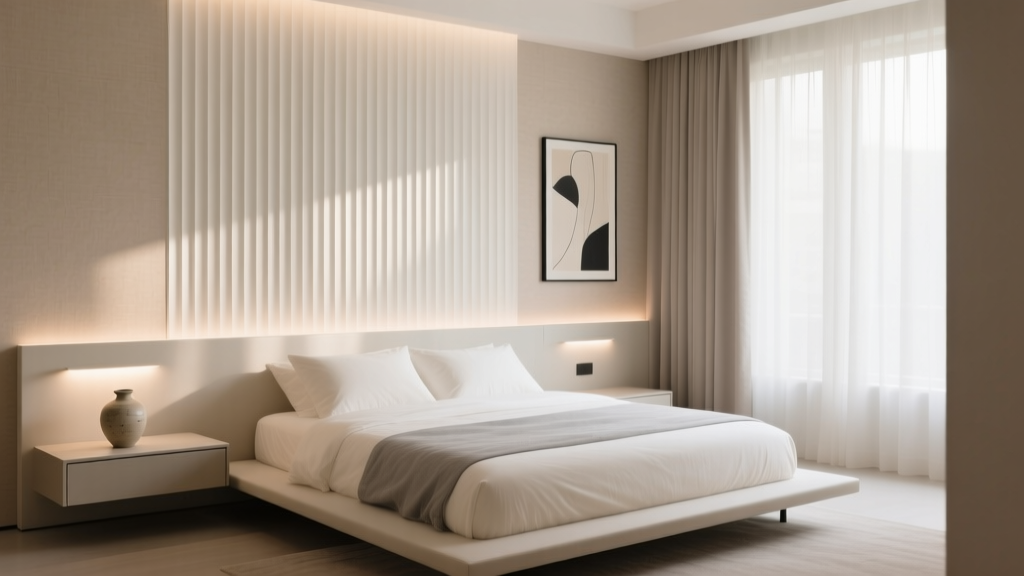 Bedroom Fluted Accent Wall Behind Bed - The Decor Mag
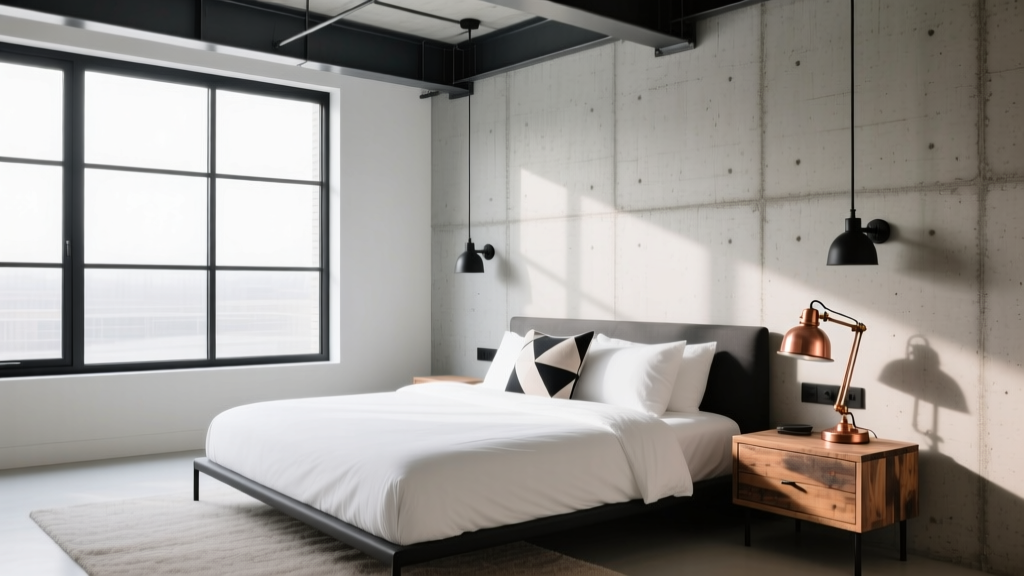 Industrial Bedroom Design Inspiration - The Decor Mag
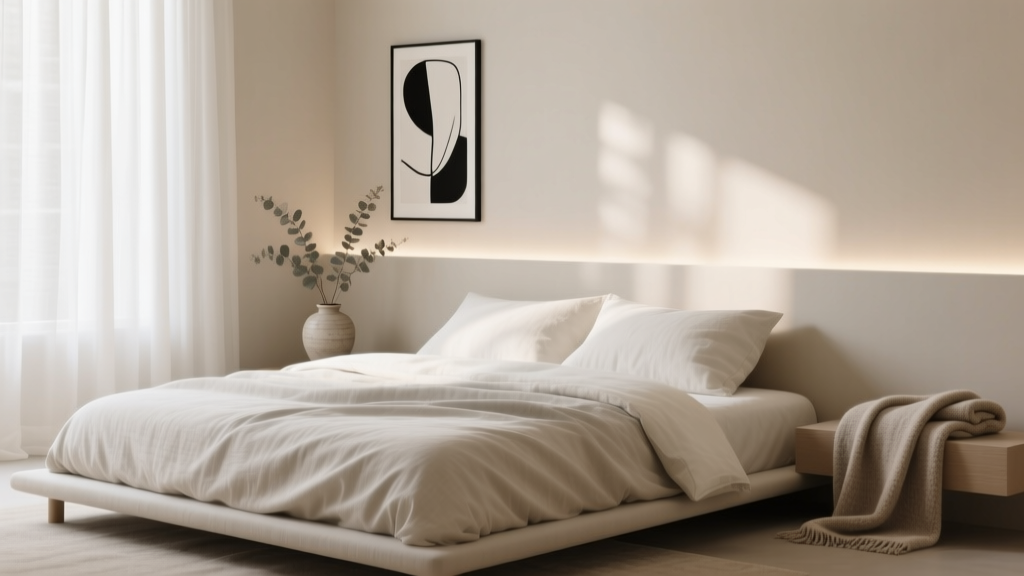 Bedroom Washed Linen Bedding Styling - The Decor Mag