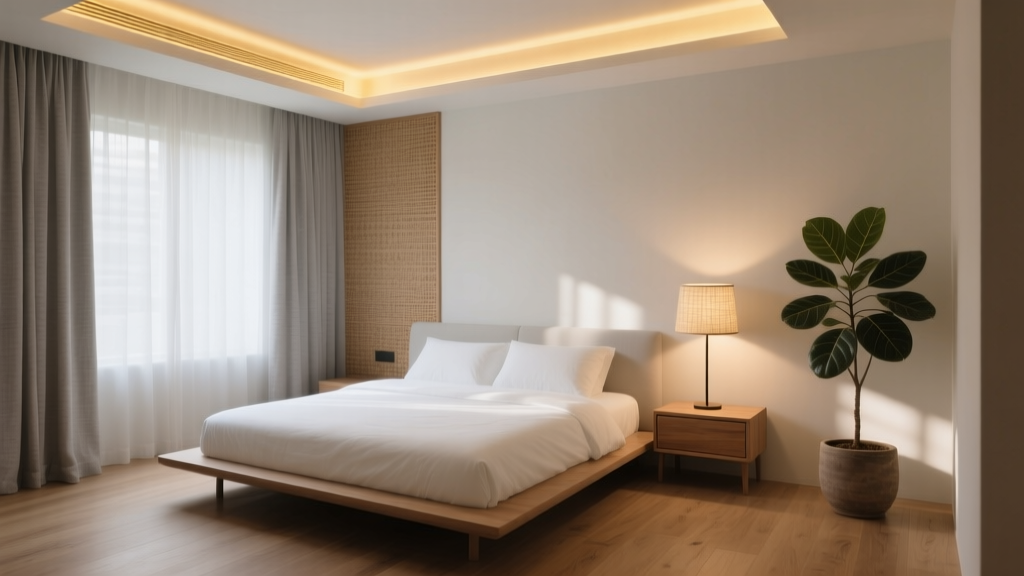
Bedroom Lighting Ideas for Soothing Ambiance (2026)
Lighting is one of the fastest ways to change how a bedroom feels—and how well you sleep in it. The same room can read as crisp and energizing under a cool overhead light, or calm and restorative with warm, layered illumination. Because your brain relies on light cues to regulate circadian rhythm (your internal sleep-wake clock), the lighting choices you make in your sleep environment directly influence how easily you unwind at night and how refreshed you feel in the morning.
A soothing bedroom ambiance isn’t about making the room dim all the time. It’s about giving yourself the right light at the right moment: gentle, warm light for evening wind-down; low, safe guidance for nighttime wake-ups; and brighter, cleaner light for daytime tasks like folding laundry or finding an outfit. With a few practical updates—many renter-friendly—you can create a bedroom lighting plan that supports sleep quality, reduces visual stress, and elevates your bedroom decor.
Below are calming, expert-backed bedroom lighting ideas, including specific fixture types, bulb guidance, layout tips, budgets, and common mistakes to avoid.
Start With a Simple Lighting Plan: Layered Light
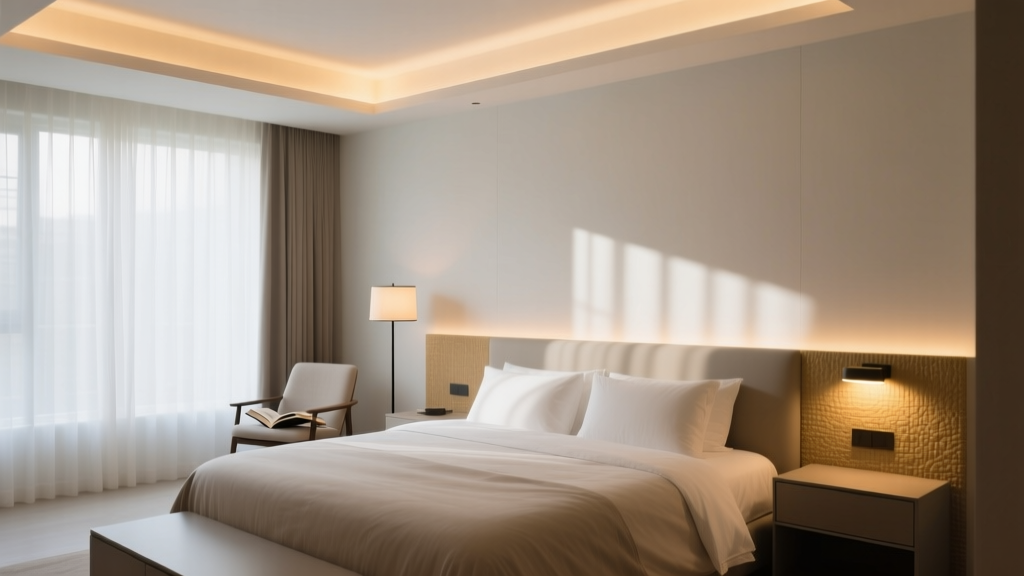
Designers often talk about “layering” light, and it’s especially useful in bedroom design because your needs change throughout the day. Aim for three layers:
- Ambient lighting: general room illumination (ceiling fixture, semi-flush mount, or indirect uplighting)
- Task lighting: focused light for reading, dressing, or working (bedside lamps, swing-arm sconces)
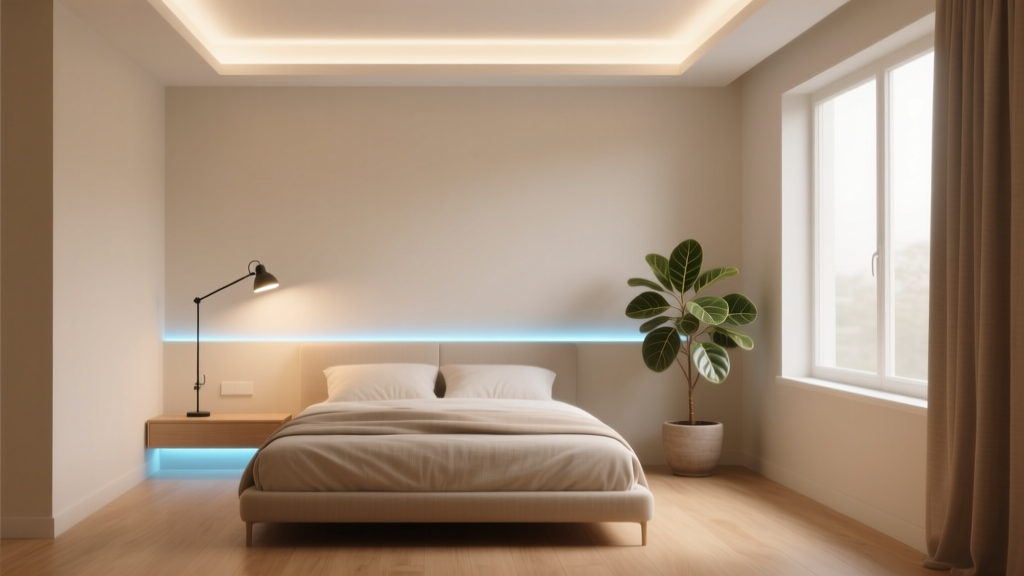
- Accent lighting: low, decorative glow that softens the space (LED strips behind a headboard, picture lights, a small table lamp on a dresser)
What “sleep-friendly” lighting means
- Warm color temperature: 2200K–2700K for evening; avoid harsh 4000K–6500K “daylight” tones at night
- Dimmable control: the ability to lower brightness is often more important than the fixture itself
- Glare-free placement: light sources should feel indirect and comfortable from bed
Choose Bulbs That Support Your Circadian Rhythm
The most beautiful fixture won’t feel soothing if the bulb is too cool or too bright. For most bedrooms, a warm LED bulb is the best balance of comfort, energy efficiency, and longevity.
Bedroom bulb guide (easy and practical)
- Color temperature: 2200K–2700K for a cozy, relaxing bedroom ambiance; 3000K if you prefer slightly cleaner light
- Brightness:
- Bedside lamps: 400–800 lumens each (dimmable recommended)
- Ambient ceiling light: 1,500–3,000 lumens total, depending on room size and wall color
- CRI (color rendering index): choose 90+ for truer, softer-looking colors (skin tones, bedding, paint)
- Flicker: opt for reputable LED brands or “flicker-free” claims if you’re sensitive to headaches or eye strain
Budget ranges
- Warm LED bulbs: $3–$12 each
- Smart bulbs (tunable white/warm dim): $12–$35 each
- Plug-in dimmer for lamps (renter-friendly): $10–$25
Bedside Lighting Ideas That Feel Calm (and Look Pulled Together)
Bedside lighting is where comfort meets function. It should be easy on the eyes when you’re winding down, and bright enough for reading without lighting up the whole room.
1) Matching bedside lamps for visual balance
Two lamps create symmetry that naturally feels restful. Choose shades that diffuse light gently.
- Best shade materials: linen, cotton, parchment, rice paper (soft diffusion)
- Avoid: clear glass shades or exposed bulbs at eye level (glare)
- Proportion tip: the bottom of the lampshade should sit around eye level when seated in bed to reduce harsh hotspots
Budget: $40–$120 per lamp for solid, stylish options; $150–$400+ for designer bases and natural materials.
2) Swing-arm wall sconces to free up nightstand space
Sconces are ideal for small bedrooms and for anyone who likes a tidy nightstand. Plug-in versions are great for renters.
- Look for: adjustable arm, dimmer switch, opaque or fabric shade
- Placement: typically 6–10 inches above shoulder height when sitting up in bed, and 6–12 inches to the side of the bed
Budget: $30–$90 (plug-in); $80–$250 (hardwired).
3) Pendant lights above nightstands for a hotel-like feel
Hanging pendants create a calm, elevated look and keep surfaces clear. They work best when the ceiling height allows comfortable clearance.
- Best for: modern, minimalist bedroom decor; narrow nightstands
- Shade materials: opal glass, paper, fabric drum shades for soft diffusion
- Height tip: hang so the bottom of the pendant is roughly 18–24 inches above the nightstand (adjust for bed height)
Budget: $60–$200 each; $250–$700+ for artisan glass or premium finishes.
Ambient Lighting: Softer Alternatives to a Harsh Overhead Light
Many bedrooms have a single ceiling light that feels stark—especially with cool bulbs. You don’t need to remove it; you just need to soften how it’s used.
1) Semi-flush or flush mounts with diffusers
- Choose: fixtures with a diffuser (frosted glass, fabric, acrylic) to reduce glare
- Finishes that feel calming: matte white, aged brass, soft black, warm wood accents
Budget: $60–$180 for attractive basics; $200–$600+ for larger, architectural fixtures.
2) Indirect uplighting for a gentle glow
Indirect light reduces shadows and creates a soothing ambiance. Try:
- Tall floor lamp with an uplight bowl in a corner
- LED strip lighting on top of a wardrobe or behind a headboard
- Wall-wash lighting aimed at curtains or a textured wall for softness
Budget: $40–$150 for floor lamps; $15–$60 for LED strips (look for warm 2700K).
Accent Lighting Ideas That Make the Bedroom Feel Serene
Accent light is the secret to “calm.” It adds depth without raising overall brightness—perfect for pre-sleep routines.
Soft-glow options that work in almost any bedroom layout
- Salt lamp or warm-toned ceramic lamp on a dresser (choose low-lumen bulbs)
- Picture light above art to add a quiet focal point
- Backlit headboard using hidden LED strips (warm white only)
- Candlelight effect with flameless LED candles for safety
Material recommendations for a calming bedroom decor look
- Natural textures: linen lamp shades, rattan details, light oak, paper lanterns
- Soothing metals: aged brass, satin nickel (less reflective than chrome)
- Glass: opal or frosted glass for soft diffusion
Lighting + Color: Pair Warm Light With Sleep-Friendly Bedroom Colors
Paint and bedding colors change how light looks. Warm, dim lighting can turn icy gray walls a bit gloomy, while it makes creamy neutrals glow.
Color palettes that enhance a soothing bedroom ambiance
- Warm whites: ivory, cream, soft linen tones (best for low light)
- Muted earth tones: clay, sand, mushroom taupe (grounding and cozy)
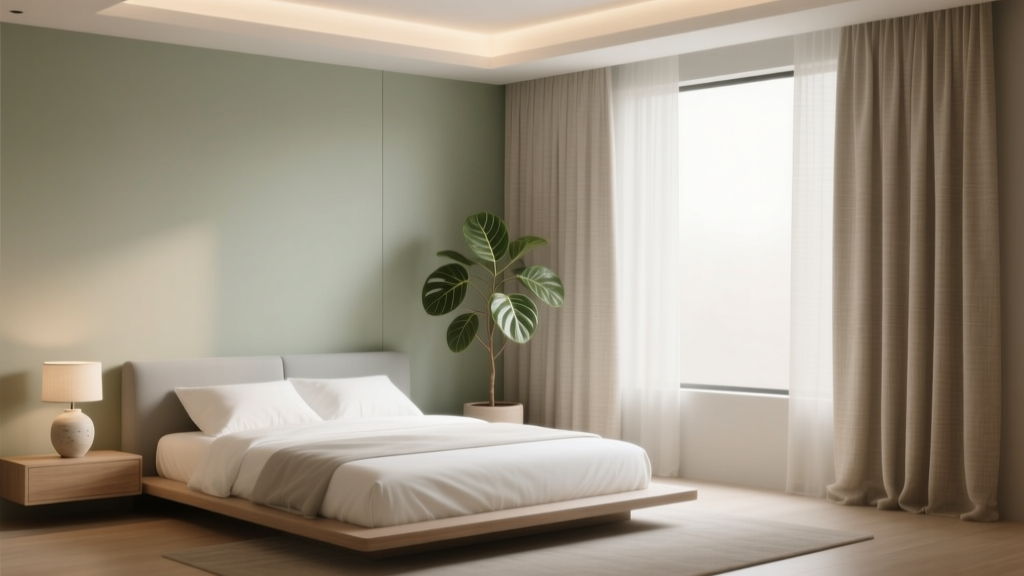
- Soft greens: sage, eucalyptus (pairs beautifully with warm bulbs)
- Dusty blues: slightly grayed blues feel calm without turning cold under warm light
Bedding recommendations that “catch” light softly
- Matte, natural fabrics: cotton percale, cotton sateen, washed linen
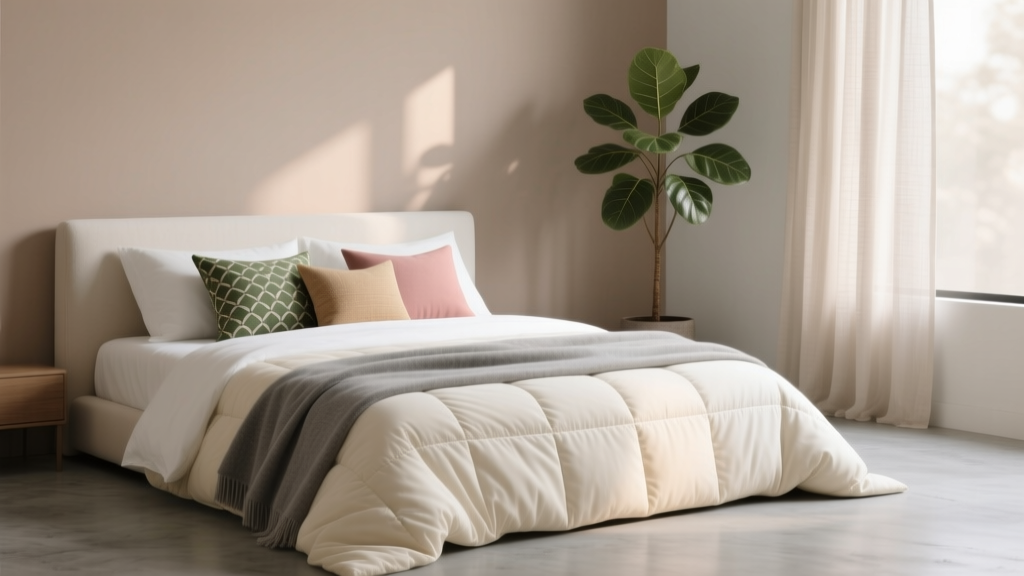
- Add depth: a quilted coverlet or textured throw reduces a flat, overly bright look
- Avoid near-bed glare: very shiny satin or high-gloss finishes can reflect harshly from bedside lamps
Budget bedding ranges: $60–$120 for quality cotton sheets; $150–$350 for linen sets; $80–$250 for a calming duvet cover in a matte weave.
Layout Tips: Where to Place Lights for Maximum Calm
Good bedroom lighting is as much about placement as it is about style. A few adjustments can dramatically improve comfort.
Use this simple placement checklist
- Avoid direct line-of-sight bulbs from the bed. If you can see a bare bulb while lying down, swap to a shaded lamp or frosted globe.
- Anchor light at the bedside. Keep a reachable switch for nighttime reading or winding down.
- Light the path to the bathroom. Add a low night light, motion-sensor strip, or plug-in guide light.
- Balance the room. If one side has a lamp, give the other side a matching lamp or a floor lamp to prevent uneven shadows.
- Keep mirrors in mind. Don’t position a lamp so it reflects directly into your eyes from a mirror.
Sleep Wellness Tips: Make Lighting Work With Your Evening Routine
A sleep-friendly bedroom is designed to reduce stimulation at night. Light is a powerful cue—use it intentionally.
Practical habits that improve sleep quality
- Dim lights 1–2 hours before bed. Use lamps instead of overhead lighting to signal “wind-down.”
- Choose warm dimming if possible. “Warm dim” bulbs get warmer (more amber) as they dim, similar to incandescent light.
- Keep late-night light low and warm. For nighttime wake-ups, a motion-sensor amber night light reduces sleep disruption.
- Limit blue-rich light in the bedroom. If you read on a device, use night mode, lower brightness, and consider blue-light-reducing settings.
- Use blackout curtains or lined drapery. Controlling outside light improves sleep environment consistency—especially in cities.
Renter-friendly upgrades that make a big difference
- Plug-in wall sconces (no electrician required)
- Smart bulbs in existing fixtures (set schedules and dim levels)
- Adhesive LED strips behind furniture (choose warm white, not RGB for bedtime)
- Outlet timers for accent lamps (consistent evening cue)
Common Bedroom Lighting Mistakes to Avoid
- Using one bright overhead light as the only source. It creates glare and makes the room feel clinical rather than restful.
- Choosing cool white bulbs (4000K+). They can feel stark at night and may interfere with relaxation.
- Exposed bulbs near the bed. Bare bulbs increase visual stress and can cause headaches for light-sensitive sleepers.
- Ignoring dimmers. The ability to reduce brightness is key for a soothing ambiance.
- Forgetting nighttime navigation. Stumbling to the bathroom under bright light can fully wake you up—use a low, warm guide light.
- Overdoing decorative LEDs. Bright, colorful strips can feel fun, but they often work against a calm sleep environment. Keep bedroom accent lighting warm and subtle.
FAQ: Bedroom Lighting for Sleep and Ambiance
What is the best color temperature for bedroom lighting?
For a soothing bedroom ambiance, aim for 2200K–2700K in the evening. If you want a slightly brighter, cleaner look for daytime use, 3000K can still feel comfortable—especially with dimmers.
Are smart bulbs worth it for a sleep-friendly bedroom?
Yes, especially if you struggle with consistent routines. Smart bulbs let you schedule dimming, set warm evening scenes, and gradually brighten in the morning. Expect $12–$35 per bulb depending on features (tunable white, warm dim, app control).
How bright should a bedroom be?
It depends on room size and wall color, but many bedrooms feel comfortable with 1,500–3,000 lumens of ambient light available (dimmable), plus 400–800 lumens per bedside lamp for reading. The key is adjustability—bright when you need it, low when you don’t.
What type of lamp shade is best for soft lighting?
Choose linen, cotton, parchment, or frosted glass. These diffuse light gently and reduce glare. Very thin, shiny, or clear shades tend to create harsh hotspots.
How can I create cozy lighting in a rental bedroom without rewiring?
Use plug-in sconces, floor lamps with warm LED bulbs, plug-in dimmers, and adhesive warm LED strips behind a headboard or dresser. These upgrades are removable and can move with you.
Do red or amber night lights help with sleep?
Many people find amber or red-leaning night lights less disruptive during nighttime wake-ups because they’re lower in blue content. Keep them dim and positioned low to the floor for gentle guidance.
Next Steps: Build Your Calm Lighting Setup in a Weekend
A soothing bedroom doesn’t require a full remodel. Start with the highest-impact changes and build from there:
- Swap bulbs first: move to 2700K (or warmer) and choose dimmable where possible.
- Add bedside lighting: matching lamps, plug-in sconces, or pendants—prioritize glare-free shades.
- Layer in accent light: a small lamp on a dresser or warm LED backlighting behind the headboard.
- Make nights easier: add an amber motion-sensor night light for the path to the bathroom.
- Refine the feel: pair warm lighting with calming bedroom colors and matte, natural bedding for a truly restful sleep environment.
For more calming bedroom design ideas, lighting inspiration, and sleep-friendly decor guides, explore the latest on thedecormag.com.
More Articles
 Best Bedroom Herbal Tea Bedside Setup - The Decor Mag
 Best Bedroom Color Palettes for Relaxation - The Decor Mag
 Best Bedroom Bedside Tea Setup - The Decor Mag
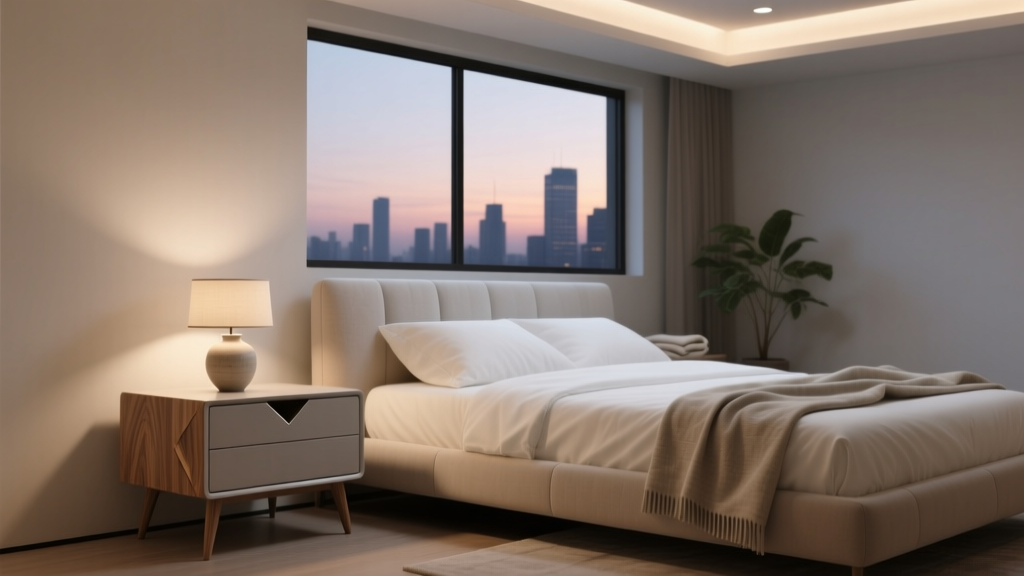 How to Choose Bedroom Nightstand Height - The Decor Mag
 Best Bedroom Handbag Storage Solutions - The Decor Mag
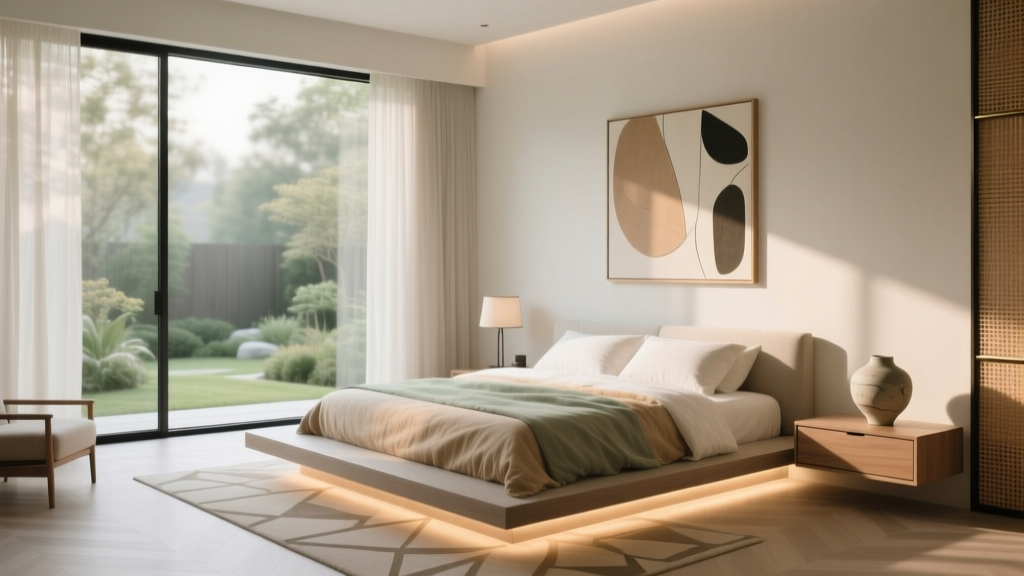 Modern Bedroom Design Ideas for 2026 - The Decor Mag
 Bedroom Leather Pull Nightstand Handles - The Decor Mag
 Three-Layer Bedroom Lighting: Calm & Functional (2026)
 How to Layer Bedroom Lighting - The Decor Mag
 How to Layer Bedding Like a Designer - The Decor Mag