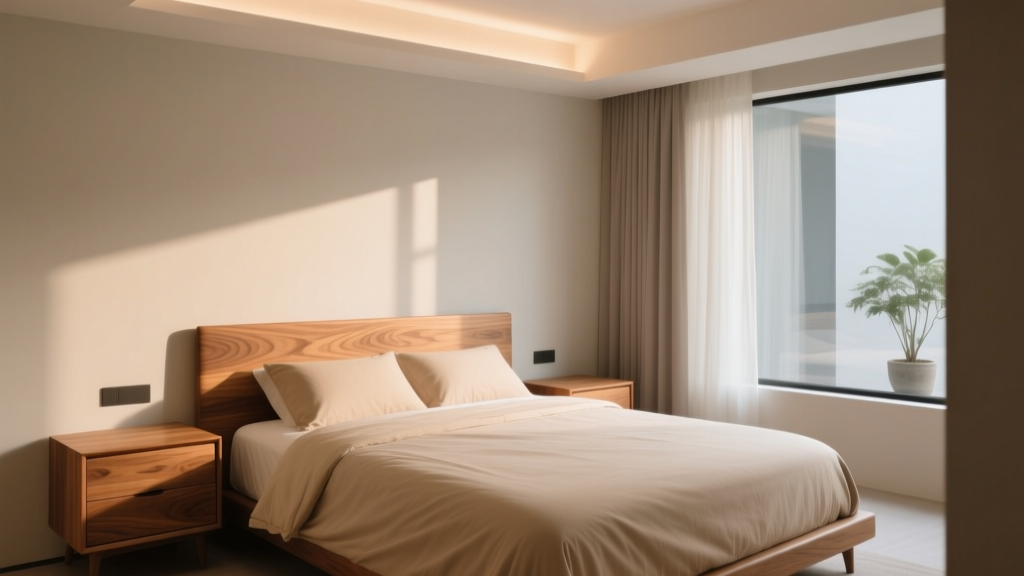
Bedroom Warm Wood Nightstand Pair - The Decor Mag
A bedroom can look “finished” and still feel restless. That often comes down to small, repeated frictions: nowhere to set your phone without seeing notifications, harsh overhead lighting when you wake at night, mismatched surfaces that collect clutter, or an awkward reach for a glass of water. A warm wood nightstand pair solves more of these issues than most people expect—because it supports routine, symmetry, and a calmer sleep environment.
Nightstands aren’t just decor. They’re the landing zone for your nightly wind-down and morning start-up. When you choose a pair of matching warm wood nightstands, you create visual balance (which reduces “busy” energy) and practical balance (both sides of the bed get equal function). That sense of ease—order, softness, warmth—directly supports relaxation and sleep quality.
If you’re a homeowner or renter trying to build a bedroom that feels restorative, a warm wood nightstand pair is one of the most reliable, high-impact upgrades. Below you’ll find practical sizing guidance, material recommendations, budget ranges, lighting and layout tips, and sleep-friendly details that help your bedroom look calmer and feel better at night.
Why Warm Wood Nightstands Work So Well in a Sleep-Friendly Bedroom
Warm wood tones (think walnut, oak, acacia, teak, or ash with honey or caramel undertones) naturally read as grounding and cozy. In bedroom design, they soften the room’s edges—especially if you have cooler paint colors, modern black accents, or a lot of white bedding.
Sleep benefits tied to bedroom design
- Visual calm: A coordinated nightstand pair reduces visual “noise,” which makes the room feel less stimulating at bedtime.
- Better routines: A consistent place for a book, lip balm, hand cream, glasses, or water reduces bedtime rummaging and decision fatigue.
- Lighting control: Nightstands make it easy to use low, warm bedside lighting instead of bright overhead fixtures—supporting melatonin-friendly evenings.
- Clutter containment: Drawers and shelves keep small items out of sight, helping your brain associate the bedroom with rest rather than tasks.
How to Choose the Right Warm Wood Nightstand Pair
1) Get the height right for comfort
The best nightstand height is usually level with the top of your mattress or within about 1–2 inches of it. Too low means you reach down (disruptive and awkward). Too high can feel looming and makes spills more likely.
- Typical nightstand height: 22–28 inches
- Platform beds: Often pair well with 18–24 inch nightstands
- Taller mattresses/pillow-top: Often need 26–30 inch nightstands
2) Choose a footprint that fits your layout
For most bedrooms, aim for 16–24 inches wide and 14–20 inches deep. If you’re tight on space, a narrower nightstand can still work beautifully—especially if it includes a drawer for essentials.
- Small bedrooms: 12–18 inches wide, consider wall-mounted or slim-leg designs
- Standard rooms: 18–24 inches wide for a balanced look
- King beds: 20–28 inches wide often looks most proportional
3) Pick a sleep-supportive storage style
Your ideal storage depends on what currently ends up on your bedside surface.
- One drawer + open shelf: Best for hiding chargers, meds, and lotions while keeping books accessible.
- Two drawers: Best for a minimalist top—especially if you’re sensitive to visual clutter.
- Open pedestal (no drawers): Airy and modern, but requires stronger tidying habits.
- Cabinet door: Great if you want to conceal bulkier items (tissues, backup skincare, small electronics).
4) Warm wood tones and finishes that feel restful
Not all “wood” reads warm. Look for undertones that lean honey, caramel, or chestnut rather than gray or overly orange.
- Best warm woods: walnut, white oak with warm stain, acacia, teak, ash with amber stain
- Best finishes for bedrooms: matte, satin, or low-sheen—less glare at night
- Avoid if possible: very glossy lacquer (reflects light), overly red/orange stains (can feel loud), and fragile finishes that show water rings easily
5) Material recommendations (including renter-friendly options)
- Solid wood: Long-lasting, repairable, often pricier; best for heirloom feel.
- Wood veneer over engineered wood: Usually the sweet spot for budget + beauty; choose thicker veneer when possible.
- Engineered wood/laminate: Most budget-friendly; choose high-quality laminates with realistic grain and rounded edges.
- Hardware: Warm wood pairs beautifully with brushed brass, antique bronze, matte black, or soft nickel.
Specific Style Pairings: Matching the Nightstands to Your Bedroom Decor
Warm modern (clean lines, calm contrast)
- Nightstand style: walnut or oak box nightstands, slim pulls, minimal detailing
- Bedding: white or oatmeal duvet + textured linen quilt
- Colors: warm whites, greige, soft clay, muted taupe
- Lighting: linen drum lampshades or warm glass globe lamps
Cozy traditional (soft edges, layered comfort)
- Nightstand style: warm wood with subtle molding, curved corners, classic knobs
- Bedding: percale sheets + plush duvet + an extra throw at the foot of the bed
- Colors: creamy ivory, dusty blue, sage, warm mushroom
- Lighting: ceramic base lamps with 2700K bulbs for a candle-like glow
Japandi / Scandinavian calm (light warmth, airy storage)
- Nightstand style: light oak with open shelf, rounded legs, simple profile
- Bedding: breathable linen or cotton percale in sand, stone, or soft white
- Colors: warm white walls, pale beige, light gray with warm undertones
- Lighting: paper lantern-style lamps or opal glass for diffuse light
Budget Ranges: What to Expect When Shopping for a Pair
- $150–$350 per pair: laminate or engineered wood; look for sturdy legs, smooth drawer glides, and rounded edges.
- $350–$800 per pair: better veneer quality, nicer hardware, improved drawer construction; often the best value tier.
- $800–$1,800+ per pair: solid wood, premium joinery, artisan finishes; ideal if you want long-term furniture that can move homes with you.
Tip: If your budget is tight, spend more on the nightstand structure (stability and drawer function) and keep styling simple. A beautiful lamp and a small tray can elevate even a basic pair.
Sleep-Friendly Setup: Lighting, Layout, and Nightstand Styling
Bedside lighting that supports melatonin
Lighting is a major driver of sleep quality. Your nightstands make it easy to use gentle, warm illumination instead of overhead lights.
- Choose bulbs: 2700K (warm white) is a reliable default. If you’re very light-sensitive at night, consider 2200K “amber” bulbs.
- Add dimming: Use dimmable bulbs with a dimmer switch, a touch lamp, or smart bulb set to warm tones at night.
- Shade matters: Linen, cotton, or frosted glass shades diffuse light and reduce glare.
- Target brightness: Soft enough to relax, bright enough to read a page without squinting.
Layout tips for a calmer bedroom flow
- Keep pathways clear: Leave at least 18–24 inches of walking space beside the bed when possible.
- Center the pair: Matching nightstands look best when the bed is centered and the spacing on both sides feels even.
- Anchor with a rug: A rug under the bed reduces echo and adds comfort; aim for a soft texture that feels good underfoot during nighttime wake-ups.
- Consider wall-mounted sconces: Great for tiny nightstands or narrow rooms; frees surface space and reduces clutter.
What to place on top (and what to keep off)
A peaceful bedside surface supports a peaceful mind. Keep it intentional.
- Ideal nightstand essentials: lamp, small tray, tissue box cover, book or e-reader, water glass with coaster
- Sleep-supportive add-ons: a gentle hand cream, lip balm, eye mask, earplugs, a small notepad for “brain dump” worries
- Try to avoid: work papers, stacks of mail, charging docks with bright LEDs, and anything that triggers “to-do list” energy
Wellness tip: If you keep your phone near the bed, place it in a drawer or on the lower shelf, face down, with notifications silenced. Better yet, use a simple alarm clock and charge the phone across the room.
Color and Bedding Pairings That Make Warm Wood Shine
Warm wood nightstands are versatile, but they look especially good when the surrounding palette supports softness and rest.
Bedroom color ideas that reduce stimulation
- Warm whites: creamy ivory, soft alabaster, vanilla-toned off-white
- Earthy neutrals: oat, sand, warm greige, mushroom
- Muted greens: sage, olive-gray, eucalyptus
- Dusty blues: slate-blue, denim-wash, muted steel blue (warm-leaning)
Bedding materials that support temperature regulation
- Hot sleepers: cotton percale sheets, lightweight duvet insert, breathable linen quilt
- Cold sleepers: brushed cotton, flannel (if you overcool), a medium-to-warm duvet, layered throw
- All-around: cotton sateen for a smoother feel; linen for airy texture
Sleep environment keyword worth remembering: temperature and texture. A calm palette plus breathable bedding helps your body downshift, making it easier to fall asleep and stay asleep.
Common Mistakes to Avoid with a Warm Wood Nightstand Pair
- Choosing nightstands that are too tall or too low: It looks off and feels inconvenient every day.
- Going too small for your storage needs: If you can’t hide essentials, clutter will creep onto the surface.
- Over-styling: Too many candles, frames, and decor objects can create visual noise right where you’re trying to relax.
- Using harsh, cool lighting: 4000K–6500K bulbs can feel clinical and can interfere with the wind-down process.
- Ignoring drawer quality: Sticky drawers become a nightly annoyance. Look for smooth glides and solid construction.
- Mismatching undertones: Warm wood next to cool gray floors or icy white paint can feel discordant. Balance with warm textiles and warm white lighting.
FAQ: Warm Wood Nightstand Pairs
Should my nightstands match exactly?
Matching nightstands create the most calm and cohesive look, especially in a sleep-focused bedroom. If you prefer a collected style, keep them similar in height and visual weight, and unify them with matching lamps or hardware.
What’s the best nightstand height for a good bedroom layout?
Aim for the top of the nightstand to be level with the top of your mattress, or within 1–2 inches. This supports comfortable reaching, safer water placement, and easier lamp use.
Is solid wood necessary for a quality nightstand?
Not always. A well-made wood veneer nightstand can look beautiful and last for years at a lower cost. Prioritize stability, good drawer glides, and a durable top finish that resists water rings.
What lighting is best for sleep beside a warm wood nightstand?
Choose warm bulbs around 2700K (or 2200K if you want a more amber tone), ideally on a dimmer. Diffused shades (linen, cotton, frosted glass) reduce glare and keep the bedroom lighting soft.
How do I style my nightstands without making them cluttered?
Use the “rule of three”: one light source (lamp), one functional item (tray or coaster), and one calming accent (small plant, book, or framed photo). Keep everything else in a drawer.
What if I have a very small bedroom or no room for two nightstands?
Try slim nightstands (12–14 inches wide), wall-mounted shelves, or a single nightstand plus a wall sconce on the other side. Keeping lighting balanced on both sides helps the room feel more restful.
Next Steps: A Simple Plan for a Calmer Bedroom
- Measure first: mattress height, available width, and walking clearance.
- Choose a warm wood tone: walnut for richness, oak for airy warmth, acacia for character.
- Decide on storage: at least one drawer if clutter is affecting your sleep environment.
- Upgrade bedside lighting: warm, dimmable bulbs and a soft shade for a calmer night routine.
- Style with intention: keep the top surface clear and soothing—your nervous system will feel the difference.
If your goal is a bedroom that genuinely supports rest, a warm wood nightstand pair is a practical design choice that pays off every night—through better organization, softer lighting, and a more balanced, calming atmosphere.
For more serene bedroom decor ideas, sleep-friendly lighting guides, and cozy layout inspiration, explore the latest articles on thedecormag.com.
More Articles
 Summer Bedroom Design: Stay Cool & Stylish
 How to Create a Bedroom for Deep Rest - The Decor Mag
 Cool Summer Bedroom: Sleep Better in Heat (2026)
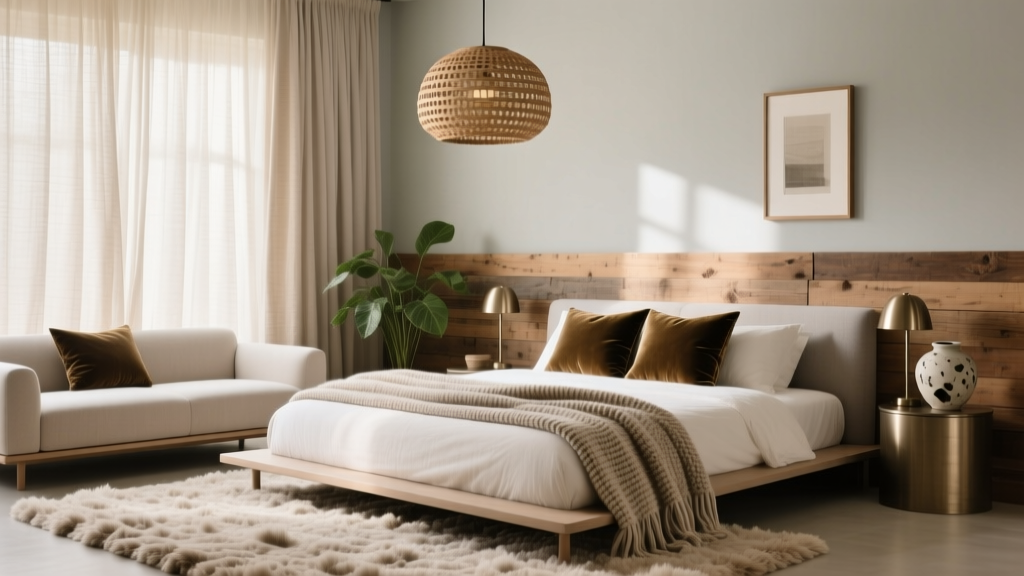 How to Incorporate Texture in Bedroom Decor - The Decor Mag
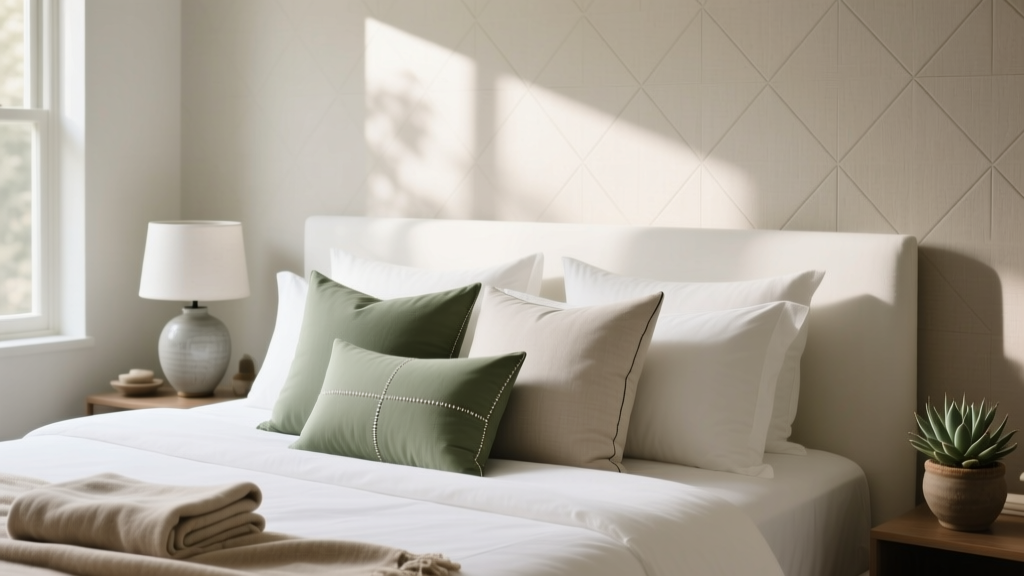 How to Choose Bedroom Euro Sham Size - The Decor Mag
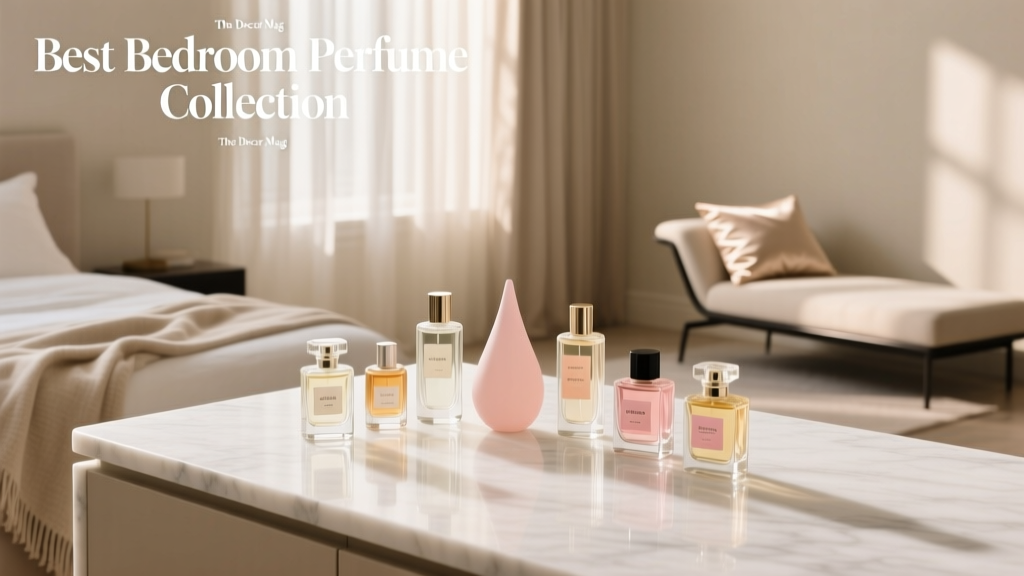 Best Bedroom Perfume Collection Display - The Decor Mag
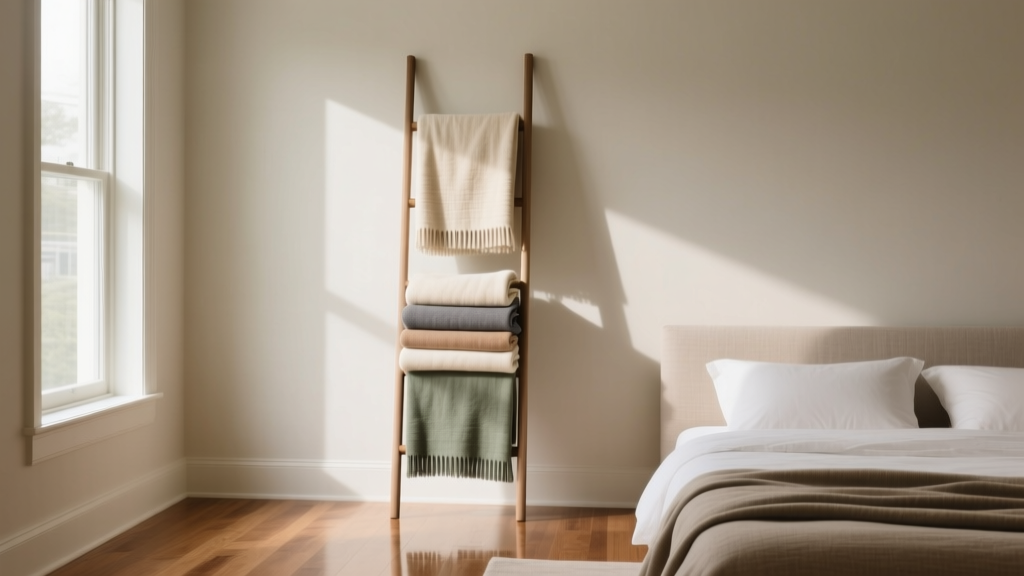 How to Choose Bedroom Blanket Ladder Style - The Decor Mag
 How to Create a Bedroom That Feels Warm - The Decor Mag
Best Bedrooms for Warm Climates: Design, Materials, and Climate-Smart Strategies
How to Create a Bedroom That Feels Warm - The Decor Mag
Best Bedrooms for Warm Climates: Design, Materials, and Climate-Smart Strategies
 How to Style a Bed Like a Hotel - The Decor Mag