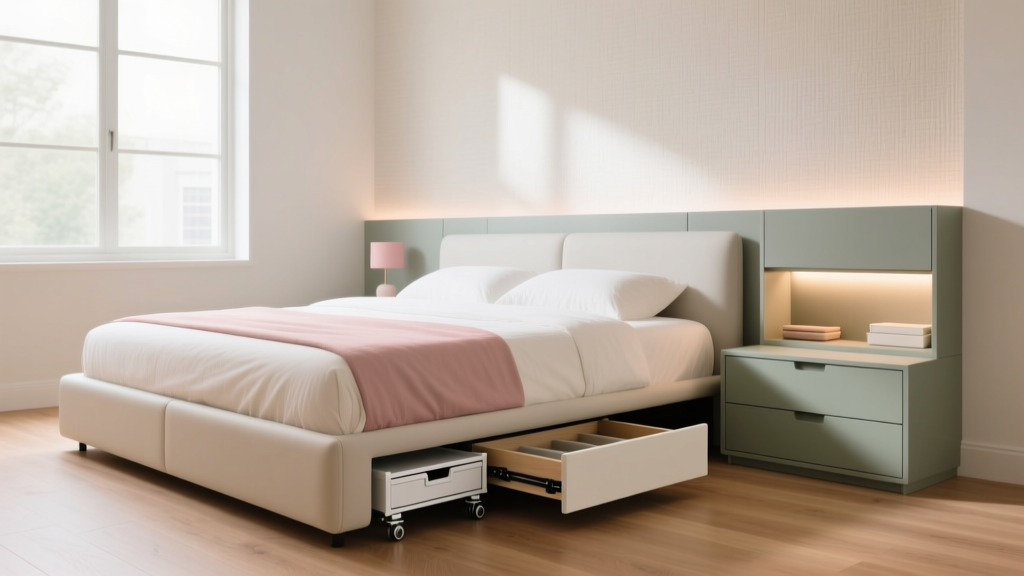
Best Bedroom Storage Solutions Under Bed - The Decor Mag
A calm bedroom starts with clear surfaces and a sense of breathing room. When clothing piles up, extra linens spill out of closets, or “temporary” clutter lingers on chairs, your brain reads the space as unfinished business. That low-level visual noise can make it harder to unwind at night and easier to wake feeling unrefreshed. Good bedroom design isn’t only about style—it directly shapes your sleep environment, your routines, and your ability to relax.
Under-bed storage is one of the most overlooked ways to create a more restful bedroom. It uses a large footprint you already have, without adding bulky furniture that crowds pathways or blocks natural light. The best under-bed storage solutions feel invisible: they keep essentials close, reduce dust-traps, and support a soothing layout—so your bedroom looks intentional and feels ready for sleep.
This guide covers practical under-bed storage options for homeowners and renters, with sleep-friendly wellness tips, material recommendations, and budget ranges to help you choose what works for your room, your bed type, and your lifestyle.
Why Under-Bed Storage Supports Better Sleep
Clutter isn’t just an aesthetic issue. A messy bedroom can increase mental stimulation at the very time you want your nervous system to downshift. Thoughtful bedroom storage helps in three sleep-supportive ways:
- Less visual clutter: Clear floors and surfaces reduce “to-do” cues and make the room feel calmer.
- Smoother bedtime routines: When pajamas, linens, or seasonal items have a home, you spend less time searching and more time winding down.
- Cleaner air and fewer allergens: The right storage reduces dust buildup under the bed—especially important for sensitive sleepers.
Before You Buy: Measure and Plan for a Sleep-Friendly Layout
1) Check your under-bed clearance
Measure the height from the floor to the bottom of your bed frame (not the top of the mattress). This determines which product types will actually fit.
- Low clearance (3–5 inches): Slim fabric bags, vacuum storage, low-profile rolling bins.
- Medium clearance (6–8 inches): Most rolling drawers, woven baskets, shallow hard bins.
- High clearance (9–12+ inches): Deeper drawers, bulkier bins, modular systems, or a bed riser setup.
2) Map how you move around the bed
For a relaxing bedroom layout, keep pathways open—especially around the side you use most. Under-bed storage works best when you can access it without dragging items across the room.
- If one side is tight (nightstand, wall, radiator), choose rolling drawers accessible from the open side.
- If both sides are open, consider two matching units to balance the look.
- If you have a footboard, prioritize side access (not pull-out from the foot).
3) Decide what should live under the bed
Under-bed space is best for “quiet” items you don’t need daily. Keep sleep-related essentials simple and avoid anything that could create odors or clutter creep.
- Great candidates: extra bedding, seasonal clothing, guest linens, spare pillows (sealed), off-season shoes, sentimental textiles.
- Avoid: food, scented products that can off-gas, damp items, important papers, and anything you need every morning.
Best Under-Bed Storage Solutions (Product Types That Actually Work)
Under-Bed Storage Drawers (Built-In or Freestanding)
Drawers are the most furniture-like option, ideal if you want your bedroom decor to feel cohesive and “finished.” Choose drawers if you prefer easy access and a tidy look.
- Best for: clothes, pajamas, spare sheets, accessories
- Materials to look for: solid wood, plywood with veneer, powder-coated steel frames
- Sleep-friendly tip: choose soft-close hardware or felt pads to reduce noise during late-night access
Budget range:
- $80–$200: freestanding rolling drawers (plastic/metal frames)
- $250–$900+: bed frames with integrated drawers (often 2–4 large drawers)
Design recommendation: If your bedroom design leans minimalist, choose matte white, warm oak, or soft black drawers to visually “disappear” under the bed.
Rolling Under-Bed Bins (Hard-Sided)
Hard-sided bins protect contents from dust and are easy to wipe clean—great for renters, kids’ rooms, or anyone dealing with allergies. Look for low-profile wheels that glide smoothly on rugs.
- Best for: seasonal clothing, shoes in bags, extra linens, backup toiletries (sealed)
- Materials to look for: BPA-free polypropylene, durable latching lids, reinforced corners
- Sleep-friendly tip: choose bins with quiet rubber wheels if you’ll pull them out at night
Budget range: $20–$60 per bin; $60–$150 for a multi-pack.
Practical tip: Use uniform bins for a calmer look and easier stacking/labeling. Matching storage instantly makes the bedroom feel more organized.
Zippered Fabric Under-Bed Bags (Best for Soft Goods)
Fabric bags are lightweight, flexible, and ideal for folding soft items. They’re a smart choice when you need storage but don’t want hard plastic in the bedroom aesthetic.
- Best for: sweaters, guest bedding, off-season clothing
- Materials to look for: thick nonwoven fabric, reinforced handles, smooth zippers
- Sleep-friendly tip: avoid strongly scented “freshener” inserts; instead, use an unscented cedar block in a breathable pouch if needed
Budget range: $15–$45 each; $40–$90 for sets.
Wellness note: If you’re sensitive to dust, choose bags with tight weaves and full-zip closures, and wash fabrics seasonally.
Vacuum-Seal Bags (Maximum Space Savings)
Vacuum-seal storage is a powerful option for bulky textiles like comforters or winter coats. It’s not the most decorative solution, but it’s extremely effective for small bedrooms and closets.
- Best for: duvets, blankets, puffer jackets, out-of-season bedding
- Materials to look for: thick plastic with double-zip seals and durable valves
- Sleep-friendly tip: make sure items are fully dry before sealing to prevent musty odors under the bed
Budget range: $15–$40 for a set; $40–$80 for premium heavy-duty kits.
Practical tip: Place vacuum bags inside a slim, lidded under-bed bin to prevent punctures and make sliding easier.
Woven Baskets (For a Soft, Natural Bedroom Look)
Woven baskets can bring warmth to bedroom decor—especially in coastal, Scandinavian, or boho bedrooms. They work best when your under-bed area is visible (platform beds, open frames).
- Best for: extra throws, guest linens, light clothing
- Materials to look for: seagrass, water hyacinth, rattan, lined cotton interiors
- Sleep-friendly tip: use a lined basket to reduce snagging and dust transfer
Budget range: $25–$90 per basket; $100–$250 for coordinated sets.
Design recommendation: Choose baskets in a tone that complements your bedroom color palette—warm neutrals (sand, oat, caramel) pair well with calming wall colors like soft white, greige, muted sage, or dusty blue.
Lift-Up Ottoman Storage Beds (Hidden Storage Without Visual Clutter)
If you’re ready for a bigger upgrade, an ottoman (gas-lift) storage bed turns the entire under-mattress area into storage. It’s ideal for small bedrooms and for anyone who prefers a clean, minimal bedroom design.
- Best for: maximizing storage, studio apartments, homes with limited closets
- Materials to look for: sturdy hardwood or steel frame, quality gas struts, breathable base panels
- Sleep-friendly tip: ensure airflow—choose designs with ventilation or add breathable storage containers inside
Budget range: $400–$1,500+ depending on upholstery, size, and build quality.
What to Store Under the Bed (A Calm, Sleep-Supportive System)
Use under-bed storage to simplify your bedroom—not to hide chaos. A helpful approach is to organize by “sleep seasons” and “sleep routines.”
Easy under-bed categories
- Seasonal bedding: flannel sheets, lightweight summer quilt, spare duvet insert
- Off-season clothing: labeled by category (winter knits, summer linens)
- Guest-ready kit: spare pillowcases, a folded blanket, travel-size lint roller
- Extra pillows (sealed): store in a zippered protector to keep dust out
Labeling that doesn’t look messy
- Use neutral labels (white, beige, soft gray) with clear print.
- Label the front edge that faces out for quick access.
- Keep it broad: “LINENS,” “WINTER,” “GUEST” rather than overly detailed lists.
Bedroom Design Recommendations That Pair Well With Under-Bed Storage
Choose a bed frame that complements storage (and sleep comfort)
- Platform beds: often have less clearance; pick slim bins or consider integrated drawers.
- Standard frames: usually have more clearance; rolling bins and drawers work well.
- Upholstered beds: soften sound and add coziness; pair with fabric bags for a quiet, uniform look.
Budget-friendly upgrade: If you need more clearance, consider bed risers ($15–$40). Choose sturdy, non-slip versions and avoid raising the bed so high it feels visually ungrounded.
Use bedding to create a calmer visual line
- A bed skirt (or tailored wrap-around style) can conceal under-bed storage for a cleaner look.
- Choose breathable, sleep-friendly fabrics like cotton percale for crisp coolness or linen for relaxed airflow.
Budget range: $25–$90 for bed skirts; $60–$250+ for quality sheet sets depending on fiber and weave.
Lighting that supports tidy habits
Good lighting reduces the “I’ll deal with it later” pile. It also supports healthier wind-down routines.
- Add a warm bedside lamp (2700K) for calming pre-sleep light.
- Consider motion-sensor under-bed lighting for gentle nighttime navigation—helpful without turning on harsh overhead lights.
Budget range: $20–$60 for under-bed LED strips; $40–$150 for a warm bedside lamp.
Colors that make the room feel spacious
When your room feels tight, clutter feels louder. Under-bed storage works best in a soothing color palette that visually expands the space.
- Best calming neutrals: warm white, creamy ivory, pale greige
- Soft color accents: muted sage, dusty blue, gentle clay
- Tip: match visible storage (like baskets) to your dominant neutral for a seamless look.
Sleep-Friendly Wellness Tips for Under-Bed Storage
- Prioritize clean air: Choose sealed containers if you have allergies. Vacuum under the bed monthly to reduce dust buildup.
- Avoid odor traps: Never store damp items. If you’re storing textiles long-term, wash and dry them fully first.
- Keep noise low: Add felt pads to drawer edges or choose rubberized wheels to prevent late-night scraping sounds.
- Make it a “one-minute reset”: End the day by putting one item away. A small, repeatable habit keeps the bedroom calm.
- Reduce bedtime decisions: Store backup bedding and seasonal items under the bed so closets stay uncluttered and easy to maintain.
Common Mistakes to Avoid
- Buying before measuring: Even half an inch matters—especially with plush rugs, low bed rails, or support slats.
- Overfilling containers: Overstuffed bags can strain zippers and create lumps that block airflow under the bed.
- Storing “miscellaneous” bins: Mystery bins become clutter magnets. Every container should have a clear category.
- Ignoring dust control: Open baskets can collect dust. Use liners, lidded bins, or zip covers for textiles.
- Blocking access to sleep essentials: Keep daily items (medication, water, charger) in a nightstand, not under the bed.
- Choosing harsh materials for the vibe: Loud plastic colors or mismatched bins can make a calm bedroom feel utilitarian. Neutral, consistent materials support a more relaxing decor.
FAQ: Under-Bed Storage for a Better Sleep Environment
What is the best under-bed storage for small bedrooms?
For maximum space savings, a lift-up ottoman storage bed offers the most capacity. If you’re not replacing the bed, use uniform rolling bins or vacuum-seal bags inside lidded containers to keep the room looking tidy.
Is it bad for airflow or sleep to store things under the bed?
Storing items under the bed can be perfectly fine if you keep things clean, dry, and contained. Avoid piles and loose items that trap dust. If you’re prone to allergies, choose sealed bins and vacuum regularly to support a healthier sleep environment.
What should you never store under your bed?
Avoid food, anything damp, strong chemical cleaners, and items that attract pests or odors. Important documents also don’t belong under the bed due to dust and potential moisture.
How do I keep under-bed storage from looking cluttered?
Use a coordinated system: matching bins or bags in neutral tones, simple labels, and a consistent category per container. A bed skirt can hide under-bed storage while keeping the bedroom decor soft and cohesive.
What’s the best material for under-bed storage containers?
For durability and easy cleaning, choose hard-sided polypropylene bins with latching lids. For a warmer look, choose lined woven baskets (best in low-dust homes). For soft goods, reinforced fabric zip bags work well.
Next Steps: A Simple Plan to Transform Your Under-Bed Space
Start with a quick reset that supports both bedroom storage and sleep quality:
- Measure clearance and decide whether you need low-profile bins or a bigger bed upgrade.
- Choose one storage type (drawers, rolling bins, fabric bags) and keep it consistent for a calmer look.
- Create 3–5 categories you’ll actually maintain (like LINENS, WINTER, GUEST).
- Seal, label, and slide in—then vacuum under and around the bed.
- Add one supportive touch: warm lighting, a bed skirt, or breathable bedding to reinforce a restful bedroom design.
A bedroom that feels open and orderly encourages deeper rest, smoother routines, and a more peaceful start and end to your day. For more calming bedroom decor, sleep environment upgrades, and smart storage ideas, explore the latest guides on thedecormag.com.
More Articles
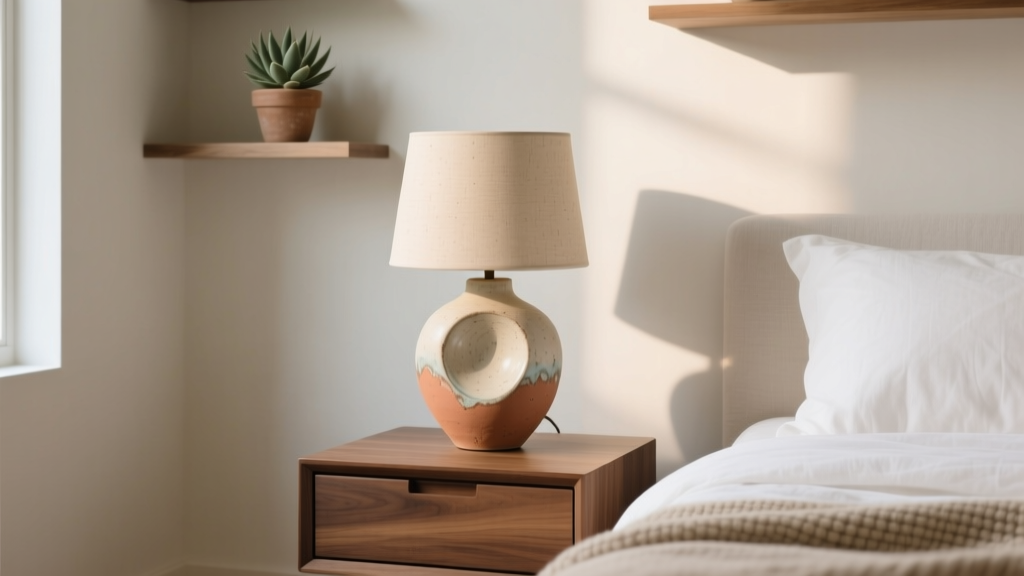 Bedroom Handmade Ceramic Nightstand Lamp - The Decor Mag
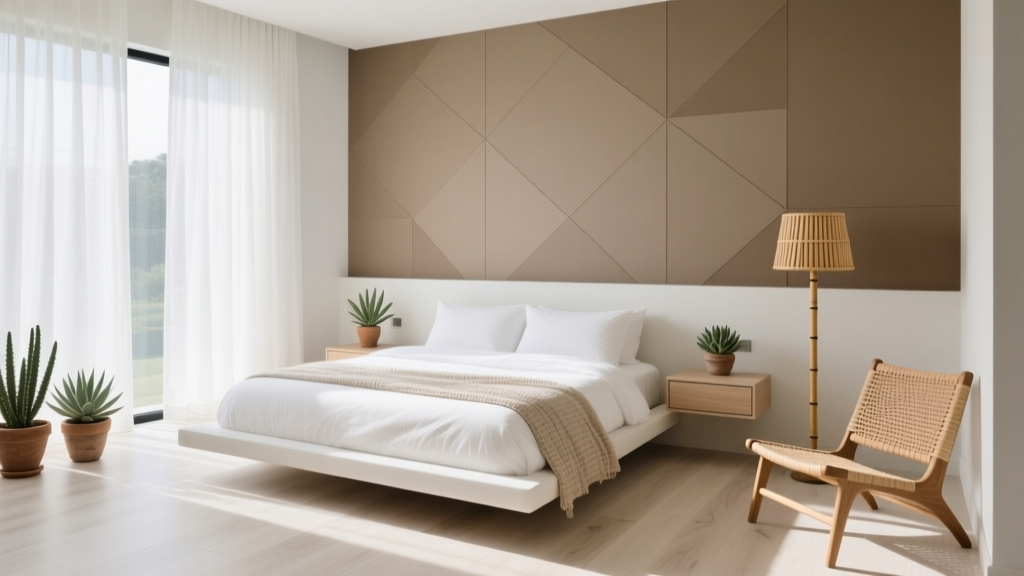 Summer Bedroom Design: Stay Cool & Stylish
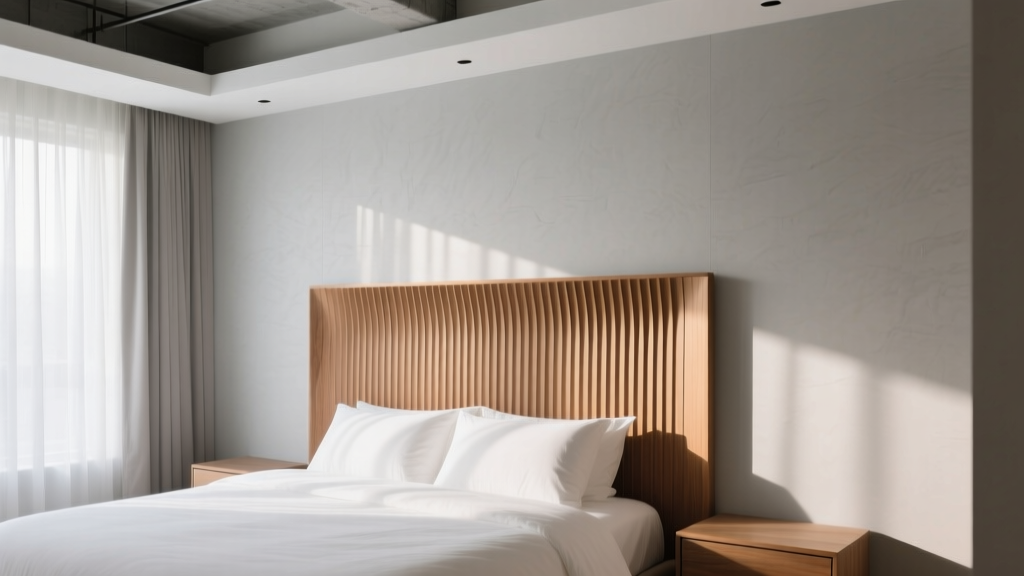 Bedroom Fluted Headboard Panel Design - The Decor Mag
 How to Create a Bedroom That Feels Luxurious - The Decor Mag
 Bedroom Curtains for Better Sleep (2026)
 Best Bedroom Scarf and Accessory Storage - The Decor Mag
 Bedroom Layout Common Mistakes: What 92% of Homeowners Get Wrong (And How to Fix Them)
 Bedroom Textured Plaster Headboard Wall - The Decor Mag
 Best Bedroom Sleep Tracking Device Spot - The Decor Mag
 Best Bedroom Sleep Hygiene Essentials - The Decor Mag