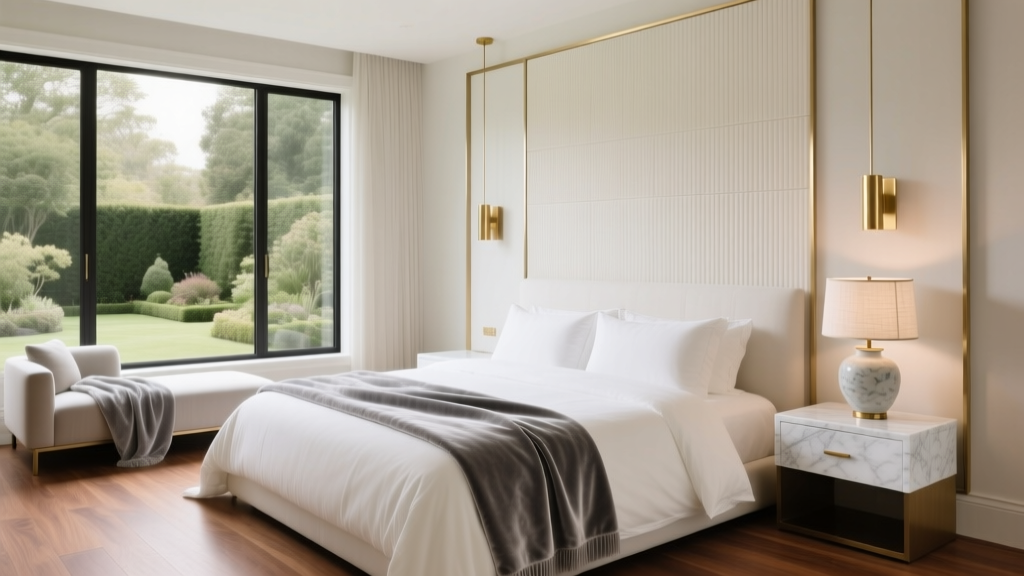
How to Create a Bedroom That Feels Luxurious - The Decor Mag
A luxurious bedroom isn’t about chasing trends or buying the most expensive pieces in the store. It’s the feeling you get when you walk in: your shoulders drop, the air feels calmer, and the space quietly signals, “You can rest here.” That sense of ease is deeply connected to sleep quality. When your bedroom design reduces visual noise, supports comfort, and controls light and temperature, your brain transitions more smoothly into sleep.
For homeowners and renters alike, a luxury feel is achievable with the right mix of layout, textures, lighting, and sleep-friendly choices. The goal is to build a sleep environment that looks elevated and functions beautifully—without turning your bedroom into a showroom. Below are practical, expert-backed design steps (with budget ranges and product types) to help you create a bedroom that feels like a boutique hotel, but sleeps like a sanctuary.
Start With the “Luxury Formula”: Calm + Comfort + Cohesion
Most bedrooms that feel luxurious share three qualities:
- Calm: minimal clutter, balanced color, soothing light, and a layout that feels intuitive.
- Comfort: bedding you look forward to, supportive mattress/pillows, and a pleasant temperature.
- Cohesion: materials and finishes that feel intentional, repeated in small ways throughout the room.
Before buying anything, take five minutes to look at your bedroom as a whole. What feels “off”? Common culprits are mismatched lighting color temperatures, too many competing patterns, undersized rugs, and visible clutter. Fixing those issues often creates a luxury upgrade faster than a major purchase.
Layout First: Make the Room Feel Larger and More Restful
Luxury design has breathing room. Even in a small bedroom, a thoughtful layout can create that spacious, unhurried feeling.
Anchor the bed like a focal point
- Center the bed on the main wall whenever possible, leaving 18–30 inches of clearance on each side.
- If space is tight, prioritize one comfortable side for entry and use a slimmer nightstand on the other.
- Avoid placing the bed directly in line with the door if you can; it tends to feel less restful.
Use symmetry (even “soft symmetry”)
Symmetry reads as polished and hotel-like. If matching nightstands aren’t possible, aim for balance:
- Two similar-height nightstands or a nightstand + small dresser of comparable scale
- Matching lamps, or matching wall sconces
- Artwork balanced with wall lamps or tall curtains on the opposite side
Clear the pathways
A calm sleep environment is also a safe, easy-to-navigate one. Keep walking paths open:
- 24–30 inches for main walkways
- 36 inches if you frequently pass each other or have a door swing nearby
Invest Where It Matters: The Bed, Mattress, and Bedding
If you want your bedroom to feel luxurious, start with what you touch every night. The right bedding and sleep setup affects comfort, temperature regulation, and overall sleep quality.
Choose a bed frame that looks tailored
Luxury bedrooms often feature a substantial, grounded bed. Consider these styles:
- Upholstered bed frame: softens the room visually; great for cozy, quiet luxury. Look for performance fabrics (poly blends, crypton, or tightly woven linen blends).
- Wood platform bed: warm, timeless, and sturdy; walnut, oak, or ash finishes feel upscale.
- Metal frame with simple lines: clean and elegant; choose matte black or warm brass over shiny chrome.
Budget ranges: $200–$600 (basic frames), $700–$1,500 (midrange quality), $1,500–$3,500+ (designer or heirloom-grade).
Upgrade your mattress (or strategically improve it)
A beautiful bedroom won’t feel luxurious if you’re waking up sore or overheated.
- If your mattress is 7–10+ years old or sagging, replacement usually gives the biggest sleep payoff.
- If replacement isn’t possible yet, try a 2–3 inch mattress topper (latex for responsiveness and cooler sleep; memory foam for pressure relief; wool for temperature balance).
Budget ranges: $800–$2,500 for a solid mattress; $150–$500 for a quality topper.
Build a “hotel bed” with layers (not clutter)
Luxury bedding is about breathable materials, clean lines, and thoughtful layering:
- Sheets: Long-staple cotton percale (crisp and cool) or sateen (smooth and warmer). Linen is excellent for hot sleepers.
- Comfort layer: A lightweight down-alternative insert or wool duvet for year-round balance.
- Duvet cover: Cotton percale or linen in a solid, calming tone.
- Throw blanket: Merino wool, cotton knit, or cashmere blend at the foot of the bed.
- Pillows: Two sleeping pillows + two shams for a finished look. Keep decorative pillows minimal if you dislike nightly rearranging.
Material recommendations for sleep comfort:
- Best for cooling: Cotton percale, linen, bamboo lyocell (look for OEKO-TEX certified options)
- Best for warmth: Cotton sateen, flannel (seasonal), wool duvet, down (if not sensitive)
- Best for sensitive sleepers: Hypoallergenic encasements + washable cotton covers
Budget ranges (bedding): $80–$200 sheets (good), $200–$450 sheets (luxury), $150–$400 duvet insert, $60–$200 duvet cover, $40–$120 throw.
Lighting That Feels Like a Boutique Hotel (and Supports Sleep)
Lighting is one of the fastest ways to elevate bedroom decor while also improving your sleep environment. Bright, cool overhead light can disrupt melatonin and make the room feel stark. Layered, warm lighting signals the body that bedtime is approaching.
Use three layers of bedroom lighting
- Ambient: A ceiling fixture or semi-flush mount on a dimmer
- Task: Bedside reading lamps or wall sconces
- Accent: A soft glow from a floor lamp, picture light, or LED strip tucked behind a headboard
Pick warm bulbs and add dimmers
- Aim for 2700K (warm white) for most bedroom lights.
- Choose dim-to-warm LEDs if available; they mimic incandescent light as you dim.
- If you rent, use plug-in dimmers and smart bulbs rather than hardwiring.
Budget ranges: $15–$40 per smart bulb, $25–$80 plug-in dimmer, $80–$250 per bedside lamp, $120–$400 for quality sconces (plus installation if needed).
Reduce sleep-disrupting light at night
- Use a low amber night light for bathrooms/hallway trips.
- Avoid bright blue-white light after dinner; it can make it harder to fall asleep.
- Keep phone charging out of direct sight to reduce temptation and glow.
Color, Texture, and Materials: Quiet Luxury Without Overdoing It
Luxury bedrooms rarely rely on loud color. They feel rich through texture: matte finishes, natural fibers, and layered neutrals.
Choose a soothing color palette
For a calm bedroom design that supports relaxation, consider these palettes:
- Warm neutrals: cream, sand, camel, soft terracotta
- Cool calm: pale greige, misty blue-gray, soft sage
- Moody luxury: deep olive, charcoal, ink blue (best with excellent lighting control)
If you want to add color without repainting, introduce it through a duvet cover, curtains, or a large rug.
Mix textures like a designer
Texture is what makes a neutral bedroom feel layered rather than flat. Try combining:
- Matte + sheen: linen drapes with a subtle sateen duvet
- Soft + structured: boucle bench with crisp percale sheets
- Natural + refined: wood nightstands with a stone or ceramic lamp base
Window Treatments That Look Upscale and Improve Sleep
Few changes transform a room faster than properly hung curtains. They add height, softness, and a finished look—while also controlling light and temperature for better sleep quality.
Hang curtains the “luxury way”
- Mount rods 4–8 inches above the window frame (or closer to the ceiling in small rooms).
- Extend the rod 6–12 inches beyond the window on each side to make the window feel larger.
- Choose panels long enough to kiss the floor or lightly puddle (puddling looks luxe but can collect dust).
Choose blackout + softness
- For sleep, use blackout liners or true blackout curtains—especially if you have streetlights or early sunrise exposure.
- Layer with sheer curtains if you want daytime privacy without losing natural light.
Budget ranges: $40–$120 per panel (good), $120–$300 per panel (higher-end fabrics). Blackout liners: $20–$60 each.
Rugs and Underfoot Comfort: The “Barefoot Test”
A luxurious bedroom feels good the second your feet hit the floor. A rug also visually anchors the bed and reduces echo, helping the room feel quieter.
- For a queen bed, a 8' x 10' rug usually looks best; for king, 9' x 12' if space allows.
- Place the rug so it extends at least 18–24 inches beyond the sides of the bed.
- Choose a dense rug pad for cushion and stability.
Material picks: wool (plush and durable), wool-blends (budget-friendly), cotton flatweave (lighter look), or high-quality washable rugs for homes with pets.
Budget ranges: $150–$400 (synthetic or flatweave), $500–$1,500 (wool and higher quality), $60–$180 rug pad.
Storage and Styling: Make It Feel Effortless, Not Empty
Luxury is often the absence of clutter. A calm bedroom supports a calmer nervous system, which supports better sleep. Focus on concealed storage and a few intentional objects.
Upgrade nightstands for function and visual calm
- Choose nightstands with drawers to hide chargers, lotions, and small essentials.
- Aim for a height within 2–4 inches of your mattress top.
- Use a small tray to corral items: lip balm, hand cream, jewelry.
Add one “luxury moment” vignette
Keep it simple and tactile:
- Ceramic dish + book + small lamp
- Carafe and glass on a tray (especially in warm climates)
- A single sculptural branch or eucalyptus in a tall vase (avoid heavy fragrance if you’re sensitive)
Consider a bench or ottoman at the foot of the bed
- Choose upholstered, boucle, or leather-look options for a tailored finish.
- For small rooms, a slim bench adds function without crowding.
- Storage benches are great for extra bedding.
Budget ranges: $120–$350 (bench), $350–$900 (higher quality upholstery or storage).
Sleep Wellness Upgrades That Feel Luxurious
Design and sleep are intertwined. These upgrades improve comfort and reinforce the bedroom as a space for rest.
- Temperature control: Aim for a cool room (often 60–67°F for many sleepers). Use a breathable duvet, a quiet fan, or linen sheets if you run hot.
- Air quality: Consider a HEPA air purifier for allergens and dust; it can also provide gentle white noise. Budget: $80–$300.
- Sound: Add soft textiles (rug, curtains) to reduce echo. If noise is a problem, use a white noise machine or a fan. Budget: $25–$100.
- Scent (lightly): Choose subtle, calming options like lavender or cedar—but keep fragrance minimal, especially for headaches or allergies. A reed diffuser can be gentler than strong candles.
- Screen boundaries: If possible, keep the TV out of the bedroom. If not, cover it with a panel or place it inside a cabinet to reduce the “always on” feel.
Common Mistakes That Make a Bedroom Feel Less Luxurious
- Overcrowding the room: too many small pieces instead of fewer, better-scaled ones.
- Undersized rug: it makes the bed look like it’s floating and shrinks the room visually.
- Harsh overhead light: a single bright fixture without dimming feels clinical, not relaxing.
- Too many patterns: competing prints create visual noise that can feel mentally stimulating at night.
- Ignoring window treatments: poor light control can disrupt sleep and make the room feel unfinished.
- Clutter on nightstands: it’s the last thing you see before sleep—keep surfaces calm.
FAQ: Luxurious Bedroom Design and Sleep Environment
What’s the fastest way to make a bedroom feel luxurious on a budget?
Upgrade your bedding layers (fresh white or neutral duvet cover, plush throw), add warm bulbs (2700K) with a dimmer, and hang curtains higher and wider. These three changes often create the biggest “hotel” impact for under $300–$600 depending on what you already have.
What colors are best for a calming, sleep-friendly bedroom?
Soft neutrals, muted greens, and gentle blue-grays are consistently soothing. If you prefer darker walls, try charcoal or deep olive with blackout curtains and warm lighting to keep the room cozy rather than heavy.
How can renters create a luxury bedroom without painting or major renovations?
Focus on removable upgrades: plug-in wall sconces, peel-and-stick blackout shades behind curtains, a large area rug, upgraded bedding, and adhesive hooks for hanging art. Swapping bulbs to warm temperature lighting also makes a huge difference.
Are blackout curtains really worth it for sleep quality?
For most people, yes—especially if you deal with streetlights, early sunrise, or irregular schedules. Darkness supports melatonin production, helping you fall asleep and stay asleep more easily.
What bedding material feels the most “luxury hotel” and sleeps well?
Long-staple cotton percale is a classic: crisp, breathable, and cool. If you like a smoother feel, cotton sateen is elegant and slightly warmer. Linen is excellent for hot sleepers and has a relaxed, high-end texture.
How do I make a small bedroom feel more upscale?
Use a larger rug to visually expand the space, keep the palette cohesive, and choose wall-mounted or slim-profile lighting to free up nightstand space. Prioritize concealed storage so surfaces stay clear and restful.
Next Steps: A Simple Luxury Bedroom Plan You Can Do This Week
- Declutter two surfaces: nightstands and dresser top (aim for 3–5 items max per surface).
- Upgrade your lighting: warm bulbs + one dimmable bedside light source.
- Refresh the bed: a new duvet cover and two matching pillow shams for an instant “suite” look.
- Improve sleep comfort: add blackout curtains or a breathable topper if temperature or pressure points are an issue.
- Create one intentional moment: a tray, a book, and a soft lamp glow—simple, calm, complete.
A luxurious bedroom is the one that makes rest feel natural. When your bedroom decor supports comfort, quiet, and light control, your sleep environment becomes a real wellness tool—not just a pretty space.
For more soothing bedroom ideas, smart layout tips, and sleep-friendly decor inspiration, explore the latest guides on thedecormag.com.
More Articles
 Best Bedroom Lingerie Drawer Organizers - The Decor Mag
 How to Choose Bedroom Blanket Ladder Style - The Decor Mag
 How to Style a Bedroom with Layered Textiles - The Decor Mag
 Bedroom Low Profile Bed Frame Styles - The Decor Mag
 Bedroom Fluted Detail Bedside Table - The Decor Mag
 How to Incorporate Vintage Linens in Bedroom - The Decor Mag
 Bedroom Lighting Ideas for Soothing Ambiance (2026)
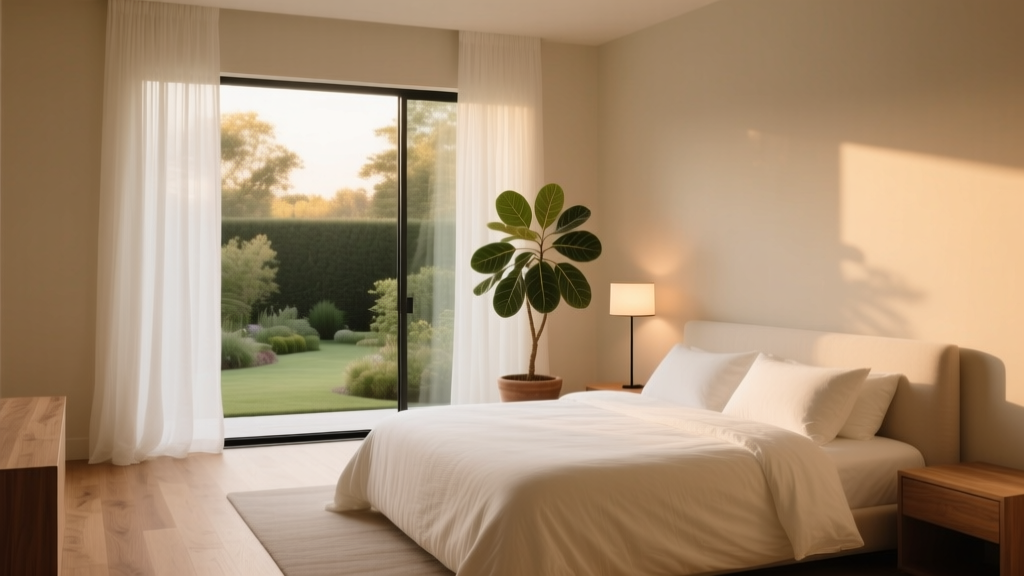 Bedroom Retreat: Decor Ideas for 2026
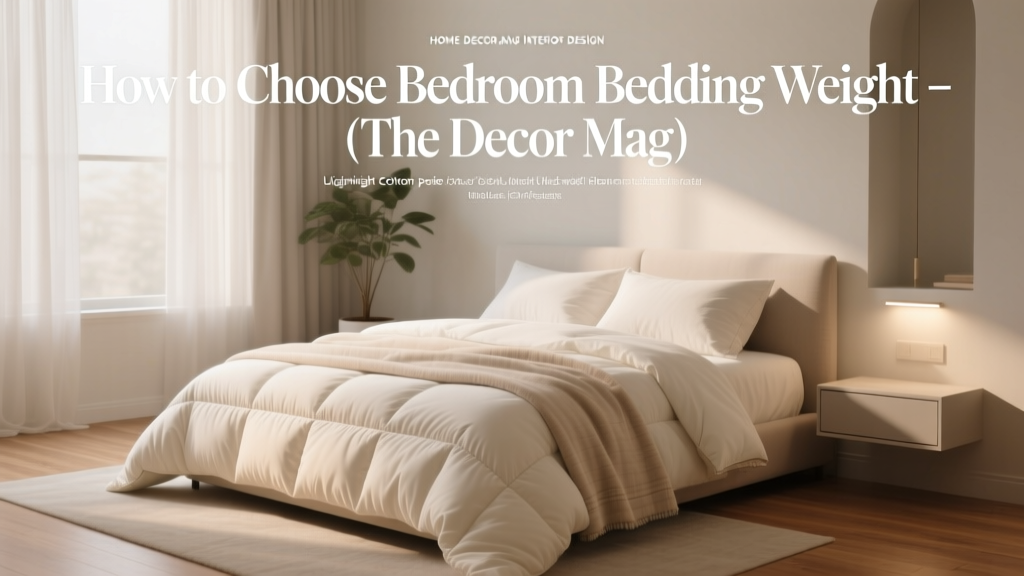 How to Choose Bedroom Bedding Weight - The Decor Mag
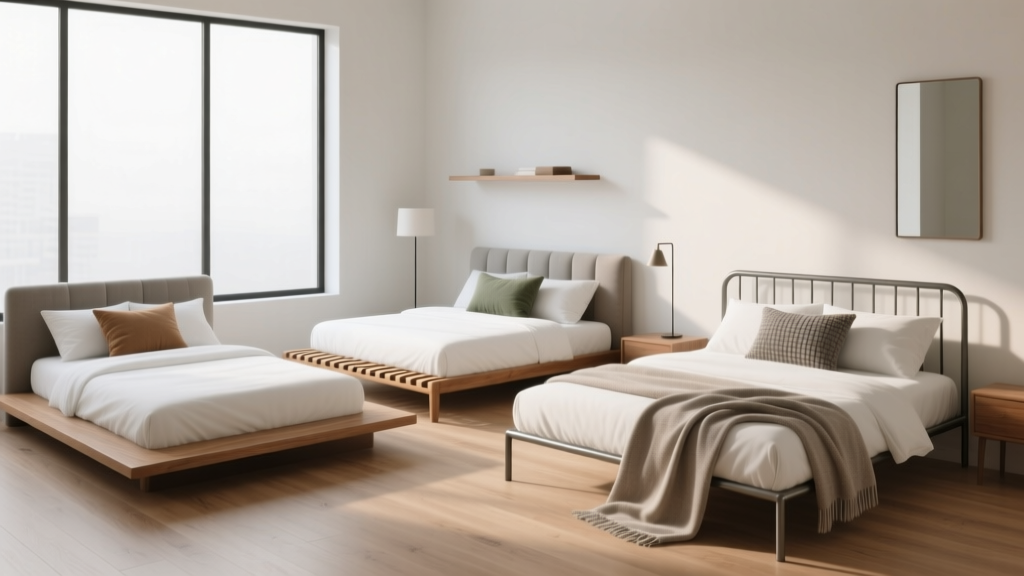 How to Choose the Right Bed Frame - The Decor Mag