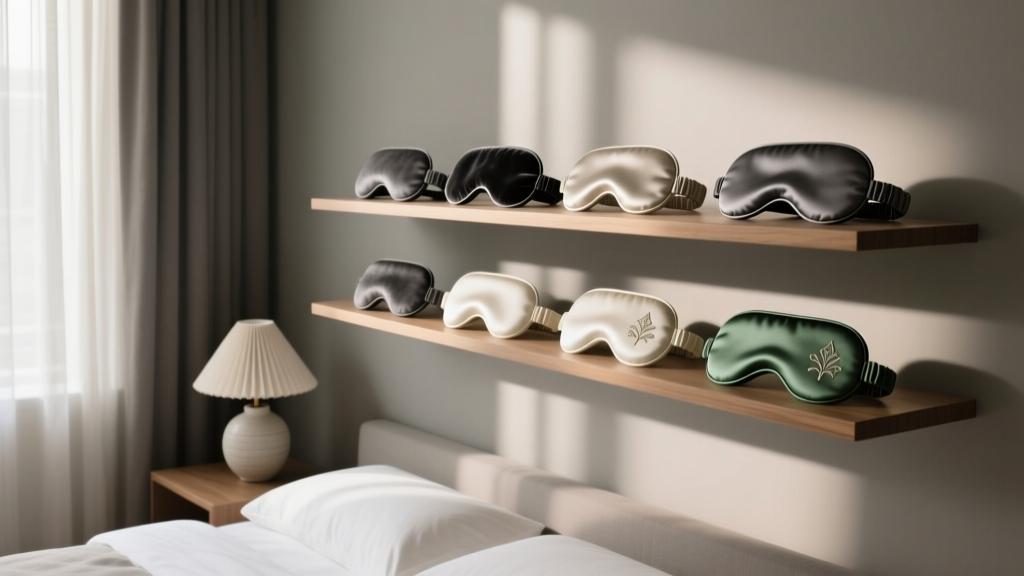
Best Bedroom Sleep Eye Mask Collection - The Decor Mag
A truly restful bedroom isn’t only about a beautiful headboard or crisp bedding—it’s about creating a sleep environment that supports your nervous system. Light is one of the most powerful signals your brain uses to decide whether it’s time to be alert or to wind down. Even small amounts of ambient glow from streetlights, a hallway nightlight, or an early sunrise can interrupt melatonin production and fragment sleep.
That’s where a thoughtfully chosen sleep eye mask becomes a quiet hero in your bedroom design plan. The best eye masks don’t just “cover your eyes”—they help maintain darkness, ease facial tension, and encourage a consistent bedtime routine. When paired with smart lighting, calming colors, and an uncluttered layout, an eye mask becomes part of a whole-room approach to better sleep quality and wellbeing.
This curated collection breaks down the most effective eye mask types, the materials worth paying for, and how to style your bedroom so your mask (and your habits) actually get used—night after night.
Why Eye Masks Belong in a Sleep-Friendly Bedroom Setup
Light control is sleep control
Bedroom design and sleep quality are closely linked, and light management is one of the biggest design wins you can make. If blackout curtains aren’t possible in a rental, or your partner’s schedule requires lights at odd hours, an eye mask offers immediate, portable darkness.
- Supports deeper sleep: Less light exposure can reduce nighttime awakenings.
- Helps shift workers and travelers: Daytime sleep becomes more achievable.
- Creates routine: Putting on a mask can act as a cue that it’s time to rest.
Design-friendly wellness tool
Unlike bulky gadgets, an eye mask can live neatly on your nightstand tray, in a bedside drawer, or on a decorative hook. When the bedroom layout is intentional—clear surfaces, easy reach storage, soothing lighting—you’re more likely to use small sleep supports consistently.
Best Sleep Eye Mask Types (and Who They’re For)
“Best” depends on your sleep position, sensitivity to pressure, and your bedroom’s light situation. Below are the most effective product types for building your own sleep eye mask collection.
1) Total blackout masks for light-sensitive sleepers
If you wake with sunrise, live near streetlights, or have bright electronics in the room, start here. Look for masks with a light-blocking rim that seals around the face without gaps.
- Best for: City bedrooms, east-facing windows, shared spaces
- Key features: Wide coverage, nose bridge design, adjustable strap
- Material tips: Smooth inner lining (mulberry silk or brushed modal), breathable outer layer
Budget range: $15–$45 for solid options; $50–$90 for premium blackout designs with contoured seals.
2) Contoured “3D” masks for zero eye pressure
Contoured eye masks create a small dome over the eyes, which helps if you dislike pressure on eyelids or if you wear lashes. They’re also a great choice if you’re prone to dry eye irritation and want less friction.
- Best for: Side sleepers who hate tight masks, lash extensions, sensitive eyelids
- Key features: Deep eye cups, soft edge binding, strong light block around the nose
- Material tips: Memory foam with a breathable cover (modal, bamboo viscose, or microfiber)
Budget range: $12–$35; spend closer to $30+ for better foam density and longer-lasting shape.
3) Silk eye masks for temperature and skin comfort
Mulberry silk is a favorite for a reason: it feels cool, reduces tugging on delicate skin, and looks elevated on a nightstand. If your bedroom is styled for spa-like calm—neutral bedding, soft lighting, minimal clutter—silk masks fit seamlessly into that decor story.
- Best for: Warm sleepers, skincare lovers, anyone who wants a softer feel
- Key features: Real silk (not satin polyester), smooth seams, gentle strap
- Material tips: Look for 19–22 momme silk for a balance of softness and durability
Budget range: $25–$70; true high-grade silk often lands in the $45–$70 range.
4) Cooling gel or phase-change masks for hot sleepers
If you wake up overheated, a cooling mask can be calming—especially in bedrooms that run warm due to poor airflow or afternoon sun exposure. These can also pair nicely with a cool-toned bedroom color palette (soft blues, sage, pale gray) that visually reinforces a “cooler” feel.
- Best for: Hot sleepers, people who wake with puffy eyes, summer months
- Key features: Removable cooling insert, washable fabric sleeve, flexible fit
- Material tips: Choose a washable cover (bamboo viscose, modal) to keep it hygienic
Budget range: $15–$50; higher-end options may include phase-change textiles that feel cool to the touch.
5) Weighted eye masks for tension relief
A lightly weighted mask can feel like a mini “shut down” signal for the mind—especially helpful if you carry tension in your forehead or have trouble turning off racing thoughts. Weighted masks shine in bedrooms designed for relaxation: layered bedding, soft textures, warm dim lighting, and low visual noise.
- Best for: Stress-prone sleepers, light insomnia, meditation before bed
- Key features: Even weight distribution, not too heavy, soft washable fabric
- Material tips: Glass beads tend to drape more smoothly than larger pellets
Budget range: $18–$60. Aim for adjustable or well-contoured designs so it doesn’t press uncomfortably on the nose.
6) Travel-friendly foldable masks for flexible routines
If you’re building a “sleep kit” for the guest room, couch naps, or frequent travel, choose a mask that packs flat and cleans easily. These masks also help renters who don’t want to install blackout window treatments.
- Best for: Travelers, nap lovers, multi-use bedrooms
- Key features: Protective pouch, quick-dry material, simple adjustable strap
- Material tips: Microfiber or modal blends for easy care
Budget range: $10–$30.
Materials Guide: What Feels Best and Lasts Longest
Material choice affects comfort, skin feel, temperature, and how “clean” your sleep environment stays over time.
- Mulberry silk: Smooth and cool; excellent for sensitive skin. Higher cost, but often worth it for nightly use.
- Modal: Soft, breathable, and easy to wash—great for everyday practicality.
- Bamboo viscose: Often cool-to-touch and breathable; check for quality stitching and wash instructions.
- Memory foam (contoured masks): Offers structure for eye space; quality varies widely.
- Poly satin: Looks shiny and feels slippery; can trap heat and isn’t as breathable as silk.
Care tip: Choose masks with removable, washable covers if you wear skincare products at night. Wash weekly or at least every 1–2 weeks to keep your sleep hygiene on track.
Bedroom Design Pairings That Make Eye Masks Work Better
An eye mask is most effective when your overall sleep environment supports darkness, quiet, and comfort. These design updates make your bedroom more sleep-friendly—whether you own or rent.
Lighting: soften the room so your mask isn’t doing all the work
- Use warm bulbs: 2200K–2700K in bedside lamps for a calmer glow.
- Add dimmers or smart bulbs: Gradually lower light 60–90 minutes before bed.
- Block LED clutter: Cover or remove bright device lights (chargers, routers, humidifier indicators).
Budget ranges:
- Warm LED bulbs: $10–$25
- Plug-in dimmer: $15–$35
- Smart bulbs: $20–$60 per bulb (often cheaper in multipacks)
Window solutions: layer for darkness and calm
- Blackout curtains (renter-friendly rods): Major impact for early sunrise or streetlights.
- Sheer + blackout layering: Sheers for daytime softness, blackout for sleep.
- Cellular shades: Great for insulation and a clean look.
Budget ranges: $40–$120 for blackout curtain panels; $80–$250+ for quality shades depending on window size.
Bedding and textures: reduce “micro-discomforts”
If your mask feels great but the sheets itch or the duvet overheats you, sleep still suffers. Aim for bedding that complements your mask choice.
- Hot sleepers: Percale cotton sheets, lightweight duvet, breathable mattress protector.
- Cold sleepers: Flannel or brushed cotton sheets, layered blankets, draft-stopping rug.
- Sensitive skin: OEKO-TEX certified cotton or silk pillowcase to reduce irritation.
Budget ranges: $40–$90 for solid sheet sets; $120–$250 for premium cotton percale or linen blends; $20–$80 for a silk or satin pillowcase (silk costs more but performs better).
Layout and furniture: make your bedtime routine effortless
- Nightstand with a drawer: Keeps your eye mask clean and dust-free.
- Small catchall tray: A designated spot for mask, lip balm, and earplugs.
- Upholstered headboard: Visually softens the room and supports reading without harsh overhead light.
Budget ranges: $60–$200 for a compact nightstand; $10–$30 for a tray; $150–$600 for an upholstered headboard (often less secondhand).
Colors: create a darker, quieter visual field
Color affects mood and perceived brightness. If you’re aiming for a cozy sleep sanctuary, consider:
- Best calming palettes: warm white, oatmeal, greige, soft taupe, dusty blue, muted sage
- For light-sensitive sleepers: mid-tone walls (not bright white) can reduce light bounce
- Trim and ceiling: use a softer white rather than stark, bright white
Wellness Tips: How to Get More Benefit from Your Eye Mask
- Put it on after lights are off: Let your eyes relax, then mask for deeper darkness.
- Pair with a consistent wind-down: 5 minutes of breathing, a short stretch, or reading with a warm lamp builds a reliable cue for sleep.
- Keep a spare mask: One in the bedroom, one in your travel bag. Consistency helps sleep rhythm.
- Choose the right strap style: If you wake with headaches, try a wider strap or a mask with a soft, adjustable band that doesn’t dig in.
- Wash regularly: Oils and skincare buildup can irritate skin and reduce comfort—especially with silk or foam masks.
Common Mistakes to Avoid
- Choosing a mask that’s too tight: Tight straps can cause headaches or pressure around the eyes. Comfort should feel barely-there.
- Buying “satin” expecting silk: Satin is a weave, not a fiber. Many satin masks are polyester and can run warm.
- Ignoring side-sleep comfort: Bulky masks can shift and leak light. Side sleepers often do best with contoured or low-profile silk styles.
- Letting bright bedroom lighting stay harsh: If overhead lights are the default at night, you’ll feel more alert—even with an eye mask later.
- Skipping storage: Leaving masks on dusty surfaces or tangled in charging cords shortens lifespan and makes them less appealing to use.
FAQ: Sleep Eye Masks and Bedroom Design
What’s the best eye mask for total darkness?
Look for a true blackout mask with a shaped nose bridge and a light-sealing edge that sits comfortably against the face. If you often notice “light leaks” near the nose, prioritize designs that specifically mention a blackout seal or contoured nose area.
Are silk eye masks worth the price?
If you wear an eye mask most nights, silk can be a worthwhile upgrade for comfort and skin feel. Choose mulberry silk (around 19–22 momme) for a good balance of softness and durability. For tighter budgets, modal offers a similarly soft feel with easier care.
Can an eye mask replace blackout curtains?
An eye mask can dramatically improve darkness, especially for renters, but curtains still help the overall sleep environment by reducing light bounce in the room. If possible, combine both: blackout curtains for the room, eye mask for consistency and travel.
What eye mask is best for side sleepers?
Many side sleepers prefer contoured 3D masks (to avoid eyelid pressure) or low-profile silk masks with a gentle strap. Avoid thick, stiff masks that can shift when your face presses into the pillow.
How do I keep my eye mask clean if I use nighttime skincare?
Choose a mask with a washable cover or a material that tolerates frequent gentle washing (modal or bamboo viscose). Keep a second mask in rotation so one can air out or be washed without interrupting your routine.
What else can I do in my bedroom to improve sleep quality?
Layer warm, dimmable lighting, reduce visible clutter, keep the room slightly cool, and choose breathable bedding. These bedroom decor and layout choices reinforce the same goal as an eye mask: a calmer, darker sleep environment.
Your Next Steps: Build a Simple Eye Mask “Collection” That Fits Your Life
You don’t need a dozen masks—just the right few for your routines. A practical, bedroom-friendly starter set might look like this:
- One nightly favorite: silk or contoured blackout mask
- One backup: easy-wash modal or microfiber option
- One specialty pick: cooling insert for summer or a light weighted mask for stress relief
Place your mask where it’s effortless to reach: a nightstand drawer, a small tray beside your lamp, or a dedicated hook near the bed. Pair it with warm lighting, breathable bedding, and a calmer color palette, and your bedroom becomes more than a styled space—it becomes a reliable sleep sanctuary.
For more calming bedroom design ideas, sleep-friendly decor upgrades, and renter-friendly room solutions, explore the latest guides on thedecormag.com.
More Articles
 Budget-Friendly Bedroom Makeover Ideas - The Decor Mag
 Cozy Farmhouse Bedroom Decor Inspiration - The Decor Mag
 Best Bedroom Sleep Temperature Guide - The Decor Mag
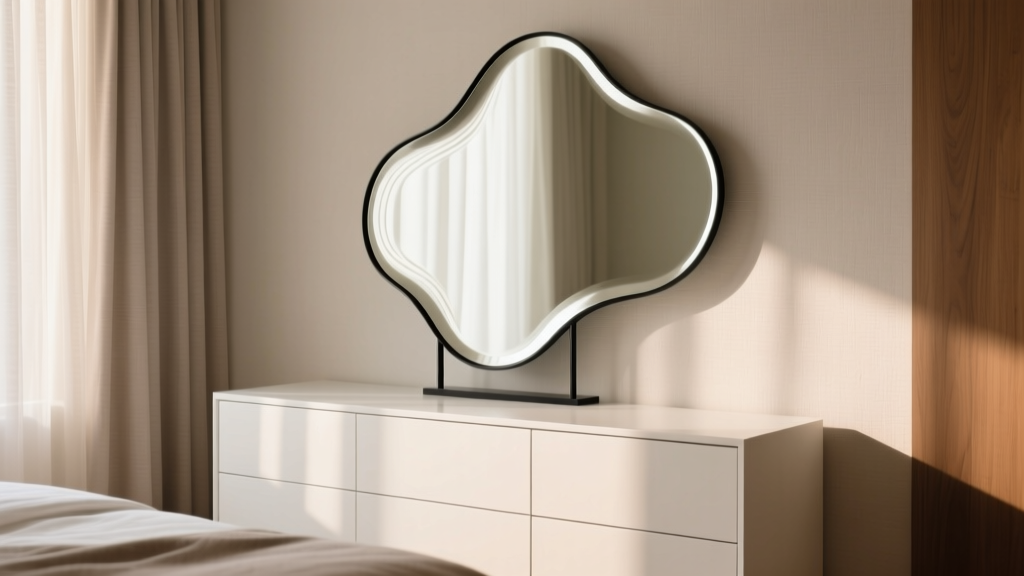 Bedroom Organic Shaped Mirror Above Dresser - The Decor Mag
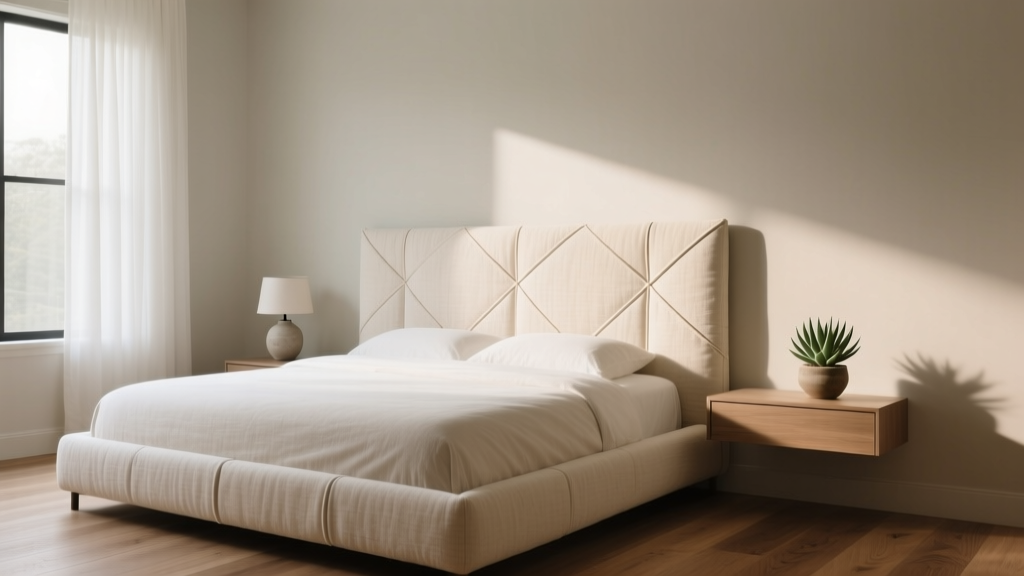 Bedroom Fabric Wrapped Headboard Ideas - The Decor Mag
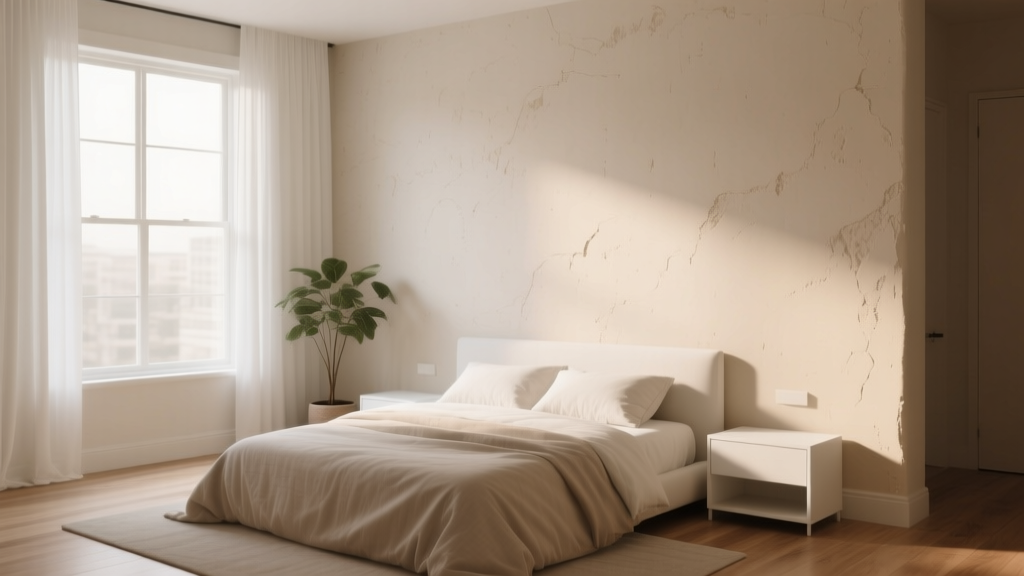 Bedroom Limewash Paint Wall Trend - The Decor Mag
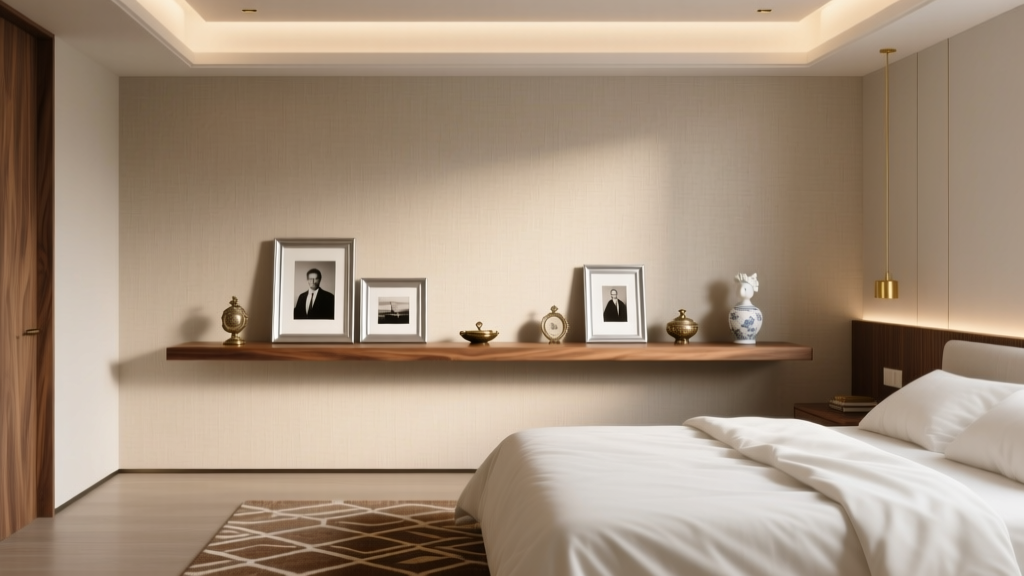 Best Bedroom Memory Display Shelf - The Decor Mag
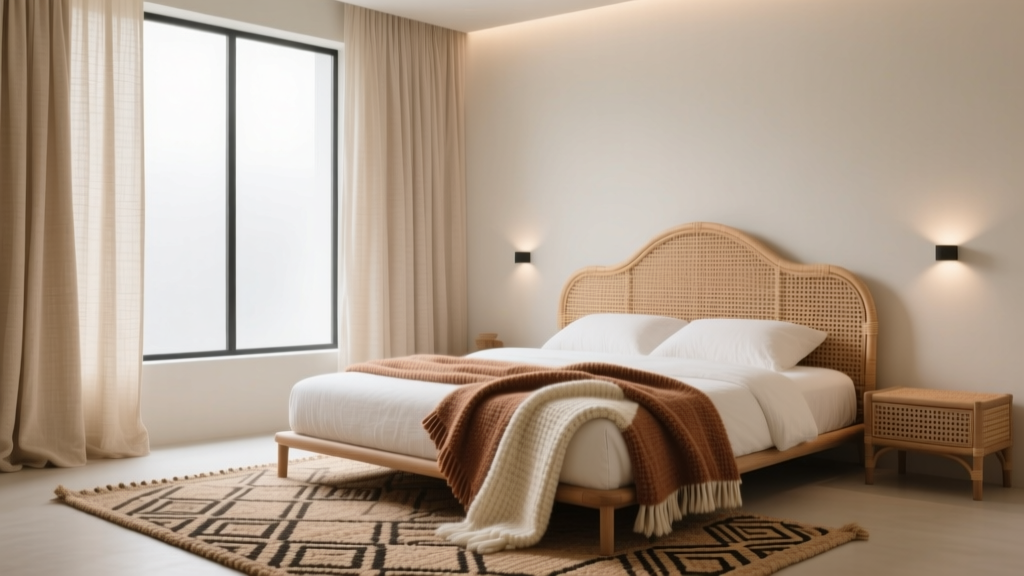 How to Incorporate Woven Textiles in Bedroom - The Decor Mag
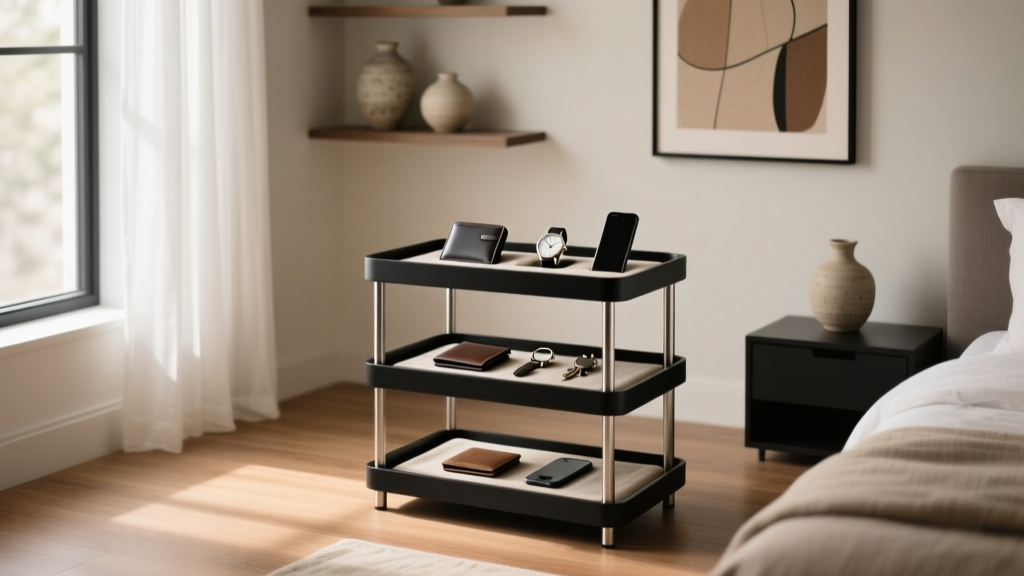 Best Bedroom Valet Stand Options - The Decor Mag
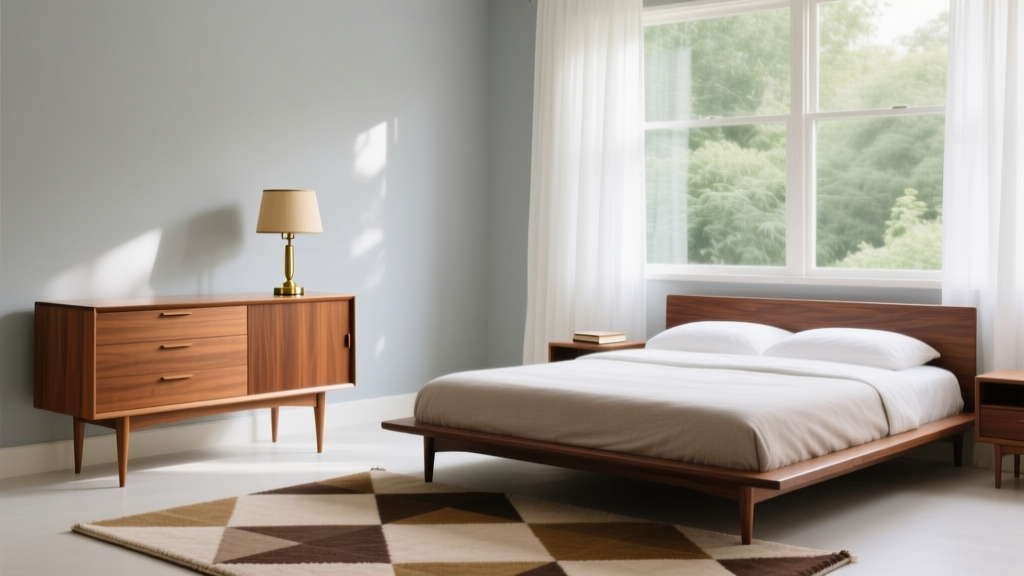 Mid-Century Modern Bedroom Furniture Guide - The Decor Mag