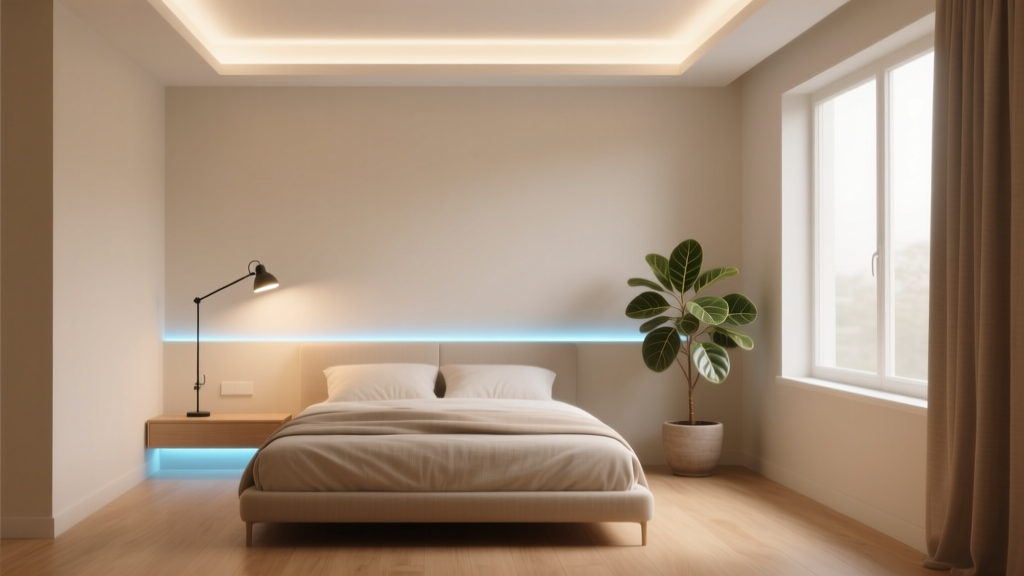
Three-Layer Bedroom Lighting: Calm & Functional (2026)
Why Layered Lighting Is Non-Negotiable in the Bedroom
Your bedroom isn’t just where you sleep—it’s your personal retreat, reading nook, morning prep station, and sometimes even a quiet workspace. That’s why a single overhead light simply won’t cut it. The three-layer lighting approach—ambient, task, and accent—creates visual balance, supports circadian rhythms, and adds depth and warmth to your space. Unlike living rooms or kitchens, bedrooms demand intentional light that soothes rather than stimulates. According to the Illuminating Engineering Society (IES), bedrooms benefit most from layered schemes with 30–50 foot-candles of general light, supplemented by focused 150–300 fc at key task zones (like bedside tables or vanities). Skipping layers leads to glare, eye strain, or a flat, uninviting atmosphere—and we’ve all woken up squinting at a harsh ceiling fixture at 6:15 a.m.
Ambient Lighting: Your Bedroom’s Soft Foundation
Ambient lighting sets the overall tone—think of it as the ‘base note’ in your lighting composition. It should be diffuse, shadow-minimized, and adjustable. Recessed LED downlights (4–6” cans spaced 4–6 feet apart) are a clean, modern staple; opt for 2700K–3000K color temperature and 90+ CRI bulbs (like Philips Hue White Ambiance or Cree TW Series) for true skin-tone rendering and warmth. For cozier ceilings, consider a low-profile semi-flush mount like the Kichler Dune 42272 (18” wide, 3000K, dimmable) or a sculptural chandelier—just keep it scaled: a 20' x 15' bedroom handles a 24–30” wide fixture comfortably, hung 7–8 feet above the floor. Avoid bare bulbs or overly bright fixtures; instead, use fabric shades or frosted glass diffusers to soften output. Pro tip: Install recessed lights before drywall if renovating—LED retrofit kits (e.g., Halo H99ICAT) cost $45–$65 per can and fit existing ceilings with minimal drywall repair.
Task Lighting: Precision Where You Need It Most
Task lighting targets specific activities without spilling light where it’s not wanted. At the bedside, go beyond basic table lamps: wall-mounted swing-arm sconces like the Artemide Tolomeo Micro or Visual Comfort E.F. Chapman Sconce free up nightstand real estate and offer adjustable beam direction—ideal for reading without disturbing a partner. Aim for 40–60 watts equivalent (450–800 lumens) per side, mounted 48–60” above the floor and 18–24” from the mattress edge. For vanities, avoid single-center fixtures: instead, flank your mirror with two vertical sconces (36–40” apart, centered at eye level) using 3000K LEDs—Feit Electric’s V24LED delivers 1,200 lumens per side and integrates seamlessly with Lutron Caseta dimmers. Inside closets, battery-powered motion-sensor LED strips (Govee Glide Wall Lights or Philips Hue Lightstrip Plus) illuminate shelves and rods on demand—no wiring needed, and they last 5+ years on a single charge.
Accent Lighting: The Secret Weapon for Depth & Mood
Accent lighting adds drama, dimension, and intentionality. Wall sconces flanking artwork or above a headboard (e.g., Tom Dixon Melt Mini or West Elm Linear Brass Sconce) draw the eye upward and reduce visual weight of large furniture. Under-bed LED strips—installed along the inner front edge—cast a gentle, floating glow (choose warm white 2200K–2700K for bedtime mode); Nanoleaf Essentials Strips sync with Apple HomeKit and offer smooth dimming curves. Picture lights? Yes—but skip the dated brass cones: modern low-voltage options like the WAC Lighting LED Picture Light PL-LED24 deliver crisp, shadow-free illumination at 24° beam angles. Bonus: Use accent lighting to highlight textures—linen drapes, woven headboards, or a stone accent wall—by grazing light at a 30° angle for subtle shadow play.
Smart Control, Dimming & Color Temperature: The Final Polish
A dimmer switch isn’t optional—it’s essential. Hardwired Lutron Diva DVCL-153P or Maestro MACL-153M dimmers offer reliable, flicker-free control for incandescent, halogen, and most LED loads (check compatibility first). For smart integration, pair Philips Hue or Nanoleaf bulbs with routines: ‘Wind Down’ at 8:30 p.m. dims all lights to 20% brightness and shifts to 2200K amber; ‘Read’ boosts bedside sconces to 100% at 2700K while keeping overheads at 30%. Remember: color temperature matters more than brightness for circadian health. Stick to 2200K–2700K after sunset—cool white (4000K+) suppresses melatonin. Apps like Lighting Calculator Pro help estimate lumen needs based on room size and reflectance values.
Budget-Friendly Upgrades That Deliver Big Impact
You don’t need a full rewire to elevate your bedroom lighting. Start here: (1) Swap outdated 60W incandescents for dimmable 8.5W LED A19 bulbs (Cree, GE Reveal, or Feit)—$2.50 each, 25,000-hour lifespan, instant savings. (2) Add plug-in wall sconces like the Progress Lighting P5149 ($49) with fabric cord covers—no electrician required. (3) Install adhesive-backed LED tape under nightstands or dressers ($15–$25 on Amazon; look for UL-listed, 3M VHB backing). (4) Repurpose vintage lamps with new LED Edison-style bulbs (e.g., Sylvania LED ST19) and linen drum shades ($22 at Ballard Designs). These four moves—under $150 total—can transform a sterile, one-note bedroom into a layered, responsive sanctuary. As interior designer Erin Kestenbaum notes: ‘Lighting is the jewelry of architecture. You wouldn’t wear a tuxedo without cufflinks—why live in a space without its finishing light touches?’
More Articles
 Best Bedroom Sleep Temperature Guide - The Decor Mag
 How to Create a Bedroom That Feels Grounded - The Decor Mag
 How to Mix Bedroom Furniture Finishes - The Decor Mag
 Bedroom Limewash Bedroom Wall Treatment - The Decor Mag
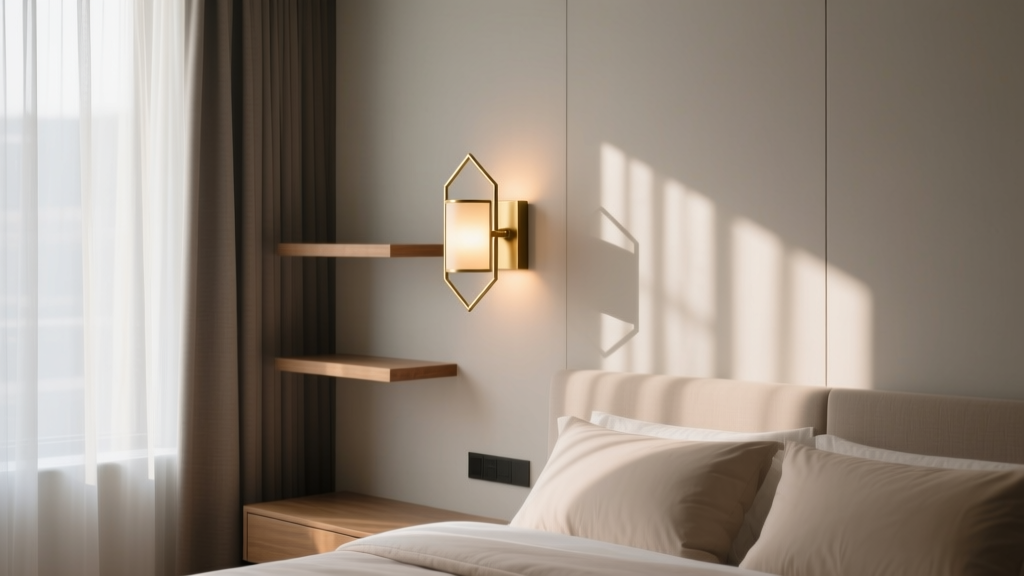 Best Bedroom Sconce Lighting Options - The Decor Mag
 Best Bedroom Bedside Reading Stack - The Decor Mag
 Bedroom Limewash Paint Wall Trend - The Decor Mag
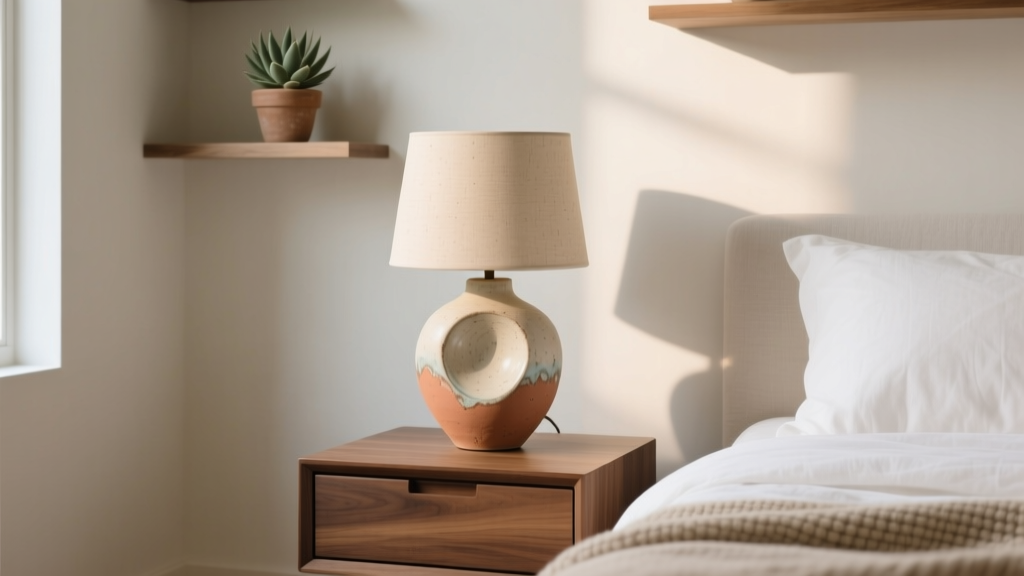 Bedroom Handmade Ceramic Nightstand Lamp - The Decor Mag
 How to Create a Bedroom Color Palette - The Decor Mag
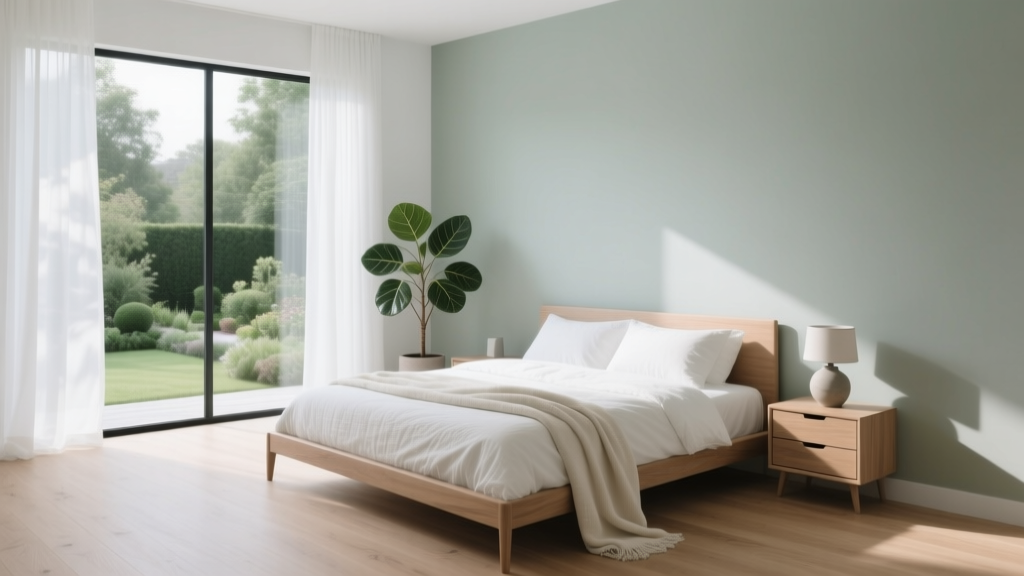 Cool Summer Bedroom: Sleep Better in Heat (2026)