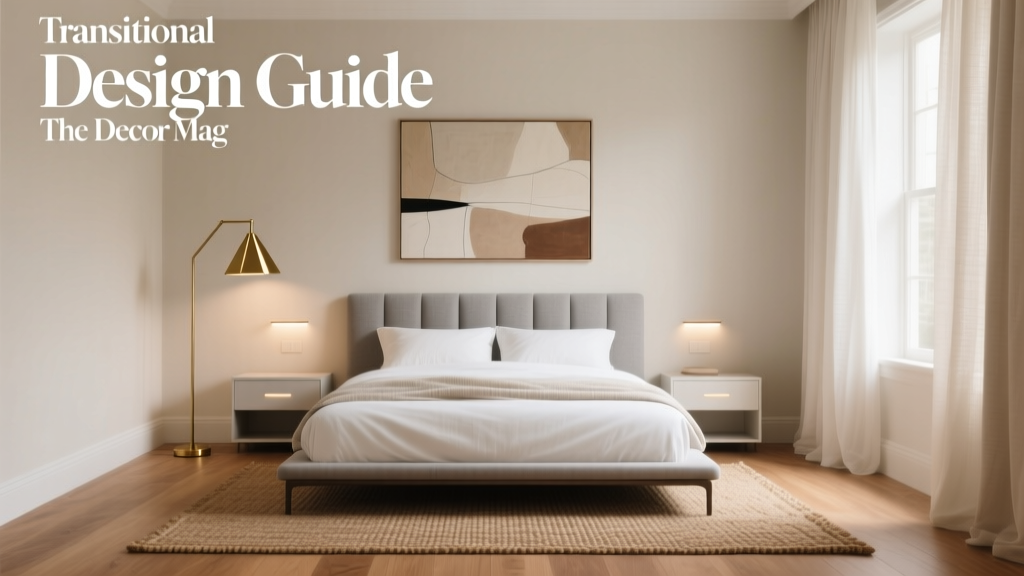
Transitional Bedroom Design Guide - The Decor Mag
A bedroom can look beautiful and still make it hard to sleep. Harsh lighting, cluttered layouts, scratchy fabrics, or colors that feel “busy” keep your nervous system on alert—often without you realizing it. Transitional bedroom design is a calming middle ground: it blends the warmth and comfort of traditional style with the clean lines and simplicity of modern decor, creating a space that feels both polished and deeply restful.
For homeowners and renters alike, transitional style is also a practical approach to bedroom design because it’s flexible. You can mix old and new pieces, upgrade gradually, and keep the room from feeling trendy or dated. When done well, a transitional bedroom supports sleep quality by reducing visual noise, softening light, and prioritizing comfort and function—the foundations of a truly sleep-friendly bedroom.
This guide walks through the core elements of transitional decor, from furniture and color palettes to bedding, lighting, and layout. You’ll find budget ranges, material recommendations, wellness-focused tips, and the most common mistakes that disrupt a healthy sleep environment.
What Is Transitional Bedroom Design?
Transitional style sits between traditional and contemporary. Think: classic silhouettes paired with streamlined finishes, gentle curves paired with crisp edges, and layered neutrals with a few purposeful accents. In a bedroom, this balance feels especially soothing—orderly enough to calm the mind, comfortable enough to invite rest.
Key characteristics of transitional bedroom decor
- Balanced mix of shapes: a tailored upholstered bed with subtle curves, paired with simpler nightstands.
- Neutral, layered color palettes: warm whites, greige, taupe, soft grays, muted blues, or earthy greens.
- Natural, touchable materials: wood, linen, cotton, wool, leather (or high-quality vegan alternatives), ceramic, and brushed metals.
- Less clutter, more intention: fewer decorative pieces, more emphasis on lighting, textiles, and proportion.
- Comfort-forward styling: plush bedding, soft rugs, blackout options, and supportive seating if space allows.
Start With Sleep: Layout Choices That Improve Rest
Before choosing a headboard or paint color, set up a bedroom layout that reduces stress and supports your sleep environment. Transitional design thrives on clean pathways and balanced symmetry—both of which help the room feel orderly and calm.
Best layout principles for a transitional bedroom
- Prioritize clear walking space: aim for 24–30 inches of clearance around the bed where possible.
- Anchor the bed: place the bed on the longest uninterrupted wall if you can (often opposite the door, but not always).
- Create symmetry for calm: matching nightstands or matching lamps visually “settle” the room.
- Reduce bedroom “work cues”: if you must have a desk, keep it minimal and avoid facing the bed with a bright monitor.
- Keep mirrors thoughtful: use them to reflect daylight, not to bounce harsh lamp light toward the bed.
Small bedroom and rental-friendly layout tips
- Swap bulky nightstands for floating shelves or narrow console-style tables (10–14 inches deep).
- Choose a storage bed or add under-bed bins to reduce visual clutter.
- Use plug-in wall sconces to free up nightstand surface area.
Transitional Furniture: Classic Comfort Meets Clean Lines
Furniture is the backbone of transitional bedroom design. Look for pieces that feel substantial and timeless, without excessive ornamentation. Soft edges and upholstered elements add comfort; streamlined case goods keep the look modern.
The bed: your main investment piece
A transitional bed often features upholstery (linen, performance fabric, or velvet) or wood with a simple profile. For sleep wellness, prioritize a supportive mattress and a quiet, stable frame—squeaks and wobble subtly disrupt rest.
- Best bed styles for transitional decor: upholstered panel bed, wingback bed with minimal tufting, low-profile wooden bed with a simple headboard.
- Material recommendations: kiln-dried wood frames, performance upholstery, stain-resistant woven fabric.
- Budget ranges:
- Budget: $250–$600 (platform beds, simple upholstered frames)
- Mid-range: $700–$1,600 (higher-quality upholstery, sturdier joinery)
- Investment: $1,700–$3,500+ (designer frames, premium fabric, heirloom wood)
Nightstands and dressers: streamlined but warm
- Nightstands: choose simple fronts, soft-close drawers, and a finish that complements your bed (oak, walnut, painted greige, or matte black accents).
- Dressers: transitional dressers look clean yet substantial—flat fronts, minimal hardware, tapered legs, or subtle picture-frame trim.
- Budget ranges: $120–$350 per nightstand; $400–$1,800 for a dresser depending on size and materials.
Seating and a “pause point” for better wind-down
If space allows, add one intentional spot that isn’t the bed: a chair, bench, or small chaise. This supports a healthier bedtime routine—reading, stretching, or changing without piling everything onto the mattress.
- Best options: upholstered bench at the foot of the bed, small accent chair with an ottoman, or a compact slipper chair.
- Budget ranges: $120–$400 (bench), $250–$900 (chair), $500–$1,500 (higher-end seating).
Colors for a Transitional Bedroom: Soft Neutrals and Muted Contrast
Color is one of the fastest ways to shift the mood of your sleep environment. Transitional bedroom colors are typically calm and layered—never flat, never loud. Muted contrast (like warm white plus charcoal accents) feels crisp without becoming stimulating.
Sleep-friendly transitional color palettes
- Warm white + greige + natural oak: airy, clean, and cozy.
- Soft taupe + ivory + matte black accents: tailored and grounding.
- Muted blue-gray + warm white + brass: cool and soothing, with a gentle glow.
- Sage green + cream + walnut wood: nature-inspired and restful.
Paint and finish tips
- Choose matte or eggshell paint for walls; it reduces glare and feels softer at night.
- If you want an accent wall, consider a textured approach (limewash look, subtle wallpaper, or board-and-batten) in a quiet tone rather than a high-contrast color.
- Keep ceilings a soft white to maintain brightness without starkness.
Bedding and Textiles: Where Transitional Style Meets Sleep Comfort
Transitional bedding is layered, inviting, and edited. It should look polished while feeling breathable and gentle against the skin—especially important for temperature regulation, one of the biggest drivers of sleep quality.
Recommended bedding materials for a better sleep environment
- Sheets: long-staple cotton percale (cool and crisp) or sateen (smoother and slightly warmer). Linen is excellent for hot sleepers.
- Duvet insert: choose by season and your sleep temperature; look for cotton shells and quality fill (down, down alternative, or wool).
- Quilt/coverlet: cotton matelassé or linen quilt adds transitional texture without looking fussy.
- Pillows: match loft and firmness to your sleep position (side sleepers usually need higher loft; back sleepers medium; stomach sleepers low).
Transitional bedding formula (easy and polished)
- Neutral fitted sheet + flat sheet (white, ivory, or light greige).
- Solid duvet cover in a calm tone (warm white, oatmeal, soft gray, muted blue).
- One quilt or coverlet folded at the foot for texture.
- 2 sleeping pillows + 2 shams + 1–2 accent pillows (keep accents minimal).
- A throw in a natural fiber (cotton, linen, or wool blend).
Budget ranges for bedding upgrades
- Budget refresh: $80–$200 (new duvet cover + pillowcases or a simple quilt)
- Mid-range comfort: $250–$600 (quality sheet set + duvet insert + 2 pillows)
- Investment sleep set: $700–$1,500+ (premium sheets, multiple pillow options, temperature-regulating inserts)
Lighting: The Transitional Secret to a Calmer Nervous System
Lighting affects melatonin, alertness, and how quickly your body transitions into sleep. Transitional bedroom lighting is layered and warm—never a single harsh ceiling bulb. Aim for a gentle glow that supports winding down.
Use a three-layer lighting plan
- Ambient: a semi-flush mount, chandelier with soft shades, or a ceiling fixture on a dimmer.
- Task: bedside lamps or wall sconces for reading.
- Accent: a small table lamp on a dresser, picture light, or subtle LED behind a headboard (kept warm and dim).
Sleep-friendly lighting specs
- Color temperature: 2200K–2700K (warm white) for evening calm.
- Bulb type: dimmable LED with high color quality (look for higher CRI when available).
- Control: dimmers or smart bulbs to reduce brightness 1–2 hours before bed.
Decor and Styling: Transitional Details That Feel Peaceful, Not Busy
Transitional decor works best when each item has a purpose: soften sound, add warmth, improve storage, or create visual balance. Too many small objects can make the room feel restless.
High-impact transitional decor choices
- Rug: a wool or wool-blend rug adds softness and absorbs sound. Size guide: aim for at least 8’x10’ under a queen bed, 9’x12’ for a king when possible.
- Window treatments: layered look = light-filtering curtains plus blackout lining or a blackout shade. This supports deeper sleep by blocking streetlights.
- Hardware: brushed nickel, aged brass, or matte black—keep finishes consistent for a cleaner look.
- Wall art: one large piece or a tidy pair/trio. Choose calm imagery (abstracts, landscapes, soft photography).
- Greenery: a low-maintenance plant or realistic faux adds life without clutter.
Sound, scent, and air quality (quiet wellness upgrades)
- Noise control: add a rug pad, heavier curtains, and upholstered pieces to reduce echo.
- Air: consider a quiet air purifier if allergies disrupt sleep; keep filters maintained.
- Scent: if you use fragrance, keep it subtle (lavender, chamomile) and avoid strong diffusers right next to the bed.
Common Transitional Bedroom Mistakes to Avoid
- Too much matching: transitional style likes harmony, not a full furniture “set.” Mix one or two finishes for depth.
- Cold, sterile minimalism: if the room looks modern but feels hard, add warmth through textiles (linen, wool) and wood tones.
- Overly ornate traditional pieces: heavy carvings and busy patterns can overwhelm. Choose simpler classic silhouettes.
- One bright overhead light: harsh lighting is a common sleep disruptor. Add dimmable bedside lighting.
- Cluttered nightstands: keep only the essentials: lamp/sconce control, book, water, and a small tray.
- Wrong rug size: a too-small rug makes the room feel disjointed and less calming.
- Stimulating colors right by the bed: save vibrant reds and electric hues for art in another room; keep the sleep zone muted.
FAQ: Transitional Bedroom Design
What’s the difference between transitional and modern bedroom design?
Modern bedroom design tends to be sleeker and more minimal, often with sharper lines and fewer layers. Transitional bedroom design keeps modern simplicity but adds warmth through softer shapes, classic details, and more texture—often better suited to a cozy, sleep-friendly bedroom.
Can I create a transitional bedroom in a rental without painting?
Yes. Focus on removable changes: layered bedding in calm neutrals, plug-in wall sconces, peel-and-stick wallpaper with subtle texture, curtain panels hung high to soften the room, and a larger rug to anchor the bed.
What colors are best for sleep in a transitional bedroom?
Warm whites, greige, taupe, soft gray, muted blue-gray, and sage are popular transitional bedroom colors that also support relaxation. Keep contrast gentle and avoid overly bright tones near the bed.
How do I mix wood tones in a transitional bedroom without it looking messy?
Limit yourself to two main wood tones (for example, oak + walnut) and repeat each at least twice (bed frame + picture frame, dresser + nightstand). Keeping undertones consistent (warm with warm, cool with cool) makes the mix feel intentional.
What lighting is best for a sleep-friendly bedroom design?
Warm, dimmable lighting works best. Use layered light sources—ambient plus bedside task lights—and aim for 2200K–2700K bulbs in the evening to support melatonin and a calmer wind-down.
What’s the easiest transitional update if my bedroom feels dated?
Start with bedding and lighting. A neutral duvet cover with a textured quilt, plus matching warm bedside lamps or plug-in sconces, can quickly shift the room into a more transitional, restful look.
Next Steps: Build a Transitional Bedroom That Truly Helps You Rest
To create a transitional bedroom that supports sleep quality, start with the foundation: a clear layout, calming colors, and comfortable bedding. Then refine with layered lighting, warm materials, and a few intentional decor choices that reduce clutter and soften the space.
- Choose a calm palette (warm white + greige, muted blue-gray, or sage + cream).
- Upgrade one sleep essential this month (pillows, sheets, blackout curtains, or a quiet bedside lamp).
- Edit surfaces (nightstands and dresser tops) to the essentials for a more peaceful sleep environment.
- Layer lighting with warm bulbs and dimming for an easier wind-down.
- Add texture through a larger rug and tactile fabrics for comfort and sound-softening.
For more calming bedroom design ideas, sleep-friendly decor tips, and transitional style inspiration, explore the latest guides on thedecormag.com.
More Articles
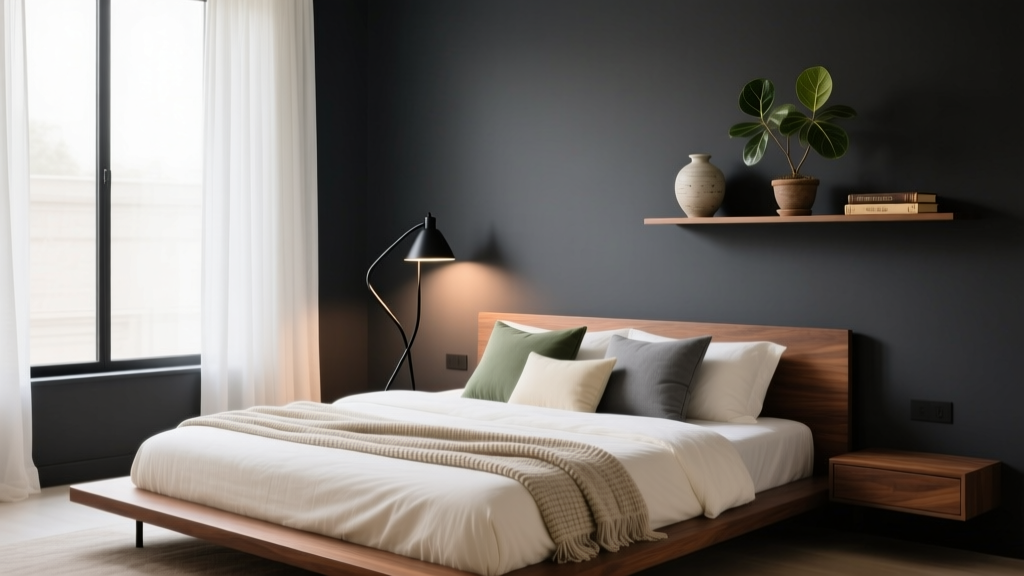 How to Style a Bedroom with Dark Walls - The Decor Mag
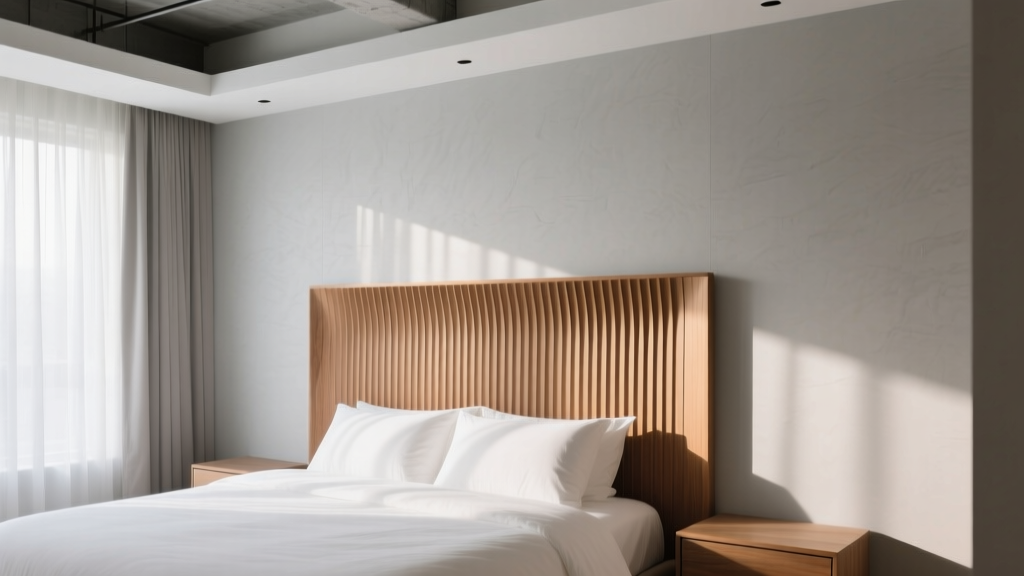 Bedroom Fluted Headboard Panel Design - The Decor Mag
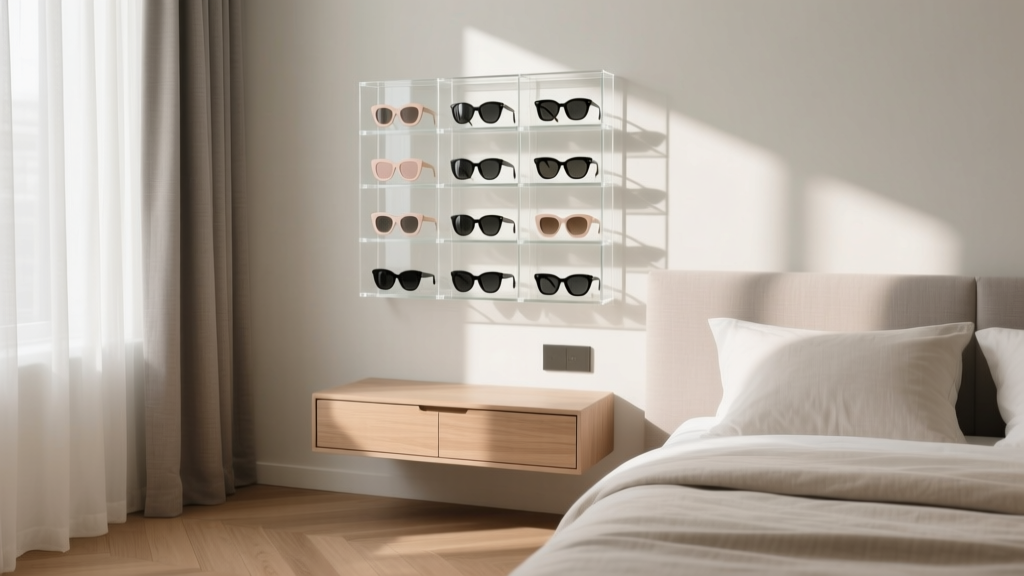 Best Bedroom Sunglasses Organization - The Decor Mag
 Best Bedroom Meditation Corner Setup - The Decor Mag
 Best Bedroom Bedside Carafe and Glass - The Decor Mag
 How to Choose Bedroom Nightstand Height - The Decor Mag
 How to Create a Bedroom That Feels Grounded - The Decor Mag
 Small Bedroom Design Tricks to Maximize Space (2026)
 Best Bedroom Shoe Storage Solutions - The Decor Mag
 Scheme Kitchen Design Essentials: Precision, Proportion, and Purpose-Built Functionality