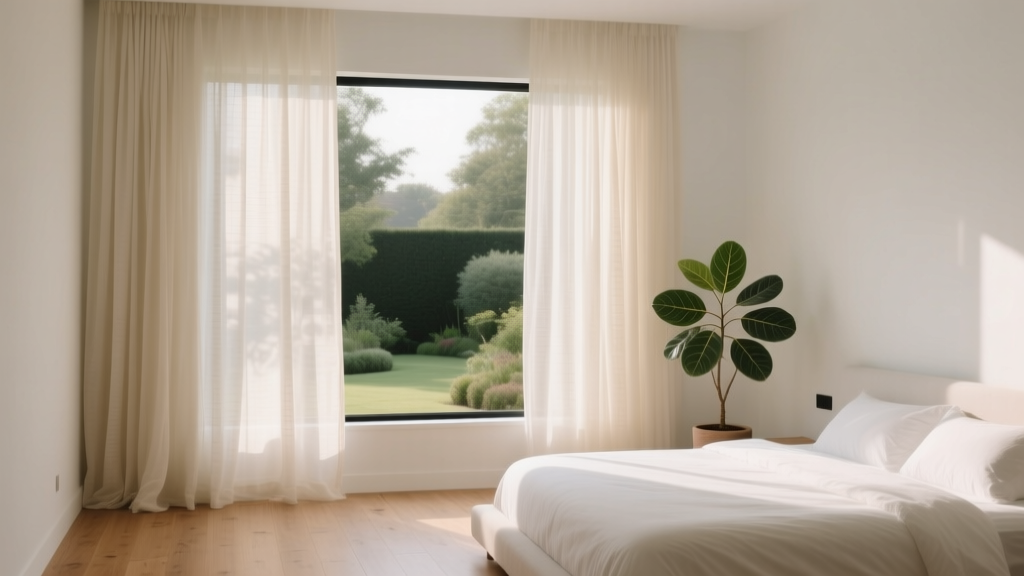
Bedroom Curtains for Better Sleep (2026)
The bedroom is one of the few places in a home where your nervous system should consistently feel safe, quiet, and undisturbed. Yet light leaks from streetlamps, early sunrises, noisy neighbors, and even small temperature swings can quietly chip away at sleep quality. Curtains are often treated as a finishing touch, but they’re one of the most powerful tools in bedroom design for shaping your sleep environment.
The right window treatments do more than “look pretty.” They can darken the room to support melatonin production, buffer sound, reduce drafts, and create a soft visual boundary that signals rest. Whether you rent a studio with one large window or own a primary bedroom with multiple exposures, choosing sleep-friendly curtains is one of the most practical decor decisions you can make.
This guide walks through curtain types, fabrics, colors, and installation details—plus bedroom layout and lighting recommendations—so you can build a calmer, darker, quieter space that invites deep rest.
Why Curtains Matter for Sleep Quality
Bedroom design influences sleep in simple, measurable ways: light exposure affects circadian rhythm, temperature changes affect sleep stages, and noise can trigger micro-awakenings you may not remember—but your body feels the next day. Curtains help manage each of these factors, especially when paired with thoughtful lighting, bedding, and furniture placement.
- Light control: Reducing evening and early-morning light supports natural melatonin release and can help you stay asleep longer.
- Temperature comfort: Insulating fabrics can reduce heat loss in winter and help block radiant heat in summer.
- Noise softening: Heavier textiles can dampen sharp sounds and reduce echo in sparsely furnished rooms.
- Psychological calm: Soft textures and consistent visual lines make the bedroom feel more contained and restful.
Start With Your Sleep Needs: A Quick Curtain Checklist
Before choosing color or pattern, clarify what’s interrupting your sleep. Use this checklist to guide the most impactful features.
- Do you wake up too early? Prioritize blackout or layered curtains.
- Do headlights or streetlights spill in at night? Look for true blackout lining and wider panels.
- Is the room hot in the afternoon or cold at night? Choose insulating fabrics and consider a double-rod setup.
- Do you hear traffic, neighbors, or birds at dawn? Heavier curtains with full coverage can help (alongside sealing gaps).
- Do you rent? Focus on no-drill rods, tension solutions, and removable hooks.
Curtain Types for a Sleep-Friendly Bedroom
Blackout Curtains (Best for Light Sensitivity)
True blackout curtains are designed to block most outside light, making them a strong choice for night-shift sleepers, light-sensitive sleepers, and bedrooms facing bright street lighting.
- Look for: “Blackout lining” or “100% blackout” (wording varies), plus a substantial hand-feel.
- Best rooms: East-facing bedrooms, urban bedrooms, nurseries, and any space with exterior lights.
- Budget range: $40–$120 per pair (ready-made), $200–$800+ (custom, depending on fabric and size).
Room-Darkening Curtains (A Softer Middle Ground)
Room-darkening styles reduce glare and light but may not fully block it. They work well for sleepers who prefer a dim, natural morning wake-up or for bedrooms with minimal light pollution.
- Best for: North-facing rooms, shaded windows, or anyone who dislikes pitch-black darkness.
- Budget range: $30–$90 per pair.
Sheer Curtains (For Privacy and Daytime Calm)
Sheers don’t support sleep on their own, but they’re excellent for daytime softness, privacy, and glare reduction—especially when layered under blackout drapes.
- Best for: Layering, ground-floor privacy, bright rooms where you still want daylight.
- Budget range: $20–$70 per pair.
Layered Curtains (Top Choice for Balanced Bedroom Design)
A double-rod setup with sheers plus blackout or room-darkening drapes creates flexibility: bright and airy by day, cocooned and sleep-ready at night.
- Best for: Most bedrooms, especially multipurpose spaces or renters who need adaptable light control.
- Budget range: $70–$250 total for rods + two layers (ready-made), higher for custom.
Fabric and Lining: What to Choose for Comfort, Quiet, and Insulation
Best Curtain Materials for Better Sleep
- Cotton or cotton blends: Breathable, easy to clean, widely available. Pair with blackout lining for strong light control.
- Linen or linen blends: Relaxed, airy texture that suits calming bedroom decor; typically needs lining for privacy and darkness.
- Velvet: Naturally heavy, excellent for insulation and sound-softening; ideal for drafty windows or street-facing rooms.
- Polyester blackout panels: Budget-friendly and effective for light blocking, often the best “quick fix” option.
Understanding Linings (This Is Where Sleep Benefits Live)
- Privacy lining: Improves opacity; modest light control.
- Room-darkening lining: Filters light; good for glare reduction.
- Blackout lining: Designed to block most incoming light; best for deep sleep conditions.
- Thermal lining: Helps stabilize bedroom temperature; great for older windows or big seasonal swings.
Tip: If you love a specific decorative fabric, choose it as the face fabric and add a blackout or thermal lining. This gives you the look you want without sacrificing sleep-friendly performance.
Color and Pattern: Calming Bedroom Decor That Supports Rest
Curtain color affects how “quiet” a room feels visually. For a sleep-focused bedroom design, choose shades that reduce contrast and soften edges.
- Best soothing colors: Warm white, oatmeal, greige, soft taupe, muted sage, dusty blue, clay, and gentle charcoal.
- For maximum darkness: Medium-to-deep tones with blackout lining (charcoal, deep navy, espresso) can reduce glow around the window.
- Patterns to consider: Subtle textures, small-scale prints, tone-on-tone stripes, or understated botanical motifs.
If your walls are light, choosing curtains within the same color family (just a shade darker) creates a seamless, cocooning effect that many people find more restful than high-contrast drapes.
Size and Installation: The Details That Make Curtains Actually Work
Many “blackout curtains” fail because of gaps. A few inches of exposed window can brighten a room enough to disrupt sleep.
How to Measure for Better Light Blocking
- Go wider: Curtain rod should extend 8–12 inches beyond the window frame on each side if possible.
- Go higher: Mount the rod 4–8 inches above the window (or closer to the ceiling for a taller, calmer look).
- Go longer: Panels that skim the floor or “kiss” it block more light and feel more tailored.
- Fullness matters: Aim for 2x the window width in total panel width for a plush, light-reducing gather.
Hardware Choices for a Sleep-Friendly Setup
- Wraparound rods: Reduce side gaps where light leaks in.
- Double curtain rods: Ideal for layering sheers and blackout drapes.
- Ceiling tracks: Great for wide windows; can minimize top gaps and look sleek in modern bedroom decor.
- Renter-friendly options: No-drill brackets, adhesive rod supports (check weight ratings), and tension rods for smaller windows.
Budget ranges: Basic rods $15–$40, sturdier rods $40–$120, ceiling tracks $60–$250+ depending on length and quality.
Pair Curtains With Lighting, Bedding, and Layout for a Better Sleep Environment
Curtains do the heavy lifting for darkness and privacy, but they work best as part of a cohesive sleep environment. A few complementary design choices can noticeably improve how quickly you wind down.
Lighting: Keep Evenings Low and Warm
- Use warm bulbs: Aim for 2700K (warm white) in bedside lamps.
- Add dimmers: Plug-in dimmers for lamps are renter-friendly and support a calmer bedtime routine.
- Avoid overhead glare at night: If you need ceiling light, choose a warm, diffused fixture and keep brightness low.
Bedding: Choose Textures That Feel Quiet
- Breathable base layers: Cotton percale for crisp-cool sleepers; cotton sateen for a smoother, slightly warmer feel.
- Layer for temperature stability: A light quilt plus a duvet helps you adjust without fully waking.
- Color harmony: Coordinate bedding with curtain tone for a more restful, cohesive bedroom palette.
Furniture and Layout: Support Calm Sightlines
- Bed placement: If possible, place the bed so you’re not staring directly into a bright window from your pillow.
- Add soft absorption: A rug and upholstered headboard can reduce echo, complementing heavier curtains.
- Keep the window area uncluttered: Too many objects on the sill or nearby furniture can create visual noise and interfere with curtain drape.
Wellness Tips: Make Curtains Part of a Sleep Routine
- Anchor your circadian rhythm: Open curtains within 30 minutes of waking to get natural light, then close them at dusk to cue wind-down.
- Create a “sleep mode” ritual: Dim lamps, close blackout drapes, and lower room temperature slightly (many sleepers prefer a cooler room).
- Reduce allergens: Wash or vacuum curtains periodically—especially in pollen season—to keep bedroom air cleaner.
Common Mistakes to Avoid
- Buying panels that are too narrow: Skimpy coverage leads to light gaps and a flat look.
- Hanging the rod too low: This can expose the top of the window and make the room feel shorter and less serene.
- Assuming “blackout” always means blackout: Some panels are only room-darkening. Check for lining type and reviews.
- Ignoring side and top gaps: Use wider rods, wraparound hardware, or add a valance if needed.
- Choosing scratchy, noisy fabrics: Stiff panels that rustle can become a subtle irritation at night.
- Forgetting daytime needs: If you love daylight, layer sheers so you don’t live in darkness to sleep well at night.
Practical Curtain Recommendations by Budget
Under $75 (Simple, High-Impact Upgrades)
- Ready-made polyester blackout panels in a neutral color
- A sturdier basic rod with wider extension
- Velcro or magnetic edge seals (useful for renters) to reduce light leaks
$75–$200 (Balanced Comfort and Style)
- Layered look: Sheers + room-darkening drapes on a double rod
- Cotton or linen-blend curtains with blackout lining
- Wraparound rod to minimize side gaps
$200–$800+ (Custom Fit for True Sleep Optimization)
- Custom curtains with blackout + thermal lining for light and temperature control
- Ceiling track system for wall-to-wall coverage
- Upgraded fabrics like velvet or heavy linen blends for sound-softening and a tailored drape
FAQ: Bedroom Curtains and Sleep
Do blackout curtains really help you sleep better?
They can, especially if outside light wakes you up or makes it harder to fall asleep. Darker rooms support your natural sleep-wake rhythm and can reduce early-morning awakenings caused by sunlight or streetlights.
What’s the difference between blackout and room-darkening curtains?
Room-darkening curtains reduce light but may still allow a glow through the fabric and around edges. Blackout curtains use a specific lining designed to block most light. Installation matters for both—gaps can reduce effectiveness.
What curtain color is best for a calming bedroom?
Soft neutrals and muted hues tend to feel the most restful: oatmeal, warm white, greige, taupe, sage, and dusty blue. If you need maximum darkness, consider deeper tones paired with blackout lining.
How can I block light leaks without replacing my curtains?
Try extending the rod wider, switching to wraparound hardware, adding a second layer, or using renter-friendly solutions like Velcro strips along the edges. A fabric valance or cornice can also help reduce top light gaps.
Are heavy curtains better for reducing noise?
Heavier fabrics like velvet can soften and dampen sound, especially high-frequency noise and room echo. They won’t fully soundproof a room, but combined with a rug, upholstered furniture, and sealed window gaps, they can make the bedroom noticeably quieter.
What’s the best option for renters who can’t drill holes?
Look for no-drill curtain rod brackets, tension rods for smaller windows, or adhesive hooks rated for the curtain weight. Layering with lighter sheers plus one effective blackout panel can keep hardware demands lower.
Next Steps: Turn Your Windows Into a Sleep-Friendly Feature
Choose curtains the way you choose a mattress topper or pillow: based on how you want your body to feel at night. Start with your biggest sleep disruptor (light, temperature, or noise), then select a curtain type and lining that solves it. Finish with the details that matter—extra width, higher placement, and hardware that closes gaps—so your bedroom decor supports real rest, not just a pretty photo.
If you’re ready for more calming bedroom ideas, cozy sleep environment upgrades, and practical decor guides, explore the latest inspiration on thedecormag.com.
More Articles
 How to Create Symmetry in Bedroom Design - The Decor Mag
 Best Bedroom Sleep Tea Collection - The Decor Mag
 Stylish Bedroom Design for Hot Summers
 How to Match Your Family’s Needs With the Right Bedroom Options: A Practical, Evidence-Based Guide
 Bedroom Tufted Headboard Trends - The Decor Mag
 Bedroom Canopy Draping Techniques - The Decor Mag
 Bedroom Rattan Furniture Trends - The Decor Mag
 The Best Bedding Sets for Every Season - The Decor Mag
 Best Bedroom Chandelier Styles - The Decor Mag