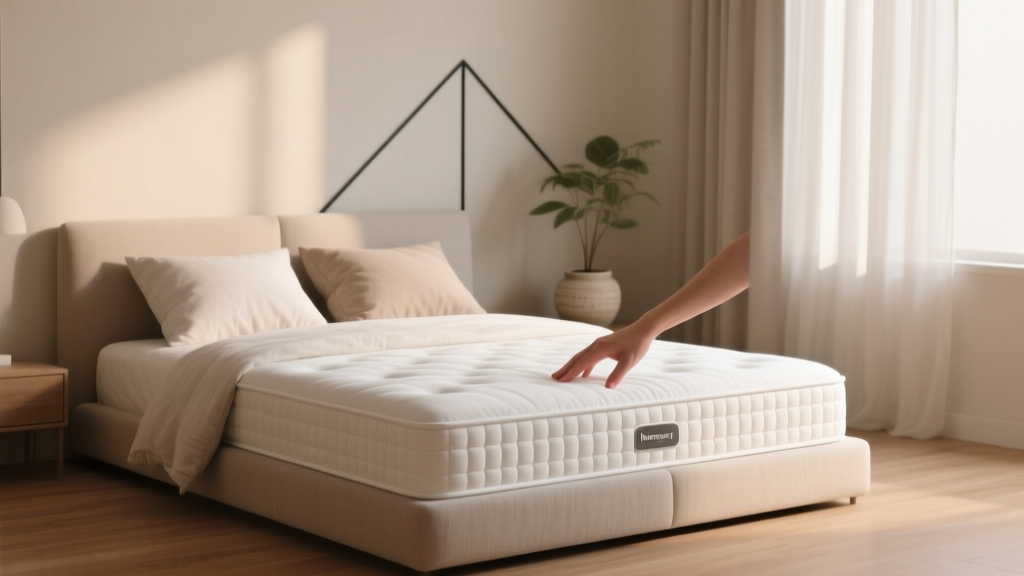
How to Choose Bedroom Mattress Firmness - The Decor Mag
A calm, restorative bedroom starts with one decision that affects everything else: how your body is supported for eight (hopefully) uninterrupted hours. Mattress firmness isn’t just a comfort preference—it influences spinal alignment, pressure relief, circulation, and how often you wake during the night. When the firmness is off, even a beautifully styled bedroom can feel like a place you endure rather than a space that restores you.
The tricky part is that “firm” and “soft” are subjective. A mattress that feels plush in a showroom may sag under your shoulders at home; a model labeled “medium-firm” might feel like a board if you’re lightweight, or too sinky if you’re heavier. Choosing the right firmness becomes much easier when you connect it to your sleep position, body type, health needs, and the overall sleep environment you’re building—your bed frame, bedding, bedroom layout, lighting, and even temperature control.
This guide breaks down mattress firmness in a practical, design-savvy way so you can make a confident choice that supports better sleep quality and a calmer bedroom decor.
What Mattress Firmness Really Means (and Why It Feels Different for Everyone)
Firmness describes how a mattress feels when you lie on it—how much it compresses, how quickly it responds, and whether you feel “on top” of the mattress or gently cradled by it. It’s often rated on a 1–10 scale:
- 1–3: Soft (deep sink, plush feel)
- 4–6: Medium to medium-firm (balanced cushion + support)
- 7–10: Firm to extra-firm (minimal sink, more “lift”)
Two people can try the same mattress and disagree completely. Firmness is influenced by:
- Body weight: Heavier sleepers compress foams more and often perceive mattresses as softer.
- Body shape: Broad shoulders or curvy hips need more pressure relief.
- Sleep position: Side sleepers typically prefer more cushioning than stomach sleepers.
- Materials: Memory foam, latex, and innersprings all “support” differently.
- Bed base: A slatted frame vs. solid platform vs. adjustable base can change the feel.
Choose Firmness Based on Sleep Position
Side Sleepers: Aim for Pressure Relief Without Sagging
Side sleeping puts pressure on the shoulders and hips, so you need enough contouring to keep those joints comfortable while maintaining spinal alignment (your spine should look straight from neck to tailbone).
- Best firmness range: 4–6 (medium to medium-firm)
- Look for: Zoned support (slightly firmer under the waist), cushioned comfort layer (2–4 inches)
- Helpful materials: Memory foam for contouring; latex for buoyant pressure relief
Bedroom design tip: If you’re a side sleeper who curls up, add a soft, breathable throw at the foot of the bed and a supportive body pillow in a calming neutral (linen, cotton, bamboo) to reduce hip and shoulder strain without overheating.
Back Sleepers: Balanced Support Is the Sweet Spot
Back sleepers usually do best when the mattress supports the natural curve of the lower back without letting the hips sink too far.
- Best firmness range: 5–7 (medium-firm to firm)
- Look for: Lumbar support or zoning; responsive support core
- Helpful materials: Hybrid mattresses (foam + coils) for alignment and airflow
Wellness tip: Try a pillow that supports the neck curve (medium loft for most back sleepers). A supportive pillow often improves comfort more than changing firmness alone.
Stomach Sleepers: Firmer Helps Keep Hips Level
Stomach sleeping can strain the lower back if the hips sink. A firmer feel helps keep the torso lifted and aligned.
- Best firmness range: 7–9 (firm)
- Look for: Thin comfort layer; strong, supportive core
- Helpful materials: Firm hybrid or firm latex for buoyancy
Sleep environment tip: Keep your pillow low loft (or consider no pillow) to reduce neck extension. Pair with breathable bedding to prevent overheating, which is common for stomach sleepers.
Combination Sleepers: Responsive Medium-Firm Makes Turning Easier
If you move between positions, you’ll benefit from a mattress that doesn’t trap you in a deep cradle.
- Best firmness range: 5–7
- Look for: Responsive comfort layers, supportive edge, bounce for easier movement
- Helpful materials: Latex, hybrid coil systems, or foam with a resilient top layer
Match Firmness to Body Type and Support Needs
Firmness labels don’t account for how much you compress the mattress. Use these guidelines as a starting point:
- Under 130 lbs: Softer options often feel more comfortable (3–5), especially for side sleeping.
- 130–230 lbs: Most sleepers do well in the medium to medium-firm range (4–7).
- Over 230 lbs: Consider medium-firm to firm (6–8) with strong edge support and durable materials (high-density foams, robust coils, latex).
If you experience back pain, joint sensitivity, or sleep apnea, a supportive, well-aligned posture matters more than chasing “soft” or “hard.” Many people find that a medium-firm mattress with pressure-relieving top layers provides the best blend for pain reduction.
Understand Mattress Materials: How They Affect Firmness and Feel
Memory Foam: Contouring Comfort (Sometimes Warmer)
- Best for: Side sleepers, pressure relief, motion isolation for couples
- Watch for: Heat retention; slower response can feel “stuck”
- Design + sleep tip: Pair with cooling bedding—percale cotton sheets, a breathable duvet insert, and a lightweight coverlet for layered comfort.
Latex Foam: Supportive, Springy, and Cooler
- Best for: Combination sleepers, eco-minded shoppers, those who want bounce without coils
- Watch for: Higher upfront cost; firmness can feel “buoyant” rather than plush
- Material recommendation: Natural latex with breathable covers (cotton or wool) for temperature regulation.
Innerspring: Traditional Lift and Airflow
- Best for: Hot sleepers, those who like a firmer, on-top feel
- Watch for: Motion transfer (especially with older-style coils)
- Best upgrade: Pocketed coils + a comfort layer for less partner disturbance.
Hybrid: The Most Versatile for Modern Bedrooms
- Best for: Most sleep positions, couples, balanced support + cushioning
- Why it works: Coils provide structure and airflow; foam or latex adds pressure relief.
Mattress Firmness for Couples: Comfort Without Compromise
Couples often need different firmness levels—or have different opinions about what “supportive” feels like. These strategies work especially well in shared bedrooms:
- Choose a medium-firm hybrid (5–7): Often the best middle ground for mixed sleep positions.
- Consider split firmness: Split king or split queen setups allow two firmness levels in one bed.
- Use a mattress topper strategically: Add softness on one side with a 2-inch memory foam or latex topper.
- Prioritize motion isolation: Memory foam or pocketed coils reduce sleep disruptions.
Bedroom layout tip: If space allows, use two matching nightstands and symmetrical lighting. A balanced layout subtly reduces nighttime stress and makes the room feel calmer—especially helpful when two sleepers have different schedules.
How Bedroom Design and Decor Affect Mattress Comfort
Firmness is the foundation, but your bedroom design choices influence how well you sleep on that mattress. A serene sleep environment supports consistent rest by reducing heat, glare, and sensory “noise.”
Choose the Right Bed Base (It Changes Firmness)
- Slatted platform bed: Offers airflow; wide slat gaps can make a mattress feel softer or less supported.
- Solid platform: Feels firmer; can reduce sink and increase support.
- Adjustable base: Great for snoring, reflux, reading in bed; pairs well with foam and many hybrids.
Budget range: Platform frames often run $150–$800, while adjustable bases commonly range $500–$2,000+ depending on features.
Bedding That Fine-Tunes Firmness and Temperature
You can subtly adjust how firm a bed feels with textiles and layering:
- Mattress topper:
- Softening: 2–3" memory foam or plush latex
- Cooling: gel-infused foam, latex, or wool toppers
- Budget range: $80–$400
- Mattress protector: Choose breathable, quiet fabrics (cotton terry or thin waterproof membranes).
- Budget range: $25–$120
- Sheets: Percale cotton for crisp coolness; linen for airflow; bamboo blends for smooth feel (quality varies).
- Budget range: $50–$250
Lighting, Color, and Calm: Design Choices That Help You Stay Asleep
- Layered lighting: Use warm bedside lamps (2700K) plus dimmable overhead lighting to reduce harsh contrast.
- Blackout or lined curtains: Support melatonin production by limiting streetlight and early sun.
- Soothing color palette: Soft neutrals, muted greens, dusty blues, warm taupes—colors that visually “quiet” the room.
- Decluttered sightlines: Keep surfaces minimal; store extras in closed cabinetry or under-bed bins.
Budget range: Upgrading bulbs and lampshades can be $20–$150; quality blackout curtains often fall between $40–$200 per window.
Practical Steps to Pick the Right Firmness (Without Guesswork)
- Start with your dominant sleep position: Side (4–6), back (5–7), stomach (7–9).
- Adjust for body weight: Lighter = go slightly softer; heavier = slightly firmer with durable support.
- Decide what you’re fixing:
- Hip/shoulder pressure = softer comfort layer or topper
- Lower back strain = more support under hips/lumbar
- Overheating = breathable materials (latex, coils, wool)
- Check the return window: Look for at least 90 nights, ideally 100–365 nights, with clear pickup policies.
- Evaluate your base: Make sure your bed frame supports the mattress properly; add center support for queen/king sizes.
Budget Guide: What Mattress Firmness Options Cost
- Budget ($250–$600): Basic all-foam beds; firmness can be inconsistent; durability varies. Look for higher-density foam and strong warranty terms.
- Mid-range ($600–$1,200): Many solid hybrids and better foams; best value for most bedrooms and sleep styles.
- Premium ($1,200–$2,500+): Advanced zoning, natural latex, upgraded coils, cooler covers, better edge support—helpful for couples and people with pain points.
Design-forward tip: If your budget is limited, spend strategically: a dependable mid-range mattress plus excellent pillows and breathable bedding often outperforms a premium mattress paired with low-quality sheets and poor lighting.
Common Mistakes to Avoid
- Choosing “extra firm” for back pain without considering pressure relief: Too firm can increase shoulder/hip pressure and cause tossing.
- Testing for two minutes in a showroom: Lie down for at least 10–15 minutes in your usual sleep position.
- Ignoring temperature: A mattress that sleeps hot can feel worse over time, especially softer foams that retain warmth.
- Forgetting your bed base: Unsupported slats or an aging foundation can make any mattress feel wrong.
- Overlooking pillow height: The wrong pillow can mimic “wrong firmness” by throwing off neck and shoulder alignment.
- Styling the bedroom but neglecting acoustics: If noise wakes you, add a soft rug, lined curtains, and upholstered elements to absorb sound.
FAQ: Mattress Firmness and the Sleep-Friendly Bedroom
Is a firmer mattress always better for back pain?
No. Many people do best on medium-firm because it supports the spine while still cushioning pressure points. Back pain can worsen on a mattress that’s too firm (pressure buildup) or too soft (misalignment).
How do I know if my mattress is too soft?
Common signs include hips sinking lower than your shoulders, waking with lower back soreness, and feeling like you’re “stuck” when turning. If your mattress has visible sagging or you roll toward the center, support is likely compromised.
Can a mattress topper fix the wrong firmness?
A topper can make a mattress feel softer and improve pressure relief. It usually can’t make a too-soft mattress truly supportive. If you’re sinking excessively, consider a firmer mattress or a more supportive hybrid.
What firmness is best for side sleepers with shoulder pain?
Often medium (around 4–6) with a pressure-relieving comfort layer. Memory foam or latex can help, and a pillow that keeps your neck aligned is just as important.
Do bedroom temperature and bedding affect firmness?
Yes. Some foams feel firmer in cooler rooms and softer in warmer rooms. Heavy, heat-trapping bedding can also make you restless, which makes any firmness feel less comfortable. Breathable sheets and a well-layered bed improve overall sleep quality.
How long should I try a new mattress before deciding?
Give it at least 2–4 weeks if you’re not in pain. Your body may need time to adjust to better alignment. If discomfort increases or you wake consistently sore, reassess sooner.
Next Steps: A Calmer Bedroom Starts With Better Support
To choose the right bedroom mattress firmness, begin with your sleep position, adjust for body type, and pick materials that match your comfort and temperature needs. Then refine the feel with the right base, breathable bedding, supportive pillows, and a sleep-friendly bedroom design—warm lighting, soothing colors, and a tidy layout that signals rest the moment you walk in.
If you’re shopping soon, make a short list of two firmness ranges to test, confirm the return policy, and evaluate your current bed frame support before the mattress arrives. Small details—like blackout curtains, percale sheets, and a thoughtfully layered lighting plan—can make your whole sleep environment feel more restorative.
For more calming bedroom decor inspiration and practical sleep space upgrades, explore the latest ideas on thedecormag.com.
More Articles
 How to Choose Bedroom Bedding Weight - The Decor Mag
 How to Choose Bedroom Furniture Scale - The Decor Mag
 Bedroom Limewash Bedroom Wall Treatment - The Decor Mag
 How to Style a Bedroom with Earth Tones - The Decor Mag
 Stylish Bedroom Design for Hot Summers
 Heirloom Textiles in Bedrooms: Styling Ideas (2026)
 Bedroom Wallpaper Trends and Ideas - The Decor Mag
 Best Bedroom Blackout Curtain Options - The Decor Mag
 Best Bedroom Keepsake Box Storage - The Decor Mag
 How to Choose Bedroom Throw Size for Bed - The Decor Mag