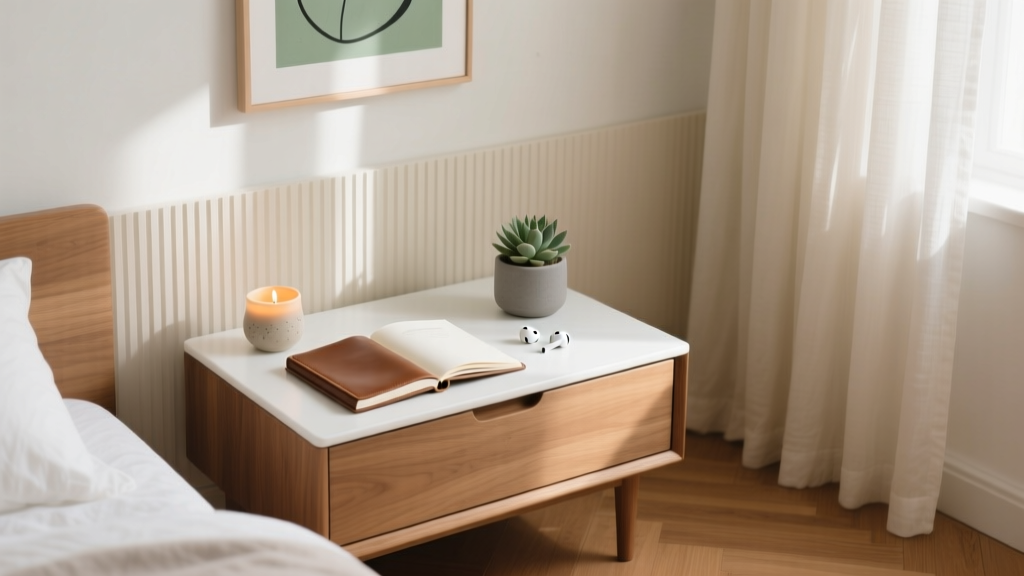
Best Bedroom Dream Journal Setup - The Decor Mag
A dream journal can be a small habit with surprisingly big benefits: clearer self-reflection, better emotional processing, more creative insight, and a gentler start to the day. The challenge is that most of us wake up groggy, reach for our phone, and watch the details evaporate. A thoughtful bedroom design can protect that delicate “in-between” moment—helping you capture dreams while keeping your sleep environment calm and restorative.
Your bedroom is more than decor; it’s a sleep environment. Lighting, layout, bedding, and even where you place a notebook can influence how quickly you fall back asleep, how often you wake, and how steady your circadian rhythm feels. A dream journal setup is most successful when it supports both goals: remembering dreams and maintaining a sleep-friendly bedroom.
This guide walks through a practical, calming bedroom dream journal setup—furniture and storage, lighting that won’t jolt you awake, materials that feel good at night, plus wellness tips and common mistakes to avoid. Whether you’re in a rental studio or a spacious primary suite, you can create a small “dream zone” that looks intentional and feels soothing.
What Makes a Dream Journal Setup “Bedroom-Friendly”
The best dream journal setup respects one rule: your brain should stay in a low-stimulation state. That means minimizing bright light, noise, clutter, and decision fatigue. You want an arrangement that’s easy to reach, intuitive in the dark, and attractive enough to keep using.
Core goals to design around
- Immediate access: Journal and pen within arm’s reach of the bed (no searching).
- Low-light usability: Warm, dimmable bedside lighting or an amber reading light.
- Minimal stimulation: No phone scrolling, harsh overhead lights, or messy bedside chaos.
- Comfort + posture support: Pillow arrangement that lets you write without strain.
- Consistency: A dedicated spot that stays the same every night.
Choose the Right Journal + Writing Tools (That Feel Good at Night)
Your journal doesn’t need to be fancy, but it should be easy to use when you’re half-asleep. Texture, paper weight, and pen glide matter more than people think—if writing feels scratchy or slow, you’ll quit.
Dream journal types (and who they’re best for)
- Hardcover notebook (A5 or B6): Sturdy on your lap; great for minimalists and frequent writers.
- Spiral notebook: Lies flat easily; ideal for quick jotting and renters who want simple, replaceable tools.
- Guided dream journal: Prompts reduce effort (“Setting,” “Emotions,” “Symbols”); helpful if you’re new to dream recall.
- Index cards on a tray: Good for ultra-quick notes; transfer to a main journal later.
Paper and materials to look for
- Paper weight: 90–120 gsm reduces bleed-through (especially with gel pens).
- Finish: Smooth or lightly coated paper for effortless writing in low light.
- Cover: Linen or vegan leather covers feel comforting and elevate bedroom decor.
Best pen styles for nighttime use
- Gel pens (0.5–0.7 mm): Smooth, readable quickly; choose quick-dry ink.
- Ballpoint pens: Reliable, less smudging; great if you write on your side.
- Mechanical pencil: Quiet and forgiving; good for light sleepers sharing a bed.
Budget ranges:
- $8–$20: Quality notebook + a dependable pen set.
- $20–$45: Linen hardcover journal + premium gel pen + simple bedside tray.
- $45–$90: Guided journal + elevated accessories (tray, pen cup, book light) in matching finishes.
Nightstand and Storage: The “Reach Zone” That Keeps You Calm
The nightstand is the command center of a relaxing bedroom. A dream journal setup works best when your journal lives in a predictable, clutter-free spot—no moving piles, no digging under remotes.
Nightstand features that support better sleep
- Stable top surface: At least 14–18 inches wide for a lamp + journal tray.
- Soft-close drawer: Prevents noise and startle; perfect for storing pens and a sleep mask.
- Rounded edges: Safer and gentler visually, especially in tight layouts.
- Easy-clean finish: Matte wood, oak veneer, or powder-coated metal resists smudges.
Smart layout for the nightstand top
- Back corner: Lamp or wall sconce switch within reach.
- Center: A small tray (8–12 inches) to hold the journal and pen.
- Front corner: A coaster for water or herbal tea (optional).
Product types to consider:
- Floating nightstand (renter-friendly options exist): Creates visual calm and makes small bedrooms feel bigger.
- Nightstand with cubby + drawer: Cubby for books, drawer for journaling supplies.
- Bedside caddy: If you lack space, a fabric caddy slips between mattress and frame.
Budget ranges:
- $30–$80: Compact nightstand or bedside caddy.
- $80–$200: Solid wood or quality veneer nightstand with drawer.
- $200–$450: Designer-style nightstand, soft-close hardware, premium finishes.
Lighting That Protects Sleep (and Still Lets You Write)
Lighting is one of the most influential elements of bedroom design for sleep quality. Bright, cool-toned light can reduce melatonin and fully wake you—great for productivity, not for remembering dreams and drifting back to sleep.
Best lighting options for dream journaling
- Dimmable bedside lamp: Choose warm color temperature (2200K–2700K) and a shade that diffuses light.
- Wall-mounted swing-arm sconce: Saves nightstand space; directs light onto the journal without lighting the whole room.
- Amber clip-on book light: Ideal for partners with different sleep schedules; very localized light.
- Motion-activated under-bed night light: Helps you find your journal or use the bathroom without overhead glare.
Bulb and shade recommendations
- Bulb: Warm LED, 2200K–2700K; avoid “daylight” bulbs in the bedroom.
- Brightness: 200–400 lumens for journaling when dimmable; aim lower if you’re sensitive to light.
- Shade: Linen or paper shades soften the glow and suit calming bedroom decor.
Quick tip: Place the light source slightly behind and to the side of your writing hand to reduce shadows and eye strain.
Colors and Materials That Support a Restful Bedroom
A dream journal corner should blend into a calming bedroom palette. Think soft, quiet finishes—nothing glossy or visually busy that pulls attention away from sleep.
Sleep-friendly color directions
- Warm neutrals: Ivory, sand, oatmeal, mushroom, taupe.
- Soft cools (muted): Dusty blue, sage green, mist gray.
- Accent colors (small doses): Terracotta, muted lavender, deep olive—great for a journal cover or tray.
Materials that feel soothing and look elevated
- Wood: Oak, walnut, bamboo—matte or satin finishes reduce glare.
- Textiles: Linen, cotton, and wool blends for texture without shine.
- Tray materials: Leather, cork, matte ceramic, or woven rattan for quiet organization.
Bedding and Pillow Setup for Comfortable Journaling
If you’re straining your neck or balancing a notebook awkwardly, you’ll avoid the habit. Bedding can subtly support better dream journaling—and better sleep.
A simple pillow arrangement that works
- Primary sleep pillow: Supportive to your sleep style (side/back/stomach).
- Journaling support pillow: A medium firm euro sham or lumbar pillow to prop you up briefly.
- Optional lap surface: A small wedge pillow or a slim lap desk if you prefer structure.
Fabric recommendations for sleep comfort
- Cotton percale: Crisp, breathable—excellent for warmer sleepers.
- Cotton sateen: Smoother feel—cozy without being heavy.
- Linen: Temperature-regulating, relaxed look that suits calming bedroom decor.
Budget ranges:
- $40–$120: Quality pillow + cotton percale pillowcases.
- $120–$300: Upgraded bedding set in percale, sateen, or linen blend.
- $300–$700: Premium linen bedding + supportive pillow system.
Bedroom Layout Tips: Where the Dream Journal Should Live
The best place for your dream journal is where your hand naturally lands when you wake. Keep it close enough to use without sitting fully upright, but organized enough that it doesn’t become visual clutter.
Placement ideas (for different room types)
- Small bedroom: Use a narrow nightstand, wall shelf with a lip, or bedside caddy.
- Shared nightstand: Use a divided tray—one side for each person’s essentials.
- No nightstand: A storage headboard cubby or a slim rolling cart beside the bed.
- Studio apartment: Keep the journal in the bedroom zone, not by the desk, to preserve “sleep only” cues.
Keep it visually calm with micro-organization
- One tray = one habit: Journal, pen, and a small clip or bookmark only.
- Hidden extras: Store highlighters, stickers, or prompt cards in the drawer.
- Noise control: Avoid clunky pen cups; choose felt-bottom trays or cork coasters.
Wellness Tips to Improve Dream Recall (Without Disrupting Sleep)
Your sleep environment sets the stage, but a few gentle routines make dream recall more consistent. The aim is to capture dreams quickly and return to rest.
A simple 60-second dream capture routine
- Stay still for a moment: Keep your eyes closed and replay the dream from the last scene.
- Write keywords first: People, places, emotions, colors—just anchors.
- Add a few lines: Expand only if you feel awake enough.
- Finish with one tag: “Stress,” “travel,” “family,” “ocean,” etc. for easy review later.
Bedroom habits that support better sleep quality
- Keep the room cool: Many sleepers do well around 60–67°F; adjust to comfort.
- Reduce blue light at night: Warm bulbs, dimmers, and screens out of bed help protect circadian rhythm.
- Cut clutter hotspots: Visual mess can raise mental arousal at bedtime.
- Use calming scent sparingly: Lavender or chamomile can be soothing; avoid strong, lingering fragrances.
Common Mistakes to Avoid
- Using overhead lighting: A bright ceiling fixture can fully wake you and make it hard to fall back asleep.
- Relying on your phone for notes: Notifications and blue light derail the calm bedroom vibe (even with night mode).
- Keeping the journal “somewhere safe”: If it’s not within reach, you’ll skip it when sleepy.
- Over-decorating the nightstand: Too many objects create friction and clutter—your dream journal gets buried.
- Choosing scratchy paper or smudgy ink: Frustration kills the habit; pick tools that feel effortless.
- Turning it into a long project: Dream journaling works best as a quick, low-pressure practice.
FAQ: Bedroom Dream Journal Setup
Should I keep my dream journal on the nightstand or under my pillow?
Nightstand is usually best for bedroom design and comfort—easy access without lumpiness under the pillow. If you have no nightstand, use a bedside caddy or a headboard shelf so it stays consistent and reachable.
What lighting is best for writing without ruining sleep?
Warm, dimmable lighting (2200K–2700K) is ideal. A swing-arm wall sconce or amber book light keeps illumination focused on the page and helps your brain stay in a sleepier state.
Can dream journaling improve sleep quality?
Indirectly, it can. Many people find it reduces mental clutter and supports emotional processing, which can make the bedroom feel more restful. Keep the practice brief so it doesn’t become stimulating.
What if I share a bed and my partner is a light sleeper?
Use an amber clip-on book light or a low-lumen reading light angled toward your journal. Store the journal in a felt-lined tray to prevent noise, and choose a quiet pen (ballpoint or pencil).
How do I keep my bedroom from looking messy with journaling supplies?
Limit what stays on top: journal + pen only, contained in a small tray. Everything else—extra pens, prompts, bookmarks—goes in a drawer or lidded box to preserve a calm, decluttered sleep environment.
What’s a good budget setup that still looks stylish?
A $50–$120 total setup can look polished: a simple compact nightstand or bedside shelf, a warm bulb in a basic lamp, a linen-look journal, and a small cork or faux-leather tray.
Next Steps: Build Your Calm, Consistent Dream Zone
Start with the essentials: a comfortable place to write, a predictable spot for your journal, and warm, low lighting that supports sleep. Then refine the details—tray organization, soothing colors, breathable bedding—so your bedroom decor helps you unwind rather than ramp up. Even small changes, like swapping a cool bulb for a warm dimmable one or clearing the nightstand surface, can make dream journaling feel effortless and your sleep environment more restorative.
For more calming bedroom design ideas, sleep-friendly decor tips, and renter-approved layout solutions, explore the latest inspiration on thedecormag.com.
More Articles
 Best Bedroom Eye Mask Storage - The Decor Mag
 Best Bedroom Bedside Reading Stack - The Decor Mag
 Beyond the Accent Lamp: 7 Thoughtful, Functional Bedside Alternatives for Modern Bedrooms
 Bedroom Four Poster Bed Styling - The Decor Mag
 How to Mix Patterns on Your Bed - The Decor Mag
 How To Clean Actually: A Bedroom Comfort Specialist’s No-Nonsense, Science-Backed Protocol
 Modern Bedroom Design on a Budget: Smart, Stylish, and Sustainable Solutions
 Best Bedroom Sleep Tea Collection - The Decor Mag
 Bedroom Leather Pull Nightstand Handles - The Decor Mag
 Transitional Bedroom Design Guide - The Decor Mag