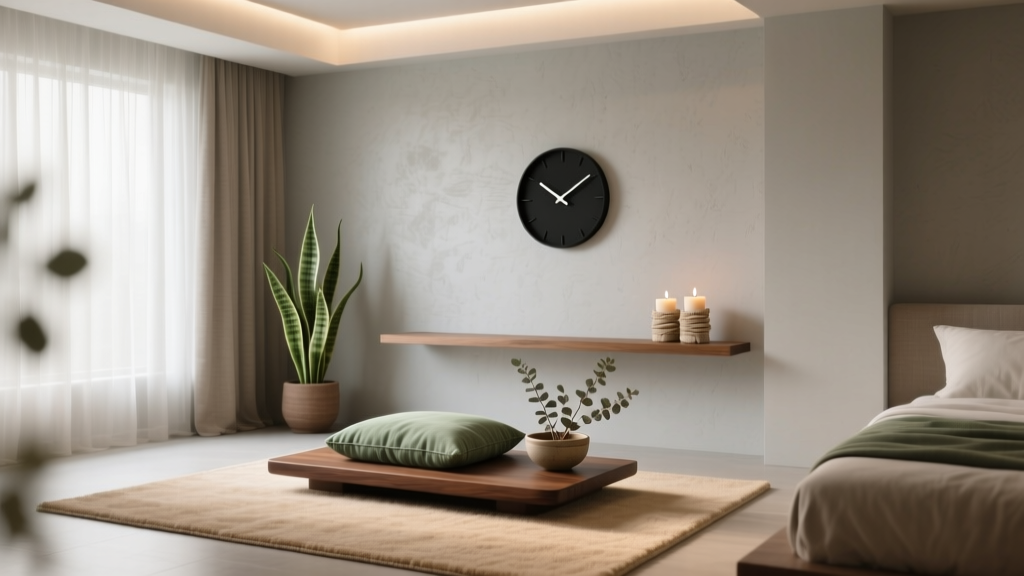
Best Bedroom Meditation Corner Setup - The Decor Mag
A bedroom should do more than look good—it should actively support better sleep. When your sleep environment feels calm, organized, and emotionally “safe,” it’s easier for the nervous system to shift out of alert mode and into rest. A thoughtfully designed bedroom meditation corner can be the missing link between a busy day and a smoother transition into deep, restorative sleep.
Meditation doesn’t need a dedicated studio or a full room makeover. A small, intentionally arranged corner can become a daily cue for your body to slow down. Over time, that cue can reduce bedtime anxiety, soften racing thoughts, and improve the overall vibe of your bedroom decor—without cluttering the very space meant for relaxation.
This guide walks you through practical bedroom design choices—furniture, lighting, color, layout, and materials—so your meditation corner feels inviting, sleep-friendly, and realistic for both homeowners and renters.
What Makes a Bedroom Meditation Corner “Work” for Sleep?
The best meditation corners do two jobs at once:
- Create a visual boundary (a small zone that signals “pause and exhale”).
- Protect the bedroom’s sleep environment (low stimulation, low clutter, gentle light, soothing textures).
From a sleep wellness perspective, your corner should support:
- Lower light levels at night to preserve melatonin and encourage drowsiness.
- Reduced visual noise so your brain doesn’t stay “on.”
- Comfortable posture that doesn’t create tension (especially in hips, lower back, and shoulders).
- Consistency—a repeatable ritual that helps your mind associate the bedroom with relaxation, not scrolling or stress.
Choosing the Right Spot: Layout Ideas for Any Bedroom Size
Best locations (in order of practicality)
- Near a window (daytime use): Natural light supports mood and makes morning meditation feel energizing without being harsh.
- Beside a dresser or bookcase: Easy to “anchor” the zone with an existing piece of furniture.
- At the foot of the bed: Works well in narrow bedrooms if you keep the footprint minimal.
- In a closet nook: Surprisingly effective for renters—quiet, contained, and easy to reset.
Spacing guidelines that keep the bedroom feeling open
- Allow at least 24–30 inches of clearance so you can sit down comfortably.
- Keep your meditation setup 1–2 feet away from HVAC vents (avoid drafts and noise).
- If possible, avoid placing it directly beside your bed pillow area if you’ll use candles or aromatherapy.
Small bedroom solution: “Portable corner”
If you don’t have an obvious corner, create a pack-away setup:
- A folding floor cushion or zafu
- A small lidded basket for essentials
- A plug-in wall sconce or rechargeable lamp
The Core Pieces: Furniture and Comfort Essentials
Seating options (choose based on your body and habits)
- Zafu + zabuton (traditional meditation cushion set): Great for cross-legged sitting; choose buckwheat hull filling for supportive firmness. Budget: $60–$180.
- Floor pillow (oversized): Softer, cozier; best for gentle breathwork or reading. Look for high-density foam inserts to prevent flattening. Budget: $30–$120.
- Meditation bench: Excellent if your hips or knees don’t love cross-legged sitting. Choose solid wood with rounded edges. Budget: $40–$150.
- Upholstered accent chair (compact): Ideal for those who prefer back support; pick a chair with a firm seat and minimal recline. Budget: $120–$500.
Add-on comfort that supports alignment
- Lumbar pillow (linen or cotton cover): Keeps the spine neutral during longer sits.
- Bolster: Helpful for seated twists, gentle stretching, and restorative poses.
- Soft rug (low pile): Defines the meditation zone without trapping dust like thick shag. Wool or wool-blend is naturally resilient. Budget: $50–$300.
A small surface: the “landing zone” that prevents clutter
A tiny table helps keep items contained, which is key for a tidy bedroom design:
- Round side table (12–18 inches wide): Softer visual lines, less bump risk in tight spaces.
- Floating shelf (renter-friendly with proper anchors or adhesive-rated systems): Great for micro bedrooms.
- Storage ottoman: Doubles as a seat and hides extras (journal, matches, eye pillow). Budget: $50–$200.
Lighting: The Fastest Way to Make It Feel Calmer (and More Sleep-Friendly)
Lighting is where meditation corners either support sleep—or accidentally sabotage it. Bright, cool-toned light can keep your brain alert, especially in the evening.
What to aim for
- Warm color temperature: 2200K–2700K for night; 2700K–3000K if you also meditate during the day.
- Low-level light: Prefer lamps with dimmers or 3-step brightness.
- Indirect glow: Aim light toward a wall, curtain, or shade to reduce glare.
Best lighting choices for a meditation corner
- Dimmable table lamp with a linen shade: Soft diffusion, classic bedroom decor look. Budget: $25–$150.
- Plug-in wall sconce: Saves surface space; great for renters who can’t hardwire. Budget: $30–$200.
- Salt lamp or amber LED lamp: Creates a gentle evening ambiance. Choose LED for safety and heat reduction. Budget: $20–$80.
- Battery/rechargeable candle-style light: If you love candle vibes but want a safer sleep environment. Budget: $15–$60.
Lighting to avoid close to bedtime
- Exposed bright bulbs (glare keeps the brain vigilant)
- Cool-white LEDs (4000K+)
- Color-changing lights at night (fun, but often too stimulating for sleep)
Colors and Materials: Bedroom Decor That Feels Quiet
Best color palettes for a meditation corner
Choose hues that lower visual intensity and complement your bedroom’s existing color story:
- Warm neutrals: oat, sand, cream, mushroom
- Muted greens: sage, olive-gray (nature cues calm the nervous system)
- Soft blues: dusty blue, blue-gray (cooling without feeling cold)
- Earth tones: terracotta (muted), clay, warm taupe
Material recommendations (comfort + better air feel)
- Linen: Breathable, textured, relaxed—excellent for pillow covers or a small curtain divider.
- Organic cotton: Great for cushion covers; easier to wash frequently.
- Wool: Naturally temperature-regulating; ideal for a low-pile rug or throw.
- Solid wood: For benches or small tables; visually grounding and durable.
If you’re sensitive to smell, look for low-VOC finishes and avoid heavily fragranced textiles. A clean, low-chemical sleep environment can reduce irritation and nighttime congestion.
Finishing Touches: Decor That Supports Meditation (Without Becoming Clutter)
A meditation corner should feel styled, but not busy. Think “few, meaningful pieces.”
Optional accents that add calm
- One piece of wall art: A simple landscape, abstract wash, or calming photography. Keep it matte to avoid reflections.
- A small plant: Snake plant or pothos are low-maintenance. If you have allergies, choose a plant that doesn’t shed pollen heavily and keep soil mold-free.
- A soft throw: Useful for body temperature drops during evening meditation—especially if you run cool at night.
- A timer: Prefer a gentle chime over a phone alarm to protect the bedroom’s low-stimulation vibe.
What to store nearby (and what to keep out)
- Keep: journal, pen, eye pillow, a single book, lighter/matches only if you truly use candles (and store safely).
- Skip: paperwork, random chargers, workout gear, extra decor “just because.”
Sleep Wellness Tips: Make the Corner Part of a Wind-Down Routine
Your meditation corner becomes more effective when it’s linked to consistent sleep cues. Try a simple nightly flow that takes 5–15 minutes.
Easy wind-down sequence (choose 3 steps)
- Dim lights in the bedroom and meditation corner 60–90 minutes before bed (or as early as your schedule allows).
- 2 minutes of breathing: Inhale 4, exhale 6 (longer exhales encourage relaxation).
- Gentle stretch: Seated forward fold or neck/shoulder rolls.
- Short meditation: 5 minutes of body scan or a single calming phrase.
- Write it down: A quick “brain dump” list to reduce rumination.
Sound and scent (keep them subtle)
- Sound: White noise, pink noise, or soft nature sounds can support sleep—especially in apartments with street noise.
- Scent: If you use essential oils, choose gentle options like lavender or cedarwood and keep diffusion brief (15–30 minutes). Avoid running diffusers all night if you’re sensitive.
Bedroom Meditation Corner Setups by Budget
Budget-friendly ($50–$150)
- Floor pillow or basic zafu ($30–$70)
- Warm LED bulb + thrifted lamp or small lantern ($15–$40)
- Woven basket for storage ($10–$25)
Mid-range ($150–$400)
- Zafu + zabuton set or meditation bench ($80–$180)
- Dimmable lamp or plug-in sconce ($40–$150)
- Low-pile wool-blend rug ($60–$200)
Elevated ($400–$900+)
- Compact accent chair in natural upholstery ($250–$700)
- Solid wood side table or floating shelf system ($100–$300)
- Designer-grade dimmable lighting ($120–$400)
Common Mistakes to Avoid
- Making it too complicated: A corner that requires setup every time won’t get used. Keep it ready.
- Using harsh overhead lighting: Overhead glare can undermine relaxation and sleep quality.
- Overdecorating: Too many objects become visual noise, which is the opposite of a restful bedroom.
- Relying on your phone as the “meditation tool”: If possible, use a separate timer. Phones invite scrolling and blue light exposure.
- Choosing scratchy or sweaty fabrics: Synthetic covers can trap heat and feel uncomfortable, especially during breathwork.
- Placing it where you’ll constantly trip over it: Meditation should feel welcoming, not like an obstacle course.
FAQ: Bedroom Meditation Corner Setup
How big does a meditation corner need to be?
You can make it work in as little as a 2 ft x 3 ft area. Enough space for a cushion, your legs, and a small lamp or shelf is plenty. If you can sit down and stand up without bumping furniture, it’s big enough.
Should I meditate in the bedroom if I struggle with insomnia?
Yes, with one guideline: keep it calming and brief at night. A short wind-down practice can improve sleep quality by lowering arousal. If you start associating the bedroom with effort or frustration, shift longer sessions to daytime and keep nighttime meditation to 5–10 minutes.
What’s the best lighting for evening meditation?
Choose warm, dimmable light (2200K–2700K), ideally from a shaded lamp or sconce. Avoid cool-white bulbs and bright overhead fixtures, which can signal “daytime” to your brain.
Can I use candles safely in a bedroom meditation corner?
You can, but be cautious. Keep candles away from curtains and bedding, use stable holders, never leave them unattended, and consider flameless LED candles for a similar glow with a more sleep-friendly safety profile.
What if my bedroom is also my home office?
Create separation with simple zoning: place the meditation corner on the opposite side from the desk, use a small rug to define the space, and keep work items out of sight at night (a lidded basket or cabinet helps). This supports a clearer boundary between “work mode” and “rest mode.”
What materials are best for a cleaner sleep environment?
Look for linen, cotton, wool, and solid wood with low-VOC finishes. Washable cotton covers help reduce dust buildup, and low-pile rugs are easier to keep clean than thick shag.
Next Steps: Build Your Corner in One Calm Afternoon
Start simple: choose a spot, add comfortable seating, and swap in warm, dimmable lighting. Then edit—remove anything that feels distracting. A bedroom meditation corner should make the whole sleep environment feel quieter, softer, and more intentional, supporting your nightly transition into rest.
For more soothing bedroom design ideas, sleep-friendly decor upgrades, and renter-proof layout solutions, explore the latest guides on thedecormag.com.
More Articles
 Bedroom Limewash Bedroom Wall Treatment - The Decor Mag
 Bedroom Curved Furniture Design Trend - The Decor Mag
 Bedroom Window Seat Design Ideas - The Decor Mag
 Bedroom Woven Pendant Light Ideas - The Decor Mag
 How to Create a Bedroom Color Story - The Decor Mag
 Bedroom Reeded Glass Wardrobe Doors - The Decor Mag
 Best Bedroom Shoe Storage Solutions - The Decor Mag
 Best Bedroom Hat Storage Display - The Decor Mag
 Bedroom Layout Common Mistakes: What 92% of Homeowners Get Wrong (And How to Fix Them)
 How to Choose Bedroom Quilt Style - The Decor Mag