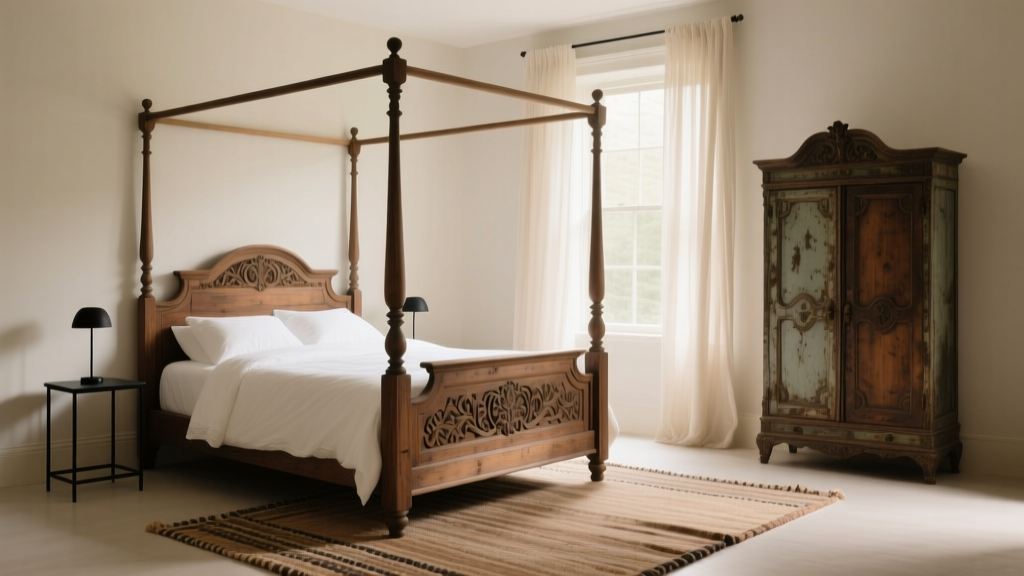
Antique Bedroom Furniture: Styling Tips (2026)
Antique furniture has a quiet confidence—solid wood that feels grounding, craftsmanship you can see in every joint, and a sense of history that instantly softens a space. In a bedroom, that matters. The pieces you live with closest should help you feel safe, settled, and soothed, because your sleep environment directly influences how easily you fall asleep and how deeply you rest.
Yet many homeowners and renters hesitate to bring antiques into a bedroom design. They worry the room will look “too formal,” too dark, or mismatched with modern life. The truth is that antique bedroom decor can be deeply sleep-friendly when it’s balanced with calming colors, breathable bedding, gentle lighting, and a layout that supports relaxation.
This guide walks you through practical ways to incorporate antique furniture in a bedroom—without sacrificing comfort, storage, or a clean, restorative feel.
Why Antique Furniture Works So Well in a Sleep-Friendly Bedroom
Bedrooms benefit from visual calm and tactile comfort. Antiques can contribute to both when you choose the right pieces and pair them thoughtfully.
- Natural materials: Many antiques are solid wood (oak, walnut, mahogany, pine). Wood adds warmth and reduces the “cold” feel that can come from too many synthetic surfaces.
- Less visual noise: A few substantial pieces can replace lots of small, clutter-prone items—helpful for a calming sleep environment.
- Character without trend fatigue: Instead of chasing fast decor trends, one antique anchor can make a bedroom design feel personal and timeless.
- Often lower-VOC than new mass furniture: Many older pieces have already off-gassed, which can support better bedroom air quality (still assess finishes and odors case by case).
Choose the Right Antique Pieces for a Bedroom (Start with Function)
To keep the room restful, pick antique furniture that improves how the bedroom works day-to-day. Think: sleep, storage, flow, and ease of cleaning.
Best Antique Furniture Pieces to Use in a Bedroom
- Antique nightstands: Compact, practical, and easy to mix with modern beds. Look for sturdy legs and drawers that glide smoothly.
- Dressers and chests: Excellent for storage, and they reduce visual clutter. A vintage dresser often outperforms flat-pack alternatives.
- Armoire or wardrobe: Ideal for renters with limited closets. It can hide clothing, mirrors, and even a small hamper.
- Vanity or writing desk: Works as a “landing zone” for morning routines—best placed away from the bed to protect sleep cues.
- Bench or trunk (with caution): Great at the foot of the bed for throws, but avoid overly musty interiors and choose pieces that don’t become clutter magnets.
Antique Beds: Beautiful, But Plan for Modern Comfort
An antique bed frame can be stunning—especially carved wood or iron. The key is making it compatible with modern mattresses and supportive sleep ergonomics.
- Check sizing: Older “full” frames can run smaller. Measure inner rails and headboard width.
- Use modern support: Add a new slatted base or bunkie board to support your mattress properly.
- Prioritize quiet: Tighten hardware, add felt pads, and address squeaks so nighttime movement doesn’t disrupt sleep.
How to Blend Antique and Modern Bedroom Decor Without Feeling Heavy
The most restful antique bedrooms feel curated, not crowded. Use a simple ratio and repeat a few materials to make everything feel intentional.
A Simple Mixing Formula
- Pick one antique “anchor” piece: Dresser, bed frame, or wardrobe.
- Add 1–2 supporting antiques: Nightstand, mirror, or bench.
- Keep the rest modern and minimal: Bedding, lighting, rug, and curtains can be clean-lined for balance.
Repeat Materials for Cohesion
- Wood tones: If your antique is warm walnut, echo warmth with a natural jute rug, oak picture frames, or brass accents.
- Metals: Antique brass pairs well with soft white bulbs and linen shades; black iron works with modern matte black lamps.
- Textiles: Antiques love breathable, matte textures like linen, cotton percale, wool, and velvet (used sparingly).
Sleep-Friendly Layout Tips When Using Antique Bedroom Furniture
Antiques can be larger and heavier than modern pieces. A thoughtful layout keeps the room open, quiet, and easy to move through—key for a relaxing bedroom design.
Placement Guidelines
- Protect the walkway: Keep at least 24–30 inches of clearance on main paths (bed to door, bed to closet).
- Balance weight: If you have a large antique dresser, visually counter it with a rug, art, or curtains on the opposite side so the room doesn’t feel lopsided.
- Keep “work” away from “sleep”: If you use an antique desk, position it away from your bed and avoid placing it in your direct line of sight from the pillow.
- Use vertical storage: An armoire reduces the need for multiple small organizers that create clutter.
Renter-Friendly Considerations
- Floor protection: Use felt pads under legs and a rug under heavy pieces to avoid dents and scratches.
- Wall safety: Anchor tall antiques (armoires, bookcases) with removable-friendly hardware where possible—especially in earthquake-prone areas.
- Moving plan: Choose pieces that can be disassembled or that fit through doorways and stairwells (measure before buying).
Color Palettes That Let Antiques Feel Calm (Not Gloomy)
Antique wood can read dark or formal if paired with stark whites and harsh lighting. Softer, sleep-supportive color palettes make the room feel airy while honoring patina and age.
Restful Color Pairings
- Warm neutrals: Cream, oatmeal, sand, mushroom, warm greige (excellent with oak, walnut, and pine).
- Muted greens: Sage, olive-gray, eucalyptus (calming for the nervous system and beautiful with aged brass).
- Dusty blues: Slate blue, denim, pale navy (pairs especially well with mahogany or cherry finishes).
- Soft clay tones: Blush-beige, terracotta-wash (use in small doses to avoid overstimulation).
Paint and Finish Tips
- Preserve original finishes when possible: A gentle clean and wax often restores glow without removing character.
- If you paint, pick low-VOC products: Look for low-VOC or zero-VOC paint to support bedroom air quality.
- Try reversible updates: Swap knobs, add liner paper inside drawers, or use a glass top on a dresser rather than refinishing.
Bedding, Textiles, and Rugs: The Soft Counterbalance to Antiques
Antiques bring structure; textiles bring comfort. For sleep quality, prioritize breathable, skin-friendly fabrics and layered softness that makes the room feel like a retreat.
Recommended Bedding Materials (Sleep-First)
- Cotton percale: Crisp, cool, and great for warm sleepers. Ideal for a clean, hotel-like sleep environment.
- Cotton sateen: Smoother and slightly warmer; works well in cooler climates.
- Linen: Temperature-regulating and relaxed; pairs beautifully with vintage wood and patina.
- Wool or cotton blankets: Breathable layering for better temperature control at night.
Rug Choices That Quiet the Room
- Wool rugs: Soft underfoot, naturally resilient, and helps dampen sound—useful in apartments.
- Low-pile rugs: Easier to vacuum around heavy antiques and less likely to catch drawers.
- Rug sizing: For most bedrooms, aim for an 8x10 or 9x12 under the bed so you step onto softness rather than cold floors.
Lighting That Flatters Antiques and Supports Better Sleep
Lighting is one of the fastest ways to shift a bedroom from “showroom” to “sleep sanctuary.” Antiques look best in warm, layered light—and your circadian rhythm does too.
A Simple Bedroom Lighting Plan
- Ambient: Overhead fixture on a dimmer (or a plug-in dimmer for rentals).
- Task: Bedside lamps for reading with a shade that diffuses light.
- Accent: A small lamp on an antique dresser or picture light over art to add gentle depth.
Bulb and Shade Recommendations
- Color temperature: 2200K–2700K warm white for evening calm.
- Brightness: 400–800 lumens per bedside lamp depending on shade and room size.
- Shades: Linen or cotton shades soften glare; avoid bare bulbs that feel harsh and energizing.
Practical Buying Tips: What to Inspect Before Bringing Antiques Home
Antiques can last for decades more, but bedrooms require extra attention to cleanliness, odor, and safety.
Quick Inspection Checklist
- Stability: Does it wobble? Check joints, legs, and corner blocks.
- Drawers: Do they open smoothly? Minor sticking is common; major misalignment may require repair.
- Odor: Musty smells can transfer to linens. Open drawers and sniff the interior.
- Pests: Look for tiny holes or dust (possible woodworm). If unsure, consult a professional.
- Finish condition: Flaking varnish can snag fabrics; consider gentle refinishing or sealing.
- Lead paint risk: Painted antique pieces may contain lead (especially pre-1978 in the U.S.). Avoid sanding; use professional testing if concerned.
Budget Ranges (Typical)
- Small accent pieces (mirror, stool, small table): $50–$250
- Nightstands (pair): $150–$600
- Dressers and chests: $300–$1,200
- Armoires/wardrobes: $500–$2,000
- Antique bed frames: $400–$2,500 (plus modern support hardware if needed)
- Basic repairs or restoration: $100–$800 depending on complexity
Where to shop: estate sales, antique malls, reputable vintage dealers, online marketplaces (with detailed photos), and local auctions. If you’re building a bedroom on a tighter budget, start with one durable antique (like a dresser) and keep everything else simple.
Sleep Wellness Tips When Styling an Antique Bedroom
A beautiful room only helps if it also feels good to sleep in. Use these bedroom design choices to support relaxation and healthier sleep habits.
- Keep surfaces mostly clear: Limit the nightstand to essentials (lamp, book, water, hand cream). Clutter increases stress and delays wind-down.
- Improve bedroom air quality: Air out antique drawers before storing clothing. Consider activated charcoal bags inside for lingering odors.
- Control light at night: Add blackout curtains or lined drapery panels—especially helpful if you’ve chosen ornate antiques that you want to highlight with gentle evening lamps.
- Reduce noise: Use a plush rug pad under wool rugs, add felt pads under antique decor objects, and stabilize frames to prevent creaks.
- Support temperature regulation: Pair heavier antique wood furniture with breathable bedding and layered blankets so your body can cool down for sleep.
Common Mistakes to Avoid
- Overfurnishing the room: Too many antiques can feel crowded and mentally stimulating. Choose a few strong pieces and let them breathe.
- Ignoring scale: A massive armoire in a small bedroom can block light and airflow. Measure and mock up footprints with painter’s tape first.
- Mismatched undertones: Mixing very red-toned woods with cool gray walls can feel jarring. Use warm neutrals or muted color palettes to bridge.
- Harsh lighting: Cool white bulbs and exposed glare make antique bedroom decor look heavy and can disrupt your wind-down routine.
- Skipping cleaning and sealing: Dust and old finishes can irritate allergies. Clean thoroughly and consider a gentle seal where surfaces shed.
- Using the bedroom as storage overflow: Antiques can hold a lot—don’t let them become catch-alls. A calm bedroom is a better sleep environment.
FAQ: Antique Furniture in the Bedroom
Can I mix antique furniture with a modern bed?
Yes. A modern bed with clean lines pairs well with antique nightstands or a vintage dresser. Keep the palette cohesive (similar wood warmth or repeated metal finishes) so the mix feels intentional and restful.
How do I remove musty smells from antique drawers?
Start by vacuuming and wiping with a mild soap solution, then let drawers air out in a dry spot. Place activated charcoal, baking soda, or cedar blocks inside for 1–2 weeks. Avoid heavy fragrance sprays that can linger near bedding.
Is antique furniture safe for a bedroom if I have allergies?
It can be, with proper cleaning. Vacuum crevices, wipe surfaces, and consider sealing flaking interiors. Choose rugs and bedding that are easy to wash, and keep dust to a minimum with regular cleaning.
What’s the easiest antique piece to start with?
An antique dresser or a pair of vintage nightstands is usually the easiest entry point. They add character immediately, offer storage, and don’t require mattress-fit considerations like antique bed frames do.
Should I refinish or paint antique bedroom furniture?
If the original finish is stable, preserve it for warmth and authenticity. If the surface is sticky, flaking, or heavily damaged, a professional refinish or a low-VOC paint update can make it more practical for daily use—especially in a sleep space.
How can I keep an antique bedroom from looking too dark?
Use warm, light wall colors (cream, greige), add a larger rug to brighten the floor plane, choose airy curtains, and layer warm lighting (2200K–2700K). Lighter bedding in linen or cotton percale also lifts the whole room.
Next Steps: Build Your Antique-Inspired Sleep Sanctuary
Choose one antique piece that solves a real bedroom need—storage, bedside function, or a calmer focal point—then support it with breathable bedding, warm layered lighting, and a soothing color palette. Measure carefully, keep surfaces uncluttered, and prioritize a layout that makes the room easy to move through at night.
For more calming bedroom design inspiration, sleep environment tips, and decor guides, explore more bedroom ideas on thedecormag.com.
More Articles
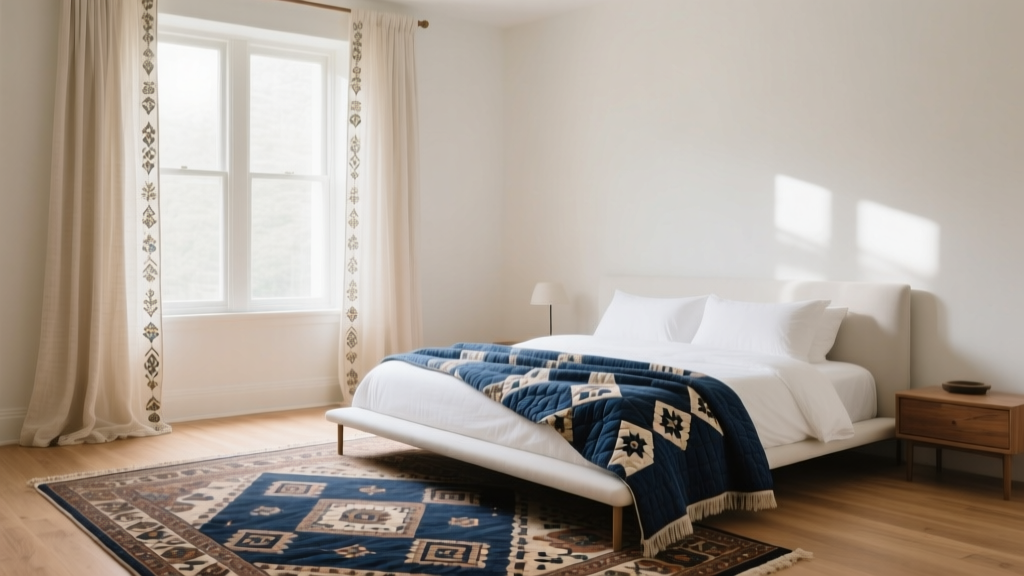 Heirloom Textiles in Bedrooms: Styling Ideas (2026)
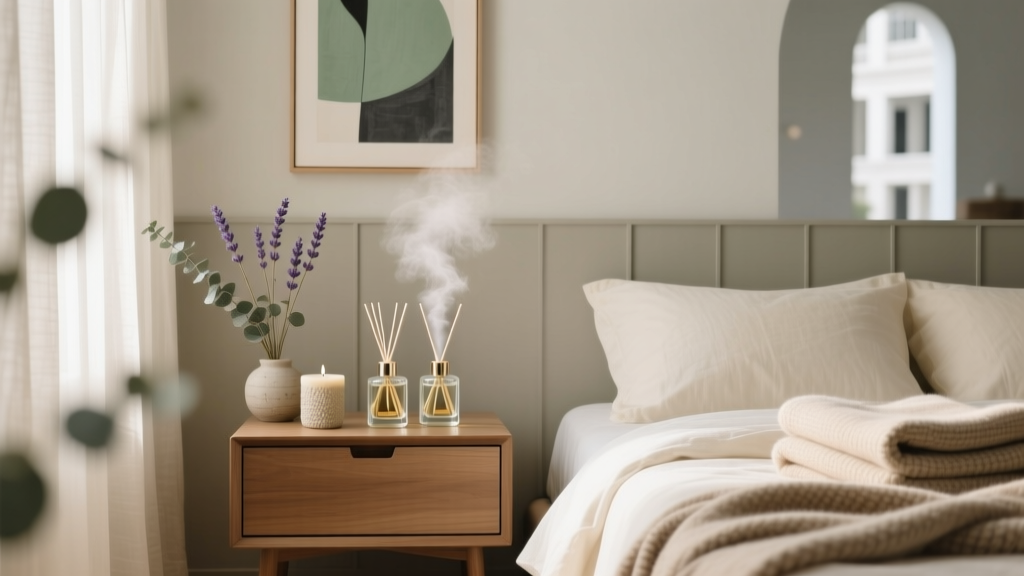 Best Bedroom Essential Oil Blend for Sleep - The Decor Mag
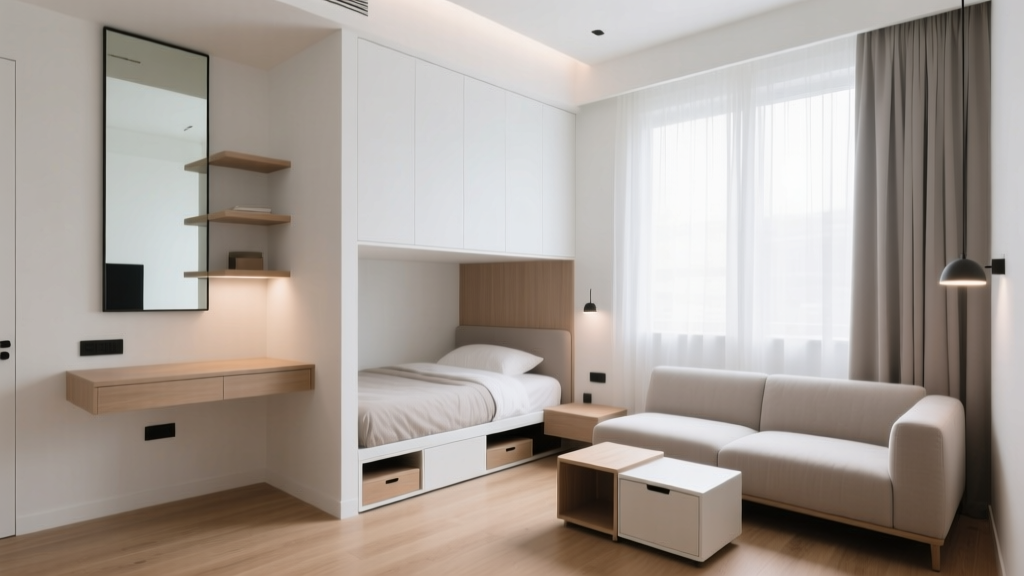 Small Bedroom Design Tricks to Maximize Space (2026)
 How to Create a Bedroom for Better Sleep - The Decor Mag
 Best Bedroom Aromatherapy Diffuser Blend - The Decor Mag
 Bedroom Lighting Ideas for Soothing Ambiance (2026)
 Bedroom Washed Linen Bedding Styling - The Decor Mag
 How to Layer Bedroom Lighting - The Decor Mag
 Best Bedroom Perfume Collection Display - The Decor Mag
 Bedroom Fluted Headboard Panel Design - The Decor Mag